The Kooikerhondje: A Rare Spaniel Dog Breed You've Never Heard Of
Discover the Kooikerhondje, a rare Dutch spaniel dog breed with a fascinating history, unique temperament, and special care needs. Full profile inside.

If you've been researching spaniel breeds, you've likely encountered the familiar names — Cocker Spaniel, Springer Spaniel, Cavalier King Charles. But tucked into the history of the Netherlands is a lesser-known spaniel dog that nearly vanished from existence: the Kooikerhondje (pronounced KOY-ker-hond-yeh). This small, strikingly marked sporting dog is turning heads among breed enthusiasts who want something genuinely uncommon without sacrificing the intelligence and warmth spaniels are known for.
With fewer than 500 registered in the United States in any given year, the Kooikerhondje is one of the rarest spaniel breeds recognized by the American Kennel Club. This profile covers everything prospective owners need to know — from its unusual origins as a duck-trapping decoy to the real costs and quirks of living with one in 2026.
Origin Story: The Dutch Decoy Dog That Fooled Ducks
The Kooikerhondje originated in the Netherlands, with documented references dating to the 16th and 17th centuries. The breed's name literally translates to "little cage dog" — a reference to the eendenkooi (duck cages or decoy traps) that were common along Dutch waterways.
Here's how the work was done: A Kooikerhondje would trot along the banks of a canal or marsh, its plumed white-tipped tail flicking in a way that provoked curiosity in wild ducks. Rather than fleeing, the ducks would follow the dog deeper into a series of narrowing tunnels that ended in a cage. The dog's job was to lure, not to retrieve or flush — a role unique among spaniel-type dogs.
- 1600s: Kooiker-type dogs appear in Dutch paintings by Jan Steen and other Golden Age artists
- 1800s: Breed nearly disappears as modern hunting methods replace decoy trapping
- 1939: Baroness van Hardenbroek van Ammerstol begins a recovery breeding program
- 1971: The Dutch Kennel Club (Raad van Beheer) officially recognizes the breed
- 1996: The Fédération Cynologique Internationale (FCI) grants full recognition
- 2018: The American Kennel Club (AKC) grants full recognition in the Sporting Group
The breed was functionally extinct by the early 20th century. The Baroness is credited with locating approximately 25 surviving dogs in rural Dutch farms and rebuilding the gene pool. Every Kooikerhondje alive today descends from that small founding population, which has implications for genetic diversity that we'll cover in the health section.
How Rare Is the Kooikerhondje Today?
As of 2025–2026, the Kooikerhondje ranks roughly 185th out of 201 AKC-recognized breeds in popularity. The AKC registers approximately 300–450 Kooikerhondjes per year in the United States. For comparison, the Cocker Spaniel registers over 10,000 annually.
In the Netherlands, the breed has recovered to a healthier population — estimated at 5,000–7,000 registered dogs — but international numbers remain low. The UK Kennel Club registers fewer than 100 per year, classifying the Kooikerhondje as a Vulnerable Native Breed-equivalent (though technically it's an imported breed with low UK registration).
This rarity means prospective owners often face waiting lists of 12–24 months for a puppy from a responsible breeder.
Physical Traits: What Sets This Spaniel Dog Apart
| Attribute | Details |
|---|---|
| Weight | 20–30 lb (9–14 kg) |
| Height | 14–17 in (36–43 cm) at the withers |
| Lifespan | 12–15 years |
| Coat | Medium-length, slightly wavy, water-resistant; red-white parti-color (orange-red patches on white) |
| Distinctive Feature | "Earrings" — long black feathered hair tips on the ears; white plumed tail tip |
| Energy Level | Moderate-to-high (60–90 minutes daily exercise) |
| Grooming Needs | Moderate — brushing 2–3× per week, professional grooming every 8–10 weeks |
| Family Fit | Good with older children; can be reserved with strangers; early socialization critical |
The most immediately recognizable feature is the "earrings" — long, black-tipped feathering that hangs from the ears. This trait is unique to the breed among spaniels and is explicitly required by the AKC breed standard. A Kooikerhondje without earrings would be faulted in conformation.
The coat is parti-colored: predominantly white with well-defined orange-red patches. Unlike the Cocker Spaniel's solid or roan coats, the Kooikerhondje's pattern is closer to a Brittany's, but the texture is distinctly spaniel — soft, slightly wavy, and naturally water-repellent. The breed should never be curly-coated.
The tail is another tell: it's carried level with or slightly above the back when active, and the tip is always white, functioning historically as a visual signal to ducks (and today, as a beacon for owners in tall grass).
Temperament: What Surprises New Owners
Most people expect a spaniel to be universally outgoing and eager to please. The Kooikerhondje challenges that assumption in several ways:
They are alert and territorial. Unlike the Cavalier King Charles Spaniel, which will greet a burglar with a wagging tail, a Kooikerhondje will announce visitors with sharp barking and may remain standoffish for 15–30 minutes before warming up. This makes them surprisingly good watchdogs for their size.
They have a strong prey drive. This is a sporting dog bred to work around waterfowl. Squirrels, rabbits, and neighborhood cats will trigger chase instinct. Off-leash reliability takes 12–18 months of consistent training to achieve, and some individuals never fully earn it in unfenced areas.
They are sensitive to household tension. Kooikerhondjes are known to shut down or develop stress behaviors (excessive licking, avoidance, loss of appetite) in homes with frequent arguing or chaotic environments. They thrive in calm, predictable households.
They are intelligent but not obedient by default. Think less Golden Retriever, more independent problem-solver. A Kooikerhondje will figure out how to open your pantry door before it reliably sits on command. Positive reinforcement training works beautifully — this breed responds poorly to any harsh corrections or force-based methods. Keep sessions short (5–10 minutes) and food-motivated.
Special Care Requirements
- Exercise: 60–90 minutes daily — walks, hiking, swimming, or structured play. Mental stimulation (puzzle feeders, scent work) is equally important.
- Coat Care: Brush 2–3× per week with a slicker brush and metal comb. Pay special attention to the feathering on ears, legs, and tail where mats form quickly. Bathing every 6–8 weeks or as needed.
- Ear Cleaning: Weekly. The long, feathered ears trap moisture and debris, creating a high risk for otitis externa (ear infections). Use a veterinarian-approved ear cleanser — never cotton swabs inside the canal.
- Dental Care: Daily brushing preferred; at minimum, dental chews and veterinary dental cleanings every 12–18 months.
- Weight Management: Keep body condition score (BCS) at 4–5 out of 9. This breed gains weight easily if exercise drops. A 25 lb (11 kg) adult needs approximately 550–700 calories/day depending on activity level.
- Socialization Window: Critical period is 8–16 weeks. Expose to 100+ novel people, surfaces, sounds, and environments before 16 weeks to prevent the shyness the breed is prone to.
Grooming note: Do not shave or clip a Kooikerhondje's coat short. The double coat provides insulation and water resistance. Shaving can permanently alter coat texture, causing it to grow back woolly and more prone to matting. Professional groomers should do sanitary trims and foot rounding only.
Breed-Specific Health Concerns
Because every living Kooikerhondje descends from a small number of founding dogs, the breed carries a higher-than-average risk for certain inherited conditions. Responsible breeders test for these, but buyers must verify results.
| Condition | Description | Estimated Prevalence | Testing |
|---|---|---|---|
| Von Willebrand's Disease (vWD) | Inherited bleeding disorder; impaired blood clotting | ~5–8% carriers in breed | DNA test available |
| Necrotizing Myelopathy (NM) | Progressive spinal cord degeneration; breed-specific condition first identified in Kooikerhondjes | Rare but breed-specific; ~1–2% affected | DNA test available via University of Utrecht |
| Polymyositis | Immune-mediated muscle inflammation; difficulty swallowing, muscle weakness | Reported in breed; prevalence unknown | Clinical diagnosis; biopsy |
| Patellar Luxation | Kneecap dislocation; common in small breeds | ~10–15% in small breeds generally | Orthopedic exam (OFA) |
| Epilepsy | Idiopathic seizures; onset typically 1–3 years | Higher than breed average; exact % unknown | Veterinary neurology workup |
| Renal Cortex Hypoplasia | Underdeveloped kidney tissue; progressive renal failure | Reported in breed lines | Ultrasound; urinalysis |
Always consult your veterinarian about breed-appropriate health screening. The Orthopedic Foundation for Animals (OFA) maintains a database of health test results. Reputable Kooikerhondje breeders will provide OFA or equivalent certifications for both parents, including vWD DNA test results, patellar evaluations, and eye examinations by a veterinary ophthalmologist (CERF).
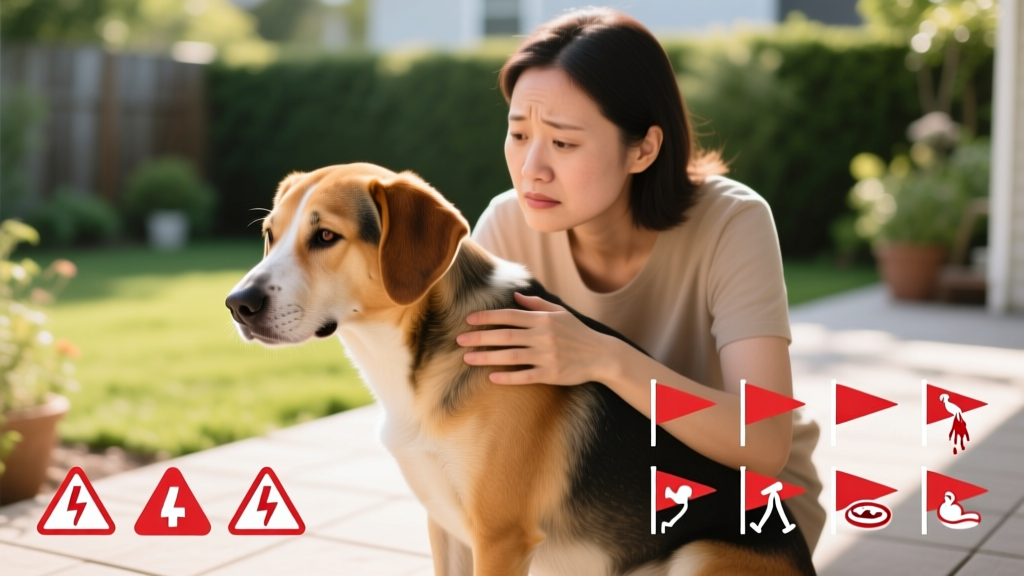
- Unexplained bruising or prolonged bleeding after minor cuts (possible vWD)
- Hind leg weakness, dragging, or sudden difficulty climbing stairs (possible NM or patellar luxation)
- Repeated head shaking, ear odor, or scratching at ears (otitis externa)
- Seizure activity — even a single episode warrants immediate veterinary evaluation
Kooikerhondje vs. Similar Spaniel Breeds
If you're considering a Kooikerhondje, you may also be looking at other small-to-medium spaniels. Here's how they compare:
| Trait | Kooikerhondje | Cocker Spaniel | Brittany |
|---|---|---|---|
| Weight | 20–30 lb (9–14 kg) | 20–30 lb (9–14 kg) | 30–40 lb (14–18 kg) |
| Energy Level | Moderate-high | Moderate | High to very high |
| Stranger Friendliness | Reserved; slow to warm up | Very friendly; outgoing | Friendly; outgoing |
| Trainability | Smart but independent | Eager; biddable | Eager; high-drive |
| Grooming | Moderate (2–3×/week) | High (daily + professional) | Low (weekly) |
| Barking | Moderate-high (alert bark) | Moderate | Low-moderate |
| Apartment Suitability | Possible with exercise; barking a concern | Good with exercise | Poor — needs space |
| Puppy Availability | Very limited; 12–24 month waits | Widely available | Moderately available |
Bottom line: If you want a Cocker Spaniel's size but with less grooming and more independence, the Kooikerhondje is a strong match. If you want maximum eagerness-to-please and instant friendliness with strangers, a Cocker or Brittany will suit you better. The Kooikerhondje rewards owners who appreciate a dog with opinions.
Cost, Availability & Finding a Responsible Breeder
Because this breed is rare, pricing reflects limited supply and responsible breeding practices:
- Puppy purchase price: $3,000–$5,500 from an AKC-registered breeder performing full health testing. European imports (from Dutch or German breeders) may cost $4,500–$7,000 including transport.
- First-year costs (estimated): $4,500–$7,500 total including purchase price, initial veterinary visits, vaccinations, spay/neuter, supplies, and pet insurance.
- Annual ongoing costs: $1,800–$3,200 per year for food, grooming, veterinary care, insurance, and supplies.
Where to find a breeder:
- The AKC Kooikerhondje page links to the breed's parent club
- The Kooikerhondje Club of the USA maintains a breeder directory and a code of ethics that members must follow
- European breeders may be found through the Dutch parent club (Nederlandse Kooikerhondje Club)
Breeder red flags to watch for:
- No DNA test results for Von Willebrand's Disease offered for both parents
- Puppies available immediately with no waitlist — responsible Kooikerhondje breeders almost always have waiting lists
- Price significantly below $2,500 — this often signals a backyard breeder or puppy mill sourcing from overseas without health testing
- Breeder cannot explain necrotizing myelopathy or polymyositis — these are breed-specific conditions a knowledgeable breeder will discuss openly
- No take-back clause in the contract — responsible breeders require that the dog be returned to them at any point in its life if you cannot keep it
Adoption note: Kooikerhondje-specific rescues are rare due to the breed's small population, but the Kooikerhondje Club of the USA does coordinate breed rescue. Occasionally, adult dogs become available through this network. Check the parent club's website or contact them directly.
Is the Kooikerhondje Right for Your Family?
This breed suits families who:
- Have older children (8+) who understand how to interact gently with a sensitive dog
- Have a securely fenced yard (minimum 4-foot fence; some individuals will climb or dig)
- Can commit to 60–90 minutes of daily exercise regardless of weather
- Are patient with a dog that takes months to trust new people
- Want a conversation starter — you will be explaining what your dog is, constantly
This breed is not ideal for:
- First-time dog owners who haven't researched force-free training methods
- Homes with very young toddlers (the dog's sensitivity and potential for resource guarding make this a challenging match)
- Owners who want an off-leash hiking companion within the first year
- People who work 10+ hours away from home — Kooikerhondjes are prone to separation distress
Frequently Asked Questions
Are Kooikerhondjes hypoallergenic?
No. Kooikerhondjes shed moderately year-round and have a double coat that produces normal levels of dander. They are not suitable for people with dog allergies.
Do Kooikerhondjes get along with cats?
It depends heavily on socialization. Kooikerhondjes raised with cats from puppyhood generally coexist well. Adult dogs introduced to cats for the first time may show prey drive. Always supervise initial introductions and provide cats with elevated escape routes.
How much does a Kooikerhondje puppy cost in 2026?
Expect to pay $3,000–$5,500 from a health-tested, AKC-registered breeder in the United States. European imports run $4,500–$7,000 with transport. Prices have remained relatively stable because the breeding population is small and responsible breeders do not overproduce.
Can Kooikerhondjes live in apartments?
Yes, with caveats. They need 60–90 minutes of outdoor exercise daily, and their alert barking may disturb neighbors. A ground-floor unit with yard access is ideal. Without adequate exercise, they will become destructive indoors.
What is the Kooikerhondje's lifespan?
12–15 years on average, which is above the median for dogs of similar size. Some individuals live to 16 or 17 with good veterinary care and weight management.
Is this breed recognized by major kennel clubs?
Yes. The Kooikerhondje is recognized by the AKC (2018, Sporting Group), the UKC (United Kennel Club), and the FCI (1996, Group 8 — Retrievers, Flushing Dogs, Water Dogs). The Dutch Raad van Beheer recognized it in 1971.
Marcus Aldridge
All our authors care for dogs every day — read more of their work on the authors page.