Is Yogurt Safe for Dogs? A Vet-Informed Feeding Guide
Is yogurt safe for dogs? Learn vet-backed serving sizes by weight, preparation tips, nutritional benefits, and when to avoid feeding yogurt to your dog.
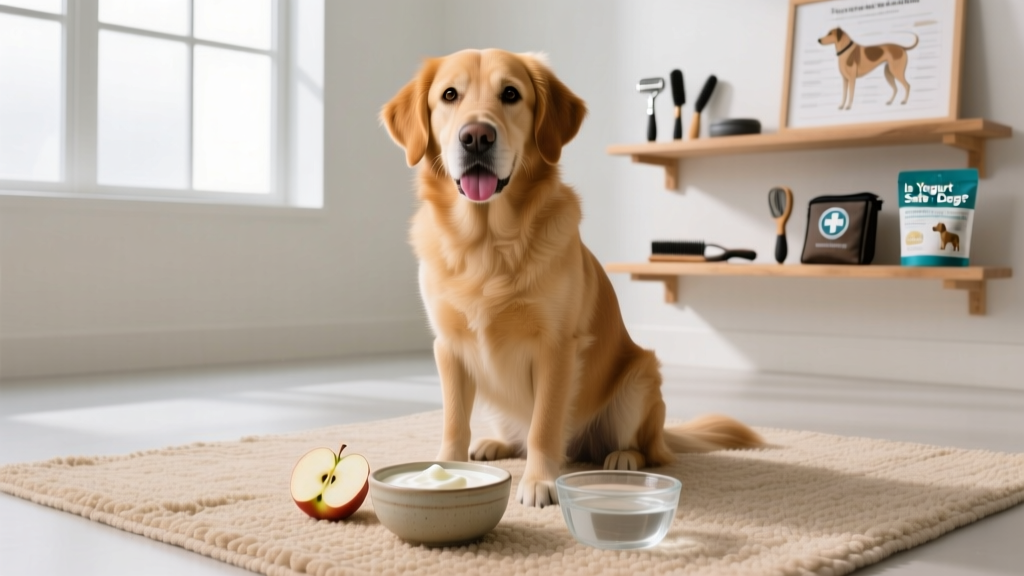
Plain, unsweetened yogurt is safe for most adult dogs in small portions. However, many dogs are lactose intolerant, and certain yogurt varieties (flavored, sweetened, or containing artificial sweeteners like xylitol) are dangerous or toxic. Always choose plain yogurt with live active cultures and introduce it gradually. Dogs with dairy sensitivities, pancreatitis, or obesity should avoid it entirely.
If you've ever spooned a dollop of yogurt onto your dog's kibble and wondered whether you were helping or hurting, you're not alone. The question is yogurt safe for dogs comes up constantly in clinics and online forums — and the answer isn't a simple yes or no. It depends on the type of yogurt, your dog's size, their digestive tolerance, and any underlying health conditions.
According to the American Kennel Club, plain yogurt can be a healthy occasional treat for dogs, but the key word is plain. Flavored yogurts often contain added sugars, artificial sweeteners, or fruit preparations that range from unnecessary calories to outright toxic. Xylitol (sometimes listed as birch sugar), a common sweetener in "light" or "sugar-free" yogurts, is acutely toxic to dogs and can cause life-threatening hypoglycemia within 10–60 minutes of ingestion.
Before you reach for that cup, here's everything you need to know — from exact serving sizes to the specific dogs who should never touch dairy.
How Much Yogurt Can I Give My Dog?
Portion control matters enormously with yogurt. Even plain varieties contain lactose and fat, and overfeeding can trigger gastrointestinal distress or contribute to pancreatitis in susceptible dogs. Treats of any kind — yogurt included — should make up no more than 10% of your dog's daily caloric intake, per Merck Veterinary Manual guidelines.
Here are specific serving sizes based on your dog's weight class. These assume plain, unsweetened, full-fat or low-fat yogurt (not non-fat, which often contains added thickeners and sugars):
| Dog Weight | Serving Size | Frequency | Approx. Calories |
|---|---|---|---|
| Toy/Small (5–20 lb / 2–9 kg) | 1 teaspoon to 1 tablespoon | 2–3 times per week max | 5–15 kcal |
| Medium (21–50 lb / 10–23 kg) | 1–2 tablespoons | 2–3 times per week max | 15–30 kcal |
| Large (51–90 lb / 24–41 kg) | 2–3 tablespoons | 3–4 times per week max | 30–45 kcal |
| Giant (91+ lb / 41+ kg) | 3–4 tablespoons (up to ¼ cup) | 3–4 times per week max | 45–60 kcal |
Practical tip: For a 30 lb (14 kg) Cocker Spaniel, that means roughly 1.5 tablespoons of plain yogurt, two or three times a week — not every day. If your dog is on a weight management plan, subtract those calories from their daily kibble allotment.
Is Yogurt Good for Dogs Nutritionally?
Plain yogurt does carry genuine nutritional value for dogs, though it's important to frame it as a supplemental treat, not a dietary staple. Here's what a standard 100-gram serving of plain, whole-milk yogurt provides (USDA data):
| Nutrient | Amount | Relevance for Dogs |
|---|---|---|
| Protein | 3.5 g | Supports muscle maintenance; modest contribution |
| Calcium | 121 mg | Bone and dental health; beneficial for growing dogs (but see age restrictions below) |
| Phosphorus | 95 mg | Works with calcium for skeletal health |
| Potassium | 155 mg | Electrolyte balance, nerve and muscle function |
| Vitamin B12 | 0.75 µg | Red blood cell formation, nervous system support |
| Riboflavin (B2) | 0.14 mg | Energy metabolism, skin/coat health |
| Probiotics (live cultures) | Varies by brand | May support gut microbiome balance — but canine-specific probiotics are more effective |
| Fat | 3.3 g | Energy-dense; can contribute to weight gain or pancreatitis if overfed |
| Lactose | 4.7 g | Many adult dogs lack sufficient lactase enzyme to digest this comfortably |
The probiotic benefit deserves a closer look. Yogurt contains Lactobacillus and Streptococcus thermophilus cultures, which are beneficial for human digestion. However, canine gut flora differs significantly from ours. While these cultures aren't harmful, they may not colonize a dog's gut as effectively as canine-specific strains like Enterococcus faecium SF68 (found in veterinary probiotics such as Purina FortiFlora or Proviable). If your dog needs probiotic support for a GI issue, your vet will likely recommend a species-specific product rather than yogurt.
That said, for a healthy dog who tolerates dairy, the calcium and protein in yogurt are a genuine bonus — especially when used as a high-value treat for training sessions or to hide medications.
How Should I Prepare Yogurt for My Dog?
Not all yogurt is created equal, and choosing the wrong type is where most owners run into trouble. Follow these preparation rules:
- Choose plain, unsweetened yogurt. The ingredient list should read: milk, live active cultures. Nothing else.
- Avoid Greek yogurt for routine feeding. While Greek yogurt has more protein and less lactose (the straining process removes some lactose), it's also more concentrated in fat. Small amounts are fine, but don't assume "more protein = better" for dogs.
- Never feed yogurt with xylitol (birch sugar). Check every label, every time. Xylitol causes rapid insulin release in dogs, leading to hypoglycemia, seizures, and liver failure. Even 0.1 g/kg can be toxic.
- Skip flavored varieties. Vanilla, strawberry, and fruit-on-the-bottom yogurts contain added sugars (typically 12–20 g per serving) that dogs don't need and can't process well.
- Serve at room temperature or chilled. Don't heat yogurt — high temperatures destroy the probiotic cultures.
- Start with a pea-sized amount on the first day and monitor your dog for 24–48 hours before offering a full serving.
- Use as a food topper or treat. Spoon it over kibble, freeze it in a Kong toy, or offer it from a spoon. Don't replace any portion of their balanced diet with yogurt.
What Happens if My Dog Eats Too Much Yogurt?
The consequences of overfeeding yogurt range from mildly uncomfortable to genuinely serious, depending on the quantity consumed and your dog's individual tolerance.
Mild to Moderate Reactions (Most Common)
- Diarrhea or loose stools — typically within 6–12 hours of ingestion, caused by lactose fermentation in the colon
- Flatulence and bloating — excess gas from undigested lactose; uncomfortable but usually self-resolving within 24 hours
- Vomiting — especially in small dogs who consumed a large relative dose of fat and lactose
- Decreased appetite — a dog with an upset stomach may skip their next meal
Serious Reactions (Require Veterinary Attention)
- Pancreatitis flare — the fat content in whole-milk yogurt can trigger pancreatic inflammation in predisposed breeds (Miniature Schnauzers, Cocker Spaniels, Yorkshire Terriers). Symptoms include severe abdominal pain, repeated vomiting, lethargy, and a hunched posture. This is a medical emergency.
- Xylitol poisoning — if the yogurt contained xylitol, symptoms include vomiting, weakness, collapse, seizures, and jaundice. Onset can be as fast as 10 minutes. This is always an emergency.
- Allergic reaction — rare but possible. Signs include facial swelling, hives, intense itching, or difficulty breathing. Anaphylaxis in dogs is uncommon but can occur.
- Your dog consumed yogurt containing xylitol — call immediately, even if they seem fine
- Repeated vomiting (3+ episodes in 24 hours)
- Bloody diarrhea or black, tarry stools
- Lethargy lasting more than 12 hours
- Abdominal distension or obvious pain (whining when touched, hunched posture, restlessness)
- Facial swelling or difficulty breathing
- Seizures or collapse
ASPCA Animal Poison Control: (888) 426-4435 (24/7, consultation fee applies)
Pet Poison Helpline: (855) 764-7661
Which Dogs Should NOT Eat Yogurt?
Yogurt is not appropriate for every dog. The following groups should avoid it entirely or only receive it under direct veterinary guidance:
| Dog Category | Why Yogurt Is Risky |
|---|---|
| Puppies under 12 weeks | Their digestive systems are still developing. Introducing dairy outside of mother's milk or puppy formula can cause severe diarrhea, leading to dehydration — a serious risk in young puppies. |
| Dogs with known lactose intolerance | An estimated 50% or more of adult dogs have reduced lactase production. If your dog has shown GI upset from cheese or milk before, yogurt will likely cause the same problem. |
| Dogs with pancreatitis (current or history) | The fat in yogurt — even "low-fat" varieties — can trigger a pancreatitis flare. These dogs need strictly low-fat diets. |
| Obese dogs or those on weight-loss plans | Calorie-dense treats hinder weight management. Opt for lower-calorie alternatives like green beans or carrot sticks. |
| Dogs with inflammatory bowel disease (IBD) | Dairy proteins can be inflammatory triggers for dogs with IBD or food-sensitive enteropathy. Your vet may recommend a novel-protein or hydrolyzed diet instead. |
| Senior dogs with kidney disease | The phosphorus content in yogurt (95 mg per 100g) can be problematic for dogs with compromised renal function who need phosphorus-restricted diets. |
If your dog falls into any of these categories and you're considering yogurt for a specific reason (hiding a pill, adding calories to a picky eater), consult your veterinarian first. They may suggest safer alternatives tailored to your dog's condition.
Similar Foods to Avoid
Understanding the broader dairy and fermented-food landscape helps you make safer choices:
- Ice cream: High in sugar, fat, and often contains xylitol, chocolate, raisins, or macadamia nuts — all toxic or harmful to dogs. Even plain ice cream delivers far more lactose and sugar per serving than yogurt.
- Frozen yogurt ("froyo"): Often loaded with sugar, artificial sweeteners, and toppings like chocolate chips or candy. The self-serve dispensing also makes portion control nearly impossible.
- Flavored or sweetened yogurt: As noted, these can contain 12–20 g of added sugar per serving, plus potential xylitol. The sugar content alone makes them inappropriate for dogs.
- Yogurt-covered raisins: Raisins and grapes are highly toxic to dogs and can cause acute kidney failure. Even one yogurt-covered raisin is too many — never feed these.
- Sour cream: Higher fat content than yogurt with similar lactose levels. Not toxic, but more likely to cause GI upset and pancreatitis risk per serving.
- Kefir: Some dog owners ask about kefir as a probiotic source. While plain, unsweetened kefir is generally safe in small amounts and actually contains less lactose than yogurt (the fermentation process breaks more of it down), it's still dairy-based and should follow the same serving guidelines.
How to Introduce Yogurt Safely: A Step-by-Step Plan
If your dog has never had yogurt and doesn't fall into any of the exclusion categories above, follow this gradual introduction protocol:
Offer a pea-sized amount of plain, unsweetened yogurt on your finger or a spoon. Observe your dog for the next 24 hours. Watch for: vomiting, diarrhea, excessive gas, itching, or behavioral changes.
Day 2–3 — Small ServingIf no adverse reactions occurred, offer half the recommended serving for your dog's weight class (see table above). Continue monitoring stools and appetite for 48 hours.
Day 4–7 — Full ServingIf stools remain firm and your dog shows no discomfort, you can offer the full recommended serving. Feed no more than the frequency listed (2–4 times per week depending on weight).
Ongoing — Maintain and ObserveTolerance can change over time. A dog who handled yogurt fine at age 3 may develop lactose sensitivity at age 7. If you notice any GI changes, discontinue feeding and consult your vet.
Frequently Asked Questions
Can dogs eat Greek yogurt?
Yes, plain unsweetened Greek yogurt is safe in the same serving sizes listed above. Greek yogurt has more protein and less lactose than regular yogurt due to the straining process, which some dogs tolerate better. However, it's also more calorie-dense and higher in fat per tablespoon, so don't increase the portion size just because it's Greek.
Is non-fat yogurt better for dogs?
Not necessarily. Many non-fat yogurts compensate for lost flavor with added sugars, artificial sweeteners, or thickening agents like carrageenan. If you choose low-fat or non-fat, read the label carefully — the ingredient list should still be just milk and live cultures. Full-fat plain yogurt in a small portion is often a better choice than a larger portion of a non-fat product loaded with additives.
Can I use yogurt to hide my dog's medication?
Yogurt works well as a pill-hiding medium for dogs who tolerate dairy. Wrap the pill in a small dollop (about 1 teaspoon) and offer it as a treat. However, check with your pharmacist or vet first — some medications should not be taken with calcium-rich foods, as calcium can interfere with absorption of certain antibiotics (like tetracyclines) and thyroid medications.
Can puppies eat yogurt?
Puppies under 12 weeks old should not eat yogurt. Their digestive systems are adapted to their mother's milk or a veterinary-formulated puppy milk replacer. After 12 weeks, a tiny amount (pea-sized) can be introduced cautiously, but it's not nutritionally necessary — a complete-and-balanced puppy food already provides all the calcium and protein they need.
How long does yogurt last once opened, and is expired yogurt dangerous for dogs?
Opened yogurt typically lasts 7–10 days in the refrigerator. Don't feed your dog expired yogurt — the same spoilage bacteria that affect humans (Listeria, E. coli) can sicken dogs too. Dogs are not immune to foodborne illness, despite the popular myth about their "stronger stomach acid." If you wouldn't eat it, don't feed it to your dog.
My dog ate a whole container of flavored yogurt — what should I do?
First, check the ingredient label immediately for xylitol (birch sugar). If xylitol is listed, call the ASPCA Animal Poison Control at (888) 426-4435 or your emergency vet right away. If there's no xylitol, your dog will likely experience diarrhea and gas from the sugar and lactose overload. Offer plenty of fresh water, withhold food for 12 hours (but not water), and feed a bland diet (boiled chicken and white rice) for the next 1–2 meals. If vomiting is severe, bloody, or persists beyond 24 hours, see your vet.
This article provides general nutritional guidance and is not a substitute for professional veterinary advice. Always consult your veterinarian before introducing new foods to your dog's diet, especially if your dog has existing health conditions or is on medication.
Aaron Whyte
All our authors care for dogs every day — read more of their work on the authors page.