Is Vinegar Bad for Dogs? Safety, Benefits, and Feeding Guide
Is vinegar bad for dogs? Learn which types are safe, exact serving sizes by weight, nutritional benefits, risks, and when to call the vet.
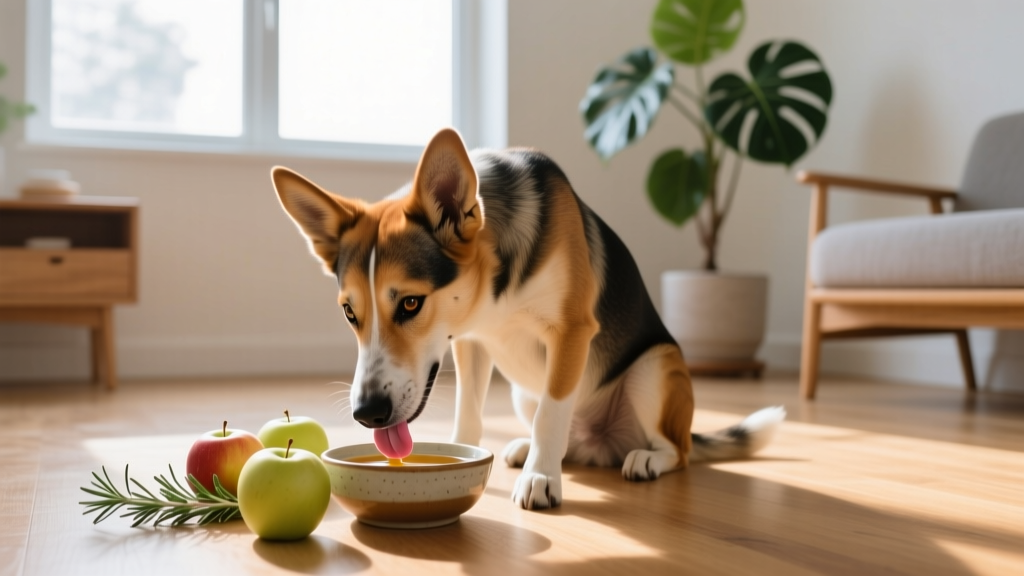
Plain, unseasoned apple cider vinegar (ACV) and distilled white vinegar are not toxic to dogs in small, properly diluted amounts. However, vinegar is highly acidic (pH 2–3), and feeding it undiluted or in large quantities can cause gastrointestinal upset, tooth enamel erosion, and throat irritation. Balsamic vinegar, wine vinegar, and flavored vinegars containing garlic, onion, or xylitol are unsafe and should never be given to dogs.
If you've searched "is vinegar bad for dogs" after catching your pup licking a spilled salad dressing, here's the quick reassurance: a small lick of plain vinegar won't send you racing to the emergency clinic. But as a deliberate supplement or food topper, vinegar requires careful portioning, proper dilution, and an understanding of which types are actually safe for canine consumption.
In this guide, we'll break down exactly how much vinegar is safe by your dog's weight, which types to choose (and which to avoid), the evidence behind commonly claimed health benefits, and the red flags that mean it's time to call your veterinarian.
Can Dogs Eat Vinegar? Breaking Down the Types
Not all vinegars are created equal — especially when it comes to canine safety. The production method, base ingredient, and any added flavorings determine whether a vinegar is safe, risky, or outright dangerous for your dog.
| Vinegar Type | Safe for Dogs? | Notes |
|---|---|---|
| Apple Cider Vinegar (raw, unfiltered) | ✅ Yes, diluted | Most commonly recommended; contains trace minerals and "the mother" (beneficial bacteria) |
| Distilled White Vinegar | ✅ Yes, diluted | Safe but nutritionally minimal; very acidic (pH ~2.4) |
| Rice Vinegar (plain, unseasoned) | ✅ Yes, diluted | Milder acidity (pH ~3.0); check label for added sugar or salt |
| Balsamic Vinegar | ❌ No | Often contains added sugar, sulfites, and sometimes grape must — grapes/raisins are toxic to dogs |
| Red/White Wine Vinegar | ❌ No | May contain residual alcohol and sulfites |
| Malt Vinegar | ⚠️ Caution | Contains gluten; avoid for dogs with grain sensitivities |
| Flavored/Infused Vinegars | ❌ No | Often contain garlic, onion, chives, or xylitol — all toxic to dogs |
The safest options are raw, unfiltered apple cider vinegar (with "the mother") and plain distilled white vinegar. Always read the ingredient label — even seemingly plain vinegars can contain added seasonings or preservatives that are harmful to dogs.
How Much Vinegar Can I Give My Dog? Serving Sizes by Weight
The most common mistake dog owners make with vinegar is overestimating the safe dose. Vinegar's acetic acid content (typically 4–7% in commercial products) is potent enough to irritate a dog's gastrointestinal lining even at moderate volumes. Here are evidence-informed serving guidelines based on body weight:
| Dog Weight Class | Weight Range | Max Serving (Diluted) | Frequency |
|---|---|---|---|
| Toy/Small | Under 15 lb (7 kg) | ¼ teaspoon (1.25 mL) in water | Once daily max |
| Medium | 15–50 lb (7–23 kg) | ½ teaspoon (2.5 mL) in water | Once daily max |
| Large | 50–90 lb (23–41 kg) | 1 teaspoon (5 mL) in water | Once daily max |
| Giant | Over 90 lb (41+ kg) | 1½ teaspoons (7.5 mL) in water | Once daily max |
Dilution is non-negotiable. Mix the vinegar into at least 4–8 ounces (120–240 mL) of fresh water, or drizzle it over wet food. Never give your dog straight, undiluted vinegar — the acid concentration can burn the esophagus and damage tooth enamel on contact.
According to the Merck Veterinary Manual, the canine stomach is already highly acidic (pH 1–2 during active digestion). Adding concentrated acid on top of that can overwhelm the stomach's protective mucous barrier, leading to gastritis or ulceration in sensitive dogs.
Is Vinegar Good for Dogs Nutritionally?
Apple cider vinegar is often marketed as a canine superfood, but the actual nutritional profile is modest. Here's what one tablespoon (15 mL) of raw ACV contains, based on USDA FoodData Central values:
| Nutrient | Amount per 1 Tbsp (15 mL) | Relevance to Dogs |
|---|---|---|
| Calories | ~3 kcal | Negligible |
| Potassium | 11 mg | Trace — dogs need 1,500–3,000 mg/day depending on size |
| Calcium | 1 mg | Trace — irrelevant compared to dietary needs |
| Iron | 0.03 mg | Trace |
| Acetic Acid | ~750–1,050 mg | Active compound; antimicrobial properties but also GI irritant |
| Probiotics ("the mother") | Variable/unquantified | May support gut flora, but survival through stomach acid is uncertain |
The honest assessment: Vinegar is not a meaningful source of vitamins or minerals for dogs. The amounts of potassium, calcium, and iron are so small that your dog would need to consume dangerous volumes of vinegar to meet even 1% of their daily requirements.
The more plausible (though still under-researched) benefits relate to acetic acid's antimicrobial properties and the potential for raw ACV's probiotic cultures to support gut health. A 2018 study published in the Journal of Animal Science found that organic acid supplementation could modestly influence gut microbiota composition in dogs, but the study used controlled, feed-grade acid blends — not kitchen vinegar.
Commonly Claimed Benefits vs. Evidence
- "Repels fleas and ticks" — No peer-reviewed evidence supports this. The AVMA recommends veterinary-approved preventives instead.
- "Cures ear infections" — Diluted ACV can alter ear canal pH, but applying it to inflamed or infected ears can worsen pain and tissue damage. Always see your vet for ear infections.
- "Aids digestion" — Anecdotal support exists, but no controlled canine studies confirm this. In dogs with acid reflux or sensitive stomachs, vinegar may actually worsen symptoms.
- "Supports urinary tract health" — While acidifying urine can help prevent certain types of struvite crystals, it can promote calcium oxalate stone formation in other dogs. Never use vinegar for UTI management without veterinary guidance.
How to Prepare Vinegar for Your Dog
Step 1: Choose the right product. Select raw, unfiltered apple cider vinegar with "the mother" (brands like Bragg's or Spectrum Naturals). Alternatively, plain distilled white vinegar is acceptable. Check the label: the only ingredients should be vinegar (and water). No added garlic, onion, herbs, sweeteners, or xylitol.
Step 2: Dilute properly. Mix the weight-appropriate dose into 4–8 oz of fresh drinking water, or stir it into a portion of wet food. The dilution ratio should be approximately 1 part vinegar to 50–100 parts water/food.
Step 3: Introduce gradually. Start with half the recommended serving for your dog's weight class. For a 30 lb dog, that means beginning with ¼ teaspoon diluted in water. Monitor for 24–48 hours before increasing to the full dose.
Step 4: Observe and adjust. Watch for signs of GI upset (vomiting, diarrhea, excessive drooling, lip licking). If any occur, discontinue immediately. If your dog tolerates it well, you can continue at the recommended serving, but there's no benefit to exceeding it.
Step 5: Protect teeth. If adding vinegar to water, offer a separate bowl of plain water so your dog can rinse their mouth. Prolonged acid exposure erodes canine tooth enamel just as it does in humans.
What Happens If My Dog Eats Too Much Vinegar?
Accidental overconsumption — say your dog knocked over and lapped up a puddle of spilled vinegar — usually results in self-limiting gastrointestinal distress. Here's what to expect and how to respond:
Mild Overconsumption (2–3× the Recommended Dose)
- Excessive drooling or lip smacking
- Mild vomiting (1–2 episodes)
- Loose stool or soft diarrhea within 6–12 hours
- Decreased appetite for one meal
Action: Withhold food for 4–6 hours, offer small amounts of plain water frequently, and monitor. Most dogs recover within 12–24 hours.
Significant Overconsumption (Large Volume Ingested)
- Repeated or projectile vomiting
- Blood in vomit or stool (indicates mucosal damage)
- Lethargy or weakness
- Signs of abdominal pain (hunched posture, whining when touched)
- Excessive thirst followed by refusal to drink
- Your dog vomits more than 3 times within 6 hours
- You see blood in vomit or stool
- Your dog shows signs of abdominal pain or distension
- Your dog becomes lethargic, collapses, or has pale gums
- A small dog (under 15 lb) or puppy ingested a significant amount — they are at higher risk for dehydration and metabolic acidosis
For after-hours emergencies or if you're unsure about toxicity, contact ASPCA Animal Poison Control: (888) 426-4435 (24/7, consultation fee applies) or the Pet Poison Helpline: (855) 764-7661.
Dogs Who Should Never Have Vinegar
Even properly diluted vinegar isn't appropriate for every dog. Skip it entirely if your dog falls into any of these categories:
| Condition/Situation | Why Vinegar Is Risky |
|---|---|
| Puppies under 12 months | Developing GI tract and enamel are more susceptible to acid damage |
| Chronic kidney disease (CKD) | Acid load can worsen metabolic acidosis, a common CKD complication |
| History of calcium oxalate bladder stones | Urine acidification promotes oxalate crystal formation |
| Gastroesophageal reflux (GERD) or chronic gastritis | Added acid exacerbates mucosal irritation |
| Dental disease or enamel wear | Acid accelerates enamel erosion on already compromised teeth |
| Dogs on potassium-wasting diuretics (e.g., furosemide) | Theoretical interaction — consult your veterinarian |
| Senior dogs (over 10 years) with multiple comorbidities | Reduced physiological reserve makes acid-related complications more likely |
Always consult your veterinarian before adding vinegar or any supplement to your dog's diet, especially if your dog is on medication or has a diagnosed health condition. Your vet can assess whether the risks outweigh any potential benefits for your individual dog.
Related Foods and Ingredients to Avoid
Many foods commonly paired with vinegar in human cooking are independently toxic to dogs. If your dog got into a vinaigrette or pickled food, the vinegar may be the least of your concerns:
- Garlic and onions — Found in most salad dressings and marinades. Even small amounts cause oxidative damage to red blood cells, leading to hemolytic anemia. Toxic dose: approximately 15–30 g/kg body weight of onion, or roughly 1 clove of garlic per 20 lb of body weight.
- Grapes and raisins — Balsamic vinegar may contain grape derivatives. Grapes and raisins cause acute kidney injury in dogs at unpredictable doses. See the ASPCA's grape toxicity guide.
- Xylitol — Some "sugar-free" or "light" vinegar-based dressings use xylitol as a sweetener. Xylitol triggers rapid insulin release in dogs, causing life-threatening hypoglycemia within 30 minutes.
- Mustard — Often combined with vinegar in condiments. Mustard seeds and prepared mustard can cause GI irritation and, in larger amounts, more serious toxicity.
- Pickled foods — Pickles combine vinegar with high sodium, and often garlic, dill, and spices. The sodium content alone can cause excessive thirst, sodium ion poisoning in small dogs, or worsen heart/kidney conditions.
Frequently Asked Questions
Can I put apple cider vinegar in my dog's water bowl?
You can add the weight-appropriate dose (see serving table above) to your dog's water bowl, but always provide a second bowl of plain, unflavored water alongside it. Some dogs will refuse to drink vinegared water, which risks dehydration — a far more serious concern than any potential benefit from the vinegar. A better approach is mixing it into wet food where the taste is masked.
Does vinegar help with dog skin allergies or itchy skin?
A diluted ACV rinse (1 part ACV to 3 parts water) applied topically to intact skin may temporarily relieve mild itchiness by restoring skin surface pH. However, never apply vinegar to open wounds, hot spots, raw skin, or broken skin — the acid will cause significant pain and delay healing. For persistent skin allergies, your veterinarian can identify the underlying cause (environmental, food, parasitic) and recommend proven treatments.
Can vinegar kill worms in dogs?
No. There is no scientific evidence that vinegar has any anthelmintic (deworming) effect in dogs. If you suspect your dog has intestinal parasites — signs include scooting, visible worms in stool, pot-bellied appearance, or chronic diarrhea — see your veterinarian for a fecal flotation test and prescription dewormer. Relying on vinegar for parasite control puts your dog at risk for worsening infection and potential zoonotic transmission to your family.
Is it safe to clean my dog's ears with vinegar?
A very dilute solution (1 part white vinegar to 2 parts water) is sometimes used as an ear-cleaning rinse for dogs with waxy buildup but no active infection. However, if your dog's ears are red, inflamed, smelly, or painful, vinegar will cause burning and worsen the condition. Use a veterinary-formulated ear cleaner instead, and have your vet examine the ears first to rule out bacterial or yeast infections.
What's the difference between apple cider vinegar and white vinegar for dogs?
Nutritionally, the difference is minimal. Raw ACV contains trace amounts of minerals and probiotic cultures from "the mother," while distilled white vinegar is essentially pure acetic acid and water. White vinegar tends to be slightly more acidic (pH ~2.4 vs. ACV's pH ~3.0), making ACV marginally gentler on the stomach. Both are safe when properly diluted; neither is a significant nutritional supplement.
How long does it take to see if vinegar upsets my dog's stomach?
Gastrointestinal symptoms from vinegar typically appear within 2–6 hours of ingestion. Vomiting may occur within 30–60 minutes if the vinegar was undiluted or the dose was too high. Diarrhea, if it develops, usually shows up within 6–12 hours. Monitor your dog closely for the first 24 hours after introducing vinegar, and discontinue use if any symptoms appear.
Dr. Hannah Wickes
All our authors care for dogs every day — read more of their work on the authors page.


