Is Taste of the Wild Good Dog Food? An Honest Nutrition Breakdown
Is Taste of the Wild good dog food? We analyze its protein, fat, calories, ingredient quality, recalls, and compare it to top alternatives for every life stage.
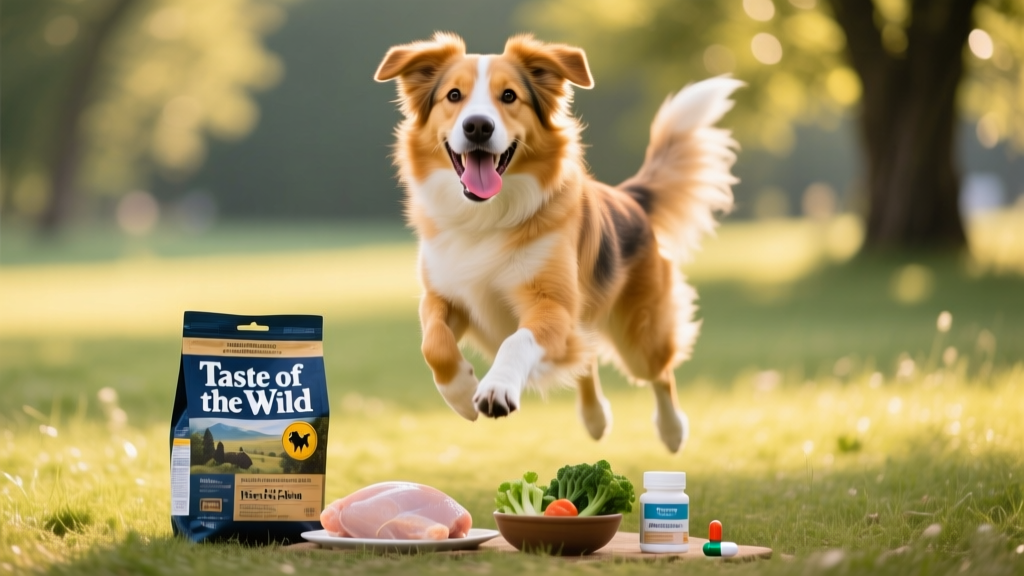
Is Taste of the Wild Good Dog Food? The Quick Verdict
If you've been scrolling the pet food aisle wondering is Taste of the Wild good dog food, you're not alone. It's one of the most-searched grain-free brands in the U.S., with a devoted following and a handful of controversies. Here's the short answer: Taste of the Wild is a nutritionally adequate, mid-premium kibble that meets AAFCO standards for most healthy adult dogs, but it isn't the right choice for every dog — particularly those with specific health conditions or owners concerned about the FDA's grain-free/DCM investigation.
Let's break down exactly what's in the bag, how it stacks up against competitors, and how to decide whether it belongs in your dog's bowl.
Nutritional Profile: What's Actually in Taste of the Wild?
Understanding whether any food is "good" starts with the guaranteed analysis and ingredient deck. Taste of the Wild offers roughly 15 dry kibble formulas and 10+ wet food recipes. Here's how the most popular dry formulas break down on a dry-matter basis (DMB), which removes moisture to give you an honest comparison:
| Formula | Protein (DMB) | Fat (DMB) | Fiber (DMB) | Cal/kcal per cup | AAFCO Life Stage |
|---|---|---|---|---|---|
| High Prairie (Bison & Roasted Venison) | 36% | 20% | 4.5% | 370 | All Life Stages |
| Pacific Stream (Salmon) | 36% | 20% | 4.5% | 360 | All Life Stages |
| Sierra Mountain (Lamb) | 33% | 18% | 5.5% | 343 | All Life Stages |
| Appalachian Valley (Venison & Garbanzo Beans) | 35% | 20% | 5% | 375 | All Life Stages |
| Wetlands (Duck & Poultry) | 36% | 20% | 4.5% | 375 | All Life Stages |
| Piney Mountain (Wild Boar) | 33% | 18% | 4% | 360 | Adult Maintenance |
| Puppy Formula (High Prairie Puppy) | 31% | 17% | 5% | 380 | Growth (incl. large breed) |
Ingredient Analysis: The Good and the Concerning
- Buffalo — Named animal protein source. High quality, but ~70% moisture before cooking.
- Lamb meal — Concentrated protein (moisture removed). Excellent ingredient.
- Sweet potatoes — Digestible carbohydrate, but high glycemic index.
- Peas — Plant protein contributor; also implicated in FDA DCM investigation.
- Potatoes — Starch source; low nutritional value for dogs beyond calories.
- Canola oil — Fat source; provides omega-6, but less ideal than animal fats or fish oil.
- Roasted bison — Flavor/novelty ingredient; minimal nutritional contribution at this position.
- Roasted venison — Same as above.
- Beef liver — Nutrient-dense organ meat. Good inclusion.
- Natural flavor — Vague term; typically hydrolyzed protein used for palatability.
Key observation: While the first two ingredients are animal-based, peas and potatoes appear high in the list, contributing plant-based protein that inflates the total protein number. A food with 36% protein sounds impressive, but if 8-10% of that comes from legumes, the actual animal-protein percentage is closer to 26-28% — still adequate, but not as premium as the marketing implies.
What to Look for on Any Dog Food Label
Whether you're evaluating Taste of the Wild or comparing alternatives, here are the non-negotiable label checkpoints recommended by veterinary nutritionists:
- AAFCO statement of nutritional adequacy — Must specify the life stage (growth, adult maintenance, all life stages). Prefer foods tested via feeding trials over those only formulated to meet profiles.
- Named animal protein in the first 3 ingredients — "Chicken," "salmon meal," "lamb." Avoid unnamed sources like "meat meal" or "animal by-products."
- Guaranteed analysis with minimum protein and fat, maximum fiber and moisture — Compare on a dry-matter basis for accuracy.
- Calorie content statement — Listed as kcal/kg and kcal/cup. Essential for portion control.
- Contact information for the manufacturer — Reputable brands provide a phone number and address, not just a website.
- WSAVA (World Small Animal Veterinary Association) compliance — Brands that employ full-time veterinary nutritionists and conduct peer-reviewed research score higher. Taste of the Wild is manufactured by Diamond Pet Foods, which does not meet all WSAVA guidelines.
The FDA Grain-Free and DCM Investigation: What You Need to Know
No honest review of Taste of the Wild can skip this. In 2018, the FDA began investigating a potential link between grain-free diets — specifically those high in peas, lentils, chickpeas, and potatoes — and dilated cardiomyopathy (DCM), a serious heart condition in dogs not typically predisposed to it.
Taste of the Wild appeared on the FDA's list of brands most frequently named in DCM reports submitted to the agency between 2014 and 2019. Important context:
- Correlation is not causation. The FDA has not confirmed that grain-free diets cause DCM. The investigation remains ongoing as of 2026.
- Breed predisposition matters. Doberman Pinschers, Great Danes, Boxers, and Cocker Spaniels are genetically predisposed to DCM regardless of diet. Golden Retrievers showed a notable diet-responsive pattern in reported cases.
- Taurine deficiency may play a role. Some grain-free diets have been associated with low taurine levels, though the mechanism isn't fully understood.
- If your dog is a breed at risk for DCM, consult your veterinarian before feeding any grain-free diet, including Taste of the Wild. Your vet may recommend a cardiac screening or echocardiogram and taurine blood levels.
Life Stage Nutrition: Matching Food to Your Dog's Needs
The question "is Taste of the Wild good dog food" gets a different answer depending on your dog's life stage and health status. Here's how to think about nutritional requirements across conditions:
Nutritional Requirements by Life Stage and Condition
| Life Stage / Condition | Protein | Fat | Calories/Day (50 lb dog) | Key Considerations |
|---|---|---|---|---|
| Puppy (small breed, <50 lb adult) | ≥28% | ≥17% | 800-1,200 kcal | Higher calcium:phosphorus ratio (1.1:1 to 1.5:1); DHA for brain development |
| Puppy (large breed, ≥70 lb adult) | 26-30% | 14-17% | 1,200-2,000 kcal | Controlled calcium (≤4.5g/1000 kcal); slow growth rate critical for joint health |
| Adult (moderate activity) | ≥22% | ≥12% | 900-1,100 kcal | AAFCO minimums; adjust based on body condition score |
| Active / Working dog | 28-36% | 20-28% | 1,400-2,500 kcal | Higher caloric density; omega-3 for joint and recovery support |
| Senior (7+ years) | 24-30% | 10-15% | 700-900 kcal | Lower phosphorus for kidney support; joint supplements (glucosamine/MSM) |
| Weight management | ≥28% | 8-12% | 600-800 kcal | High protein preserves lean mass; high fiber for satiety |
| Food allergies / sensitivities | 24-30% | 14-18% | Varies | Novel or hydrolyzed protein; limited ingredients; 8-12 week elimination trial |
| Kidney disease (CKD) | 14-18% | 15-22% | Varies | Restricted phosphorus (<250mg/100kcal); high-quality protein; omega-3 supplementation |
Where Taste of the Wild fits: Most formulas meet or exceed adult maintenance requirements. The puppy formula is AAFCO-approved for growth including large breeds, which is a positive. However, for senior dogs needing phosphorus restriction, working dogs needing ultra-high caloric density, or dogs with diagnosed kidney disease, Taste of the Wild doesn't offer a purpose-built therapeutic formula — you'd need a veterinary diet from brands like Hill's, Royal Canin, or Purina Pro Plan Veterinary Diets.
How Much Should You Feed Your Dog?
Bag feeding guides are starting points, not prescriptions. Actual caloric needs vary by metabolism, activity, age, and whether your dog is spayed/neutered (altered dogs typically need 10-15% fewer calories). Here's a more precise framework:
Resting Energy Requirement (RER) and Daily Calorie Calculation
Veterinary nutritionists use this formula:
RER = 70 × (body weight in kg)^0.75
Then multiply by a factor:
| Dog Weight | RER (kcal) | Intact Adult (×1.8) | Neutered Adult (×1.6) | Weight Loss (×1.0) | Active/Working (×2.5-3.0) |
|---|---|---|---|---|---|
| 10 lb / 4.5 kg | 197 | 355 kcal | 315 kcal | 197 kcal | 493-591 kcal |
| 25 lb / 11.3 kg | 370 | 666 kcal | 592 kcal | 370 kcal | 925-1,110 kcal |
| 50 lb / 22.7 kg | 614 | 1,105 kcal | 982 kcal | 614 kcal | 1,535-1,842 kcal |
| 75 lb / 34 kg | 829 | 1,492 kcal | 1,326 kcal | 829 kcal | 2,073-2,487 kcal |
| 100 lb / 45.4 kg | 1,022 | 1,840 kcal | 1,635 kcal | 1,022 kcal | 2,555-3,066 kcal |
Applying this to Taste of the Wild High Prairie (370 kcal/cup): A 50 lb neutered adult dog needs roughly 982 kcal/day, which equals about 2.65 cups per day, split into two meals. Adjust up or down 10-15% based on body condition score changes over 2-3 weeks.
Body Condition Score: The Visual Check That Matters More Than the Scoop
- BCS 1-3 (Underweight): Ribs, spine, and hip bones easily visible. Severe waist. Increase calories 15-20%.
- BCS 4-5 (Ideal): Ribs easily felt without fat covering. Waist visible from above. Abdominal tuck present. Maintain current feeding.
- BCS 6-7 (Overweight): Ribs palpable with moderate fat covering. Waist barely visible. Reduce calories 10-15%.
- BCS 8-9 (Obese): Ribs difficult to feel under heavy fat. No waist. Pendulous abdomen. Veterinary-supervised weight loss plan recommended.
According to the AVMA, an estimated 56% of U.S. dogs are overweight or obese. Use the BCS check monthly — it's more reliable than the number on the bag.
Top Recommended Alternatives to Taste of the Wild
If you're considering Taste of the Wild but want to compare options, here are well-regarded alternatives with specific nutritional justifications. Prices reflect 2026 average retail for 25-30 lb bags of dry kibble.
$55-$70 (35 lb bag)
Protein: 30% | Fat: 20% | 474 kcal/cup
Why: WSAVA-compliant brand with extensive feeding trial data. Excellent for active dogs. Real chicken is the first ingredient. Backed by decades of peer-reviewed research from Purina's nutrition team.
Best for: Active adults, working dogs, athletes
$65-$80 (30 lb bag)
Protein: 24% | Fat: 16% | 394 kcal/cup
Why: WSAVA-compliant. Formulated with prebiotic fiber and vitamin E for digestive and skin support. Recommended by more veterinarians than any other brand in the U.S. Includes feeding trial validation.
Best for: Dogs with mild food sensitivities, itchy skin
$60-$75 (30 lb bag)
Protein: 25% | Fat: 18% | 398 kcal/cup
Why: WSAVA-compliant. Size-specific kibble designed for medium breeds (23-55 lb). Extensive palatability testing and digestibility data. Widely used in veterinary clinics worldwide.
Best for: Medium-breed adults, picky eaters
$90-$115 (25 lb bag)
Protein: 38% | Fat: 18% | 449 kcal/cup
Why: 85% animal ingredients, including fresh and raw proteins. Higher actual animal-protein percentage than Taste of the Wild due to fewer legume-based fillers. Made by Champion Petfoods with in-house kitchens.
Best for: Owners wanting biologically-appropriate, high-protein diets
$75-$95 (26.4 lb bag)
Protein: 34% | Fat: 20% | 430 kcal/cup
Why: Italian-made with ancestral grains (spelt, oats) — avoids the legume-heavy formulation linked to the DCM investigation. Low-glycemic index. AAFCO-approved. Farmina conducts feeding trials and publishes research.
Best for: Owners wanting grain-inclusive premium food without corn/wheat/soy
$40-$52 (40 lb bag)
Protein: 26% | Fat: 14% | 352 kcal/cup
Why: Budget-friendly option from the same parent company as Taste of the Wild (Diamond Pet Foods), but grain-inclusive. Contains glucosamine and chondroitin for large-breed joint support. Adequate for healthy adults on a budget.
Best for: Budget-conscious large-breed owners
What Taste of the Wild Does Well vs. Where It Falls Short
| Strengths | Weaknesses |
|---|---|
| Novel protein options (bison, venison, wild boar, salmon) — good for dogs with common protein sensitivities | High legume content (peas, lentils, chickpeas) in most formulas — DCM concern |
| Competitive price point ($50-$70 for 28 lb) vs. ultra-premium brands | Not WSAVA-compliant — no full-time veterinary nutritionist on staff reported |
| AAFCO-approved for all life stages in most recipes | No therapeutic or prescription diet options for medical conditions |
| Good palatability — most dogs readily accept it | Plant protein contributes significantly to total protein percentage |
| Contains species-specific probiotics (Lactobacillus, Bifidobacterium strains) | Recall history: 2012 salmonella recall (Diamond Pet Foods manufacturing) |
| Grain-free may benefit dogs with confirmed grain allergies (rare — <1% of food allergies in dogs are grain-based) | "Natural flavor" is vague and lacks transparency |
Ingredients to Avoid in Any Dog Food
Whether you choose Taste of the Wild or an alternative, scan the label for these red-flag ingredients:
- Unnamed meat sources: "Meat meal," "animal fat," "poultry by-product meal" — these could come from any species, including rendered animals of questionable origin.
- BHA (butylated hydroxyanisole) and BHT (butylated hydroxytoluene): Synthetic preservatives classified as potential carcinogens. Look for mixed tocopherols (vitamin E) as a safer preservative. Taste of the Wild uses mixed tocopherols — this is a positive.
- Ethoxyquin: A chemical preservative sometimes found in fish meal sub-ingredients. Not listed on all labels. Ask the manufacturer directly.
- Artificial colors (Yellow 5, Yellow 6, Red 40, Blue 2): Dogs don't care what their food looks like. These are added for owner appeal and have been linked to behavioral issues in children.
- Propylene glycol: Used to keep semi-moist food soft. Banned in cat food; allowed in dog food but unnecessary.
- Excessive legume content in first 5 ingredients: Peas, pea protein, lentils, chickpeas appearing multiple times high in the ingredient list inflate plant-protein contribution and are flagged in the FDA's DCM investigation.
- Garlic and onion powder: While small amounts are debated, these are known to cause oxidative damage to red blood cells in dogs at higher doses. Some "natural" brands include them.
Homemade and Raw Diets: What the Science Says
Some owners ask whether they can skip commercial food entirely. Here's what veterinary nutritionists want you to know:
Homemade Cooked Diets
A properly formulated homemade diet can be nutritionally complete, but the margin for error is razor-thin. A 2013 study published in the Journal of the American Veterinary Medical Association found that 95% of homemade dog food recipes found online and in books were nutritionally deficient in at least one essential nutrient.
If you want to feed homemade:
- Consult a board-certified veterinary nutritionist (DACVN or ACVN diplomate). They can formulate a recipe specific to your dog's weight, age, and health status.
- Use a service like Balance IT (developed by veterinary nutritionists at UC Davis) to generate balanced recipes with their proprietary supplement.
- Never substitute ingredients freely. Swapping chicken for beef changes the calcium:phosphorus ratio, fatty acid profile, and amino acid content. Each recipe is calibrated to specific ingredients.
- Expect to spend $150-$400/month on ingredients and supplements for a 50 lb dog, depending on protein source and your location.
Raw (BARF/Prey Model) Diets
- Pathogen exposure: Raw meat tested positive for Salmonella in 25% of samples and Listeria in 16% of samples in FDA testing. This poses risks to both dogs and humans in the household.
- Nutritional imbalance: Studies show 60-80% of raw diets are deficient in calcium, vitamin D, zinc, or iodine when analyzed.
- Zoonotic risk: Immunocompromised humans, children, and elderly household members face elevated risk from handling raw pet food and environmental contamination.
- Foreign body risk: Raw bones, especially weight-bearing bones, can fracture teeth and cause gastrointestinal obstruction or perforation.
If you choose raw despite these risks, work with a veterinary nutritionist, use a commercial raw brand that undergoes high-pressure processing (HPP) for pathogen reduction, and practice strict food safety protocols.
How to Transition Your Dog to a New Food
Sudden food switches cause gastrointestinal upset — diarrhea, vomiting, gas, and appetite loss — in up to 40% of dogs. Here's the protocol veterinary nutritionists recommend:
| Day(s) | Old Food | New Food | Notes |
|---|---|---|---|
| 1-2 | 75% | 25% | Mix thoroughly. Observe stool consistency. |
| 3-4 | 50% | 50% | If soft stool occurs, hold at this stage 1-2 extra days. |
| 5-6 | 25% | 75% | Most dogs tolerate this stage well if prior stages were smooth. |
| 7-10 | 0% | 100% | Full transition. Monitor body condition and energy over the next 2-3 weeks. |
Pro tips for a smooth transition:
- Add 1-2 tablespoons of plain canned pumpkin (not pie filling) per meal to support fiber intake and stool firmness.
- If your dog has a history of GI sensitivity, extend the transition to 14 days.
- Probiotic supplementation (e.g., Purina FortiFlora or Proviable) during transition can reduce digestive upset.
- Never transition food during stressful events (moving, boarding, post-surgery recovery).
Does Your Dog Need Supplements?
Most dogs eating a complete-and-balanced commercial diet (including Taste of the Wild) do not need additional supplements. Over-supplementing can actually cause harm — excess calcium in growing large-breed puppies contributes to developmental orthopedic disease, and excess fat-soluble vitamins (A, D, E, K) accumulate to toxic levels.
When Supplements May Be Appropriate
| Supplement | Indication | Typical Dosage | Notes |
|---|---|---|---|
| Fish oil (EPA/DHA) | Joint inflammation, skin/coat quality, cardiac support | 50-100 mg combined EPA+DHA per kg body weight daily | Choose triglyceride-form fish oil. Refrigerate after opening. Taste of the Wild contains some omega-3, but typically below therapeutic levels. |
| Glucosamine + Chondroitin + MSM | Osteoarthritis, hip dysplasia, large breed seniors | Glucosamine: 20 mg/kg; Chondroitin: 15 mg/kg daily | Requires 4-6 weeks for effect. Look for products with NASC (National Animal Supplement Council) seal. |
| Probiotics | GI upset, antibiotic recovery, stress-related diarrhea | 1-5 billion CFU daily, strain-specific | Use canine-specific strains: Enterococcus faecium SF68, Lactobacillus acidophilus. Human probiotics may not colonize effectively. |
| Taurine | DCM risk breeds on grain-free diets, confirmed deficiency | 250-500 mg twice daily for medium dogs; vet-directed | Only supplement under veterinary guidance with blood taurine level monitoring. |
| Vitamin E | Immune support, skin conditions | 2-5 IU per kg daily | Most commercial foods already meet requirements. Excess can interfere with vitamin K absorption. |
Bottom line: Consult your veterinarian before adding any supplement. They can run bloodwork to identify actual deficiencies rather than guessing based on marketing claims.
Monitoring Success: How to Know If Your Dog's Food Is Working
After switching to or confirming Taste of the Wild (or any food), give it 6-8 weeks before evaluating results. Track these four markers:
- Body Condition Score: Check monthly using the 9-point scale above. Your dog should maintain a BCS of 4-5. If they're gaining or losing despite correct portioning, adjust calories by 10% and recheck in 2 weeks.
- Coat and skin quality: A well-nourished dog has a shiny, soft coat with minimal flaking. Dull, brittle fur, excessive shedding beyond breed norms, or hot spots can signal fatty acid deficiency or food allergy.
- Energy and activity level: Appropriate energy for breed and age. Lethargy can indicate insufficient calories or underlying illness. Hyperactivity may signal excess caloric intake or inadequate exercise.
- Stool quality: Use the Purina fecal scoring system (1 = hard pellets; 7 = watery diarrhea). Ideal stool is a 2-3: firm, formed, easy to pick up, minimal residue. Consistent loose stool suggests the food doesn't agree with your dog's GI tract.
Frequently Asked Questions
Is Taste of the Wild good for dogs with allergies?
It depends on the allergen. If your dog is allergic to chicken or beef (the most common food allergens in dogs), Taste of the Wild's novel protein formulas (salmon, bison, venison, wild boar) could be appropriate as part of an elimination diet trial. However, true food allergies are rare — only about 10% of allergic skin disease in dogs is food-related, with environmental allergies (atopy) being far more common. Always confirm food allergies through a veterinary-supervised 8-12 week elimination trial, not blood or saliva allergy tests, which have low diagnostic accuracy.
Has Taste of the Wild been recalled?
Yes. In May 2012, Diamond Pet Foods (which manufactures Taste of the Wild) issued a recall due to potential Salmonella contamination. The recall affected multiple brands produced at their Gaston, South Carolina facility. Since then, Diamond has implemented enhanced testing protocols, but this history is worth considering when evaluating manufacturing quality.
Is Taste of the Wild better than Blue Buffalo?
Both are mid-premium brands with similar protein percentages and price points. Taste of the Wild tends to have fewer filler grains (both are grain-free lines), while Blue Buffalo Wilderness offers similar novel protein options. Neither brand meets full WSAVA guidelines. For a grain-inclusive comparison, Blue Buffalo Life Protection uses whole grains and may be a safer choice for dogs where DCM is a concern. Neither brand is objectively "better" — the right choice depends on your individual dog's tolerance and your risk comfort level.
Can puppies eat Taste of the Wild?
The Taste of the Wild High Prairie Puppy formula is AAFCO-approved for growth, including large-breed puppies. It contains 31% protein and 17% fat on a dry-matter basis, which falls within acceptable puppy nutrition ranges. However, large-breed puppies (expected adult weight ≥70 lb) have specific calcium and calorie requirements to prevent developmental orthopedic diseases like hip dysplasia. Verify that the calcium content is ≤4.5g per 1,000 kcal, and consider consulting your veterinarian about whether a breed-specific puppy food from a WSAVA-compliant brand (Purina Pro Plan Large Breed Puppy, Royal Canin Size Health Nutrition) might offer more targeted nutrition.
Does my dog need grain-free food?
Statistically, probably not. True grain allergies account for less than 1% of all food allergies in dogs. The grains most commonly used in dog food (rice, oats, barley) are highly digestible and provide beneficial fiber, B vitamins, and minerals. The grain-free trend was largely driven by marketing, not veterinary science. Unless your dog has a veterinarian-diagnosed grain allergy (confirmed via elimination trial), a grain-inclusive diet may actually be the safer choice given the ongoing DCM investigation.
Priya Sutaria
All our authors care for dogs every day — read more of their work on the authors page.