Is Roundup Safe for Dogs? What Every Pet Owner Needs to Know
Is Roundup safe for dogs? Learn about glyphosate exposure risks, symptoms of poisoning, safer lawn care alternatives, and when to call the vet.
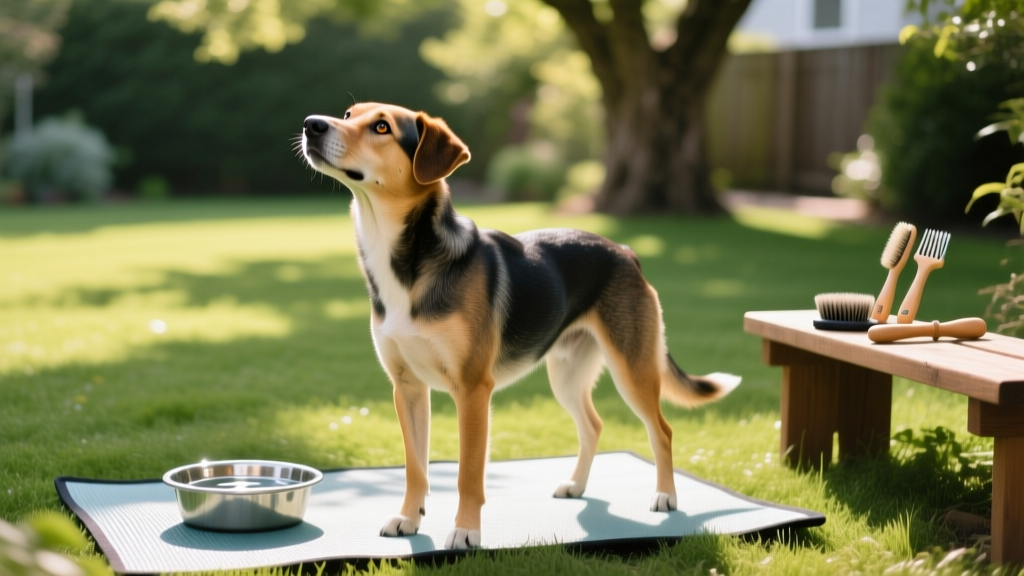
Roundup contains glyphosate, a herbicide classified by the WHO's International Agency for Research on Cancer as a probable carcinogen. Dogs exposed to Roundup — whether through direct contact, licking treated grass, or inhaling spray drift — face risks ranging from skin irritation and gastrointestinal distress to potential long-term cancer development. There is no safe serving size because this is a toxic chemical, not a food. If your dog has been exposed to Roundup, contact your veterinarian or the ASPCA Animal Poison Control Center at (888) 426-4435 immediately.
If you've ever sprayed weeds along your fence line while your dog lounged on the patio, you're not alone. Millions of households use Roundup (glyphosate-based herbicide) for lawn and garden maintenance. But as a dog owner, the question "is Roundup safe for dogs?" deserves a thorough, evidence-based answer — especially given that dogs interact with treated surfaces far more intimately than humans do.
This guide breaks down exactly what glyphosate does, how dogs get exposed, what symptoms to watch for, and which pet-safe alternatives actually work in 2026.
What Is Roundup and Why Is It Dangerous for Dogs?
Roundup is a broad-spectrum herbicide whose active ingredient is glyphosate (N-(phosphonomethyl)glycine). Originally patented by Monsanto in 1974 and now manufactured by Bayer, it remains the most widely used herbicide globally. According to the U.S. Environmental Protection Agency, over 250 million pounds of glyphosate are applied annually in the United States alone.
For dogs, the danger comes from three exposure pathways:
- Dermal absorption: Dogs walk barefoot on treated grass, absorbing chemicals through their paw pads. Lying down on treated surfaces increases skin contact area dramatically.
- Ingestion: Dogs groom themselves, licking glyphosate residue off their paws and fur. Some dogs also eat grass directly — a common canine behavior that becomes dangerous when that grass is chemically treated.
- Inhalation: Spray drift during application can be inhaled, irritating respiratory tissues.
Commercial Roundup formulations also contain surfactants and adjuvants — chemicals designed to help glyphosate stick to and penetrate plant leaves. These additional compounds (such as polyoxyethyleneamine, or POEA) can be independently toxic to mammals and may amplify glyphosate's harmful effects.
Symptoms of Roundup Exposure in Dogs
Symptoms vary based on exposure level, your dog's size, and the time elapsed since contact. Here's what to monitor:
| Severity | Symptoms | Onset Timeline |
|---|---|---|
| Mild | Skin redness, paw pad irritation, mild drooling, eye watering | 30 minutes – 4 hours |
| Moderate | Vomiting, diarrhea, lethargy, loss of appetite, excessive thirst | 2 – 12 hours |
| Severe | Tremors, seizures, difficulty breathing, collapse, bloody vomit/stool | 1 – 24 hours |
A 2024 study published in the Journal of Veterinary Internal Medicine found that dogs living in households using glyphosate-based herbicides had urinary glyphosate concentrations approximately 50 times higher than dogs from households that did not use chemical lawn treatments. While correlation does not equal causation, these elevated levels raise legitimate concern about chronic low-dose exposure.
Long-Term Health Risks of Glyphosate Exposure
Beyond acute poisoning, the veterinary community is increasingly concerned about chronic exposure effects:
Cancer Risk
The World Health Organization's IARC classified glyphosate as a Group 2A probable human carcinogen in 2015. While research specific to canine cancer rates is ongoing, a Tufts University study found that dogs exposed to herbicide-treated lawns had a significantly increased risk of developing malignant lymphoma — up to 7 times higher in some exposure groups.
Endocrine Disruption
Emerging evidence suggests glyphosate may interfere with hormonal regulation at low doses, potentially contributing to thyroid dysfunction and reproductive issues in dogs over years of exposure.
Gut Microbiome Damage
Glyphosate works by inhibiting the shikimate pathway in plants. This same pathway exists in beneficial gut bacteria. Chronic ingestion of glyphosate residue may disrupt your dog's intestinal microbiome, potentially contributing to digestive issues, allergies, and immune dysfunction — conditions already on the rise in the canine population.
Contact your veterinarian or the ASPCA Animal Poison Control Center at (888) 426-4435 (24/7, consultation fee applies) if your dog:
- Has ingested Roundup directly (licked wet spray, drank from a contaminated puddle)
- Is vomiting repeatedly or has bloody stool
- Shows tremors, seizures, or difficulty breathing
- Has skin burns or blistering after contact with treated areas
- Is lethargic and refusing food for more than 12 hours after exposure
Do NOT induce vomiting unless specifically instructed by a veterinary professional.
Pet-Safe Lawn Care Alternatives to Roundup
You don't have to choose between a weed-free yard and your dog's health. Here are proven alternatives ranked by effectiveness and safety:
| Product/Method | Pet-Safe After | Cost Range | Effectiveness |
|---|---|---|---|
| Horticultural vinegar (20-30% acetic acid) | Once dry (1-2 hours) | $15-$35/gallon | High on young weeds; limited on established perennials |
| Corn gluten meal (pre-emergent) | Immediately | $25-$50 per 25 lb bag | Prevents new weeds; does not kill existing ones |
| Iron-based herbicides (e.g., Fiesta®) | Once dry (2-4 hours) | $30-$60/quart concentrate | Effective on broadleaf weeds; safe for grass |
| Boiling water (spot treatment) | Once cooled (minutes) | Free | Kills any plant on contact; best for driveway cracks |
| Manual removal + mulch barrier | Immediately | $10-$30 for tools + mulch | High long-term effectiveness with consistent effort |
If you absolutely must use glyphosate-based products (for example, on invasive species where alternatives have failed), follow these harm-reduction steps:
- Confine your dog indoors during application and for at least 48 hours after — not just until the product dries, but until multiple rain or watering cycles have occurred.
- Wipe your dog's paws with a damp cloth every time they come inside, even if you believe the treated area is dry.
- Store all herbicides in locked cabinets — dogs have been known to chew through plastic containers.
- Consider professional lawn services that use integrated pest management (IPM) approaches with reduced chemical loads.
What to Do If Your Dog Is Exposed to Roundup
Time matters. Follow these steps in order:
Step 1: Remove from the Source
Bring your dog inside immediately. Remove any collar or harness that may have absorbed chemical residue.
Step 2: Decontaminate
If your dog's coat or paws have visible residue, bathe them with mild dish soap (Dawn original works well for chemical decontamination) and lukewarm water. Rinse thoroughly for at least 5 minutes. Wear gloves to protect yourself.
Step 3: Document the Exposure
Take a photo of the product label (including the EPA registration number and active ingredient percentage). Note the approximate time of exposure and how much your dog may have ingested or contacted.
Step 4: Call for Professional Guidance
Reach your veterinarian or ASPCA Poison Control at (888) 426-4435. They will advise whether you should bring your dog in for evaluation or monitor at home based on the dose and your dog's weight.
Step 5: Monitor for 48 Hours
Even if your dog seems fine initially, delayed symptoms can emerge. Track appetite, water intake, stool consistency, energy level, and any vomiting episodes.
Dogs at Higher Risk from Glyphosate Exposure
While no dog should be exposed to Roundup, certain populations face amplified risks:
- Puppies under 6 months: Developing organs and lower body weight make even small doses proportionally more dangerous.
- Senior dogs (8+ years): Reduced liver and kidney function impairs the body's ability to metabolize and excrete toxins.
- Small breeds under 20 lb (9 kg): Lower body mass means toxic thresholds are reached with smaller absolute quantities.
- Dogs with pre-existing liver or kidney disease: Impaired detoxification pathways increase vulnerability.
- Brachycephalic breeds (Bulldogs, Pugs, Boxers): Already compromised respiratory systems are more susceptible to inhalation irritation.
- Dogs with known chemical sensitivities or allergies: May react more severely to surfactant compounds in Roundup formulations.
Consult your veterinarian if your dog falls into any of these categories and you suspect exposure — even if symptoms seem mild.
Frequently Asked Questions
Can dogs walk on grass treated with Roundup?
No. Dogs should not walk on Roundup-treated grass until at least 48 hours after application and after the area has been watered or rained on at least once. Even "dry" grass can retain glyphosate residue that transfers to paw pads and is later ingested during grooming.
How much Roundup does it take to harm a dog?
There is no established safe threshold for dogs. The EPA's reference dose for glyphosate is 1.75 mg/kg body weight per day for humans, but this does not account for the surfactant toxicity in Roundup formulations or the unique exposure patterns of dogs (bare paws, ground-level breathing, self-grooming). Even small amounts of concentrated product can cause significant gastrointestinal distress.
Is Roundup safe for dogs after it dries?
Drying does not neutralize glyphosate. The chemical binds to plant surfaces and soil particles, where it can remain active for days to weeks. Dogs walking on "dry" treated grass still pick up residue on their paws. The manufacturer's claim that areas are safe "once dry" is based on human exposure models, not canine behavior.
Are there glyphosate-free weed killers that work?
Yes. Iron-based herbicides (such as chelated iron products like Fiesta®) are effective against broadleaf weeds and are considered safe for pets once dry. Horticultural vinegar (20-30% acetic acid) works well on annual weeds in sunny areas. Corn gluten meal prevents weed seeds from germinating when applied in early spring.
My dog ate grass that was sprayed with Roundup yesterday — what should I do?
Call the ASPCA Animal Poison Control Center at (888) 426-4435 or your local emergency veterinarian. Provide them with the product name, concentration, approximate amount ingested, your dog's weight, and time since exposure. Monitor closely for vomiting, diarrhea, drooling, or lethargy over the next 24-48 hours.
Does Roundup cause cancer in dogs?
Research suggests a possible link. A peer-reviewed study from Tufts University found that dogs exposed to herbicide-treated lawns had up to 7 times the risk of developing malignant lymphoma. While glyphosate alone is classified as a "probable carcinogen," the surfactant compounds in Roundup may increase cancer risk further. More longitudinal studies specific to dogs are needed, but the precautionary principle strongly supports avoiding exposure.
This article provides educational information and is not a substitute for professional veterinary care. Always consult your veterinarian regarding your dog's health, especially after chemical exposure. For emergencies, contact the ASPCA Animal Poison Control Center at (888) 426-4435 or the Pet Poison Helpline at (855) 764-7661.
Jonas Cole
All our authors care for dogs every day — read more of their work on the authors page.


