Is Peanut Butter Safe for Dogs? A Complete Feeding Guide
Is peanut butter safe for dogs? Learn which brands are safe, exact serving sizes by weight, xylitol dangers, and how to feed peanut butter responsibly.
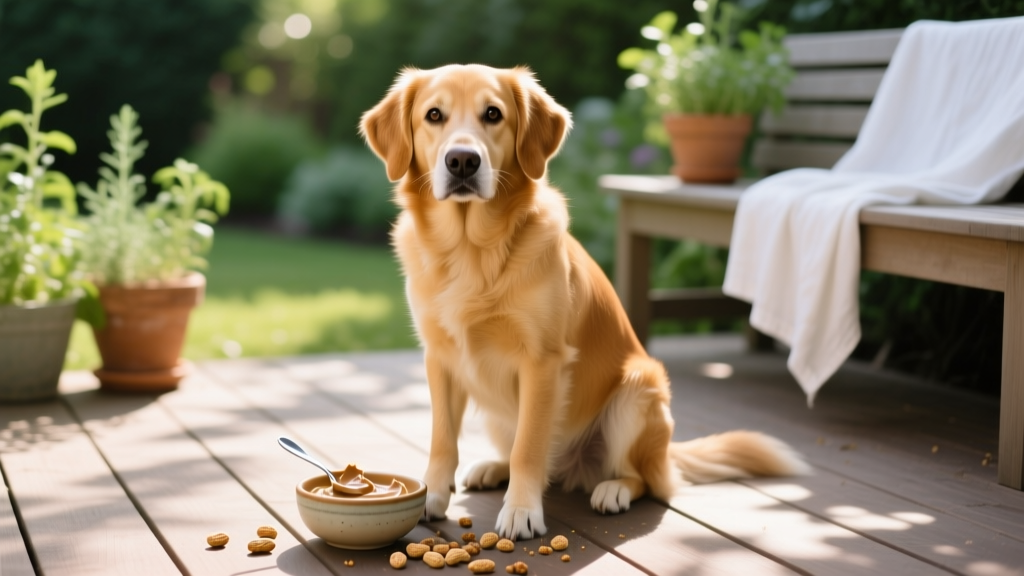
Plain, xylitol-free peanut butter is a safe and nutritious treat for dogs when fed in appropriate portions. The single most critical safety rule: always check the ingredient label for xylitol (also listed as birch sugar), a sugar substitute that is highly toxic to dogs and can cause fatal hypoglycemia within 10–60 minutes of ingestion. Choose peanut butter with only peanuts (and optionally salt) on the ingredient list.
If you've ever used a smear of peanut butter to stuff a Kong or distract your dog during nail trims, you're in good company — it's one of the most popular dog treats among trainers and veterinary professionals. But not all peanut butter is created equal, and portion sizes matter more than most owners realize. This guide breaks down exactly what to look for, how much to serve, and when peanut butter should be avoided entirely.
Why Xylitol Makes Some Peanut Butters Dangerous
The ASPCA Animal Poison Control receives thousands of calls annually about xylitol ingestion in dogs. Xylitol (sometimes labeled as birch sugar or 1,4-anhydro-D-xylitol) is a sugar alcohol used in "no sugar added" or "keto-friendly" peanut butter brands. Even small amounts — as little as 0.1 g/kg of body weight — can trigger a rapid, massive insulin release in dogs, leading to life-threatening hypoglycemia (low blood sugar).
Brands known to contain or have contained xylitol (formulations can change, so always verify the current label):
- Go Nuts Co. Peanut Butter
- Krunchy Kisses Peanut Butter
- ProteinPlus PB (P28)
- Some store-brand "sugar-free" varieties
Safe brands commonly recommended by veterinarians (as of 2026, always verify current ingredients):
- Smucker's Natural (just peanuts and salt)
- Teddie All Natural Peanut Butter
- Whole Foods 365 Organic Unsalted
- Crazy Richard's 100% Peanuts
- Any single-ingredient "just peanuts" option
How Much Peanut Butter Can I Give My Dog?
Peanut butter is calorie-dense — roughly 94 calories per tablespoon (16g). For context, a 30-lb dog with moderate activity needs approximately 700–800 calories per day total. Treats, including peanut butter, should not exceed 10% of your dog's daily caloric intake, a guideline supported by the American Kennel Club.
| Dog Weight | Max Daily Serving | Calories (approx.) | Frequency |
|---|---|---|---|
| Small (under 20 lb / 9 kg) | ½ teaspoon | ~16 cal | Once daily, occasional |
| Medium (20–50 lb / 9–23 kg) | 1 teaspoon | ~31 cal | Once daily |
| Large (50–90 lb / 23–41 kg) | 1 tablespoon | ~94 cal | Once daily |
| Giant (90+ lb / 41+ kg) | 1½ tablespoons | ~141 cal | Once daily |
Practical tip: Use a measuring spoon, not a butter knife. Eyeballing peanut butter portions consistently leads to overfeeding — a heaping tablespoon can easily contain 2–3× the intended amount. For puzzle toys like Kongs, smear a thin layer along the inside walls rather than packing the cavity full. This extends licking time (and enrichment value) while keeping the total portion controlled.
Nutritional Benefits of Peanut Butter for Dogs
Plain peanut butter offers genuine nutritional value beyond its appeal as a high-value training treat. Here's what a single tablespoon (16g) provides, based on USDA FoodData Central values for unsalted, no-sugar-added peanut butter:
| Nutrient | Amount | Benefit for Dogs |
|---|---|---|
| Protein | 4.0 g | Muscle maintenance, tissue repair |
| Total Fat | 8.0 g | Energy source, coat health (but high — watch portions) |
| Vitamin E | 1.4 mg (9% DV) | Antioxidant, skin and immune support |
| Niacin (B3) | 2.0 mg (12% DV) | Energy metabolism, nervous system function |
| Manganese | 0.3 mg (13% DV) | Bone development, enzyme activation |
| Magnesium | 27 mg (7% DV) | Muscle function, nerve signaling |
| Fiber | 1.0 g | Digestive regularity |
While these nutrients are beneficial, peanut butter should supplement — never replace — a complete and balanced diet formulated to AAFCO standards. Dogs get the vast majority of their required micronutrients from their primary food.
How to Prepare and Serve Peanut Butter Safely
- Read the ingredient label every time you buy. Formulations change. The only ingredients should be peanuts (and optionally salt). Avoid anything listing xylitol, birch sugar, chocolate, or artificial sweeteners.
- Choose unsalted or low-sodium when possible. Excess sodium is unnecessary for dogs and can be problematic for those with heart or kidney conditions. A salted variety in a small serving is not dangerous, but unsalted is the better default.
- Use crunchy or smooth — both are safe. Crunchy peanut butter poses no choking risk for dogs. Some owners prefer crunchy for the added texture in puzzle toys.
- Serve at room temperature. Cold peanut butter straight from the fridge is very stiff and can be difficult for small dogs to lick from toys. Let it warm slightly for easier spreading.
- Pair with other safe foods for enrichment. Smear a thin layer inside a Kong, then add a few blueberries or banana slices and freeze for 20 minutes. This creates a longer-lasting treat without adding excessive calories.
- Never mix with toxic foods. Do not combine peanut butter with raisins, grapes, chocolate, macadamia nuts, or any product containing xylitol.
When Peanut Butter Is NOT Safe: Dogs Who Should Avoid It
While peanut butter is broadly safe, several categories of dogs should avoid it or receive it only under veterinary guidance:
- Dogs with pancreatitis: The high fat content (8g per tablespoon) can trigger or worsen pancreatic inflammation. If your dog has a history of pancreatitis, consult your veterinarian before offering any high-fat treats.
- Overweight or obese dogs: At 94 calories per tablespoon, peanut butter contributes significant caloric density. A dog on a weight-loss plan should have treats strictly accounted for — consider lower-calorie alternatives like green beans or carrot sticks.
- Dogs with known peanut allergies: While peanut allergies are relatively uncommon in dogs compared to humans, they do occur. Signs include facial swelling, hives, itching around the muzzle and paws, vomiting, or difficulty breathing.
- Puppies under 12 weeks: Young puppies have developing digestive systems and specific nutritional requirements for growth. Stick to puppy-formulated treats and foods unless your veterinarian approves otherwise.
- Dogs on prescription diets: If your dog eats a veterinary therapeutic diet (e.g., Royal Canin Hydrolyzed Protein, Hill's z/d), introducing peanut butter may undermine the diet's purpose, particularly for food-allergy elimination trials.
- Senior dogs with kidney disease: The phosphorus content in peanuts may need to be restricted in dogs with chronic kidney disease (CKD). Consult your vet for individual guidance.
What Happens If My Dog Eats Too Much Peanut Butter?
Overeating peanut butter typically causes gastrointestinal upset rather than toxicity (assuming the peanut butter is xylitol-free). Here's what to expect based on the amount consumed:
Mild overconsumption (2–3× the recommended serving): Expect loose stools, mild vomiting, or increased gas within 6–12 hours. The high fat content accelerates gastric motility. Offer plenty of fresh water and feed a bland meal (boiled chicken breast and white rice, 1:1 ratio) for the next feeding. Symptoms usually resolve within 24 hours.
Significant overconsumption (an entire jar or more): The large fat load can trigger acute pancreatitis, a serious condition requiring veterinary treatment. Watch for these red-flag symptoms:
- Repeated or projectile vomiting (more than 2 episodes in 12 hours)
- Severe diarrhea with blood or mucus
- Abdominal pain — dog assumes a "prayer position" (front end down, rear end up)
- Lethargy or refusal to move
- Loss of appetite lasting more than 24 hours
- Signs of dehydration (tacky gums, skin tenting when gently pinched at the scruff)
- Any ingestion of xylitol-containing peanut butter — this is always an emergency regardless of amount
ASPCA Animal Poison Control: (888) 426-4435 (24/7, consultation fee applies)
Pet Poison Helpline: (855) 764-7661
The cost of treating acute pancreatitis ranges from $500–$2,500+ depending on severity, hospitalization duration, and your region. This makes portion control a financially sound decision, not just a health one.
Related Foods: What Else to Know About Nuts and Spreads
Peanuts are technically legumes, not tree nuts. This distinction matters because several tree nuts are toxic to dogs while peanuts are not:
| Food | Safe for Dogs? | Notes |
|---|---|---|
| Peanut butter (plain, no xylitol) | ✅ Yes | This article's focus — safe in measured portions |
| Almond butter | ⚠️ Caution | Not toxic but very high in fat; difficult to digest; risk of pancreatitis in large amounts |
| Cashew butter | ⚠️ Caution | Safe in tiny amounts; high fat; ensure no added ingredients |
| Macadamia nuts / butter | ❌ Toxic | Causes weakness, vomiting, tremors, hyperthermia; toxic dose as low as 2.4 g/kg |
| Walnuts (especially black walnuts) | ❌ Toxic | Black walnuts cause tremors and seizures; English walnuts pose GI and obstruction risk |
| Pecans | ❌ Avoid | Contain juglone; prone to mold that produces tremorgenic mycotoxins |
| Sunflower seed butter | ✅ Yes (plain) | Safe alternative for dogs with peanut sensitivities; similar calorie density |
| Nutella / chocolate-hazelnut spread | ❌ Toxic | Contains cocoa (theobromine) — toxic to dogs; never feed |
How to Introduce Peanut Butter to Your Dog for the First Time
Even safe foods can cause individual reactions. Follow this protocol when offering peanut butter for the first time:
- Start with a pea-sized amount (roughly ¼ teaspoon) on your finger or a spoon. Let your dog lick it off — don't force it.
- Wait and observe for 24–48 hours. Watch for itching, hives, facial swelling, vomiting, diarrhea, or unusual lethargy. True peanut allergies in dogs are uncommon but documented.
- If no adverse reaction occurs, offer the weight-appropriate serving size (see table above) as an occasional treat.
- Keep a record in your dog's health journal or phone notes — what you fed, how much, and any observations. This helps your veterinarian troubleshoot if digestive issues arise later.
Training use: Peanut butter is an excellent high-value reward for positive reinforcement training. For training sessions, use a squeeze tube (like GoToob or a dedicated pet treat tube filled with thinned peanut butter) to deliver tiny licks — roughly ¼ teaspoon per reward — rather than spoonfuls. This keeps your dog motivated without blowing the daily calorie budget. Certified trainers frequently recommend thinning peanut butter with a little warm water or low-sodium chicken broth for easier dispensing.
Frequently Asked Questions
Can puppies eat peanut butter?
Puppies over 12 weeks of age can safely have a tiny taste of xylitol-free peanut butter, but it should not be a regular treat during their critical growth phase. Puppies need precisely balanced nutrition from AAFCO-approved puppy food. If you want to use peanut butter for crate training or enrichment, limit it to a thin smear (less than ¼ teaspoon) and only occasionally. Always consult your veterinarian about appropriate treats for your puppy's specific breed and growth stage.
Is crunchy or smooth peanut butter better for dogs?
Both are equally safe. The peanut pieces in crunchy varieties are small enough that they don't pose a choking hazard for any dog size. Some owners find crunchy peanut butter works better in puzzle toys because the texture provides more interest. Nutritionally, there is no meaningful difference between the two.
Can dogs with diabetes eat peanut butter?
Plain, unsweetened peanut butter has minimal impact on blood sugar because it's primarily fat and protein with very low carbohydrate content (about 3g per tablespoon). However, the high fat content may be a concern if your diabetic dog is also prone to pancreatitis. Always consult your veterinarian before adding any new treat to a diabetic dog's diet — they can advise based on your dog's specific insulin regimen and overall health.
Why does my dog get diarrhea after eating peanut butter?
The most common cause is simply too much fat in a single serving. Dogs with sensitive stomachs or those not accustomed to rich foods may experience loose stools even from a normal-sized portion. Try reducing the serving to half the recommended amount and see if the issue resolves. If diarrhea persists after even small amounts, your dog may have a peanut sensitivity, and you should switch to an alternative treat like plain pumpkin puree or sweet potato.
Can I give my dog peanut butter every day?
Small daily amounts within the serving guidelines above are generally fine for healthy adult dogs at a maintained weight. However, variety is nutritionally preferable — rotating treats (peanut butter some days, blueberries other days, carrot sticks on others) provides a broader micronutrient range and prevents over-reliance on a single calorie-dense food. If your dog is overweight, limit peanut butter to 2–3 times per week and opt for lower-calorie treats on other days.
Is organic or homemade peanut butter safer?
Organic peanut butter is safe provided it contains no xylitol or harmful additives — the "organic" label doesn't eliminate the xylitol risk. Homemade peanut butter (blending roasted peanuts in a food processor until smooth) gives you complete ingredient control and is an excellent option. Simply blend 2 cups of unsalted, dry-roasted peanuts for 3–5 minutes until creamy. Store in the refrigerator for up to 3 weeks. Never add honey, sugar, salt, or any sweetener to homemade peanut butter intended for dogs.
This article is intended for informational purposes and does not replace professional veterinary advice. Always consult your veterinarian before making changes to your dog's diet, especially if your dog has existing health conditions, is on medication, or follows a prescription diet.
Priya Sutaria
All our authors care for dogs every day — read more of their work on the authors page.


