Is Kirkland Dog Food Good? A Vet-Reviewed Nutrition Guide
Is Kirkland dog food good for your dog? We break down ingredients, AAFCO compliance, nutritional gaps, and top alternatives across life stages.
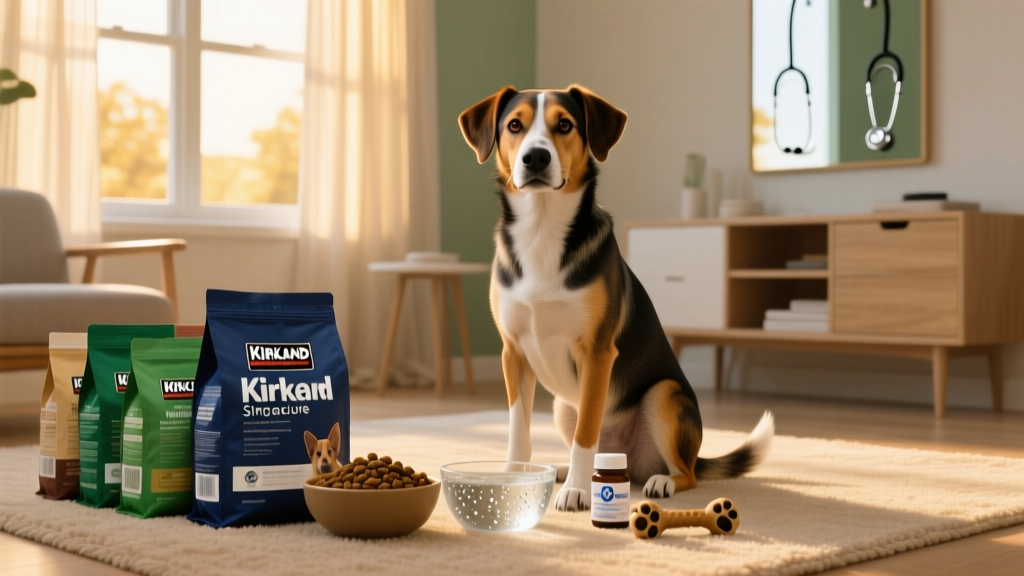
Is Kirkland Dog Food Good? The Short Answer
Kirkland Signature dog food — sold exclusively at Costco — occupies a unique space in the commercial pet food market. Manufactured by Diamond Pet Foods, it offers AAFCO-compliant nutrition at a price point that undercuts comparable premium brands by 30-40%. For healthy adult dogs with no specific dietary sensitivities, Kirkland Signature Adult Formula delivers adequate nutrition. But "adequate" isn't the same as "optimal," and the answer shifts significantly depending on your dog's life stage, activity level, and health conditions.
This guide dissects Kirkland's nutritional profile against veterinary feeding standards, compares it to targeted alternatives, and gives you a decision framework for your specific dog.
Understanding Kirkland's Nutritional Profile
Kirkland Signature offers several formulas, but the most widely purchased is the Adult Formula Lamb, Rice & Vegetable and the Chicken, Rice & Vegetable varieties. Here's what the guaranteed analysis actually tells us:
| Nutrient | Kirkland Adult Chicken | AAFCO Adult Minimum | AAFCO Puppy Minimum | Ideal Range (Active Adult) |
|---|---|---|---|---|
| Crude Protein | 26% (as-fed) | 22% | 25% | 28-32% |
| Crude Fat | 15% (as-fed) | 8% | 8.5% | 14-18% |
| Crude Fiber | 4% (as-fed) | No minimum | No minimum | 3-5% |
| Moisture | 10% | No limit | No limit | 8-12% |
| Calcium | 1.2% | 0.5% | 1.0% | 1.0-1.5% |
| Omega-6 Fatty Acids | 2.5% min | 1.0% | 1.0% | 2.0-3.5% |
| Omega-3 Fatty Acids | 0.4% min | No minimum | No minimum | 0.5-1.0% |
| Calories (kcal/cup) | 353 | Varies | Varies | 350-450 |
The numbers reveal a food that clears AAFCO minimums comfortably but doesn't push into the higher-protein territory that benefits active, working, or large-breed dogs. The omega-6 to omega-3 ratio sits at approximately 6:1 — functional but not ideal. A ratio closer to 3:1 or 4:1 supports better anti-inflammatory response and coat quality, according to research published in the Merck Veterinary Manual.
Ingredient List Deep Dive
The first five ingredients in Kirkland Signature Adult Chicken Formula:
- Chicken — Named meat source, good. However, fresh chicken is ~70% water, so its contribution to actual protein content is lower than it appears.
- Chicken Meal — Concentrated protein source, excellent. This is where most of the protein actually comes from.
- Whole Grain Brown Rice — Digestible carbohydrate, provides energy. Acceptable for dogs without grain sensitivities.
- Cracked Pearled Barley — Low-glycemic grain, provides fiber. Reasonable inclusion.
- Chicken Fat — Named fat source, good. Provides energy and fat-soluble vitamins.
Notable inclusions: Flaxseed (omega-3 source), dried chicory root (prebiotic fiber), glucosamine and chondroitin (joint support), dried fermentation products (probiotics).
Notable concerns: Potato products appear mid-list, which some dogs don't tolerate well. The food contains pea fiber and pea protein, which can inflate protein percentages without providing the same amino acid profile as animal-sourced protein.
Who Should (and Shouldn't) Eat Kirkland Dog Food
Kirkland works well for a specific profile of dog. It falls short for others.
Good Fit
- Healthy adult dogs (1-7 years) with moderate activity levels
- Dogs with no known food sensitivities or allergies
- Owners seeking budget-friendly AAFCO-compliant nutrition
- Medium-breed dogs (30-60 lb / 14-27 kg) at ideal body condition
Poor Fit — Consider Alternatives
- Puppies — Kirkland's puppy formula exists but lacks the DHA levels and calcium-phosphorus precision that large-breed puppies require. Large-breed puppies need calcium restricted to 1.2-1.5% and a calorie density that prevents rapid growth.
- Senior dogs (8+ years) — Higher phosphorus content (1.0%) may accelerate kidney decline in dogs with early-stage chronic kidney disease. Senior-specific formulas typically restrict phosphorus to 0.5-0.7%.
- Highly active or working dogs — 26% protein and 15% fat won't sustain the caloric demands of agility competitors, hunting dogs, or working breeds. These dogs need 30%+ protein and 20%+ fat.
- Dogs with food allergies — Chicken, grain, and pea proteins are common allergens. Kirkland's limited-ingredient options exist but still use chicken as the primary protein.
- Weight management dogs — At 353 kcal/cup, this is calorie-dense for a sedentary dog needing to lose weight. Weight management formulas typically run 250-300 kcal/cup.
Top Alternatives to Kirkland Dog Food by Life Stage and Condition
If Kirkland doesn't match your dog's needs, here are targeted alternatives with nutritional justification for each recommendation:
1. Purina Pro Plan Sport 30/20 (Active & Working Dogs)
Price: $55-65 per 35 lb bag | Protein: 30% | Fat: 20% | Calories: 474 kcal/cup
Why: The elevated protein and fat support muscle recovery and sustained energy output. Named meat sources (chicken, poultry by-product meal) provide complete amino acid profiles. Used widely by sport dog handlers and working dog programs.
2. Hill's Science Diet Sensitive Stomach & Skin (Food Sensitivities)
Price: $65-80 per 30 lb bag | Protein: 25% | Fat: 16% | Calories: 363 kcal/cup
Why: Single animal protein source (chicken or salmon), no corn/wheat/soy, and added prebiotic fiber. Formulated with veterinary input and backed by feeding trials — not just formulation compliance. Ideal for dogs with chronic loose stools or skin irritation on standard diets.
3. Royal Canin Large Puppy (Large-Breed Puppies)
Price: $75-90 per 30 lb bag | Protein: 29% | Fat: 14% | Calories: 360 kcal/cup
Why: Calcium content precisely controlled at 1.2% to prevent developmental orthopedic disease in breeds over 50 lb adult weight. Kibble size and shape designed for large-breed jaw mechanics. This level of precision matters — research in the American Journal of Veterinary Research confirms that overfeeding calcium to large-breed puppies increases hip dysplasia and osteochondrosis risk.
4. Hill's Prescription Diet k/d (Kidney Disease)
Price: $85-100 per 27.5 lb bag | Protein: 14.5% | Fat: 23.2% | Phosphorus: 0.38%
Why: Restricted protein and phosphorus slow progression of chronic kidney disease. Requires veterinary prescription. This is the standard of care for dogs with Stage 2+ CKD per IRIS staging guidelines. Kirkland's protein and phosphorus levels would accelerate kidney damage in these patients.
5. Orijen Senior (Healthy Senior Dogs)
Price: $90-110 per 25 lb bag | Protein: 38% | Fat: 15% | Calories: 371 kcal/cup
Why: High protein from diverse animal sources (free-run chicken, turkey, wild-caught fish) supports muscle preservation in aging dogs. Phosphorus at 0.8% — moderate but appropriate for seniors with normal kidney function. The variety of protein sources provides a broader amino acid and micronutrient spectrum.
6. Nutro Ultra Weight Management (Overweight Dogs)
Price: $50-60 per 30 lb bag | Protein: 27% | Fat: 9% | Calories: 293 kcal/cup
Why: The 60-calorie-per-cup reduction versus Kirkland means your dog can eat a satisfying volume while consuming fewer calories. L-carnitine inclusion supports fat metabolism. Adequate protein preserves lean muscle mass during weight loss.
7. Open Farm SimpleBlend Turkey (Limited Ingredient / Novel Protein)
Price: $80-95 per 22 lb bag | Protein: 28% | Fat: 14% | Calories: 380 kcal/cup
Why: Turkey as the sole animal protein eliminates chicken exposure — the most common meat allergen in dogs. No peas, no legumes (addressing the FDA grain-free/DCM concern). Suitable for elimination diet trials under veterinary guidance.
How Much Should You Feed Your Dog?
Kirkland's feeding guide provides a starting point, but most owners need to adjust based on their dog's individual metabolism, activity level, and body condition. The bag recommends the following for the Adult Chicken Formula:
| Dog Weight | Low Activity (cups) | Moderate Activity (cups) | High Activity (cups) |
|---|---|---|---|
| 10 lb / 4.5 kg | ½ | ¾ | 1 |
| 25 lb / 11 kg | 1 | 1¼ | 1¾ |
| 50 lb / 23 kg | 1¾ | 2¼ | 3 |
| 75 lb / 34 kg | 2¼ | 3 | 4 |
| 100 lb / 45 kg | 3 | 3¾ | 5 |
| 125 lb / 57 kg | 3½ | 4½ | 5¾ |
Adjustment factors to apply:
- Intact (unspayed/neutered) dogs: Add 10-15% — higher metabolic rate
- Spayed/neutered dogs: Subtract 10% — reduced metabolic rate post-alteration
- Senior dogs (8+ years): Subtract 15-20% — declining metabolism and activity
- Overweight dogs needing weight loss: Feed for target weight, not current weight, and subtract an additional 10%
- Lactating females: Multiply by 2-4x depending on litter size
- Cold climate outdoor dogs: Add 20-30% in winter months
The most reliable method isn't the cup measurement — it's weighing your dog's food on a kitchen scale. One cup of Kirkland Adult Formula weighs approximately 100 grams. Measuring by weight eliminates the inconsistency of scooping technique.
The Transition Protocol: Switching Foods Safely
Sudden food changes cause gastrointestinal upset in approximately 30-40% of dogs. A structured transition allows the gut microbiome to adapt to new protein sources and fiber profiles.
10-Day Transition Schedule
| Days | Old Food | New Food | What to Watch For |
|---|---|---|---|
| Days 1-3 | 75% | 25% | Normal stool, appetite |
| Days 4-5 | 50% | 50% | Soft stool acceptable, diarrhea = slow down |
| Days 6-7 | 25% | 75% | Stool should be firming |
| Days 8-10 | 0% | 100% | Full transition, monitor for 2 more weeks |
If diarrhea occurs at any stage: Return to the previous ratio for 2-3 additional days before advancing. If diarrhea persists beyond 48 hours or contains blood, contact your veterinarian — this may indicate a true food intolerance rather than simple transition sensitivity.
Pro tip: Add 1 teaspoon of canned pumpkin (pure, not pie filling) per 20 lb body weight during transition. The soluble fiber helps stabilize stool consistency.
Homemade and Raw Diets: What You Need to Know
Some dog owners considering alternatives to commercial food explore homemade or raw (BARF) diets. These approaches carry significant risks that deserve honest discussion.
Raw Diet Safety Concerns
The FDA has documented that raw pet food carries a substantially higher risk of Salmonella and Listeria contamination compared to cooked commercial diets. In a 2024 FDA sampling study, approximately 15% of raw pet food samples tested positive for Salmonella, compared to less than 1% of dry kibble. This poses risks not just to your dog but to immunocompromised household members handling the food.
Nutritional imbalance is the second major concern. A study in the Journal of the American Veterinary Medical Association found that 95% of homemade raw diets analyzed were deficient in at least one essential nutrient, with calcium, vitamin D, zinc, and copper being the most common gaps.
If You Choose Homemade
A homemade diet can work, but only with professional formulation. Here are the non-negotiable requirements:
- Work with a board-certified veterinary nutritionist (DACVN) to formulate recipes specific to your dog's weight, age, and health status
- Use a supplement premix designed to fill known gaps — Balance IT (by a veterinary nutritionist) offers customizable supplement blends
- Perform quarterly blood work to monitor for developing deficiencies
- Never substitute ingredients without recalculating the nutrient profile
Supplements: Does Your Dog Need Them?
Kirkland's formula includes baseline levels of essential vitamins and minerals, plus added glucosamine and probiotics. For most healthy adult dogs eating a complete commercial diet, additional supplements are unnecessary and potentially harmful when overdone.
Supplements that may benefit specific dogs:
| Supplement | Who Benefits | Dosage | When to Add |
|---|---|---|---|
| Fish Oil (EPA/DHA) | Dogs with arthritis, allergies, dull coat | 50-100 mg combined EPA+DHA per kg body weight daily | Year-round, especially if omega-3 intake from food is low |
| Probiotics | Dogs with chronic GI issues, post-antibiotic | 1-5 billion CFU daily (species-specific strains: Enterococcus faecium, Lactobacillus acidophilus) | During stress, diet transitions, or antibiotic courses |
| Glucosamine/Chondroitin | Large breeds, senior dogs, dogs with hip dysplasia or arthritis | Glucosamine: 20 mg/kg daily; Chondroitin: 15 mg/kg daily | From age 5+ for large breeds, or at diagnosis of joint disease |
| Vitamin E | Dogs with immune-mediated conditions (under vet guidance) | 2-5 IU per kg daily | Only with veterinary recommendation |
Supplements to avoid without veterinary guidance: Calcium supplements (can cause skeletal abnormalities in growing dogs), iron (toxicity risk), garlic supplements (causes Heinz body anemia), and any "multivitamin" designed for humans (incorrect ratios for canine metabolism).
Monitoring Success: How to Know If Your Dog's Diet Is Working
Nutritional adequacy isn't theoretical — it shows up in measurable physical indicators. Track these four areas monthly:
Body Condition Score (BCS)
Use the 9-point Purina BCS scale. Your dog should score a 4 or 5:
- Score 4-5 (Ideal): Ribs easily felt without excess fat covering. Visible waist when viewed from above. Abdominal tuck visible from the side.
- Score 6-7 (Overweight): Ribs difficult to feel. Waist barely visible. Reduce food by 10-15% and increase daily exercise by 15 minutes.
- Score 8-9 (Obese): Ribs cannot be felt. No waist. Abdomen distended. Consult your veterinarian for a structured weight loss plan — rapid weight loss is dangerous.
- Score 1-3 (Underweight): Ribs, spine, and hip bones prominently visible. Increase calories by 15-20% and investigate underlying causes with your vet.
Coat and Skin Quality
A nutritionally complete diet produces a shiny, soft coat with minimal shedding beyond seasonal norms. Dull, dry, flaky, or excessively oily coat after 8-12 weeks on a food suggests fatty acid imbalance, protein deficiency, or zinc deficiency. Kirkland's omega profile is adequate but not exceptional — dogs with skin issues often improve with added fish oil or a food with higher omega-3 content.
Stool Quality
Use the 4-point stool scoring system:
- Score 1 (Hard, dry pellets): Dehydration or excess fiber. Increase water intake.
- Score 2 (Firm, segmented, easy to pick up): Ideal. This is the target.
- Score 3 (Soft, log-shaped but leaves residue): Mild dietary indiscretion or transition sensitivity. Usually resolves in 1-2 days.
- Score 4 (Liquid, no form): If persistent beyond 24 hours, contact your veterinarian.
Energy and Behavior
A well-nourished dog maintains consistent energy levels appropriate for their breed and age. Lethargy, excessive sleeping, or hyperactivity followed by crashes can signal blood sugar instability from high-glycemic carbohydrates or simply inadequate caloric intake for their activity level.
Ingredients to Avoid in Any Dog Food
When evaluating Kirkland or any commercial food, scan the ingredient list for these red flags:
- Unnamed meat sources: "Meat meal" or "animal fat" without species identification. These can include rendered animals of unknown origin and quality.
- Propylene glycol: A humectant that keeps semi-moist food soft. Banned in cat food by the FDA due to Heinz body anemia risk; its safety in dogs remains debated.
- Artificial preservatives (BHA, BHT, ethoxyquin): Kirkland uses mixed tocopherols (vitamin E) for preservation, which is the preferred standard. Avoid foods that rely on synthetic preservatives.
- Excessive legume content (peas, lentils, chickpeas) in grain-free formulas: The FDA has investigated a potential link between high-legume grain-free diets and dilated cardiomyopathy (DCM) in dogs. While causation isn't proven, the correlation is concerning enough to prefer grain-inclusive formulas unless your dog has a diagnosed grain allergy.
- Added sugars or artificial sweeteners: Xylitol is acutely toxic to dogs (causes rapid hypoglycemia and liver failure). If your dog ingests any product containing xylitol, call the ASPCA Animal Poison Control Center at (888) 426-4435 immediately (24/7, consultation fee applies).
The Bottom Line on Kirkland Dog Food
Kirkland Signature dog food is a competent, budget-friendly option for healthy adult dogs with no special dietary needs. It meets AAFCO standards, uses named meat sources, and includes functional supplements. Where it falls short is in the precision and performance needed for puppies, seniors with health conditions, highly active dogs, or dogs with food sensitivities.
The best diet for your dog isn't a brand — it's a nutritional profile matched to their specific life stage, body condition, activity level, and health status. Use the frameworks above to evaluate any food on its merits, and consult your veterinarian when your dog's needs fall outside the standard adult maintenance category.
Frequently Asked Questions
Is Kirkland dog food AAFCO approved?
Yes. Kirkland Signature dog foods carry an AAFCO statement confirming they meet nutritional adequacy standards for their designated life stage. The Adult Formula is formulated for adult maintenance, and the Puppy Formula is formulated for growth. AAFCO compliance means the food has been formulated to meet nutrient profiles — though it has not necessarily undergone AAFCO feeding trials, which are a higher standard of proof.
Has Kirkland dog food ever been recalled?
Diamond Pet Foods, which manufactures Kirkland Signature, was involved in a major 2012 Salmonella recall that affected multiple brands produced at their Gaston, South Carolina facility. Kirkland Signature products were included in that recall. Since then, Diamond has implemented enhanced testing protocols. No Kirkland-specific recalls have occurred since 2012 as of early 2026, but owners should monitor the FDA recall database for updates.
Can I mix Kirkland dog food with other brands?
Yes, mixing is acceptable and sometimes beneficial for dietary variety. However, mixing doesn't replace proper transition — introduce the new food gradually using the 10-day protocol above. Avoid mixing prescription diets with commercial foods without veterinary approval, as this can undermine the therapeutic nutrient restrictions.
Is Kirkland grain-free dog food safe?
Kirkland offers a grain-free formula, but given the FDA's ongoing investigation into grain-free diets and dilated cardiomyopathy, grain-inclusive formulas are the safer default choice for dogs without diagnosed grain allergies. True grain allergy in dogs is uncommon — most food allergies involve animal proteins (chicken, beef) rather than grains.
How long does a 40 lb bag of Kirkland dog food last?
For a 50 lb (23 kg) dog with moderate activity eating approximately 2.25 cups daily, a 40 lb bag (approximately 40 cups) lasts about 17-18 days. Store kibble in the original bag inside an airtight container, away from heat and humidity. The fat in kibble oxidizes over time — once opened, use within 30 days for optimal freshness.
Does my dog need supplements if eating Kirkland?
Most healthy adult dogs eating Kirkland Adult Formula do not require additional supplements. The food includes added vitamins, minerals, glucosamine, and probiotics. Exceptions include dogs with specific health conditions (arthritis, skin disease, kidney disease) where targeted supplementation at therapeutic doses provides benefit beyond what the food contains. Always consult your veterinarian before adding supplements — over-supplementation can be as harmful as deficiency.
Beth Carrasco
All our authors care for dogs every day — read more of their work on the authors page.


