Hydrolyzed vs Novel Protein Diets for Dog Food Allergies
Discover the differences between hydrolyzed and novel protein diets for dogs with food allergies. Learn dosages, costs, and top veterinary brands.
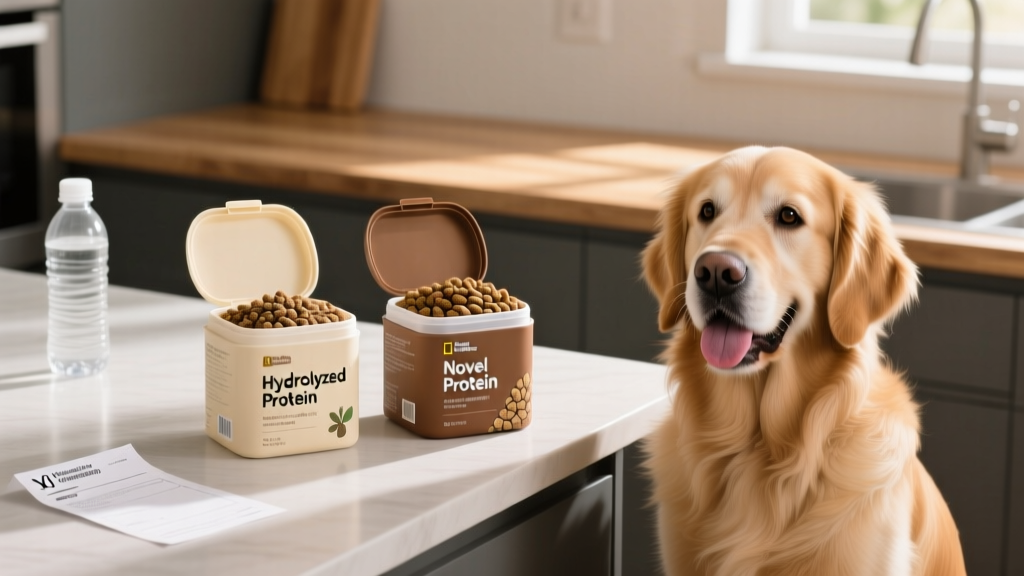
When managing canine adverse food reactions (AFR), a novel protein diet uses a single, uncommon protein source your dog has never eaten to avoid triggering immune responses, while a hydrolyzed diet chemically breaks down proteins into fragments too small to cause allergies. For dog owners navigating chronic itching or gastrointestinal distress, choosing between these two therapeutic diets depends on your dog's dietary history, budget, and the strictness required for an elimination trial.
This guide is specifically for dog owners and pet parents managing canine adverse food reactions who need a clear, evidence-based comparison to make informed veterinary nutrition decisions.
Key Takeaways
- Novel protein diets rely on unfamiliar ingredients (e.g., kangaroo, alligator) to bypass existing allergies.
- Hydrolyzed diets break proteins down to under 10 kilodaltons, making them unrecognizable to the immune system.
- Hydrolyzed diets offer a higher success rate for strict elimination trials, while novel proteins are often more palatable and cost-effective for long-term maintenance.
- Always conduct an 8-week strict elimination trial under veterinary supervision to confirm a food allergy.
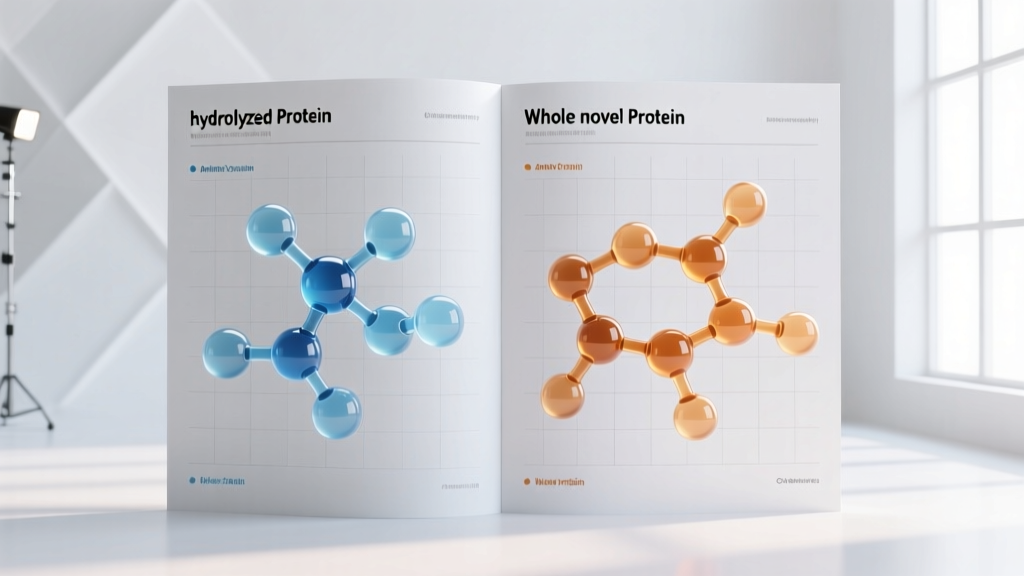
Understanding the Core Differences
Before selecting a therapeutic food, it is critical to understand the underlying mechanisms of both diet types. The Cummings School of Veterinary Medicine at Tufts University emphasizes that true food allergies in dogs are driven by immune responses to specific protein molecules.
What is a Novel Protein Diet?
A therapeutic canine diet formulated with a single, uncommon protein source the dog has never consumed, such as venison, kangaroo, or alligator. It bypasses existing immune responses by introducing entirely new antigens to the digestive system, making it ideal for allergy testing.
What is a Hydrolyzed Protein Diet?
A prescription veterinary diet where protein molecules are chemically broken down into peptides smaller than 10 kilodaltons. Because these fragments are too small for the immune system to recognize as allergens, this diet prevents adverse food reactions regardless of prior exposure.
Hydrolyzed vs. Novel Protein: A Detailed Comparison
Choosing the best novel protein dog food or deciding to switch to a hydrolyzed option requires weighing several clinical and practical factors. Below is a decision framework to help you evaluate both options.
| Feature | Novel Protein Diet | Hydrolyzed Protein Diet |
|---|---|---|
| Mechanism | Uses unfamiliar, intact proteins | Uses chemically fragmented proteins |
| Elimination Trial Efficacy | Moderate (risk of cross-contamination) | High (immune system cannot recognize proteins) |
| Average Monthly Cost | $85 to $130 per month | $110 to $160 per month |
| Palatability | High (tastes like standard dog food) | Moderate (can have a bitter aftertaste) |
| Long-Term Use | Excellent, provided no new allergy develops | Safe, but often transitioned to novel long-term |
Efficacy in Elimination Diet Trials
According to the American College of Veterinary Dermatology, food allergies account for roughly 15% of all canine dermatology cases. Hydrolyzed diets are generally considered the gold standard for initial elimination trials because they eliminate the risk of hidden allergens. Commercial novel protein diets occasionally suffer from cross-contamination during manufacturing, which can compromise the trial's accuracy.
Cost and Accessibility
Novel protein diets are generally more accessible and slightly more affordable. While both require a veterinary prescription to ensure therapeutic formulations, novel proteins typically cost between $85 to $130 per month for an average-sized dog. Hydrolyzed diets involve complex manufacturing processes, pushing their monthly cost closer to $110 to $160 per month.
Palatability and Long-Term Use
Dogs often prefer the taste of novel protein diets. The hydrolysis process can alter the flavor profile, sometimes resulting in a bitter taste that picky eaters may reject. Once an allergy is confirmed and the specific trigger is identified, many veterinarians recommend transitioning to a novel protein diet for long-term maintenance due to better taste and lower cost.

How to Conduct a Successful 8-Week Elimination Trial
An elimination diet trial is the only definitive way to diagnose a canine food allergy. Follow this strict checklist to ensure accurate results.
- Consult Your Veterinarian: Obtain a prescription for either a strict novel protein or hydrolyzed diet based on your dog's comprehensive dietary history.
- Commit to 8 Weeks: Feed only the prescribed diet and water for a full 8-week period. Clinical improvement rates reach up to 85% when the trial is completed without deviations.
- Eliminate All Treats: Stop all flavored medications, chew toys, dental treats, and table scraps. Use the prescribed kibble as the only reward.
- Track Symptoms Daily: Keep a log of your dog's scratching frequency, ear infections, and stool consistency.
- Perform a Provocation Challenge: After 8 weeks, reintroduce the old food. If symptoms return within 14 days, a food allergy is confirmed.
Frequently Asked Questions About Novel Protein Diets
Can dogs develop allergies to novel proteins over time?
Yes. Any protein can become an allergen if the immune system is exposed to it repeatedly over time. If your dog develops a new allergy to their current novel protein, your veterinarian will help you select a new, previously unexposed protein source.
Are over-the-counter novel protein diets effective for allergy testing?
Over-the-counter options are not recommended for diagnostic elimination trials. Studies show that many commercial limited-ingredient diets contain trace amounts of unlisted proteins due to shared manufacturing equipment. Always use a veterinary-prescribed therapeutic diet for accurate testing.
What is the best novel protein for dogs with severe allergies?
The best protein is strictly one your dog has never eaten. Common highly effective novel proteins include rabbit, venison, kangaroo, and alligator. Your veterinarian will review your dog's lifetime diet history to select the safest option.
Conclusion and Next Steps
Deciding between a hydrolyzed and a novel protein diet hinges on your specific diagnostic needs and your dog's dietary history. Hydrolyzed diets provide the most foolproof method for an initial elimination trial, while novel protein diets offer a highly palatable, cost-effective solution for long-term management once the specific allergens are identified.
Your immediate next step is to compile a complete list of every food, treat, and flavored medication your dog has consumed over their lifetime. Bring this list to your veterinarian or a board-certified veterinary nutritionist to select the precise therapeutic diet required to start your 8-week elimination trial.
hannah-wickes
All our authors care for dogs every day — read more of their work on the authors page.


