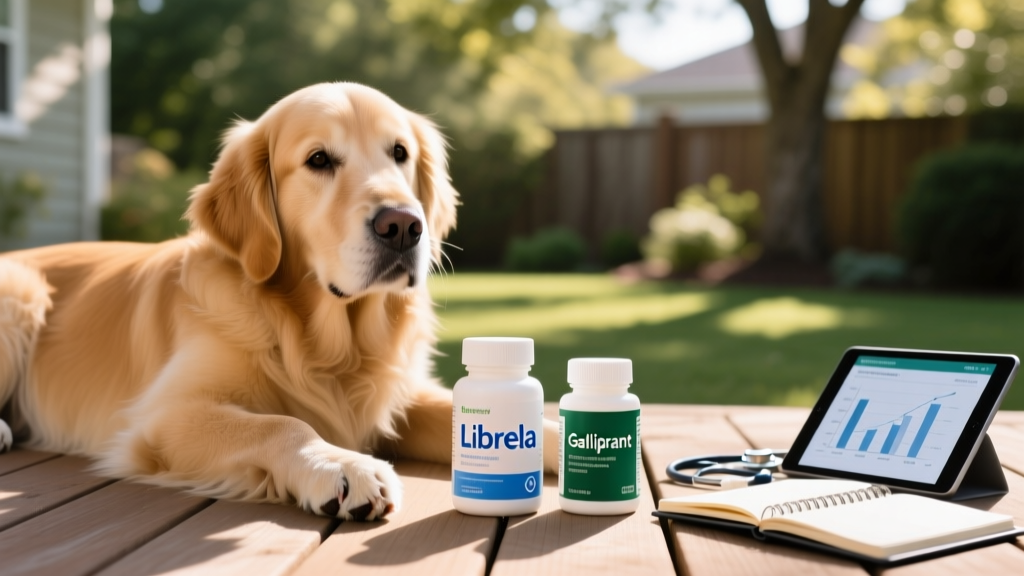
Hydrolyzed Dog Food: The to Allergy Relief & IBD Nutrition
hydrolyzed dog food: how it works for allergies and IBD, top brands with pricing, feeding charts, and transition protocols.

If your dog is suffering from chronic ear infections, relentless itching, or recurring digestive upset, your veterinarian may have mentioned a term that sounds more like chemistry than kibble: hydrolyzed dog food. This specialized diet represents one of the most reliable diagnostic and therapeutic tools in veterinary dermatology and gastroenterology — and understanding how it works can save you months of trial and error.
Hydrolyzed protein diets break down whole protein molecules into fragments so small that the immune system simply cannot recognize them as allergens. Think of it as disguising the protein at a molecular level. For dogs with food allergies, adverse food reactions (AFR), or inflammatory bowel disease (IBD), this approach offers a way to provide complete nutrition while sidestepping the immune triggers causing their misery.
This guide covers the science behind hydrolyzed diets, when they're indicated, exactly what to look for on labels, real product recommendations with 2026 pricing, and a step-by-step transition protocol. Because hydrolyzed diets are often prescribed for medical conditions, always consult your veterinarian before starting or changing your dog's diet — especially if your dog is on medication or has a diagnosed health condition.
What Is Hydrolyzed Dog Food and How Does It Work?
Hydrolyzed dog food is a prescription or veterinary-formulated diet in which the protein source has been enzymatically broken down (hydrolyzed) into peptides and amino acids with a molecular weight typically below 10,000 Daltons — and often below 5,000 Daltons. To put that in perspective, an intact chicken protein molecule might weigh 40,000-100,000 Daltons or more.
The immune system of a dog with food allergies produces IgE antibodies that recognize specific protein structures. When proteins are fragmented below approximately 10 kDa (kilodaltons), they become too small to cross-link IgE antibodies on mast cells, which means the allergic cascade — histamine release, inflammation, itching — never gets triggered.
A novel protein diet uses an intact protein your dog has never eaten before (like rabbit, venison, or alligator). A hydrolyzed diet can use a common protein (often chicken or soy) because the hydrolysis process renders it unrecognizable to the immune system. Hydrolyzed diets are considered more reliable for elimination trials because there's no risk of hidden cross-contamination with novel protein sources that may have been in previous treats or foods.
According to research published in the Merck Veterinary Manual, food allergies account for approximately 1-6% of all canine skin diseases and 10-15% of allergic skin diseases specifically. However, adverse food reactions (which include both true allergies and food intolerances) are far more commonly suspected, making elimination diets a critical diagnostic step.
When Your Dog Needs a Hydrolyzed Diet: Conditions and Life Stages
Hydrolyzed diets aren't a wellness trend — they're a medical intervention. Here are the primary conditions where veterinary dermatologists and internists recommend them:
Food Allergy and Adverse Food Reactions (AFR)
The most common indication. Dogs with food allergies typically present with non-seasonal pruritus (itching), recurrent ear infections (otitis externa), paw licking, and sometimes gastrointestinal signs like soft stools or increased frequency. A hydrolyzed diet serves as both a diagnostic tool (the elimination trial) and a long-term management diet.
Inflammatory Bowel Disease (IBD)
IBD involves chronic inflammation of the gastrointestinal tract, often with an immune-mediated component. Hydrolyzed diets reduce the antigenic load on the gut, decreasing inflammation and allowing the intestinal lining to heal. Studies in veterinary gastroenterology show response rates of 50-80% in dogs with chronic enteropathies fed hydrolyzed diets.
Puppy Food Allergies
While less common in puppies under 6 months, some young dogs do develop early-onset food allergies. Hydrolyzed diets formulated for all life stages (check the AAFCO statement for "growth and maintenance") can be used safely in puppies, though your veterinarian will need to calculate precise caloric requirements for proper development.
Senior Dogs with Compounded Sensitivities
Older dogs often develop food sensitivities alongside other conditions like kidney disease or liver dysfunction. Some hydrolyzed diets are formulated with modified phosphorus and protein levels to address these comorbidities simultaneously.
Nutritional Requirements: What Hydrolyzed Food Must Deliver
Even though hydrolyzed diets serve a therapeutic purpose, they must still meet your dog's complete nutritional needs. Here are the baseline requirements for adult maintenance, with adjustments for specific conditions:
| Nutrient | Adult Maintenance (AAFCO Min) | Typical Hydrolyzed Diet Range | Notes for IBD/Allergy Dogs |
|---|---|---|---|
| Crude Protein | 18% DM | 18-25% DM | Hydrolyzed source; adequate for tissue maintenance |
| Crude Fat | 5.5% DM | 10-16% DM | Higher fat may worsen IBD; moderate is ideal |
| Crude Fiber | No minimum | 1-5% DM | Moderate fiber supports gut microbiome |
| Calcium | 0.5% DM | 0.6-1.2% DM | Balanced with phosphorus for bone health |
| Omega-3 Fatty Acids (EPA+DHA) | No AAFCO minimum | 0.3-1.0% DM | Anti-inflammatory; beneficial for skin and gut |
| Caloric Density | Varies | 3,200-3,800 kcal/kg | ~325-400 kcal/cup depending on formula |
DM = Dry Matter basis (moisture removed for accurate comparison)
Daily Calorie Requirements by Weight
The resting energy requirement (RER) formula is: RER = 70 × (body weight in kg)^0.75. From there, multiply by a factor based on life stage and condition:
| Dog Weight | Neutered Adult (×1.6 RER) | Active/Intact (×2.0 RER) | Weight Loss (×1.0-1.2 RER) | Senior/Low Activity (×1.2-1.4 RER) |
|---|---|---|---|---|
| 10 lb / 4.5 kg | ~340 kcal/day | ~425 kcal/day | ~210-255 kcal/day | ~255-295 kcal/day |
| 25 lb / 11.3 kg | ~640 kcal/day | ~800 kcal/day | ~400-480 kcal/day | ~480-560 kcal/day |
| 50 lb / 22.7 kg | ~1,040 kcal/day | ~1,300 kcal/day | ~650-780 kcal/day | ~780-910 kcal/day |
| 75 lb / 34 kg | ~1,390 kcal/day | ~1,740 kcal/day | ~870-1,045 kcal/day | ~1,045-1,220 kcal/day |
| 100 lb / 45.4 kg | ~1,715 kcal/day | ~2,145 kcal/day | ~1,070-1,285 kcal/day | ~1,285-1,500 kcal/day |
These are starting estimates. Individual metabolism, breed, body condition score, and medical status all affect actual requirements. Your veterinarian will adjust based on regular weigh-ins and body condition scoring.
How to Read a Hydrolyzed Dog Food Label: Selection Criteria
Not all hydrolyzed diets are created equal, and the label tells you everything you need to know — if you know where to look. Here's your evaluation framework:
1. The AAFCO Statement (Non-Negotiable)
Every complete dog food sold in the US must carry an AAFCO nutritional adequacy statement. Look for language like: "This product is formulated to meet the nutritional levels established by the AAFCO Dog Food Nutrient Profiles for adult maintenance" or "for all life stages." If a hydrolyzed product lacks this statement, it is a supplement or treat — not a complete diet.
2. Protein Source and Hydrolysis Level
The ingredient list should clearly identify the hydrolyzed protein. Common sources include:
- Hydrolyzed chicken (most common; despite being chicken, it's safe for chicken-allergic dogs)
- Hydrolyzed soy protein (used in several veterinary formulas)
- Hydrolyzed salmon or hydrolyzed feather protein (less common alternatives)
Some manufacturers disclose the molecular weight range of their hydrolyzed peptides. Lower is better — ideally under 5 kDa for maximum hypoallergenicity.
3. Ingredient List Order and Simplicity
A quality hydrolyzed diet should have a relatively short ingredient list. The hydrolyzed protein should appear as the first or second ingredient. Avoid products where intact (non-hydrolyzed) proteins appear anywhere in the list, as this defeats the purpose.
4. Carbohydrate Source
Most hydrolyzed diets use rice, corn starch, or potato as carbohydrate sources. While corn and rice are common allergens in intact form, the starch fraction is generally well-tolerated. If your dog has a specific grain sensitivity confirmed by elimination trial, look for grain-free hydrolyzed options (they exist, but are less common).
5. Added Omega-3 and Prebiotics
The best hydrolyzed diets include functional additions: fish oil (for EPA/DHA), prebiotic fibers (such as beet pulp or FOS), and sometimes added zinc or biotin for skin barrier support. These aren't gimmicks — they address the downstream consequences of chronic inflammation.
Top Hydrolyzed Dog Foods: 2026 Recommendations with Pricing
The following products are widely recommended by veterinary dermatologists and internists. Pricing reflects average retail costs as of early 2026 and may vary by region and retailer. Most hydrolyzed diets require a veterinary prescription.
Royal Canin Veterinary Diet Hydrolyzed Protein HP
Protein Source: Hydrolyzed chicken (molecular weight <1 kDa)
Guaranteed Analysis: Protein 21% min, Fat 8% min, Fiber 4% max, Moisture 10.5% max
Caloric Content: ~3,434 kcal/kg; 326 kcal/cup
Price Range: $42-52 per 8 lb bag; $85-105 per 22 lb bag
Best For: Dogs with confirmed food allergies, elimination diet trials, chronic ear infections
Why It Works: One of the most extensively studied hydrolyzed diets in veterinary literature. The extremely low molecular weight of the hydrolyzed chicken peptides makes it suitable even for dogs with severe chicken allergies. Available in dry and canned (wet) formats.
Hill's Prescription Diet z/d Original
Protein Source: Hydrolyzed chicken
Guaranteed Analysis: Protein 19.5% min, Fat 14.5% min, Fiber 1.5% max, Moisture 5.5% max
Caloric Content: ~3,565 kcal/kg; 353 kcal/cup
Price Range: $45-58 per 8.5 lb bag; $90-115 per 27.5 lb bag
Best For: Skin and digestive sensitivities, combined allergy + IBD management
Why It Works: Hill's z/d has decades of clinical use behind it. The formula includes added omega-3 fatty acids from fish oil and is designed to support both skin barrier function and gastrointestinal health simultaneously. Also available in treats — critical for training sessions during the elimination trial.
Purina Pro Plan Veterinary Diets HA Hydrolyzed
Protein Source: Hydrolyzed soy protein
Guaranteed Analysis: Protein 18% min, Fat 11% min, Fiber 3% max, Moisture 12% max
Caloric Content: ~3,588 kcal/kg; 365 kcal/cup
Price Range: $38-48 per 11 lb bag; $72-92 per 30 lb bag
Best For: Dogs allergic to animal proteins, elimination trials, cost-conscious owners
Why It Works: Using soy as the protein source makes this an excellent option for dogs with confirmed animal protein allergies. The single-protein-source approach minimizes variables during an elimination trial. Generally the most affordable prescription hydrolyzed option. Note: not suitable for dogs with confirmed soy allergy (rare but possible).
Royal Canin Veterinary Diet Hydrolyzed Protein PS (Moderate Calorie)
Protein Source: Hydrolyzed salmon
Guaranteed Analysis: Protein 21% min, Fat 5% min, Fiber 7% max, Moisture 10.5% max
Caloric Content: ~3,032 kcal/kg; 267 kcal/cup
Price Range: $44-55 per 8 lb bag
Best For: Overweight dogs needing hydrolyzed diet, dogs with chicken and soy allergies
Why It Works: The salmon-based hydrolyzed protein and reduced caloric density make this ideal for dogs managing both food allergies and weight. Higher fiber content promotes satiety. The moderate calorie profile means you can feed a satisfying volume without overfeeding.
Hill's Prescription Diet z/d Low Fat
Protein Source: Hydrolyzed chicken
Guaranteed Analysis: Protein 21.1% min, Fat 6.3% min, Fiber 3.0% max, Moisture 5.5% max
Caloric Content: ~3,203 kcal/kg; 307 kcal/cup
Price Range: $47-60 per 8.5 lb bag
Best For: IBD dogs that need reduced fat, dogs with concurrent pancreatitis history
Why It Works: For dogs with IBD complicated by fat malabsorption or a history of pancreatitis, the reduced fat content (6.3% vs. 14.5% in original z/d) reduces the digestive workload while still delivering hydrolyzed protein. This is a more specialized formulation that your vet will recommend based on specific diagnostic findings.
Blue Buffalo True Solutions Perfect Digestion Hydrolyzed
Protein Source: Hydrolyzed chicken
Guaranteed Analysis: Protein 20% min, Fat 10% min, Fiber 4% max, Moisture 10% max
Caloric Content: ~3,450 kcal/kg; 340 kcal/cup
Price Range: $55-70 per 12 lb bag
Best For: Owners preferring brands with added functional ingredients, digestive support focus
Why It Works: A newer entrant in the hydrolyzed diet space, Blue Buffalo's veterinary line includes prebiotic fiber blends and antioxidant-rich ingredients. Availability may be more limited than legacy brands, and long-term clinical data is less extensive.
Foods and Ingredients to Avoid While on a Hydrolyzed Diet
The entire purpose of a hydrolyzed diet is to eliminate antigenic proteins. Feeding anything alongside it that contains intact protein can trigger a relapse and invalidate your elimination trial. Here's what to strictly avoid:
| Category | Specific Items | Why It's a Problem |
|---|---|---|
| Table scraps | Any human food containing meat, dairy, eggs | Intact proteins reintroduce allergens |
| Non-approved treats | Milk bones, rawhides, bully sticks, pig ears, jerky | Contain intact animal proteins; even one treat can trigger a reaction |
| Flavored medications | Beef-flavored heartworm chews, chicken-flavored NSAIDs | Flavoring often contains real protein; ask vet for unflavored alternatives |
| Supplements | Glucosamine chews, probiotic treats with dairy | May contain hidden animal protein or dairy |
| Other pets' food | Cat food, other dogs' kibble | Cross-contamination from shared bowls or scavenging |
| Peanut butter (most brands) | Standard peanut butter used for pill pockets | Often processed on equipment with dairy; some contain honey or whey |
A critical note on flavored medications: Many monthly heartworm preventives (like Heartgard Plus or NexGard) are beef-flavored chewables. If your dog is on a hydrolyzed elimination trial, ask your veterinarian about switching to a non-flavored tablet form (such as Interceptor) or a topical product (such as Revolution Plus) to avoid sabotaging the trial. This is one of the most commonly overlooked sources of trial failure.
Can You Make a Homemade Hydrolyzed Diet? The Honest Answer
This question comes up frequently, and the answer requires nuance. True hydrolysis — the enzymatic breakdown of proteins into sub-10 kDa peptides — requires industrial processes and specialized equipment. You cannot hydrolyze protein in your home kitchen. What you can do is prepare a homemade limited-ingredient diet using a single novel protein and single carbohydrate source, but this is fundamentally different from a hydrolyzed diet.
A homemade diet formulated without veterinary nutritionist oversight carries significant risks of nutritional deficiency. Studies have shown that over 90% of homemade dog food recipes found online are nutritionally incomplete. Long-term feeding of an unbalanced diet can lead to calcium/phosphorus imbalances, taurine deficiency, vitamin D deficiency, and other serious health consequences. If you want to pursue a homemade elimination diet, work with a board-certified veterinary nutritionist (DACVN or equivalent) who will formulate a recipe with precise supplement requirements.
If Your Vet Nutritionist Approves a Homemade Trial Diet:
A typical veterinary-formulated homemade elimination diet might include:
- Protein: 1 part cooked novel protein (e.g., boiled rabbit, duck, or venison — something your dog has never eaten)
- Carbohydrate: 2-3 parts cooked white rice or sweet potato
- Supplements: A veterinary-prescribed supplement blend providing calcium (typically 50 mg/kg body weight/day), vitamin E (2-5 IU/kg/day), zinc, B-complex vitamins, and fish oil
- Fat source: Measured addition of safflower oil or fish oil (approximately 1 tsp per 20 lb body weight, adjusted by your nutritionist)
This is not a recipe to follow from a blog. The exact proportions and supplement dosages must be calculated based on your individual dog's weight, age, and health status by a qualified professional. Expect to pay $150-350 for a custom formulation consultation.
The 10-Day Transition Protocol: Switching to Hydrolyzed Food
Even though hydrolyzed diets are gentle on the digestive system, an abrupt switch can cause temporary loose stools or reduced appetite. Follow this gradual transition schedule to minimize gastrointestinal upset:
| Days | Old Food | New Hydrolyzed Food | What to Watch For |
|---|---|---|---|
| Days 1-2 | 75% | 25% | Acceptance, initial interest |
| Days 3-4 | 50% | 50% | Stool consistency changes |
| Days 5-6 | 25% | 75% | Appetite, energy level |
| Days 7-8 | 10% | 90% | Near-full transition tolerance |
| Days 9-10 | 0% | 100% | Full hydrolyzed diet established |
Transition Tips for Picky Eaters
Hydrolyzed diets are notorious for being less palatable than standard kibble — the hydrolysis process can produce a slightly bitter taste. If your dog is reluctant:
- Warm the food slightly (add a tablespoon of warm water to kibble or microwave wet food for 5-10 seconds) to enhance aroma
- Ask your vet about the brand's hydrolyzed treats — using the same protein source as training rewards helps with acceptance
- Hand-feed the first few meals to create positive association
- Never starve a dog into eating — if your dog refuses food for more than 24 hours (or 12 hours for small breeds), contact your vet to discuss alternative formulations
Supplements: What to Add and When
Most high-quality hydrolyzed diets are nutritionally complete and don't require additional supplementation. However, certain conditions may benefit from targeted additions — always clear supplements with your veterinarian first, as some can interact with medications or contain protein sources that undermine the diet.
| Supplement | Indication | Typical Dosage | Safety Notes |
|---|---|---|---|
| Fish oil (EPA/DHA) | Skin inflammation, IBD, joint support | 75-100 mg combined EPA+DHA per kg body weight/day | Choose a purified, third-party tested brand; may increase bleeding risk at high doses |
| Probiotics (multi-strain) | IBD, antibiotic-associated diarrhea, gut microbiome restoration | 1-10 billion CFU/day depending on product | Use veterinary-specific strains (e.g., Enterococcus faecium SF68); human probiotics may not colonize effectively |
| Vitamin E | Skin barrier support, antioxidant | 2-5 IU/kg body weight/day | Fat-soluble; excess can accumulate. Most hydrolyzed diets already contain adequate levels |
| Psyllium fiber | Loose stools, IBD fiber supplementation | 1/4 to 1 tsp per meal depending on dog size | Introduce slowly; ensure adequate water intake |
| B-complex vitamins | Chronic diarrhea (B12 malabsorption) | Per veterinary recommendation; may require injection | B12 deficiency is common in IBD; blood testing recommended before supplementing |
What NOT to supplement: Avoid adding any protein-containing supplements (collagen peptides, bone broth, goat's milk, raw eggs) as these reintroduce intact proteins and can trigger allergic responses. Also avoid flavored supplement chews unless specifically approved by your vet for use alongside the hydrolyzed diet.
Monitoring Success: How to Know the Hydrolyzed Diet Is Working
A hydrolyzed diet isn't a set-it-and-forget-it solution. You need to actively track your dog's response across multiple parameters. Here's what to monitor and what timelines to expect:
Skin and Coat (For Allergy Dogs)
Timeline: 4-8 weeks for initial improvement; up to 12 weeks for full response.
What to track: Scratching frequency (keep a daily log), ear infection recurrence, paw licking, coat shine and shedding pattern. A reduction in pruritus (itching) of 50% or more within 8 weeks strongly suggests food allergy was a primary driver.
Digestive Function (For IBD Dogs)
Timeline: 1-3 weeks for stool improvement; 4-8 weeks for full GI stabilization.
What to track: Stool consistency (use a 1-7 fecal scoring chart — ideal is 2-3, formed but soft), frequency of bowel movements, vomiting episodes, gas/bloating, appetite consistency.
Body Condition Score (BCS)
Use a standardized 9-point body condition scoring system (available from the World Small Animal Veterinary Association). An ideal BCS is 4-5/9, where you can feel ribs easily without excess fat covering, and your dog has a visible waist when viewed from above.
| BCS | Visual/Tactile Signs | Action |
|---|---|---|
| 1-3 (Underweight) | Ribs, spine, hip bones easily visible; no palpable fat; severe waist | Increase portions 10-20%; consult vet for underlying causes |
| 4-5 (Ideal) | Ribs palpable without excess fat; waist visible from above; abdominal tuck present | Maintain current feeding amount |
| 6-7 (Overweight) | Ribs palpable with moderate fat covering; waist barely visible; slight abdominal distension | Reduce portions 10-15%; increase daily walks by 10-15 min |
| 8-9 (Obese) | Ribs difficult to palpate under thick fat; no waist; pendulous abdomen | Veterinary-guided weight loss plan; reduce portions 20%+; consider hydrolyzed moderate-calorie formula |
Energy Level and Overall Vitality
Dogs with chronic allergies or IBD often appear lethargic because their immune system is constantly activated. As the hydrolyzed diet reduces the immune burden, you should notice increased energy, playfulness, and engagement within 4-6 weeks. If your dog seems more tired or less energetic after switching, contact your vet — this could indicate inadequate caloric intake or an unrelated condition.
When to Call the Vet During the Diet Trial
- Your dog refuses the hydrolyzed food for more than 24 hours (12 hours for toy breeds)
- Vomiting occurs more than twice in 24 hours
- Bloody diarrhea or black, tarry stools appear
- Itching or GI symptoms worsen significantly after the first 2 weeks
- Your dog loses more than 5% body weight in a month
- Signs of lethargy, weakness, or collapse develop
Frequently Asked Questions About Hydrolyzed Dog Food
What is the best dog food for food allergies?
For confirmed food allergies, the best diet is one that your dog tolerates without triggering symptoms. Hydrolyzed diets like Royal Canin HP or Hill's z/d are considered the gold standard for elimination trials because the protein fragments are too small to trigger an immune response. After the trial identifies specific allergens, some dogs can transition to a simpler limited-ingredient diet with a single novel protein. The "best" food is the one that keeps your specific dog symptom-free — this requires individual testing, not guesswork.
How much should I feed my dog on a hydrolyzed diet?
Start with the feeding guide on the bag (usually based on weight), then adjust using the calorie calculations in this guide. A 50 lb (22.7 kg) neutered adult typically needs about 1,040 kcal/day, which translates to approximately 2.8-3.2 cups of most hydrolyzed kibble daily, split into two meals. However, this is a starting point — adjust up or down based on body condition score changes over 2-3 weeks. Active dogs may need 20-30% more; sedentary or senior dogs may need 15-20% less.
Can I feed my dog a homemade or raw diet instead of hydrolyzed food?
A homemade limited-ingredient diet is possible but must be formulated by a board-certified veterinary nutritionist to ensure completeness. You cannot hydrolyze protein at home. Raw diets carry additional risks: the AVMA discourages raw feeding due to risks of Salmonella, Listeria, and E. coli contamination — risks that are amplified in dogs with IBD or compromised gut barriers. A raw diet also contains intact proteins, making it unsuitable for an elimination trial. For dogs with food allergies or IBD, cooked, nutritionally balanced diets (whether commercial hydrolyzed or vet-formulated homemade) are safer choices.
What ingredients should I avoid in my dog's food?
During a hydrolyzed diet trial, avoid ALL intact protein sources — this includes treats, table scraps, flavored medications, and supplements containing animal protein. The most common canine food allergens are beef, chicken, dairy, wheat, egg, and soy, but your dog could be allergic to any protein they've been repeatedly exposed to. Never introduce new foods or treats without consulting your veterinarian during the trial period.
How do I switch my dog to a hydrolyzed food?
For general diet transitions, follow the 10-day gradual protocol outlined above (75/25 → 50/50 → 25/75 → 10/90 → 100% new food). However, if your vet has prescribed the hydrolyzed diet as an elimination trial for suspected food allergies, they may recommend an immediate switch to avoid introducing the old food's intact proteins. Always follow your veterinarian's specific instructions for your dog's situation.
Does my dog need supplements while on a hydrolyzed diet?
Most complete hydrolyzed diets provide all necessary nutrients. The most commonly recommended add-on is fish oil (for omega-3 fatty acids), which supports skin healing and has anti-inflammatory effects for IBD. Probiotics may also benefit dogs with digestive conditions. Never add supplements without veterinary approval — some contain hidden protein sources, and others can interact with medications your dog is taking.
How long does it take for a hydrolyzed diet to work?
For gastrointestinal symptoms (IBD), improvement often appears within 1-3 weeks. For skin and allergy symptoms, expect 4-8 weeks for initial improvement and up to 12 weeks for the full elimination trial period. If there's no improvement after 12 weeks on a strictly fed hydrolyzed diet, food allergy is unlikely to be the primary cause, and your vet will investigate environmental allergies (atopic dermatitis), parasitic causes, or other conditions.
Is hydrolyzed dog food safe for long-term feeding?
Yes. Hydrolyzed diets that carry an AAFCO statement for adult maintenance or all life stages are nutritionally complete and safe for indefinite feeding. Many dogs with confirmed food allergies remain on hydrolyzed diets for their entire lives. Some owners successfully transition to a simpler limited-ingredient diet after identifying their dog's specific allergens, but this should only be done under veterinary guidance with careful reintroduction trials.
This article is for informational purposes only and does not replace professional veterinary advice. Always consult your veterinarian before making dietary changes, especially for dogs with diagnosed medical conditions. If you suspect your dog has ingested a toxic substance, contact the ASPCA Animal Poison Control Center at (888) 426-4435 (24/7, consultation fee applies).
Tom Renshaw
All our authors care for dogs every day — read more of their work on the authors page.