How to Treat Constipation in Dogs
Learn how to treat constipation in dogs with vet-approved methods, including symptoms, diagnosis, treatment costs, and when to seek emergency care.
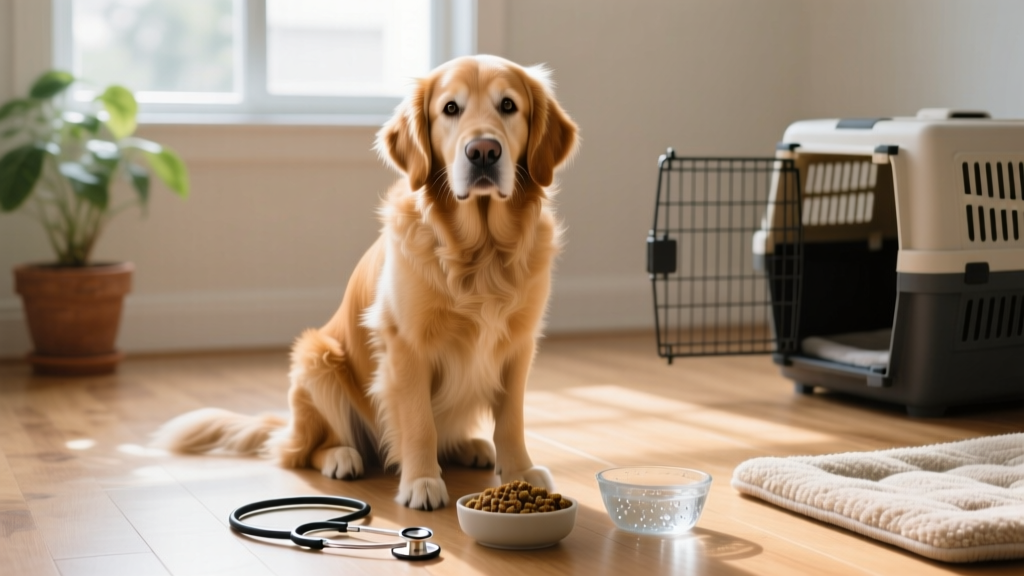
If your dog is straining in the yard without producing anything, you're likely dealing with canine constipation — one of the most common gastrointestinal complaints veterinarians see. Constipation in dogs occurs when stool moves too slowly through the colon, becoming hard, dry, and difficult to pass. It affects dogs of all ages and breeds, though older, sedentary, and brachycephalic dogs face higher risk. While a single episode may resolve with dietary tweaks, recurring or severe constipation (obstipation) can signal serious underlying conditions like megacolon, pelvic fractures, or neurological disease that require professional intervention.
What Is Constipation in Dogs and What Causes It?
Constipation is defined clinically as infrequent, difficult, or absent bowel movements. When stool remains in the colon too long, the colon absorbs excess water, creating hard, compacted feces that are painful to pass. If left untreated for 48-72 hours, constipation can progress to obstipation — a severe form where the colon becomes so impacted that the dog cannot defecate at all. The most extreme form, megacolon, involves permanent loss of colonic muscle function, often requiring surgery.
Common causes include:
- Dehydration — insufficient water intake concentrates stool
- Low-fiber or poor-quality diets — lack of dietary bulk slows transit
- Ingestion of indigestible material — bones, hair, grass, fabric, or foreign objects
- Sedentary lifestyle — reduced physical activity slows gut motility
- Medications — opioids, antihistamines, sucralfate, and certain antacids
- Orthopedic pain — arthritis or hip dysplasia makes the defecation posture painful
- Enlarged prostate — common in intact male dogs, physically compresses the colon
- Neurological issues — spinal cord disease, disc herniation, or cauda equina syndrome
- Pelvic strictures — narrowing from prior fractures or trauma
- Perianal fistulas or anal sac disease — pain discourages defecation
Symptoms of Constipation: Early Warning Signs vs. Advanced Stages
Recognizing constipation early prevents progression to obstipation. Dogs often hide discomfort, so subtle behavioral changes matter. Use this checklist to assess severity:
| Severity | Symptom | What to Look For |
|---|---|---|
| Early (24-48 hrs) | Straining to defecate | Repeated attempts with little or no output; may be mistaken for urinary straining |
| Hard, dry stools | Small, pebble-like feces; may have slight mucus coating | |
| Reduced frequency | No bowel movement for 48+ hours when dog normally goes 1-2x daily | |
| Mild discomfort | Whimpering or looking back at hindquarters during attempts | |
| Moderate (48-72 hrs) | Frequent unsuccessful attempts | Multiple trips outside with circling and squatting, no production |
| Decreased appetite | Refusing meals or eating significantly less than normal | |
| Abdominal discomfort | Tense or bloated abdomen; dog resists belly palpation | |
| Vomiting (occasional) | Regurgitation of food or bile, usually 1-2 episodes | |
| Lethargy | Reduced play drive, sleeping more than usual | |
| Severe (72+ hrs) | Complete absence of defecation | No stool passed in 3+ days despite repeated straining |
| Liquid stool leakage | Paradoxical diarrhea — liquid seeps around hard impaction | |
| Persistent vomiting | Multiple episodes, may contain fecal material (emergency) | |
| Visible pain | Vocalizing, trembling, hunched posture, reluctance to move | |
| Palpable mass | Hard, tubular mass felt in lower abdomen (impacted colon) |
Important distinction: Straining to defecate can look identical to straining to urinate. Urinary obstruction in male dogs is a life-threatening emergency that can cause death within 24-48 hours. If you're unsure whether your dog is trying to pass stool or urine, contact your vet immediately rather than waiting.
Risk Factors: Which Dogs Are Most Prone to Constipation?
Key Risk Factors for Canine Constipation
- Age: Senior dogs (7+ years) are significantly more prone due to decreased mobility, dehydration from kidney disease, and medication side effects
- Breed predisposition: Brachycephalic breeds (English Bulldogs, Pugs, Boston Terriers) have higher rates due to overall GI sensitivity; Manx-type cats get megacolon, but in dogs, German Shepherds and medium-to-large breeds are overrepresented for obstipation secondary to orthopedic disease
- Weight: Obese dogs (BCS 7-9/9) have reduced gut motility and are less likely to exercise enough to stimulate bowel movements
- Intact males: Benign prostatic hyperplasia (BPH) affects approximately 80% of intact males over age 5, physically narrowing the pelvic canal
- Dehydration-prone dogs: Dogs with chronic kidney disease, diabetes mellitus, or Cushing's disease lose excess water through increased urination
- Post-surgical patients: Opioid pain medications (tramadol, buprenorphine, fentanyl) cause constipation in an estimated 50-70% of canine patients
- Environmental factors: Dogs in new environments, boarding facilities, or high-stress situations may withhold stool
Dogs recovering from orthopedic surgery (TPLO, hip replacement) are particularly vulnerable — they're on opioids, have limited mobility, and may be reluctant to assume the squatting posture. Proactive constipation management should be part of every post-surgical protocol.
How Veterinarians Diagnose Constipation in Dogs
Diagnosis typically follows a stepwise process, starting with the least invasive methods. Your vet will determine how far to proceed based on your dog's history and clinical presentation.
- History and physical exam ($50-$90 office visit fee) — Your vet will ask about last normal bowel movement, diet, medications, water intake, and any vomiting. Abdominal palpation can often detect a fecal-filled colon. A digital rectal exam assesses for strictures, masses, anal sac impaction, or perineal hernia.
- Abdominal radiographs / X-rays ($150-$350) — Two-view abdominal films reveal the extent of fecal loading, identify foreign material (bones, rocks), and show whether the colon is dilated (suggesting megacolon). Radiographs also screen for orthopedic issues like hip dysplasia or old pelvic fractures that may be contributing.
- Blood work — CBC and chemistry panel ($80-$200) — Rules out metabolic causes: dehydration (elevated BUN/creatinine), electrolyte imbalances (low potassium slows gut motility), hypercalcemia, and kidney or liver disease.
- Abdominal ultrasound ($250-$500) — Indicated if radiographs suggest a mass, if constipation is recurrent without obvious cause, or to evaluate intestinal wall thickness and motility in real time.
- Advanced diagnostics (as needed) — Colonoscopy ($400-$800) for direct visualization and biopsy of colonic masses; MRI or CT ($1,200-$2,500) if neurological disease is suspected (spinal cord compression, cauda equina syndrome).
According to the Merck Veterinary Manual, most cases of simple constipation are diagnosed with physical exam and radiographs alone, keeping initial diagnostic costs between $200 and $450 for the typical case.
Treatment Options: How to Treat Constipation in Dogs
Treatment is staged based on severity. Mild cases may respond to home management under veterinary guidance, while moderate to severe cases require in-clinic intervention.
| Treatment | Type | When Used | Estimated Cost | Success Rate |
|---|---|---|---|---|
| Dietary fiber supplementation | Home care | Mild, first-episode constipation | $5-$20 | High for mild cases |
| Increased hydration | Home care | All stages (supportive) | $0-$30 | High as adjunct |
| Lactulose (prescription) | Osmotic laxative | Moderate constipation; megacolon management | $15-$40/month | 70-85% |
| Cisapride (prescription) | Prokinetic agent | Chronic/recurrent constipation; megacolon | $25-$60/month | 60-80% with lactulose combo |
| Enema (clinic-administered) | In-clinic procedure | Moderate to severe impaction | $75-$200 | 80-90% for single episode |
| Manual deobstipation under anesthesia | Surgical procedure | Severe obstipation; failed enema | $500-$1,500 | 90%+ immediate relief |
| Subtotal colectomy | Surgical | End-stage megacolon; recurrent obstipation | $3,000-$7,000 | 70-90% good long-term outcome |
Home Management for Mild Constipation (Under Veterinary Guidance)
For a first-time, mild episode where your dog is still eating and acting relatively normal, your vet may recommend a trial of home management:
- Canned pumpkin (plain, not pie filling): 1-4 tablespoons per meal depending on dog size (1 tbsp for dogs under 20 lb / 9 kg; 2 tbsp for 20-40 lb / 9-18 kg; 3-4 tbsp for dogs over 40 lb / 18 kg). Pumpkin provides soluble fiber that draws water into stool.
- Wet food transition: Temporarily switch from dry kibble to canned food or add warm water/bone broth (no onion or garlic) to kibble to increase moisture intake.
- Exercise increase: A brisk 20-30 minute walk stimulates colonic motility through physical movement and the gastrocolic reflex.
- Psyllium fiber (Metamucil, unflavored): 1/2 teaspoon per 10 lb (4.5 kg) of body weight, mixed into food twice daily. Always ensure adequate water intake with psyllium — adding fiber without hydration can worsen constipation.
Veterinary Medical Treatments
Lactulose is the most commonly prescribed osmotic laxative for dogs. It works by drawing water into the colon and acidifying the colonic environment, softening stool and stimulating motility. Typical dosing is 0.5 mL/kg every 8-12 hours, though your veterinarian will determine the precise dose. Side effects include flatulence, cramping, and diarrhea if overdosed.
Cisapride is a prokinetic drug that directly stimulates colonic smooth muscle contractions. It's particularly valuable for chronic constipation and megacolon, often combined with lactulose for synergistic effect. Cisapride requires compounding for canine use and is typically dosed at 0.5 mg/kg every 8-12 hours. Your vet will prescribe this only after ruling out mechanical obstruction.
Miralax (polyethylene glycol 3350) is sometimes recommended by veterinarians as an osmotic laxative for dogs. While technically off-label, it's widely used in veterinary practice at doses of approximately 1/4 to 1/2 capful per 10 kg (22 lb) body weight daily, mixed into food. Always confirm dosing with your vet before use.
Prognosis: What to Expect by Severity Stage
| Stage | Typical Outcome | Recurrence Risk | Long-Term Management |
|---|---|---|---|
| Mild (simple constipation) | Full recovery within 24-72 hours with dietary adjustment and hydration | Low if underlying cause addressed | Fiber supplementation, adequate water, regular exercise |
| Moderate (obstipation) | Resolution with enema and short-term medication; 3-7 day recovery | Moderate — 30-50% recur without lifestyle changes | Ongoing lactulose or fiber; treat underlying cause |
| Severe (megacolon) | Requires long-term medical management or surgical intervention | High — condition is often chronic/progressive | Lifetime lactulose + cisapride; possible colectomy |
For dogs that undergo subtotal colectomy for end-stage megacolon, most achieve good fecal continence within 4-6 weeks post-surgery. According to studies published in JAVMA, approximately 70-90% of dogs have acceptable long-term bowel function after colectomy, though some experience chronic soft stools or occasional incontinence during the adjustment period.
Prevention Strategies: Keeping Your Dog Regular
Preventing constipation is far simpler and cheaper than treating it. These evidence-based strategies address the most common contributing factors:
- Hydration: Ensure constant access to fresh water. For dogs that don't drink enough, use a pet water fountain (many dogs prefer moving water), add water to meals, or feed a portion of the diet as canned food. Aim for approximately 1 oz of water per pound of body weight daily as a baseline.
- Dietary fiber: Dogs prone to constipation benefit from diets with 3-5% crude fiber (check the guaranteed analysis on your dog food label). Prescription GI diets like Royal Canin Gastrointestinal or Hill's Prescription Diet i/d are formulated for optimal digestibility and stool quality.
- Exercise minimum: At least 30 minutes of moderate activity daily for most breeds; 60+ minutes for high-energy breeds. Physical movement directly stimulates peristalsis.
- Regular grooming: Long-haired breeds (Collies, Shih Tzus, Havanese) should have the perianal area trimmed every 4-6 weeks to prevent fecal matting that physically blocks defecation.
- Weight management: Maintain a body condition score (BCS) of 4-5 out of 9. Obesity is a modifiable risk factor for constipation and dozens of other conditions.
- Post-surgical protocols: If your dog is prescribed opioids, ask your vet about starting a preventive laxative (lactulose or Miralax) concurrently rather than waiting for constipation to develop.
- Neuter intact males: Neuter significantly reduces the risk of BPH and perineal hernia, both of which contribute to constipation in aging intact males.
Cost of Treating Constipation in Dogs
Treatment costs vary dramatically based on severity and whether the underlying cause requires additional intervention. Here's what to budget for:
| Scenario | Diagnostic Costs | Treatment Costs | Total Range |
|---|---|---|---|
| Mild, single episode | $50-$150 (exam + possible X-ray) | $15-$40 (fiber supplement or lactulose) | $65-$190 |
| Moderate, requires enema | $200-$450 (exam, X-rays, blood work) | $75-$200 (enema, medications) | $275-$650 |
| Severe obstipation | $350-$700 (exam, imaging, blood work, ultrasound) | $500-$1,500 (manual deobstipation under anesthesia, hospitalization) | $850-$2,200 |
| Megacolon requiring surgery | $500-$1,200 (comprehensive workup) | $3,000-$7,000 (subtotal colectomy, hospitalization, follow-up) | $3,500-$8,200 |
| Chronic management (annual) | $100-$300 (recheck exams, periodic X-rays) | $180-$720 (ongoing lactulose and/or cisapride) | $280-$1,020/year |
Pet insurance can offset significant portions of these costs if constipation is related to a covered condition. Most accident-and-illness plans cover diagnostic imaging, enemas, and surgical procedures. Pre-existing condition exclusions apply, so enrolling your dog before problems develop is important.
- No bowel movement for 72+ hours
- Repeated vomiting, especially if material appears brown or fecal-smelling
- Bloody stool or blood dripping from the rectum
- Visible pain — trembling, vocalizing, hunched posture
- Abdomen feels hard, distended, or your dog resists touch
- Lethargy combined with refusal to eat for more than 24 hours
- Straining that may be urinary rather than bowel-related (especially in male dogs)
- Any constipation in a puppy under 6 months — puppies dehydrate rapidly
These symptoms can indicate bowel obstruction, intussusception, or toxic megacolon — all of which require emergency veterinary intervention. Contact your nearest emergency veterinary hospital or the ASPCA Animal Poison Control at (888) 426-4435 if ingestion of a foreign object or toxic substance is suspected (24/7, consultation fee applies).
Frequently Asked Questions
Can I give my dog human laxatives for constipation?
Most human laxatives are not safe for dogs without veterinary modification of the dose. Stimulant laxatives like bisacodyl (Dulcolax) can cause severe cramping and electrolyte disturbances in dogs. Osmotic laxatives like Miralax (polyethylene glycol 3350) are sometimes used under veterinary guidance, but the dose must be calculated by your vet based on your dog's weight and condition. Never give a dog sodium phosphate enemas (Fleet enemas) — these are toxic and can be fatal, especially in small breeds.
How long can a dog safely go without pooping?
A healthy dog typically defecates 1-3 times daily. Missing one bowel movement (24 hours) is usually not alarming if the dog is eating, drinking, and acting normally. Beyond 48 hours without a bowel movement, contact your veterinarian for guidance. Beyond 72 hours is considered urgent and warrants an in-person veterinary evaluation.
Is pumpkin really effective for dog constipation?
Plain canned pumpkin (not pumpkin pie filling, which contains sugar, spices, and potentially xylitol) is a well-established home remedy for mild constipation. The soluble fiber in pumpkin absorbs water and adds bulk to stool, promoting motility. For dogs under 20 lb (9 kg), use 1 tablespoon per meal. For dogs 20-40 lb (9-18 kg), use 2 tablespoons. For dogs over 40 lb (18 kg), use 3-4 tablespoons. It typically works within 12-24 hours for mild cases. However, pumpkin will not resolve moderate to severe impaction and should not replace veterinary care for persistent symptoms.
My dog keeps getting constipated — what's causing the recurrence?
Recurrent constipation suggests an unresolved underlying cause that needs investigation. Common culprits include chronic dehydration (often from kidney disease or diabetes), undiagnosed orthopedic pain making defecation posture difficult, enlarged prostate in intact males, perineal hernia, neurological disease, or idiopathic megacolon. Your vet may recommend abdominal imaging, blood work, and possibly a neurologic exam to identify the root cause rather than repeatedly treating the symptom.
Can constipation in dogs be fatal?
Yes, if untreated. Severe obstipation can progress to toxic megacolon, where the distended colon loses blood supply and bacteria and toxins translocate into the bloodstream, causing sepsis. Colonic perforation is also possible in extreme cases. These are life-threatening emergencies requiring immediate surgery. This is why the 72-hour threshold for veterinary evaluation is important — early intervention prevents progression to these dangerous stages.
Which breeds are most prone to constipation?
While any breed can develop constipation, higher rates are seen in brachycephalic breeds (English Bulldogs, French Bulldogs, Pugs) due to overall GI sensitivity and reduced activity; older large-breed dogs (German Shepherds, Labrador Retrievers) secondary to orthopedic disease and pain; and intact males of any breed due to prostatic enlargement. Toy and small breeds are at higher risk from foreign body ingestion (bones, toys) causing mechanical obstruction.
Constipation is one of the most manageable GI conditions in dogs when caught early. The key is recognizing the signs promptly, resisting the urge to self-treat with human medications, and partnering with your veterinarian to identify and address the underlying cause. For additional guidance on canine digestive health, the American Kennel Club's health resources offer breed-specific considerations and preventive care tips.
Marcus Aldridge
All our authors care for dogs every day — read more of their work on the authors page.


