How to Rid a Dog of Fleas: Complete Treatment & Prevention Guide
Learn how to rid a dog of fleas with proven treatments, prevention products, and home environment control.
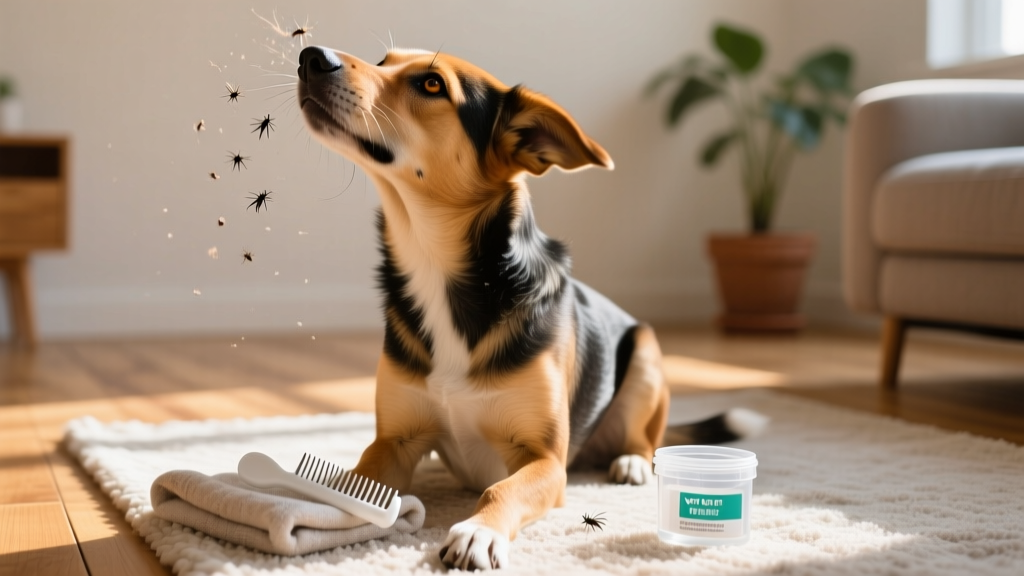
If your dog is scratching relentlessly, you're not alone — flea infestations are one of the most common reasons pet owners visit veterinary clinics each year. The good news? With the right combination of treatment, environmental control, and prevention, you can break the flea life cycle and protect your dog long-term. This guide walks you through exactly how to rid a dog of fleas using evidence-based methods that actually work.
How to Identify Fleas on Your Dog
Fleas are small, wingless insects that feed on your dog's blood. Here's what you're looking for:
Flea Identification Checklist
- Size: 1.5–3.3 mm (about 1/16 to 1/8 inch) — roughly the size of a pinhead or small sesame seed
- Color: Dark reddish-brown when unfed; lighter brown to black after feeding
- Shape: Laterally flattened (side-to-side), which helps them move through fur
- Movement: Extremely fast crawlers; they jump up to 7 inches vertically and 13 inches horizontally
- Where to find them: Base of the tail, belly, groin, armpits, and around the neck — warm, less-furred areas
- Flea dirt: Small black specks that look like ground pepper; place on a damp white paper towel — if they dissolve into reddish-brown streaks, that's digested blood (confirming flea presence)
The most common flea species found on dogs is Ctenocephalides felis — the cat flea. Despite the name, it infests dogs, cats, ferrets, and even rabbits. True dog fleas (Ctenocephalides canis) are far less common in the United States.
How Do I Know if My Dog Has Fleas?
Beyond seeing the fleas themselves, watch for these behavioral and physical signs:
| Mild Infestation | Moderate Infestation | Severe Infestation |
|---|---|---|
| Occasional scratching, especially at tail base | Frequent scratching, biting at skin, restlessness | Constant scratching, hair loss, open sores, pale gums (anemia) |
| Few flea dirt specks found during combing | Visible flea dirt throughout coat; some live fleas spotted | Fleas visibly swarming; tapeworm segments in stool |
| No skin changes visible | Red, irritated skin; hot spots developing | Flea allergy dermatitis; secondary bacterial infections; lethargy |
Dogs with flea allergy dermatitis (FAD) can have severe reactions to just one flea bite. According to the Merck Veterinary Manual, FAD is the most common skin disease in dogs, and even a single bite can trigger intense itching that lasts 5–7 days.
Understanding the Flea Life Cycle
Knowing how fleas reproduce is critical to understanding why getting rid of them requires more than just treating your dog. The flea life cycle has four stages, and only one of them — the adult — lives on your pet.
The Four Stages of Flea Development
- Egg (2–12 days): Adult females lay 20–50 eggs per day. Eggs are tiny (0.5 mm), white, oval-shaped, and non-sticky — they fall off your dog into carpets, bedding, and yard soil. A single female can produce up to 2,000 eggs in her lifetime.
- Larva (4–18 days): Eggs hatch into worm-like larvae (2–5 mm) that avoid light and burrow deep into carpet fibers, cracks in flooring, and shaded outdoor areas. They feed on adult flea dirt (feces) and organic debris.
- Pupa (5–14 days, up to 5 months): Larvae spin cocoons and develop into pupae. This is the most resilient stage — pupae can remain dormant for weeks to months, waiting for vibrations, warmth, or CO₂ that signal a host is nearby. No insecticide kills pupae effectively.
- Adult (2–3 months on host): Newly emerged adults jump onto the nearest warm body within seconds. They begin feeding within minutes and start laying eggs within 24–48 hours of their first blood meal.
Key insight: At any given time, adult fleas on your dog represent only about 5% of the total flea population. The other 95% (eggs, larvae, pupae) are in your home and yard. This is why treating the environment is non-negotiable.
How Dogs Get Fleas
Flea transmission happens through several routes, and understanding these helps you target your prevention strategy:
- Environmental exposure: Walking through infested yards, parks, or wooded areas where flea pupae lie dormant in grass and soil. Flea pupae can survive outdoors for up to 5 months in shaded, humid areas.
- Contact with other animals: Interaction with infested dogs, cats, rabbits, opossums, raccoons, or rodents at dog parks, groomers, boarding facilities, or even in your own yard.
- Your own home: Fleas hitchhike indoors on clothing, shoes, or other pets. Once inside, they establish a breeding population in carpets, upholstered furniture, and pet bedding.
- Wildlife vectors: Opossums, raccoons, and feral cats are prolific flea carriers. If these animals shelter under your deck, in your crawl space, or near your home's foundation, they seed your yard with fleas.
Temperature and humidity drive flea activity. Fleas thrive at 65–80°F (18–27°C) with 70–85% humidity. In most of the United States, peak flea season runs from early spring through late fall, but in warm-climate states like Florida, Texas, and Southern California, fleas are a year-round problem.
How to Treat a Flea Infestation: Step-by-Step Protocol
Effective flea elimination requires a three-pronged approach: treating your dog, treating your home, and treating your yard. Skipping any one of these will lead to reinfestation.
Step 1: Treat Your Dog (Day 1)
Start with a fast-acting oral adulticide to kill the fleas currently on your dog:
| Treatment Type | Examples | Speed of Kill | Duration | Cost Range |
|---|---|---|---|---|
| Prescription oral (isoxazolines) | NexGard (afoxolaner), Bravecto (fluralaner), Simparica (sarolaner), Credelio (lotilaner) | Kills fleas within 2–8 hours | 1–3 months depending on product | $18–$30/dose |
| OTC topical | Frontline Plus (fipronil + S-methoprene), Advantage II (imidacloprid + pyriproxyfen) | Kills fleas within 12–24 hours | 30 days | $10–$18/dose |
| OTC oral (fast-kill) | Capstar (nitenpyram) | Kills adult fleas within 30 minutes | 24 hours only — no residual protection | $10–$14/dose |
| Prescription topical | Revolution Plus (selamectin + sarolaner), Bravecto Topical | Kills fleas within 8–12 hours | 1–3 months | $20–$35/dose |
| Flea shampoo/dip | Various pyrethrin-based shampoos | Kills on contact during bath | No residual — fleas return immediately | $8–$15/bottle |
Recommended protocol for active infestations: Many veterinarians recommend starting with Capstar (nitenpyram) for rapid knockdown — it kills adult fleas within 30 minutes — followed by a prescription isoxazoline (NexGard, Bravecto, Simparica, or Credelio) for sustained monthly or quarterly protection. This two-step approach provides both immediate relief and ongoing prevention.
Step 2: Treat Your Home (Days 1–14)
Because 95% of the flea population lives off your pet, environmental treatment is essential:
- Wash all bedding — your dog's bed, your bed linens, couch covers, and any washable fabric your dog contacts — in hot water (at least 140°F / 60°C) and dry on high heat for at least 20 minutes.
- Vacuum thoroughly — carpets, rugs, upholstered furniture, baseboards, and cracks in hardwood flooring. Pay special attention to areas where your dog sleeps. Vacuuming physically removes eggs, larvae, and pupae, and the vibrations stimulate dormant pupae to hatch (making them vulnerable to treatment). Dispose of vacuum bags or empty canisters into sealed trash bags outside immediately.
- Apply an insect growth regulator (IGR) spray — products containing methoprene or pyriproxyfen (e.g., Precor, Nylar) prevent eggs and larvae from developing into adults. These sprays remain active in carpet fibers for 3–7 months. Cost: $15–$30 per can, treating approximately 1,500–2,000 square feet.
- Consider professional pest control for severe infestations. A licensed exterminator typically charges $150–$400 for a flea treatment, depending on home size. Ask specifically about IGR-containing products and whether pets need to vacate during treatment.
Step 3: Treat Your Yard (Days 1–21)
Outdoor flea control targets shaded, humid areas where larvae thrive:
- Mow lawn short and remove leaf litter, debris, and brush piles where fleas shelter.
- Apply outdoor flea spray containing permethrin or bifenthrin to shaded areas — under decks, along fence lines, near dog houses, and in kennel runs. Avoid spraying areas where pollinators are active. Cost: $15–$35 per hose-end sprayer covering 2,500–5,000 sq ft.
- Use beneficial nematodes (Steinernema carpocapsae) as a biological control. These microscopic worms eat flea larvae in soil. Apply with a hose-end sprayer to moist, shaded areas. Cost: $15–$30 for 10 million nematodes covering approximately 3,000 sq ft.
- Discourage wildlife — secure trash cans, seal crawl space openings, and trim tree branches that allow raccoons and opossums roof access.
Repeat yard treatment every 2–3 weeks during peak flea season, as pupae continue to hatch over several weeks.
Flea Prevention Products Compared
Once you've eliminated the active infestation, consistent prevention is what keeps fleas from returning. Here's how the major prevention categories compare:
| Category | Active Ingredients | Duration | Prescription? | Efficacy Rating | Annual Cost |
|---|---|---|---|---|---|
| Oral isoxazolines (NexGard, Simparica, Credelio) | Afoxolaner, sarolaner, or lotilaner | Monthly | Yes | ★★★★★ (95–100% efficacy) | $200–$360 |
| Oral fluralaner (Bravecto) | Fluralaner | Every 12 weeks | Yes | ★★★★★ (95–100% efficacy) | $80–$120 |
| Topical fipronil combos (Frontline Plus) | Fipronil + S-methoprene | Monthly | No (OTC) | ★★★☆☆ (70–90%, resistance reported in some regions) | $120–$200 |
| Topical imidacloprid combos (Advantage II, K9 Advantix II) | Imidacloprid + pyriproxyfen (or permethrin in Advantix) | Monthly | No (OTC) | ★★★★☆ (85–95%) | $120–$200 |
| Flea collars (Seresto) | Imidacloprid + flumethrin | Up to 8 months | No (OTC) | ★★★★☆ (85–95%) | $50–$65 (replaced ~1.5x/year) |
| Natural/essential oil collars | Cedarwood, peppermint, citronella oils | 3–6 months (claimed) | No (OTC) | ★☆☆☆☆ (limited evidence of efficacy) | $15–$30 |
According to the American Veterinary Medical Association (AVMA), prescription isoxazoline products have become the gold standard for flea and tick prevention due to their high efficacy, ease of administration, and strong safety profiles in clinical trials. However, the FDA has noted rare neurological adverse events with isoxazolines, so dogs with seizure disorders should be evaluated carefully — consult your veterinarian to determine the safest option for your dog.
Seasonal Flea Risk Calendar
Flea pressure varies dramatically by region and season. Use this calendar to anticipate risk periods and time your prevention accordingly:
Regional Flea Season Guide (U.S.)
| Region | Peak Season | Moderate Risk | Year-Round Prevention Needed? |
|---|---|---|---|
| Southeast (FL, GA, AL, MS, LA, TX Gulf Coast) | March–November | December–February (indoor infestations possible) | Yes — fleas survive indoors and in sheltered outdoor microclimates year-round |
| Southwest (AZ, SoCal, NM) | March–October | November–February (lower but present) | Yes in low-desert areas; moderate in high-desert regions |
| Mid-Atlantic (VA, MD, NC, SC, TN) | April–October | March, November | Recommended — indoor infestations can persist through winter |
| Northeast / Midwest (NY, MA, IL, OH, MI, WI) | May–October | April, November | Recommended — heated homes sustain indoor flea populations |
| Mountain West / Northern Plains (CO, MT, WY, ND, MN) | June–September | May, October | Case-by-case — lower outdoor risk but indoor risk persists |
Most veterinary dermatologists now recommend year-round flea prevention regardless of region, because heated homes create ideal conditions for indoor flea survival even in cold climates.
Health Risks: Diseases Transmitted by Fleas
Fleas are more than a nuisance — they are vectors for several serious diseases and conditions:
- Flea allergy dermatitis (FAD): The most common allergic skin disease in dogs. A single flea bite triggers intense itching, hair loss, hot spots, and secondary bacterial infections in sensitized dogs.
- Tapeworms (Dipylidium caninum): Dogs ingest infected fleas while grooming, and tapeworm larvae develop into adults in the intestines. You may see rice-like segments around the anus or in stool. Treatment requires a prescription dewormer (praziquantel).
- Bartonellosis (cat scratch disease): Bartonella henselae bacteria are transmitted by flea feces. In dogs, it can cause fever, lameness, lymph node enlargement, and endocarditis. The CDC notes this is a zoonotic concern — humans can contract it from flea-infected pets.
- Murine typhus: Rickettsia typhi can be transmitted by fleas, primarily in coastal areas of Texas and Southern California.
- Anemia: In severe infestations — especially in puppies, small breeds, or debilitated dogs — blood loss from hundreds of flea bites daily can cause life-threatening anemia. Signs include pale gums, lethargy, and rapid breathing. This is a veterinary emergency.
- Pale or white gums (possible anemia)
- Puppy under 8 weeks old with visible fleas
- Severe hair loss, open wounds, or signs of skin infection (pus, foul odor)
- Lethargy, collapse, or rapid breathing
- Rice-like segments in stool or around anus (tapeworms)
- Neurological signs after applying any flea product (tremors, seizures, drooling)
Can Fleas Spread to Humans or Other Pets?
Zoonotic Potential
Yes — fleas can and do bite humans, though they prefer animal hosts. Cat fleas (C. felis) will bite people in heavily infested environments, typically leaving clusters of small, itchy red bumps on ankles and lower legs. While fleas don't typically establish permanent infestations on humans, they can transmit Bartonella bacteria and, rarely, plague (Yersinia pestis) in the southwestern United States.
Other Pets
Fleas readily transfer between dogs, cats, ferrets, and rabbits in the same household. If one pet has fleas, all pets in the home must be treated simultaneously, regardless of whether they show signs. Use species-appropriate products — many dog-safe flea treatments are toxic to cats and small mammals. Consult your veterinarian for safe product recommendations across all household species.
How Often Should You Treat Your Dog for Fleas?
Consistency is the single biggest factor in long-term flea control. Here's the treatment frequency by product type:
- Monthly oral preventives (NexGard, Simparica, Credelio): Administer on the same date each month, year-round. Missing even one dose allows fleas to re-establish.
- Quarterly oral preventive (Bravecto): Administer every 12 weeks. Set calendar reminders — 4 doses per year.
- Monthly topicals (Frontline Plus, Advantage II): Apply every 30 days. Do not bathe your dog 48 hours before or after application, as these products distribute through skin oils.
- Flea collars (Seresto): Replace every 8 months. Check fit monthly — the collar should sit snugly against the skin, not on top of fur.
For active infestations, expect the full elimination cycle to take 2–3 months minimum. This timeline accounts for the pupal stage's dormancy — even after you've killed all adults, new fleas will continue emerging from cocoons in your home for weeks. Continue treatment without interruption until you see zero fleas for at least 30 consecutive days.
Common Mistakes That Prevent Flea Elimination
In my years working with dog owners dealing with flea infestations, these are the most frequent reasons treatment fails:
- Treating only the dog, not the environment. Remember: 95% of the flea population is in your carpets, bedding, and yard.
- Inconsistent prevention. Skipping even one monthly dose gives fleas a window to re-establish. Set phone reminders.
- Using the wrong weight-range product. Under-dosing a 70 lb dog with a product rated for 25–50 lb dogs results in sub-therapeutic levels. Always weigh your dog and match the product's weight range.
- Bathing too soon after topical application. Topical products need 24–48 hours to distribute through the skin's oil layer. Bathing or swimming during this window washes the product off.
- Assuming "natural" means effective. Essential oil-based flea products, diatomaceous earth, and garlic supplements have not demonstrated reliable flea-killing efficacy in peer-reviewed studies. Garlic is also toxic to dogs at sufficient doses. Rely on proven veterinary products for active infestations.
- Stopping treatment too early. Even when you stop seeing fleas on your dog, dormant pupae in your home may still be hatching. Maintain prevention for at least 3 months after the last visible flea.
Frequently Asked Questions
Can I use Dawn dish soap to kill fleas on my dog?
Dawn dish soap can kill adult fleas on contact by breaking down their exoskeleton's waxy coating. However, it provides zero residual protection — fleas will jump right back on within hours. It also strips your dog's skin of natural oils, which can cause dryness and irritation. If you use Dawn as an emergency measure, follow up with a proper preventive product within 24 hours. Never use Dawn as a long-term flea strategy.
How long does it take to fully get rid of fleas?
For a typical home infestation, expect 2–3 months of consistent treatment to achieve complete elimination. This accounts for the pupal dormancy period (up to 5 months in worst cases, though most pupae hatch within 2–4 weeks when stimulated by vacuuming and host presence). The key is never breaking the treatment cycle during this period.
Are flea preventives safe for my dog?
FDA-approved flea preventives have strong safety records when used according to label directions. The isoxazoline class (NexGard, Bravecto, Simparica, Credelio) underwent rigorous clinical trials before approval. The FDA has noted rare neurological adverse events in dogs with pre-existing seizure disorders — if your dog has a history of seizures, discuss alternative options with your veterinarian. Overall, the risk of serious adverse reactions is far lower than the health risks posed by untreated flea infestations.
My dog is on a flea preventive but still has fleas. What's going on?
Several explanations are possible: (1) The preventive was applied late or a dose was missed, allowing a gap in coverage. (2) Your home environment has a heavy flea burden that hasn't been addressed — the product kills fleas that bite your dog, but new fleas keep emerging from the environment. (3) You're seeing "hitchhiker" fleas — newly emerged adults that jump on your dog from the yard and are killed within hours but are visible in the interim. (4) In rare cases, product resistance may be a factor with older OTC products like fipronil in certain geographic areas. Consult your veterinarian to troubleshoot.
Can puppies get fleas, and how do I treat them?
Yes, puppies are especially vulnerable to fleas and flea-borne anemia. Most prescription and OTC flea products are not approved for puppies under 6–8 weeks of age or under 4–5 lb. For very young puppies, manual removal with a fine-toothed flea comb and bathing with mild puppy shampoo are the safest options until they're old enough for veterinary-approved preventives. Consult your veterinarian for age-appropriate product recommendations.
Do indoor dogs need flea prevention?
Yes. Fleas enter homes on clothing, shoes, other pets, and visiting humans. Wildlife such as mice, rats, and even birds nesting near your home can carry fleas indoors. Once inside, heated homes provide ideal conditions for year-round flea reproduction. Indoor-only dogs still benefit from consistent flea prevention, though a veterinarian may recommend a different product or frequency based on lower exposure risk.
Dr. Hannah Wickes
All our authors care for dogs every day — read more of their work on the authors page.


