How to Get a Dog to Drink Water: Safe Hydrating Foods That Work
Learn how to get a dog to drink water using safe, hydrating human foods.
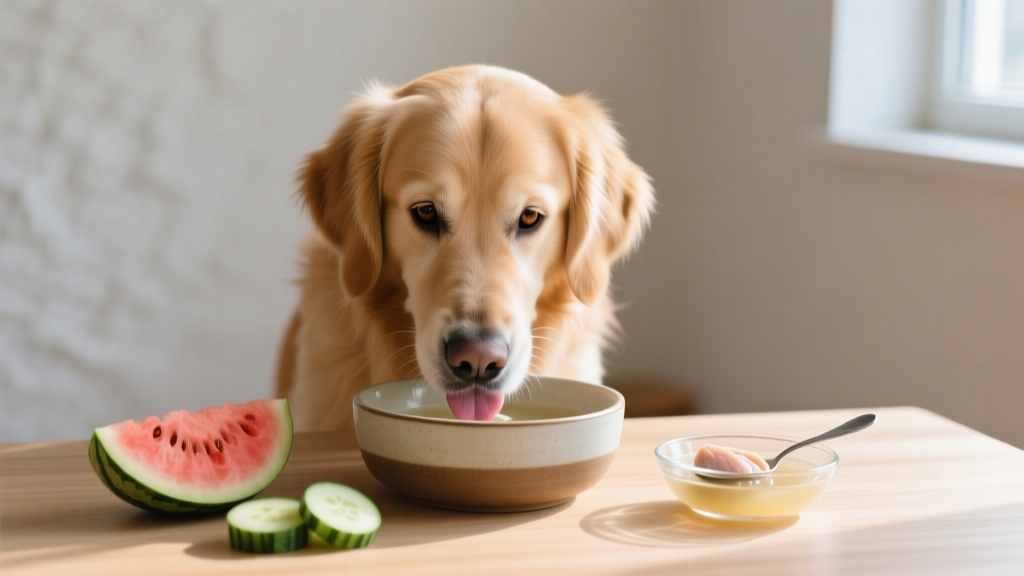
If your dog turns their nose up at the water bowl, you're not alone — and you're right to be concerned. Chronic under-hydration in dogs increases the risk of urinary tract infections, kidney stress, and heat-related illness. While encouraging bowl drinking matters, one of the most effective strategies owners overlook is feeding water-rich human foods as part of a daily hydration plan.
Foods like cucumber, watermelon (seedless), celery, and plain bone broth can safely supplement your dog's water intake. They must be prepared without seasoning, seeds, or pits, and portioned according to your dog's weight. Always consult your veterinarian before making dietary changes, especially for dogs with kidney disease, diabetes, or heart conditions.
Why Hydration Matters: The Numbers Behind Canine Water Needs
A healthy adult dog needs approximately 1 ounce of water per pound of body weight per day (about 60 mL per kg). That means a 50 lb (23 kg) Labrador needs roughly 50 oz (1.5 L) of water daily. Dogs eating kibble — which contains only 6–10% moisture — need significantly more supplemental water than dogs on wet food (which is 70–80% moisture).
According to the Merck Veterinary Manual, even mild dehydration (5% body water loss) causes lethargy, dry gums, and reduced skin elasticity. At 10% loss, organ function becomes compromised. Water-rich foods can contribute 2–8 oz of supplemental fluid per serving depending on the food and portion.
Top Hydrating Foods and Safe Serving Sizes by Weight
Not all water-rich foods are equally safe or practical. Below are the best options ranked by water content, safety profile, and ease of preparation. All serving sizes assume the food is a supplement to a complete and balanced diet — not a meal replacement.
| Food | Water Content | Small Dogs (10–25 lb / 5–11 kg) | Medium Dogs (26–60 lb / 12–27 kg) | Large Dogs (61–100+ lb / 28–45+ kg) |
|---|---|---|---|---|
| Cucumber (peeled, sliced) | 96% | 2–3 thin slices (1 tbsp diced) | 4–6 slices (2–3 tbsp diced) | 8–10 slices (¼ cup diced) |
| Watermelon (seedless, rind removed) | 92% | 1–2 small cubes (1 tbsp) | 3–4 cubes (2 tbsp) | 5–6 cubes (¼ cup) |
| Celery (washed, chopped) | 95% | 1 small piece (½ inch) | 2–3 pieces (1 tbsp chopped) | 4–5 pieces (2 tbsp chopped) |
| Plain bone broth (no onion/garlic) | 99% | 1–2 tbsp | 2–4 tbsp | ¼–½ cup |
| Strawberries (hulled, sliced) | 91% | 1 berry (halved) | 2–3 berries | 4–5 berries |
| Zucchini (raw or steamed, plain) | 94% | 2–3 thin rounds | 4–6 rounds (2 tbsp diced) | 8–10 rounds (¼ cup diced) |
| Ice cubes (plain water) | 100% | 1 small cube | 2–3 cubes | 3–5 cubes |
Key rule: Treats and supplemental foods should never exceed 10% of your dog's total daily caloric intake, per AKC nutritional guidelines. The portions above stay well within that threshold.
Nutritional Benefits of Hydrating Foods for Dogs
Beyond water content, these foods deliver micronutrients that support overall health. Here's what you're actually adding to your dog's diet:
| Food | Key Nutrients | Specific Benefit |
|---|---|---|
| Cucumber | Vitamin K (16.9 mcg/100g), Vitamin C (2.8 mg/100g), Potassium (147 mg/100g) | Low-calorie hydration; vitamin K supports blood clotting |
| Watermelon | Vitamin A (569 IU/100g), Lycopene (4.5 mg/100g), Potassium (112 mg/100g) | Antioxidant support; vitamin A aids vision and immune function |
| Celery | Vitamin K (29.3 mcg/100g), Folate (36 mcg/100g), Fiber (1.6g/100g) | Freshens breath; fiber supports digestion |
| Bone broth | Collagen, Glucosamine, Glycine, Calcium | Joint support; glycine aids liver detoxification |
| Strawberries | Vitamin C (58.8 mg/100g), Manganese (0.39 mg/100g), Fiber (2g/100g) | Immune support; malic acid helps whiten teeth |
Nutrient values sourced from USDA FoodData Central. Amounts are per 100g of raw food.
How to Prepare Hydrating Foods Safely
Improper preparation turns safe foods into hazards. Follow these steps for each category:
Fruits (Watermelon, Strawberries)
- Remove all seeds. Watermelon seeds can cause intestinal blockage in small dogs. Strawberry seeds are generally safe but may irritate sensitive stomachs.
- Remove rinds and hulls. Watermelon rind is fibrous and difficult to digest — it causes vomiting and diarrhea in most dogs.
- Cut into bite-sized pieces appropriate for your dog's mouth size. For dogs under 15 lb, pieces should be no larger than a pea.
- Serve fresh or frozen. Frozen watermelon cubes are excellent for hot days and slow down consumption.
Vegetables (Cucumber, Celery, Zucchini)
- Wash thoroughly to remove pesticide residue. Organic is preferable but not required if washed well.
- Peel cucumbers if your dog has a sensitive stomach — the skin contains cucurbitacin, which causes mild bitterness and gas in some dogs.
- Chop celery into small pieces. Celery strings are a documented choking hazard, especially for dogs under 20 lb. Cut across the grain into ½-inch pieces.
- Serve raw or lightly steamed (no oil, butter, salt, or seasoning). Steaming softens vegetables for senior dogs with dental issues.
Bone Broth
- Use only plain, unseasoned broth. Commercial broths frequently contain onion powder, garlic powder, or excessive sodium — all toxic or harmful to dogs.
- Check the label for xylitol (sometimes listed as birch sugar), an artificial sweetener that is lethal to dogs even in small amounts.
- Make homemade broth by simmering beef or chicken bones in water for 12–24 hours with a tablespoon of apple cider vinegar. Strain, cool, and skim fat before serving.
- Serve warm (not hot) — test on your wrist like baby formula. Alternatively, freeze in ice cube trays for portion-controlled treats.
When NOT to Use Hydrating Foods (and Dogs Who Should Avoid Them)
While these foods are safe for most dogs, specific conditions require restrictions:
- Diabetic dogs: Watermelon and strawberries contain natural sugars (6–8g per 100g). These can cause blood glucose spikes. Stick to cucumber, celery, or plain ice cubes instead.
- Dogs with kidney disease: High-potassium foods (watermelon, bone broth) may worsen hyperkalemia. Your veterinarian will advise on potassium limits — typically under 0.6% of dry matter for stage 3–4 CKD.
- Dogs with heart conditions (especially congestive heart failure): Bone broth can contain significant sodium (200–500 mg per cup in commercial versions). Use only homemade, unsalted broth or avoid entirely.
- Puppies under 12 weeks: Their digestive systems are still developing. Stick to their prescribed puppy food and fresh water. Introduce supplemental foods only after your vet clears them at the 12-week wellness visit.
- Dogs with a history of pancreatitis: Bone broth must be fully defatted. Any residual fat can trigger a pancreatitis flare. Chill the broth, remove the solidified fat layer, and reheat before serving.
What Happens If Your Dog Eats Too Much of These Foods?
Overconsumption of hydrating foods typically causes osmotic diarrhea — the excess water and fiber pull fluid into the intestines. This is self-limiting in most cases and resolves within 12–24 hours once the food is withdrawn.
Specific risks by food:
- Watermelon overconsumption: Diarrhea, bloating, and in rare cases, lycopene-related stomach cramping. More than 1 cup for a medium dog in one sitting is excessive.
- Celery strings: Can cause choking or esophageal obstruction. If your dog is gagging, pawing at the mouth, or retching without producing vomit, this is an emergency — go to your nearest veterinary clinic immediately.
- Bone broth: Commercial broths with hidden onion or garlic can cause hemolytic anemia. Symptoms include pale gums, weakness, rapid breathing, and dark urine. Onset is typically 1–5 days after ingestion.
- Ice cubes: Aggressive chewers can fracture teeth (specifically the maxillary fourth premolar — the large carnassial tooth). Offer ice only to dogs who lick or gently crunch.
- Vomiting or diarrhea lasting more than 24 hours
- Signs of bloat (distended abdomen, unproductive retching, restlessness) — this is a life-threatening emergency (GDV)
- Pale or white gums after consuming bone broth (possible hemolytic anemia from hidden onion/garlic)
- Choking, difficulty swallowing, or drooling excessively
- Lethargy combined with refusal to drink water for more than 12 hours
ASPCA Animal Poison Control: (888) 426-4435 (24/7, consultation fee applies) if you suspect your dog consumed broth containing onion, garlic, or xylitol.
Foods to Avoid — Related Hydration Traps
Some water-rich foods that seem like good hydration options are actually dangerous:
| Food | Why It's Dangerous | Toxic Dose |
|---|---|---|
| Grapes and raisins | Cause acute kidney failure in dogs; mechanism still not fully understood (tartaric acid suspected per 2021 JAVMA research) | As little as 0.3 oz per kg of body weight (raisins are more concentrated) |
| Onion (raw, cooked, powdered) | N-propyl disulfide destroys red blood cells causing hemolytic anemia | 15–30g per kg of body weight; powdered form is more concentrated |
| Cherries | Pits, stems, and leaves contain cyanogenic glycosides (cyanide precursor) | Flesh is safe in tiny amounts but pit ingestion risks obstruction and cyanide exposure |
| Tomatoes (green/unripe) | Solanine and tomatine in stems, leaves, and unripe fruit cause GI and neurological symptoms | Ripe red tomato flesh is generally safe; avoid all green parts |
Practical Hydration Strategy: A Daily Framework
Here's a structured approach to boosting your dog's water intake using food, organized by meal timing:
- Morning: Add 1–4 tbsp of plain bone broth to your dog's kibble at breakfast. This adds moisture and palatability to dry food.
- Midday: Offer 1–2 frozen watermelon cubes or cucumber slices as a training reward during a walk. Physical activity increases thirst, and the hydrating snack bridges the gap until they drink.
- Evening: Top dinner with 1–2 tbsp of warm bone broth or mix in finely diced celery and zucchini.
- Before bed: Offer an ice cube as a wind-down treat. Many dogs enjoy the texture, and it provides a final hydration boost.
Track your dog's water intake by filling the bowl with a measured amount each morning and measuring what remains at night. A 50 lb dog should be consuming roughly 50 oz (about 6.25 cups) total per day from all sources. If you're consistently seeing more than 30% left over after adding hydrating foods, consult your veterinarian — persistent low water intake can signal underlying illness including dental pain, nausea, or metabolic disorders.
Frequently Asked Questions
Can dogs eat watermelon to stay hydrated?
Yes, seedless watermelon without rind is safe and 92% water. Limit portions to 1–2 cubes for small dogs and up to ¼ cup for large dogs. Avoid watermelon for diabetic dogs due to its natural sugar content (approximately 6.2g per 100g).
How much cucumber can I give my dog daily?
Cucumber is one of the safest hydrating foods due to its minimal calorie content (16 calories per 100g) and 96% water. You can safely offer 2–3 slices daily for small dogs and up to ¼ cup diced for large dogs. Peel the cucumber if your dog experiences gas.
Is bone broth safe for all dogs?
Plain, unseasoned, fully defatted bone broth is safe for most dogs. However, dogs with kidney disease, heart conditions, or pancreatitis need restrictions. Never use commercial broth containing onion, garlic, or xylitol. When in doubt, consult your veterinarian before introducing bone broth.
My dog still won't drink water even with these foods — what should I do?
Try these additional strategies: use a pet water fountain (moving water attracts many dogs), offer water in multiple locations, add a splash of tuna water (from tuna packed in water, not oil) to their bowl, or switch to wet food which is 70–80% moisture. If your dog consistently refuses water for more than 24 hours, schedule a veterinary exam — dehydration can indicate illness.
Can I give my puppy frozen fruit for hydration?
Puppies over 12 weeks can have small amounts of frozen watermelon or cucumber as a teething aid and hydration supplement. Keep portions very small (1 pea-sized piece for toy breeds, 1–2 small cubes for medium breeds). Introduce one new food at a time and monitor for 24–48 hours for digestive upset.
Do dogs on wet food still need hydrating supplements?
Wet food provides significant moisture (typically 70–80% water), so dogs eating exclusively wet food have a lower risk of dehydration. However, supplemental hydrating foods can still be beneficial in hot weather, during illness, or for dogs prone to urinary crystals. Monitor total caloric intake to avoid overfeeding when adding supplements to wet food diets.
This article provides educational guidance and does not replace professional veterinary advice. Always consult your veterinarian before introducing new foods to your dog's diet, especially if your dog has existing health conditions.
Jonas Cole
All our authors care for dogs every day — read more of their work on the authors page.


