How to Drain Dogs Anal Glands: A Complete Veterinary Guide
Learn how to drain dogs anal glands safely, recognize impaction symptoms, understand veterinary treatment costs, and prevent recurring anal sac disease.
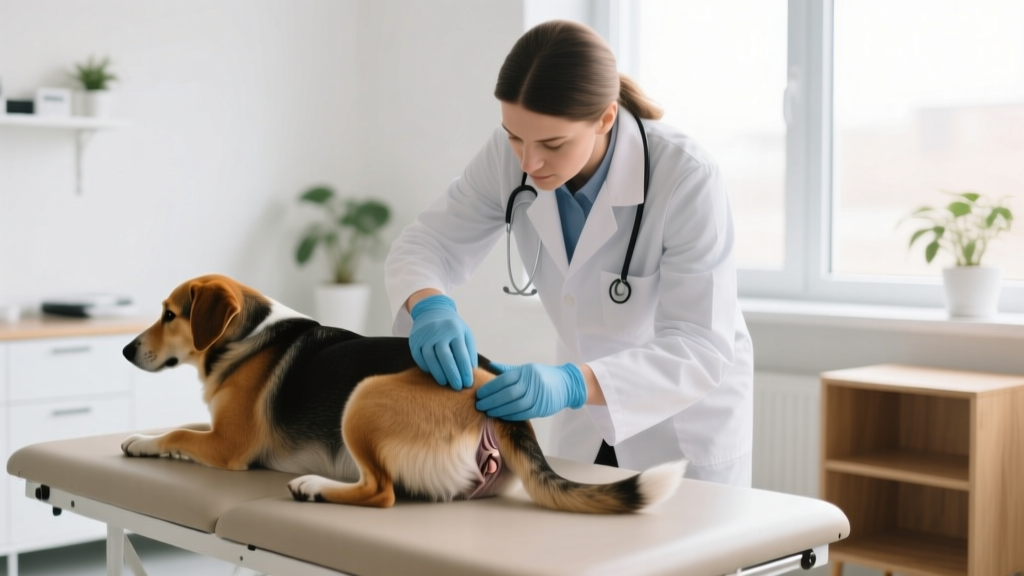
What Are Anal Glands and Why Do They Need Draining?
Every dog has two small anal sacs (commonly called anal glands) located at the 4 and 8 o'clock positions just inside the anus. These pea-sized to grape-sized structures produce a pungent, oily secretion that dogs use for territorial marking and individual identification. In a healthy dog, these sacs empty naturally during defecation when firm stool presses against them. When they don't empty properly, the secretion thickens, accumulates, and can lead to impaction, infection, abscess formation, or even rupture.
Anal sac disease is one of the most common conditions seen in small animal practice. According to the Merck Veterinary Manual, anal sac impaction affects an estimated 12% of dogs at some point in their lives, with small and toy breeds disproportionately affected. The condition exists on a spectrum: simple impaction (thickened secretion), sacculitis (inflammation/infection), abscess (walled-off infection), and rupture (the abscess breaks through the skin).
Many dog owners search for how to drain dogs anal glands at home — and while external expression is possible for maintenance, internal expression and any treatment of infection or abscess requires veterinary training and equipment. Attempting to drain infected or abscessed glands without professional guidance risks worsening the condition, causing extreme pain, and spreading infection into surrounding tissue.
Symptoms of Anal Sac Disease: Early Warning Signs vs. Advanced Stages
Recognizing symptoms early can mean the difference between a simple 15-minute veterinary expression and a surgical intervention costing over $1,500. Symptoms progress as the condition worsens from impaction to infection to abscess and rupture.
| Severity | Symptoms | Typical Stage |
|---|---|---|
| Mild / Early |
|
Impaction (thickened secretion) |
| Moderate |
|
Sacculitis (inflammation/infection) |
| Severe / Urgent |
|
Abscess or Rupture |
If your dog is showing any moderate or severe symptoms, do not attempt home expression. These stages require veterinary assessment, possible sedation, and often antibiotic therapy. A ruptured anal gland abscess is not life-threatening in most cases, but it is extremely painful and requires professional wound management to heal properly.
Risk Factors: Which Dogs Are Most Prone to Anal Gland Problems?
Not all dogs will ever need their anal glands manually expressed. Some dogs go their entire lives with perfectly self-emptying sacs. But certain factors significantly increase the likelihood of recurrent impaction and disease.
Key Risk Factors for Anal Sac Disease
- Breed: Small and toy breeds are at highest risk — Chihuahuas, Toy and Miniature Poodles, Cocker Spaniels, Dachshunds, Beagles, Lhasa Apsos, and Basset Hounds. The American Kennel Club notes that small-breed anatomy (narrower duct openings relative to sac size) makes natural emptying more difficult.
- Weight: Overweight and obese dogs have excess perianal fat that reduces the natural pressure stool applies to the sacs during defecation. A 2021 study in the Journal of Small Animal Practice found obese dogs were 2.3 times more likely to develop anal sac disease than dogs at ideal body condition score (BCS 4–5/9).
- Stool consistency: Chronic soft stools or diarrhea mean insufficient pressure to express sacs naturally. Dogs on low-fiber diets or those with food sensitivities causing loose stool are at higher risk.
- Age: Most common in adult dogs aged 3–8 years, though it can occur at any age.
- Chronic allergies: Environmental or food allergies causing perianal inflammation can narrow the duct openings, impeding drainage.
- Previous episodes: Once a dog has had impacted anal sacs, the sacs may become stretched (loss of muscular tone), making natural emptying less effective going forward. Recurrence rates are high — estimated at 40–60% within 12 months without dietary or management changes.
How Veterinarians Diagnose Anal Sac Disease
Diagnosis of anal sac disease is primarily clinical — meaning your vet will base the diagnosis on physical examination findings rather than extensive lab work. Here is what to expect during the diagnostic process:
- History and symptom review: Your vet will ask about scooting behavior, licking, odor, stool consistency, diet, and any previous episodes. Be specific about duration — "three days of scooting" versus "intermittent scooting for two months" leads to different treatment plans.
- Visual inspection: The vet examines the perianal area for swelling, redness, discharge, or open wounds. In abscess cases, the diagnosis is often immediately obvious.
- Digital rectal examination: The vet inserts a gloved, lubricated finger into the rectum to palpate both anal sacs. This determines the size, consistency of contents (thin fluid vs. thick paste vs. solid material), and whether the ducts are patent (open). Most dogs tolerate this with mild restraint; painful cases may require sedation.
- Expression and content evaluation: The vet expresses the sac contents onto gauze or into a container. Normal secretion is thin, brown, and oily. Impacted secretion is thick, pasty, and gray-brown. Infected secretion may contain pus (yellow-green) or blood.
- Cytology (if infection suspected): A sample of the discharge may be placed on a slide, stained, and examined under a microscope for bacteria, yeast, or inflammatory cells. Cost: $35–$75.
- Bacterial culture and sensitivity (recurrent infections): If your dog has had multiple infections, the vet may send a sample to a lab to identify the specific bacteria and determine which antibiotics will be most effective. Cost: $80–$150. Results take 3–5 business days.
- Blood work (if systemic illness suspected): In cases of abscess with fever or lethargy, a CBC and chemistry panel may be recommended to assess white blood cell count and organ function. Cost: $120–$250.
For most straightforward impaction cases, the diagnosis and treatment happen in the same visit — the vet palpates, expresses, and sends you home with management instructions. Total visit cost for simple expression: $30–$75 at a general practice clinic.
How to Drain Dogs Anal Glands: Veterinary Techniques Explained
Understanding the two expression techniques helps you know what to expect at the vet and why professional handling matters. There are two accepted methods for draining anal glands:
External Expression
This is the less invasive technique, often used for routine maintenance in dogs prone to impaction but without active infection:
- A warm, damp washcloth or paper towel is placed over the anal area.
- The expressionist applies gentle, firm pressure at the 4 and 8 o'clock positions (relative to the anus viewed from behind).
- Pressure is applied inward and slightly upward, milking the sac contents out through the duct opening.
- The process is repeated on the other side.
- The area is wiped clean and inspected for any abnormal discharge.
External expression works well when the secretion is still relatively fluid and the ducts are open. It is less effective for severely impacted sacs with thick, pasty material.
Internal Expression
This is the more thorough technique, preferred by most veterinarians for impacted or problematic glands:
- A gloved, lubricated index finger is inserted into the rectum.
- The thumb is placed on the outside of the anal area, directly over the target sac.
- The sac is gently compressed between the thumb and index finger, applying controlled pressure to express the full contents through the duct.
- The vet can directly assess the sac wall for thickening, masses, or pain response.
- The process is repeated on the opposite side.
Internal expression allows the veterinarian to feel the sac directly, assess its health, and ensure complete emptying. It is more effective for thick impactions and allows detection of abnormalities like polyps or tumors (rare, but possible — anal sac adenocarcinoma accounts for approximately 17% of perianal tumors in dogs, per the Merck Veterinary Manual).
Treatment Options by Severity Stage
Treatment varies significantly depending on whether your dog has simple impaction, infection, abscess, or rupture. Here is a comparison of approaches, costs, and expected outcomes:
| Stage | Treatment | Cost Range | Recovery Time | Success Rate |
|---|---|---|---|---|
| Impaction | Manual expression (external or internal), dietary fiber increase, weight management | $30–$75 per visit | Immediate relief; management ongoing | Excellent with management; 40–60% recurrence without lifestyle changes |
| Sacculitis (Infection) | Expression, sac lavage (flushing with antiseptic solution), oral antibiotics (e.g., amoxicillin-clavulanate or cephalexin for 10–14 days), topical anti-inflammatory | $100–$300 (including exam, expression, cytology, antibiotics) | 7–14 days for resolution; follow-up expression at 2 weeks | 90%+ with appropriate antibiotics and complete course compliance |
| Abscess | Sedation, lancing and drainage, thorough lavage, oral antibiotics (14–21 days), warm compresses at home, pain medication (NSAIDs or tramadol), possible recheck with repeat lavage | $300–$800 (including sedation, procedure, medications, recheck) | 2–4 weeks for complete healing; wound may drain for 5–10 days | 85–95% heal fully with proper wound care; some dogs require repeat treatment |
| Rupture | Wound debridement under sedation, extensive lavage, oral antibiotics (14–21 days), pain management, daily wound care (flushing with dilute chlorhexidine), Elizabethan collar, possible surgical closure if wound is large | $500–$1,500+ (depending on severity, need for surgical closure, and number of rechecks) | 3–6 weeks; wound heals by second intention (open, from inside out) | 80–90% heal with conservative management; surgical repair may be needed in complex cases |
| Chronic/Recurrent (3+ episodes/year) | Surgical removal of both anal sacs (anal sacculectomy) — considered when medical management repeatedly fails | $800–$2,500 (varies by clinic, anesthesia protocol, and complication risk) | 2–3 weeks post-operative recovery; 10–14 days of restricted activity | 95%+ resolution of anal sac disease; 5–10% risk of temporary or permanent fecal incontinence (higher with closed technique vs. open technique) |
About Anal Sacculectomy (Surgical Removal)
Anal sacculectomy is the definitive treatment for dogs with chronic, recurrent anal sac disease that does not respond to medical management. The procedure involves surgically removing both anal sacs under general anesthesia. Most dogs recover fully and live normal lives without their anal sacs — the sacs serve a communication purpose but are not essential for health or bowel function.
The primary risk is damage to the external anal sphincter during surgery, which can cause temporary or (rarely) permanent fecal incontinence. Board-certified veterinary surgeons report incontinence rates of approximately 5% with the open dissection technique and slightly higher with the closed technique. This risk should be discussed thoroughly with your veterinarian or a surgical specialist before proceeding.
Home Care and Ongoing Management
Whether your dog has just had their glands expressed at the vet or is recovering from an abscess, home care is critical to preventing recurrence and supporting healing.
Dietary Modifications
The single most impactful management change for dogs with recurrent anal gland issues is improving stool firmness. Firmer stools apply more natural pressure to the anal sacs during defecation, promoting self-emptying.
- Increase dietary fiber: Adding 1–4 teaspoons of canned plain pumpkin (not pie filling) per meal, depending on dog size, can firm stools effectively. For a 20 lb (9 kg) dog, start with 1–2 teaspoons twice daily.
- High-fiber therapeutic diets: Prescription diets like Hill's Prescription Diet w/d, Royal Canin Gastrointestinal, or Purina Pro Plan Veterinary OM may be recommended by your vet for dogs needing significant fiber increase.
- Fiber supplements: Psyllium husk powder (Metamucil, unflavored) at a dose of approximately 1 teaspoon per 10 lb (4.5 kg) of body weight per meal, mixed into food. Always introduce gradually to avoid gas.
- Avoid table scraps and high-fat treats: These can soften stool and contribute to gastrointestinal upset.
- Ensure adequate hydration: Increased fiber without adequate water can cause constipation, which creates its own problems. Fresh water should always be available.
Weight Management
If your dog is overweight, a structured weight loss plan will reduce perianal fat deposits and improve natural sac emptying. Target a body condition score (BCS) of 4–5 on the 9-point scale. Your veterinarian can calculate your dog's ideal caloric intake and recommend a weight management diet. Even a 10–15% reduction in body weight can significantly improve anal gland function in overweight dogs.
Post-Abscess or Post-Rupture Wound Care
If your dog is recovering from a lanced abscess or ruptured anal gland, your vet will provide specific wound care instructions. Typical protocols include:
- Warm compresses: Apply a warm, damp washcloth to the area for 5–10 minutes, 2–3 times daily for the first 5–7 days. This promotes drainage and reduces swelling.
- Wound flushing: Your vet may prescribe a dilute chlorhexidine solution (0.05% concentration) for gentle flushing of the wound once or twice daily. Use a syringe (without needle) to gently irrigate the wound opening.
- Elizabethan collar (cone): Essential to prevent licking, which introduces bacteria and delays healing. Keep the cone on at all times until the wound is fully closed — typically 10–21 days.
- Monitor drainage: Some bloody or purulent drainage is normal for the first 5–7 days after lancing. If drainage increases after initially decreasing, or if it becomes foul-smelling, contact your vet.
Expression Schedule for Maintenance
For dogs with chronic impaction issues, a regular expression schedule can prevent buildup:
- Frequency: Every 4–8 weeks, depending on how quickly your dog's sacs fill. Some dogs need monthly expression; others can go 2–3 months.
- Monitoring: Watch for early signs (scooting, odor) between scheduled expressions. If signs appear before the next appointment, schedule an earlier visit.
- Who should express: Many veterinary clinics offer technician-only expression appointments at a lower cost ($20–$40) than a full veterinary exam. Some professional groomers also offer external expression as an add-on service, though quality and technique vary significantly.
Cost Breakdown: What to Budget for Anal Gland Care
Anal sac disease costs range from routine maintenance to significant surgical expenses. Here is a realistic cost breakdown based on 2026 US veterinary pricing:
| Service | General Practice | Emergency / Specialty |
|---|---|---|
| Routine expression (technician visit) | $20–$40 | $50–$85 |
| Exam + expression (impaction) | $50–$100 | $120–$200 |
| Infection treatment (exam, cytology, expression, antibiotics) | $150–$350 | $300–$600 |
| Abscess treatment (sedation, lancing, lavage, medications) | $350–$800 | $600–$1,500 |
| Anal sacculectomy (surgical removal) | $800–$1,800 | $1,500–$2,500+ |
| Bacterial culture and sensitivity | $80–$150 | $100–$180 |
| Annual maintenance (4–6 expressions/year + 1–2 vet exams) | $150–$400/year | N/A |
Costs vary significantly by geographic region. Urban and coastal veterinary clinics typically charge 20–40% more than rural practices. Emergency clinic visits carry a triage/examination fee of $100–$200 before any treatment begins. Pet insurance with illness coverage typically reimburses 70–90% of anal sac disease treatment costs (after deductible), as long as the condition is not pre-existing.
When to See the Vet Immediately
🚨 Red Flag Symptoms — Seek Veterinary Care Within 24 Hours
- Visible swelling or lump beside the anus, especially if warm to the touch or rapidly enlarging
- Blood or pus draining from the anal area or an open wound near the anus
- Fever — rectal temperature above 103°F (39.4°C), accompanied by lethargy
- Extreme pain — your dog yelps, snaps, or becomes aggressive when the rear area is approached
- Refusal to defecate for more than 48 hours, especially with straining attempts
- Systemic illness signs — lethargy, vomiting, refusal to eat or drink for more than 24 hours
- Rupture — an open, draining wound near the anus that appeared suddenly (often after days of swelling)
Do not attempt to drain abscessed or ruptured glands at home. These conditions require sedation, professional wound management, and prescription antibiotics. Delaying treatment increases pain, infection spread risk, and overall treatment cost.
Prevention Strategies for Recurring Anal Gland Issues
While you cannot eliminate the risk entirely, several evidence-based strategies significantly reduce the frequency of anal sac problems:
- Maintain firm, well-formed stools: This is the cornerstone of prevention. Work with your vet to find a diet that produces consistently firm (but not hard) stools. The ideal stool is log-shaped, holds its form, and is easy to pick up without leaving residue. If your dog chronically has soft stools, investigate food sensitivities, parasite burdens, or other GI conditions.
- Keep your dog at a healthy weight: A body condition score of 4–5/9 reduces perianal fat and improves natural expression. For a 30 lb (13.6 kg) dog, even losing 3–4 lb (1.4–1.8 kg) can make a noticeable difference.
- Regular exercise: Physical activity promotes healthy GI motility and regular, firm bowel movements. Aim for at least 30–60 minutes of daily activity appropriate to your dog's breed and age.
- Treat allergies aggressively: If your dog has environmental or food allergies causing perianal inflammation, work with your vet on allergy management (e.g., Apoquel, Cytopoint, elimination diet trials). Reducing inflammation at the duct openings improves drainage.
- Probiotics for GI health: A canine-specific probiotic (e.g., Purina FortiFlora, Proviable-DC) can help stabilize gut flora and improve stool consistency in dogs with sensitive stomachs. Discuss with your vet whether this is appropriate for your dog.
- Avoid unnecessary manual expression: Counterintuitively, expressing anal glands that are functioning normally can stretch the sacs over time and reduce their ability to self-empty. Only express when there are clinical signs of fullness or on a schedule recommended by your veterinarian for a dog with documented recurrent issues.
Prognosis and Long-Term Outlook
The prognosis for anal sac disease depends on the stage at diagnosis and the underlying cause:
| Stage | Prognosis | Long-Term Outlook |
|---|---|---|
| Impaction | Excellent | Fully manageable with dietary changes and periodic expression. Many dogs improve enough with fiber and weight management to no longer need regular expression. |
| Sacculitis (Infection) | Very Good | Resolves with appropriate antibiotics. Recurrence possible but manageable. Most dogs return to normal within 2 weeks. |
| Abscess | Good to Very Good | Heals with proper drainage and antibiotics over 2–4 weeks. Some dogs develop scar tissue that makes future impaction more likely, potentially leading to surgical recommendation. |
| Rupture | Good | Wound heals by second intention over 3–6 weeks. Scar tissue formation is common. Dogs with rupture often become candidates for sacculectomy to prevent recurrence. |
| Post-Sacculectomy | Excellent | Anal sac disease is permanently resolved. 90–95% of dogs have no long-term complications. Normal life expectancy unaffected. |
Anal sac disease does not reduce life expectancy in the vast majority of cases. Even dogs requiring sacculectomy go on to live full, normal lives. The rare exception is anal sac adenocarcinoma (a malignant tumor of the anal sac), which is a separate and more serious condition requiring oncology consultation and carries a guarded prognosis depending on staging and metastasis.
Frequently Asked Questions
Can I express my dog's anal glands at home safely?
External expression can be done at home if your veterinarian has trained you on proper technique and your dog's glands are simply full (not infected or abscessed). You will need disposable gloves, paper towels, and a warm washcloth. However, if you feel resistance, your dog shows pain, or the discharge is bloody or purulent, stop immediately and see your vet. Internal expression should never be attempted at home by an untrained person.
How often should a dog's anal glands be expressed?
There is no universal schedule. Most dogs never need manual expression — their glands empty naturally during defecation. For dogs with recurrent impaction, expression every 4–8 weeks is common. Over-expressing healthy glands can actually cause problems by stretching the sac walls and reducing natural tone. Follow your veterinarian's recommendation based on your dog's individual history.
Does my dog's diet affect anal gland health?
Significantly. The most important dietary factor is fiber content, which directly affects stool firmness. Dogs eating low-fiber, highly processed diets often have softer stools that fail to apply adequate pressure to the anal sacs. Increasing fiber through pumpkin, psyllium, or a veterinary therapeutic diet is the first-line management strategy. Some dogs also benefit from novel protein or limited-ingredient diets if food allergies are contributing to perianal inflammation.
Are certain breeds more likely to need anal gland expression?
Yes. Small and toy breeds are significantly overrepresented: Chihuahuas, Toy and Miniature Poodles, Cocker Spaniels, Dachshunds, Lhasa Apsos, Basset Hounds, and Beagles are among the most commonly affected. The narrower duct openings relative to sac size in small breeds make natural emptying less efficient. Large breeds can also develop anal sac disease, but at lower rates.
Is anal gland expression painful for dogs?
Normal expression of healthy or mildly full glands causes brief discomfort — most dogs tolerate it with mild restraint. Expression of inflamed, infected, or abscessed glands is painful, and your vet may recommend sedation to perform the procedure humanely. If your dog is in significant pain, do not attempt expression at home; seek veterinary care where pain management and sedation are available.
What happens if anal gland impaction is left untreated?
Untreated impaction typically progresses: the thickened secretion continues to accumulate, the sac stretches and becomes inflamed (sacculitis), bacteria may invade causing infection, and eventually the sac may abscess and rupture through the skin. Each stage is more painful, more expensive to treat, and carries greater risk of complications. Early intervention at the impaction stage is always preferable.
Can anal gland problems be a sign of something more serious?
In rare cases, yes. Anal sac adenocarcinoma (cancer of the anal sac) can present with similar symptoms — swelling, discharge, and difficulty defecating. This is more common in older dogs (average age 10 years) and in certain breeds including Spaniels and Dachshunds. Additionally, persistent anal gland issues can occasionally be associated with perianal fistulas (immune-mediated condition seen especially in German Shepherds) or rectal masses. If your dog's anal gland problems are atypical, asymmetric, or unresponsive to standard treatment, your vet may recommend further diagnostics including biopsy or imaging.
Robin Maitland
All our authors care for dogs every day — read more of their work on the authors page.


