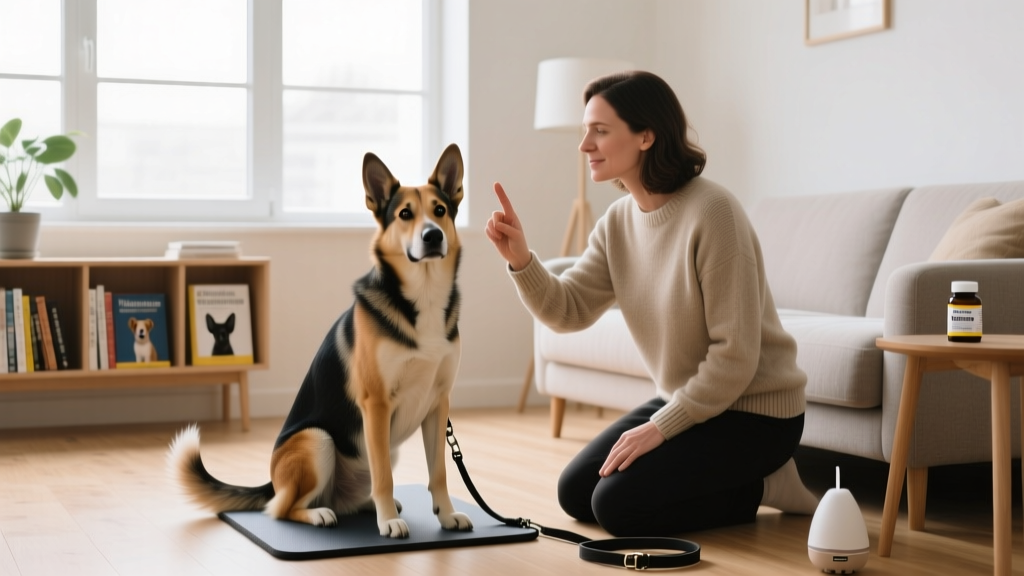
How Much Benadryl Can You Give a Dog? Safe Dosage Guide
Learn exactly how much Benadryl you can give a dog by weight, safe dosing intervals, side effects, toxic formulations to avoid, and when to call the vet.
Can I Give My Dog Benadryl?
Yes — Benadryl (diphenhydramine) is one of the few human over-the-counter medications that veterinarians commonly recommend for dogs. It has a well-established safety profile in canines when dosed correctly and when the formulation contains only diphenhydramine as the active ingredient. According to the Merck Veterinary Manual, diphenhydramine is classified as a first-generation H1-receptor antagonist that crosses the blood-brain barrier, producing both antihistamine and mild sedative effects in dogs.
However, "safe" comes with critical caveats. Many pharmacy shelves stock Benadryl products that contain additional active ingredients — decongestants, pain relievers, alcohol, or the artificial sweetener xylitol — any of which can be toxic or fatal to dogs. Before reaching for that box, you need to know the exact formulation, your dog's weight, and whether any pre-existing conditions make antihistamines risky.
How Benadryl Works in Dogs
Diphenhydramine hydrochloride blocks H1 histamine receptors throughout the body. When a dog encounters an allergen (a bee sting, a vaccine antigen, environmental pollen), mast cells release histamine, triggering vasodilation, itching, swelling, and mucus production. Diphenhydramine competitively binds to those receptors, preventing histamine from attaching and dampening the allergic cascade.
Because diphenhydramine is a first-generation antihistamine, it readily crosses into the central nervous system. This produces the drowsiness most owners notice — and it is also why the drug is sometimes used off-label for mild anxiety or motion sickness. Second-generation antihistamines like cetirizine (Zyrtec) or loratadine (Claritin) do not cross the blood-brain barrier as effectively and are less sedating, which is why vets sometimes prefer them for chronic allergy management without the drowsy side effect.
How Much Benadryl Can You Give a Dog? Dosage by Weight
The standard veterinary dosing guideline for diphenhydramine in dogs is 1 milligram per pound of body weight (2 mg per kilogram), given orally every 8 to 12 hours. This is the dose cited by the American Kennel Club's veterinary-reviewed resources and widely used in general practice.
Here is a practical reference chart. Remember: these are starting-point guidelines. Your veterinarian may adjust the dose up or down depending on the condition being treated.
| Dog Weight | Single Dose (mg) | Equivalent in 25 mg Tablets | Frequency |
|---|---|---|---|
| 5 lb / 2.3 kg | 5 mg | ¼ tablet (or 2 mL children's liquid at 12.5 mg/5 mL) | Every 8–12 hrs |
| 10 lb / 4.5 kg | 10 mg | ½ tablet (or 4 mL children's liquid) | Every 8–12 hrs |
| 15 lb / 6.8 kg | 15 mg | ½ tablet + ¼ tablet | Every 8–12 hrs |
| 25 lb / 11.3 kg | 25 mg | 1 tablet | Every 8–12 hrs |
| 50 lb / 22.7 kg | 50 mg | 2 tablets | Every 8–12 hrs |
| 75 lb / 34 kg | 75 mg | 3 tablets | Every 8–12 hrs |
| 100 lb / 45.4 kg | 100 mg | 4 tablets | Every 8–12 hrs |
Formulation Warnings — What to Buy and What to Avoid
This is where most mistakes happen. You must read the Drug Facts label on every box. Here are the specifics:
- Safe: Benadryl Allergy tablets (25 mg diphenhydramine HCl as the only active ingredient). Store-brand "diphenhydramine HCl 25 mg" is identical and usually cheaper — around $4–$7 for 100 tablets.
- Safe with caution: Children's Benadryl liquid (12.5 mg per 5 mL). Useful for small dogs under 15 lb where splitting tablets is impractical. Verify the inactive ingredients list does not include xylitol (also labeled as "birch sugar").
- UNSAFE — Do NOT use: Benadryl Allergy Plus Congestion (contains phenylephrine, a decongestant toxic to dogs). Benadryl Severe Allergy Plus Sinus Headache (contains acetaminophen). Any "Fast Melt" or "Dye-Free" liquid formulation without confirming xylitol-free status. Xylitol triggers rapid insulin release in dogs, causing life-threatening hypoglycemia within 30–60 minutes of ingestion.
- UNSAFE — Do NOT use: Topical Benadryl cream (diphenhydramine + zinc oxide or other compounds). Dogs lick it off, and concentrated topical ingestion can cause overdose.
What Is Benadryl Used for in Dogs?
Veterinarians recommend diphenhydramine for several conditions, spanning both FDA-approved labeling (there is no FDA-approved canine diphenhydramine product, so all use in dogs is technically off-label) and widely accepted veterinary practice:
- Acute allergic reactions: Bee stings, wasp stings, insect bites, and contact dermatitis. Benadryl can reduce facial swelling, hives, and itching. For anaphylaxis (throat swelling, collapse, vomiting after a sting), Benadryl alone is not sufficient — epinephrine and emergency veterinary care are required.
- Vaccine reaction prophylaxis: Some vets pre-dose small dogs or dogs with prior vaccine reactions with diphenhydramine 30 minutes before vaccination to reduce the risk of a hypersensitivity response.
- Mild environmental allergies (atopic dermatitis): Benadryl can provide short-term itch relief during peak pollen seasons. However, studies show first-generation antihistamines are effective in only about 20–30% of atopic dogs, so your vet may recommend alternatives like oclacitinib (Apoquel) or lokivetmab (Cytopoint) for chronic cases.
- Motion sickness: The sedative and anti-nausea properties of diphenhydramine can help dogs prone to car sickness. Dose 30–60 minutes before travel.
- Mild situational anxiety: Fireworks, thunderstorms, or vet visits. The drowsiness effect can take the edge off mild anxiety. This is not a substitute for a structured behavior modification plan or prescription anti-anxiety medication for dogs with severe fear or phobia.
- Insulinoma adjunct therapy (prescribed by vet): In specific endocrine cases, diphenhydramine's anticholinergic effects are used under close veterinary supervision. This is a specialist-level application — do not attempt at home.
Side Effects and Drug Interactions
Most dogs tolerate diphenhydramine well at standard doses, but side effects are possible. Understanding the difference between expected mild effects and dangerous reactions helps you decide when to monitor at home and when to call the vet.
| Side Effect | Frequency | Severity | Action |
|---|---|---|---|
| Drowsiness / sedation | Very common (~50–60%) | Mild | Expected — monitor, ensure safe resting spot |
| Dry mouth | Common | Mild | Provide extra water |
| Urinary retention | Uncommon | Moderate | Monitor urination; call vet if no urine in 12 hrs |
| GI upset (vomiting, diarrhea) | Uncommon | Mild–Moderate | Give with food; call vet if persistent |
| Paradoxical excitation (hyperactivity) | Rare (~5%) | Moderate | Discontinue; try alternative antihistamine |
| Rapid heart rate / tremors | Rare (overdose sign) | Severe | Call vet or emergency clinic immediately |
| Seizures | Rare (overdose / toxicity) | Severe | Emergency — seek veterinary care now |
Drug Interactions
Do NOT combine diphenhydramine with these medications without explicit veterinary approval:
- Other CNS depressants: Acepromazine, trazodone, gabapentin, benzodiazepines — compounded sedation can cause dangerous respiratory depression.
- MAO inhibitors: Selegiline (Anipryl), used for canine cognitive dysfunction. Combining with diphenhydramine can trigger serotonin syndrome-like reactions.
- Tricyclic antidepressants: Amitriptyline, clomipramine — both have anticholinergic properties that stack with diphenhydramine, increasing risk of urinary retention, tachycardia, and hyperthermia.
- Epinephrine: Diphenhydramine can potentiate the cardiovascular effects of epinephrine; your vet will manage this interaction if treating anaphylaxis.
When Benadryl Is Dangerous: Contraindications
Some dogs should never receive diphenhydramine, or should only receive it under direct veterinary monitoring. Skip the OTC approach and consult your vet first if your dog has any of the following:
- Glaucoma: Diphenhydramine's anticholinergic effects can increase intraocular pressure, worsening the condition.
- Cardiovascular disease (especially hypertension or tachyarrhythmias): The drug can elevate heart rate and blood pressure.
- Prostatic disease or bladder neck obstruction: Urinary retention side effects become dangerous in dogs already struggling to urinate.
- Hyperthyroidism: Rare in dogs (more common in cats), but anticholinergic effects can exacerbate tachycardia.
- Pregnancy or nursing: Safety data in pregnant dogs is limited. Diphenhydramine crosses the placenta and is excreted in milk.
- Puppies under 12 weeks: Immature hepatic metabolism makes dosing unpredictable. Always have a vet calculate and administer.
- Known seizure disorder: Diphenhydramine can lower the seizure threshold in predisposed dogs.
How Long Does It Take for Benadryl to Work in Dogs?
Oral diphenhydramine is absorbed relatively quickly in dogs. You should see the first effects — reduced itching, mild drowsiness — within 30 to 45 minutes of administration. Peak plasma concentration occurs at approximately 1.5 to 2 hours post-dose. The therapeutic effect typically lasts 4 to 6 hours in most dogs, which is why the standard dosing interval is every 8 to 12 hours (allowing a slight overlap to maintain coverage).
For acute allergic reactions like a bee sting, if you don't see any improvement in swelling or hives within 60 minutes of dosing, contact your veterinarian. The reaction may be more severe than diphenhydramine can manage, and your dog may need injectable corticosteroids or epinephrine.
Overdose Symptoms and Emergency Response
Diphenhydramine toxicity in dogs typically occurs at doses exceeding 5 mg per pound (11 mg per kg) — that is five times the standard dose. However, individual sensitivity varies, and smaller dogs or dogs with hepatic impairment may show signs at lower thresholds.
🚨 Overdose Red Flags — Seek Emergency Veterinary Care If You Observe:
- Extreme lethargy progressing to unresponsiveness
- Agitation, tremors, or muscle twitching (paradoxical CNS excitation at toxic doses)
- Rapid or irregular heartbeat (tachycardia above 160 bpm at rest)
- Dilated pupils that do not constrict in bright light
- Vomiting or diarrhea that won't stop
- Seizures
- Difficulty breathing or respiratory depression
- Hyperthermia (rectal temperature above 104°F / 40°C)
Immediate Steps:
- Call your nearest emergency veterinary clinic or the ASPCA Animal Poison Control Center: (888) 426-4435 (a consultation fee of approximately $95 applies).
- Do NOT induce vomiting unless specifically instructed by a veterinary professional — diphenhydramine's sedative effect can cause aspiration if the dog vomits while drowsy.
- Have ready: your dog's weight, the exact product name, the mg strength, how many tablets/mL were consumed, and the time of ingestion.
- Bring the medication packaging with you to the clinic.
Emergency veterinary treatment for diphenhydramine overdose may include activated charcoal administration (if within 2 hours of ingestion), IV fluid diuresis, cardiac monitoring, temperature management, and in severe cases, IV lipid emulsion therapy. Treatment costs for a single emergency visit typically range from $250 to $1,500+ depending on the severity and whether overnight monitoring is required.
Are There Alternatives to Benadryl for Dogs?
Yes. Depending on the condition, your veterinarian may recommend alternatives that are more effective, longer-acting, or have fewer side effects:
| Alternative | Best For | Key Advantage | Rx or OTC |
|---|---|---|---|
| Cetirizine (Zyrtec) | Chronic environmental allergies | Once-daily dosing, less sedation | OTC (vet-guided) |
| Loratadine (Claritin) | Mild seasonal allergies | Non-drowsy, once daily | OTC (vet-guided) |
| Oclacitinib (Apoquel) | Moderate-to-severe atopic dermatitis | Targets itch pathway directly; fast onset (4 hrs) | Prescription |
| Lokivetmab (Cytopoint) | Chronic atopic dermatitis | Injectable monoclonal antibody; lasts 4–8 weeks | Prescription (vet-administered) |
| Trazodone | Situational anxiety (storms, travel) | More reliable anxiolytic effect than diphenhydramine | Prescription |
| Cerenia (maropitant) | Motion sickness | FDA-approved for canine motion sickness; no sedation | Prescription |
For chronic allergy management, the evidence strongly favors prescription options. A 2020 review in the Journal of Veterinary Internal Medicine found that oclacitinib and lokivetmab significantly outperform first-generation antihistamines for long-term atopic dermatitis control. Benadryl remains a solid choice for acute, one-off allergic events — a surprise bee sting in the backyard, a mild vaccine reaction — but it is not a sustainable daily allergy solution for most dogs.
Frequently Asked Questions
Can I give my dog Benadryl every day?
Short-term daily use (3–5 days) for an acute flare-up is generally acceptable under veterinary guidance. Long-term daily use is not recommended without a vet's oversight because of the sedative burden, potential for tolerance development, and the availability of more effective chronic allergy medications. If your dog needs daily antihistamine support, ask your vet about cetirizine or a prescription alternative.
How much Benadryl can I give a 10-pound dog?
A 10 lb (4.5 kg) dog should receive approximately 10 mg of diphenhydramine per dose, given every 8 to 12 hours. That is roughly half of a standard 25 mg tablet, or 4 mL of children's diphenhydramine liquid (12.5 mg per 5 mL concentration). Always confirm with your veterinarian before the first dose.
Can I use liquid Benadryl for my dog?
You can use children's liquid diphenhydramine (12.5 mg per 5 mL) if you have verified that the inactive ingredients do not contain xylitol (birch sugar), alcohol, or additional active ingredients like decongestants. Read the full Drug Facts panel. Some generic store-brand children's liquids are xylitol-free and cost around $5–$8 for a 4 oz bottle, while name-brand Children's Benadryl may cost $8–$12.
What should I do if Benadryl doesn't help my dog's allergic reaction?
If hives, facial swelling, or itching do not improve within 60 minutes of a correct dose, contact your veterinarian. The reaction may require injectable corticosteroids (dexamethasone), epinephrine, or IV fluids. If your dog shows any signs of anaphylaxis — difficulty breathing, pale gums, vomiting, collapse — this is an emergency. Go to the nearest open veterinary clinic immediately.
Is Benadryl safe for puppies?
Diphenhydramine is generally not recommended for puppies under 12 weeks of age without direct veterinary supervision. Their hepatic enzyme systems (particularly cytochrome P450 pathways) are immature, making drug metabolism unpredictable. For young puppies with allergic reactions, a vet will typically administer an injectable antihistamine or corticosteroid at a precisely calculated dose.
Can I give my dog Benadryl for itching caused by flea bites?
Benadryl may provide mild temporary relief from flea bite itch, but it does not address the root cause. Effective flea control requires a veterinary-strength parasiticide (oral isoxazolines like afoxolaner, fluralaner, or sarolaner). If your dog has flea allergy dermatitis (FAD), even a single flea bite can trigger a severe reaction — talk to your vet about a comprehensive flea management plan rather than relying on antihistamines alone.
Sources: Merck Veterinary Manual — Diphenhydramine HCl | American Kennel Club — Benadryl for Dogs | ASPCA Animal Poison Control Center
Jonas Cole
All our authors care for dogs every day — read more of their work on the authors page.