How Do Dogs Get UTI? Causes, Symptoms & Treatment Guide
How do dogs get UTI? Learn causes, symptoms, diagnosis, and treatment for canine urinary tract infections.
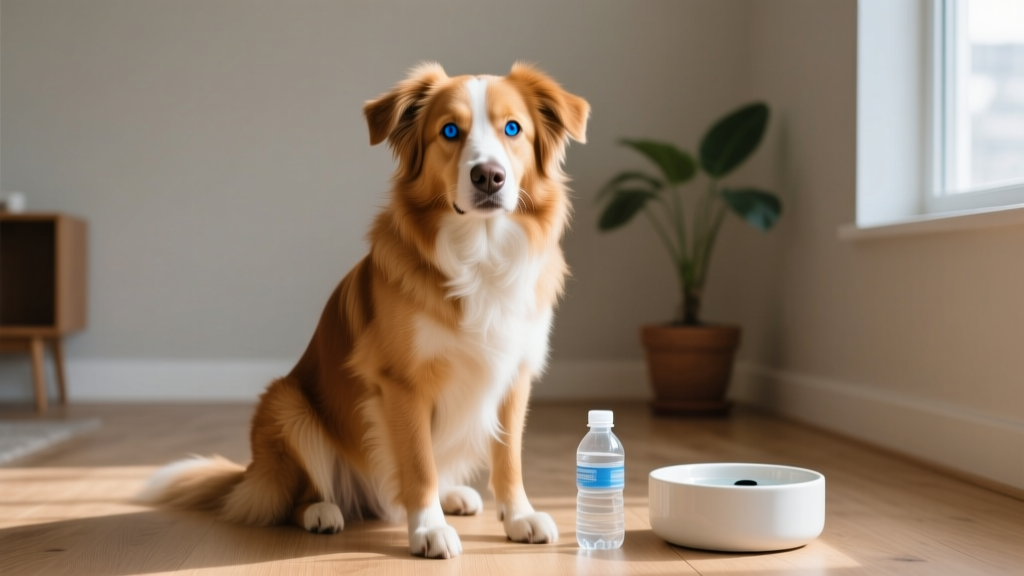
If you've noticed your dog straining to urinate, having accidents in the house, or licking their genital area excessively, you may be dealing with a urinary tract infection (UTI). Understanding how dogs get UTI is the first step toward effective treatment and prevention.
What Is a UTI in Dogs?
A urinary tract infection (UTI) occurs when bacteria—most commonly Escherichia coli—enter the urethra and travel upward into the bladder, and sometimes the kidneys. UTIs are among the most frequently diagnosed conditions in veterinary medicine, affecting approximately 14% of dogs at some point in their lives, according to the Merck Veterinary Manual. Female dogs are significantly more prone due to their shorter urethras, though males of any age can be affected, particularly those with underlying conditions like diabetes or Cushing's disease.
How Do Dogs Get UTI? The Infection Pathway
Understanding the mechanism behind canine UTIs helps owners identify risk factors and implement prevention strategies. Here's how the infection typically develops:
- Bacterial exposure: Bacteria from the environment, feces, or skin colonize the area around the vulva or prepuce. Common culprits include E. coli (responsible for 40-50% of cases), Staphylococcus, Streptococcus, Proteus, and Klebsiella.
- Urethral ascent: Bacteria migrate up the urethra into the bladder. Dogs with short urethras (females), compromised immune systems, or infrequent urination are more susceptible.
- Bladder colonization: Once in the bladder, bacteria adhere to the urothelium (bladder lining) and multiply, causing inflammation and the classic symptoms of cystitis.
- Potential kidney involvement: In severe or untreated cases, bacteria may ascend further through the ureters to the kidneys, causing pyelonephritis—a far more serious condition.
Several factors disrupt the bladder's natural defense mechanisms, which normally include frequent flushing through urination, the antimicrobial properties of urine, and the glycosaminoglycan layer that protects the bladder wall. When these defenses fail, infection takes hold.
Symptoms of UTI in Dogs: Early Warning Signs vs. Advanced Infection
Recognizing UTI symptoms early can prevent the infection from spreading to the kidneys. The following checklist organizes signs by severity:
| Severity Level | Symptoms | Action Required |
|---|---|---|
| Early (Lower UTI) | Frequent urination in small amounts; straining to urinate; blood-tinged urine (hematuria); accidents in previously house-trained dogs; excessive genital licking; strong-smelling or cloudy urine | Schedule vet appointment within 24-48 hours |
| Moderate | Vocalizing during urination; urinating only drops or nothing at all; increased water consumption (polydipsia); lethargy; reduced appetite | Same-day veterinary visit recommended |
| Advanced (Upper UTI / Pyelonephritis) | Fever (>103°F / 39.4°C); vomiting; severe lethargy or collapse; back or abdominal pain (tensing when touched); inability to urinate (obstruction); dark or foul-smelling urine | Emergency veterinary care immediately |
Important distinction: Male dogs that strain but produce no urine may have a urethral obstruction—often from crystals or stones rather than infection alone. This is a life-threatening emergency requiring intervention within hours to prevent bladder rupture and acute kidney failure.
Risk Factors: Which Dogs Are Most Prone to UTIs?
Key UTI Risk Factors in Dogs
| Sex | Female dogs are 2-3x more susceptible due to shorter urethral length (approximately 1-2 inches vs. 6+ inches in males) |
| Age | Senior dogs (8+ years) have higher rates due to declining immune function and comorbidities like diabetes or kidney disease |
| Breed Predisposition | Shih Tzus, Bichon Frises, Yorkshire Terriers, Miniature Schnauzers, and Labrador Retrievers show higher UTI and urolithiasis rates |
| Weight | Overweight dogs (BCS 7-9/9) have increased UTI risk due to skin folds trapping bacteria and reduced mobility limiting water intake and outdoor access |
| Underlying Conditions | Diabetes mellitus, Cushing's disease (hyperadrenocorticism), hypothyroidism, and chronic kidney disease significantly increase susceptibility |
| Anatomical Factors | Ectopic ureters, recessed vulva (common in overweight females), and urinary stones create environments favorable to bacterial growth |
| Medications | Long-term corticosteroid use suppresses immune response, increasing UTI risk by an estimated 30-40% |
How Veterinarians Diagnose UTIs in Dogs
Accurate diagnosis requires more than symptom observation. Your veterinarian will typically follow this diagnostic pathway:
Diagnostic Process for Canine UTI
- Physical Examination ($50-$90): Palpation of the bladder, assessment of hydration status, temperature check, and genital examination to identify anatomical abnormalities or masses.
- Urinalysis ($35-$80): The cornerstone test. Evaluates specific gravity, pH, presence of white blood cells (pyuria), red blood cells (hematuria), bacteria, and crystals. A urine specific gravity below 1.035 in dogs may indicate an inability to concentrate urine, suggesting underlying disease.
- Urine Culture & Sensitivity ($80-$180, results in 48-72 hours): Identifies the specific bacteria causing the infection and determines which antibiotics will be effective. This is considered the gold standard and is especially critical for recurrent infections.
- Blood Work — CBC & Chemistry Panel ($100-$250): Recommended for recurrent UTIs or senior dogs to screen for diabetes, kidney disease, and Cushing's disease as underlying causes.
- Abdominal Ultrasound ($300-$600): Used when stones, tumors, or anatomical abnormalities are suspected. Can detect bladder wall thickening, polyps, and uroliths that X-rays may miss (especially urate and cystine stones, which are radiolucent).
- Abdominal Radiographs ($150-$350): Identifies radiopaque bladder and kidney stones (struvite and calcium oxalate) that contribute to chronic infections.
Cystocentesis vs. free-catch: For the most accurate culture results, veterinarians prefer collecting urine via cystocentesis—inserting a sterile needle directly into the bladder through the abdominal wall. This avoids contamination from the lower urethra and genital skin. While it sounds invasive, most dogs tolerate it well with minimal discomfort, and it takes less than 60 seconds.
Treatment Options for Canine UTIs
Most uncomplicated lower UTIs respond well to antibiotic therapy, but treatment must be targeted and complete to prevent antibiotic resistance—a growing concern in veterinary medicine.
| Treatment Type | Details | Typical Duration | Success Rate | Estimated Cost |
|---|---|---|---|---|
| First-line Antibiotics | Amoxicillin (10-20 mg/kg every 8-12 hrs) or trimethoprim-sulfamethoxazole (15 mg/kg every 12 hrs) for empiric treatment before culture results | 7-14 days for uncomplicated UTI | 85-95% resolution with appropriate antibiotic | $15-$50 |
| Culture-Guided Antibiotics | Enrofloxacin, cephalexin, or other targeted antibiotics based on sensitivity results; essential for recurrent or resistant infections | 14-28 days depending on severity | 90-98% with correct antibiotic selection | $20-$80 (drug) + $80-$180 (culture) |
| Pain Management | NSAIDs (carprofen, meloxicam) or urinary analgesics like phenazopyridine to reduce bladder inflammation and discomfort | 3-7 days alongside antibiotics | Symptom relief within 24-48 hours | $20-$60 |
| Underlying Condition Management | Insulin therapy for diabetes, trilostane for Cushing's disease, dietary management for stones | Lifelong management typically required | UTI recurrence drops 60-80% when underlying condition is controlled | $50-$300/month ongoing |
| Surgical Intervention | Cystotomy for stone removal, vulvoplasty for recessed vulva, tumor excision | Recovery: 10-14 days post-surgery | 90-95% success for stone removal; variable for tumors | $1,500-$4,000 |
Critical note on antibiotic stewardship: The AVMA strongly recommends culture and sensitivity testing before prescribing antibiotics for recurrent UTIs. Empiric treatment without culture data contributes to multi-drug resistant organisms, which are increasingly reported in veterinary medicine. Always complete the full antibiotic course even if symptoms resolve within a few days—stopping early promotes resistant bacterial strains.
Prognosis and Recovery Timeline
The outlook for canine UTIs depends heavily on whether the infection is uncomplicated or complicated by underlying disease:
| Infection Type | Typical Recovery | Prognosis | Recurrence Risk |
|---|---|---|---|
| Uncomplicated Lower UTI (first occurrence, healthy adult dog) | Symptom improvement within 48-72 hours of starting antibiotics; full resolution in 7-14 days | Excellent — full recovery expected | Low (~10-15% within one year) |
| Recurrent UTI (3+ episodes per year) | Each episode requires 14-28 days of treatment; underlying cause investigation essential | Good if underlying cause identified and managed; guarded if idiopathic | High (40-60% within 6 months without addressing root cause) |
| Upper UTI / Pyelonephritis (kidney infection) | 4-6 weeks of antibiotics; possible hospitalization for IV fluids and injectable antibiotics | Fair to guarded — risk of permanent kidney damage if untreated or delayed | Moderate (25-35%); depends on residual kidney function |
| UTI with Urethral Obstruction | Emergency catheterization; 2-5 days hospitalization; surgery if stones present | Guarded — mortality rate of 5-15% if obstruction exceeds 24 hours before treatment | High for stone formers (50%+ within 3 years without dietary management) |
Home Care and Daily Management During Recovery
While antibiotics do the heavy lifting, your home care protocol directly impacts recovery speed and recurrence prevention:
Hydration Protocol
Increased water intake dilutes urine and promotes frequent bladder flushing—the body's natural defense against bacterial colonization. Aim for approximately 1 ounce of water per pound of body weight daily (a 30 lb / 14 kg dog needs roughly 30 oz / 890 mL). Strategies include:
- Adding warm water or low-sodium chicken broth (no onion or garlic) to meals
- Using a pet water fountain—many dogs drink 20-30% more from circulating water sources
- Offering ice cubes as treats throughout the day
- Switching to wet food or a 50/50 wet-dry mix during recovery (wet food is approximately 75% water vs. 10% in kibble)
Frequent Potty Breaks
During active infection, increase outdoor bathroom trips to every 3-4 hours, including overnight if possible. Holding urine for 8+ hours allows bacteria to multiply exponentially. For dogs accustomed to 2 walks per day, add a midday break and a late-evening outing until the infection clears.
Supplements with Evidence
Several supplements show promise in supporting urinary health, though none replace antibiotic therapy:
- D-Mannose (50-100 mg/kg daily): A simple sugar that prevents E. coli from adhering to the bladder wall. Several veterinary-formulated products are available, such as Vetoquinol UriSential and Nutramax Cosequin Urinary.
- Cranberry extract (standardized to proanthocyanidins): Works similarly to D-mannose. Look for veterinary-specific formulations—human cranberry supplements often contain xylitol, which is highly toxic to dogs.
- Probiotics: Strains like Lactobacillus and Bifidobacterium may help restore healthy urogenital flora, particularly during and after antibiotic courses. Purina FortiFlora or Proviable-DC are commonly recommended.
Warning: Never give your dog human UTI medications like Azo (phenazopyridine) without veterinary direction. While phenazopyridine is occasionally used in dogs, the dosage differs significantly, and some human formulations contain additional ingredients toxic to canines. Always consult your veterinarian before administering any supplement or over-the-counter product.
Prevention Strategies: Reducing UTI Recurrence
For dogs with a history of UTIs, these evidence-based prevention strategies can significantly reduce recurrence:
- Maintain optimal body condition: Dogs at ideal weight (BCS 4-5/9) have lower UTI rates. Excess weight creates perivulvar skin folds that harbor bacteria in female dogs.
- Regular veterinary wellness exams: Annual urinalysis for dogs over 7 years, or biannual for dogs with UTI history, catches subclinical infections before symptoms appear.
- Manage underlying diseases: Tightly controlled diabetes (fructosamine levels within target range) reduces UTI recurrence by an estimated 60-70%.
- Dietary considerations: For stone-forming dogs, prescription diets like Hill's c/d Multicare, Royal Canin Urinary SO, or Purina Pro Plan Veterinary Diets UR dissolve existing struvite crystals and prevent new stone formation. These require veterinary authorization.
- Hygiene practices: Wipe your dog's genital area with unscented pet wipes after outdoor activities, particularly for low-slung breeds or dogs with long perineal hair. Regular grooming of the sanitary area reduces bacterial load.
- Avoid prolonged urine holding: If you work long hours, consider a dog door, dog walker, or indoor grass patch to ensure your dog can relieve themselves at least every 6-8 hours.
Cost of UTI Treatment in Dogs: What to Budget
Treatment costs vary significantly based on infection complexity and your geographic location. Here's a realistic breakdown for 2026 veterinary pricing:
| Scenario | Components | Estimated Total Cost |
|---|---|---|
| Uncomplicated First-Time UTI | Exam + urinalysis + empiric antibiotics | $100-$220 |
| UTI with Culture & Sensitivity | Exam + urinalysis + culture + targeted antibiotics | $200-$450 |
| Recurrent UTI Investigation | Exam + urinalysis + culture + blood work + ultrasound | $550-$1,200 |
| UTI with Bladder Stones (Surgical) | Full diagnostics + cystotomy + hospitalization + stone analysis + prescription diet | $2,000-$5,000 |
| Emergency Urethral Obstruction | Emergency exam + catheterization + 2-5 days hospitalization + blood work + imaging + surgery if needed | $3,000-$8,000+ |
Pet insurance can significantly offset these costs. Most comprehensive policies (e.g., Trupanion, Healthy Paws, Nationwide) cover UTI diagnostics and treatment, though pre-existing condition exclusions apply. Average monthly premiums for accident-and-illness plans range from $35-$70 depending on breed, age, and location.
When to See the Vet: Red Flag Symptoms
🚨 Seek Immediate Veterinary Care If Your Dog Shows:
- Complete inability to urinate — straining with no urine output for 8+ hours is a medical emergency
- Vomiting combined with urinary symptoms — may indicate kidney involvement or systemic infection
- Fever above 103°F (39.4°C) — suggests infection has spread beyond the bladder
- Blood clots or entirely red/brown urine — indicates significant hemorrhage
- Severe lethargy, collapse, or inability to stand — possible sepsis or kidney failure
- Distended, painful abdomen — could signal bladder distension or rupture
Do not wait for a regular appointment. Visit your nearest emergency veterinary clinic. After-hours emergency vet visits typically cost $150-$300 for the exam alone, but delays with these symptoms can be fatal.
Frequently Asked Questions
Can a dog's UTI go away on its own without antibiotics?
While the canine immune system can occasionally clear mild bacterial colonization, relying on spontaneous resolution is risky. Untreated UTIs can ascend to the kidneys within days, causing pyelonephritis—a condition with significantly higher morbidity and treatment costs. Subclinical infections also cause ongoing bladder inflammation and discomfort even without obvious symptoms. Veterinary antibiotic therapy is strongly recommended for any confirmed UTI.
How long does it take for a dog's UTI to clear up?
Most dogs show noticeable improvement within 48-72 hours of starting appropriate antibiotics. However, the full course (typically 7-14 days for uncomplicated cases, up to 28 days for complicated infections) must be completed. Stopping antibiotics early, even when symptoms resolve, leaves surviving bacteria that can develop resistance and cause a harder-to-treat recurrence.
Are UTIs contagious between dogs?
UTIs themselves are not contagious. The bacteria that cause UTIs are typically environmental or part of the dog's own skin and gut flora. However, dogs sharing a household may share environmental risk factors (water quality, hygiene conditions) that make multiple dogs susceptible independently.
Can I test my dog for a UTI at home?
At-home urine test strips (available from brands like Petnostics or CheckUp) can detect blood, leukocytes, nitrites, and pH changes that suggest infection. However, these strips have limited sensitivity and specificity compared to laboratory urinalysis. A negative strip test does not rule out UTI, and a positive result still requires veterinary confirmation and culture to guide appropriate antibiotic selection. Use home strips as a screening tool, not a diagnostic replacement.
What is the life expectancy of a dog with recurrent UTIs?
Recurrent UTIs alone do not typically shorten a dog's life expectancy if the underlying cause is identified and managed. Dogs with well-controlled diabetes or successfully treated Cushing's disease can live normal lifespans. However, recurrent pyelonephritis (kidney infections) can cause progressive kidney damage leading to chronic kidney disease, which does impact longevity. Early intervention and thorough diagnostic investigation are key to preserving quality of life and lifespan.
Which breeds are most prone to UTIs?
According to veterinary data, breeds with elevated UTI risk include Shih Tzus, Bichon Frises, Yorkshire Terriers, Miniature Schnauzers, Lhasa Apsos, and Labrador Retrievers. This predisposition is partly genetic (tendency toward urolithiasis) and partly anatomical (conformation issues). However, any breed can develop a UTI, and mixed-breed dogs are certainly not immune.
Disclaimer: This article provides educational information about canine urinary tract infections and is not a substitute for professional veterinary diagnosis or treatment. Always consult your veterinarian if you suspect your dog has a UTI. For after-hours emergencies, contact your nearest emergency veterinary clinic or the ASPCA Animal Poison Control at (888) 426-4435 if toxic ingestion is suspected (consultation fee applies).
Dr. Hannah Wickes
All our authors care for dogs every day — read more of their work on the authors page.