How Does a Dog Get Tapeworms? Causes, Symptoms & Treatment Guide
Learn how dogs get tapeworms, from flea ingestion to raw meat exposure. Covers symptoms, diagnosis costs, treatment options, and prevention strategies.
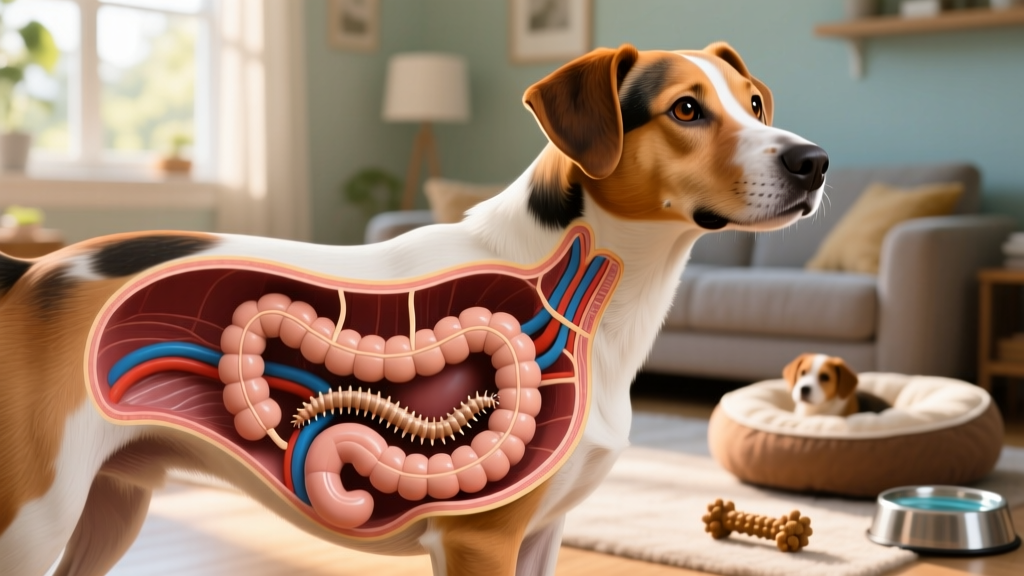
What Are Tapeworms in Dogs?
Tapeworms are flat, segmented intestinal parasites (cestodes) that attach to a dog's small intestine using hook-like structures called scolices. Unlike roundworms, tapeworms cannot complete their life cycle inside a single host — they require an intermediate host, which is precisely how a dog gets tapeworms in nearly every case. The most common species affecting dogs in the United States is Dipylidium caninum, transmitted through flea ingestion. Less common species include Taenia pisiformis (from rabbits and rodents) and Echinococcus multilocularis (from rodents in specific geographic regions).
According to the Merck Veterinary Manual, tapeworm infections are among the most frequently diagnosed parasitic conditions in companion animals. While rarely life-threatening in healthy adult dogs, heavy infestations in puppies or immunocompromised dogs can cause significant nutritional depletion, intestinal blockage, and weight loss. The good news: tapeworms are highly treatable with a single dose of the right medication in most cases.
How Does a Dog Get Tapeworms? The Transmission Routes
Understanding the tapeworm life cycle is essential because every infection pathway involves an intermediate host. Dogs do not get tapeworms directly from other dogs, from soil, or from contaminated water bowls. Here are the confirmed transmission routes:
Route 1: Flea Ingestion (Dipylidium caninum)
This accounts for the vast majority of tapeworm cases. The cycle works like this:
- An adult tapeworm in an infected dog's intestine releases egg-filled segments (proglottids) through the feces.
- Flea larvae in the environment ingest these tapeworm eggs while feeding on organic debris.
- The tapeworm egg develops into a cysticercoid larva inside the flea as it matures.
- Your dog bites or grooms an area where an infected flea is present, accidentally swallowing the flea.
- The tapeworm larva is released in the dog's intestine, attaches to the intestinal wall, and grows to adulthood in approximately 3-4 weeks.
This is why flea control and tapeworm treatment are always addressed together. Treating tapeworms without addressing the flea population guarantees reinfection.
Route 2: Hunting and Eating Prey (Taenia species)
Dogs with strong prey drives — particularly terriers, hounds, and herding breeds that spend time outdoors — can acquire Taenia pisiformis or Taenia hydatigena by eating infected rabbits, rodents, or the offal of larger animals like sheep and deer. The tapeworm larvae encyst in the prey animal's tissues and develop into adults once ingested by the dog.
Route 3: Raw or Undercooked Meat and Fish (Diphyllobothrium, Echinococcus)
Feeding a raw diet that includes uncooked freshwater fish can expose dogs to Diphyllobothrium latum (fish tapeworm). Similarly, dogs in regions where Echinococcus multilocularis is endemic (parts of the northern US, including the upper Midwest, Wyoming, and Alaska) can become infected by consuming infected rodents. The CDC notes that E. multilocularis carries zoonotic risk, meaning it can be transmitted to humans and cause a serious condition called alveolar echinococcosis.
Route 4: Ingesting Infected Livestock Offal
Dogs on farms or in rural areas that have access to raw organ meats from slaughtered livestock may ingest Taenia ovis or other species. This is primarily a concern for working farm dogs.
Tapeworm Symptoms in Dogs: What to Watch For
Many dogs with tapeworms show no obvious symptoms, especially in early or light infections. When signs do appear, they typically progress through stages of severity:
| Severity Level | Symptoms | Notes |
|---|---|---|
| Early / Mild | Rice-like segments near anus or in stool; occasional scooting; mild anal itching | Proglottids may be moving when fresh, dried and yellow when older. Scooting is caused by segments irritating the perianal area. |
| Moderate | Unexplained weight loss despite normal appetite; dull coat; intermittent diarrhea or soft stools; increased hunger (polyphagia) | The tapeworm is absorbing nutrients from the dog's digested food. Multiple worms may be present. |
| Advanced / Severe | Visible worms in vomit; abdominal distension (pot-bellied appearance); lethargy; intestinal blockage; nutritional deficiencies; failure to thrive in puppies | Heavy worm burdens can physically obstruct the intestine. Puppies and small breeds are at highest risk for severe complications. |
Risk Factors: Which Dogs Are Most Vulnerable?
Tapeworm Risk Factor Profile
- Flea exposure: Dogs without consistent flea prevention are at the highest risk, since Dipylidium caninum requires flea ingestion. Multi-pet households with cats can serve as flea reservoirs.
- Outdoor/hunting lifestyle: Dogs that chase rabbits, rodents, or have access to animal carcasses face elevated Taenia exposure.
- Raw diet feeding: Homemade raw diets that include uncooked fish, organ meats, or game carry species-specific tapeworm risks.
- Geographic location: Echinococcus multilocularis is concentrated in the northern US (Alaska, Montana, Wyoming, upper Midwest, and parts of New England). Dogs in these areas that hunt rodents face additional risk.
- Age: Puppies under 6 months are more susceptible to severe symptoms due to smaller intestinal diameter and developing immune systems.
- Breed predisposition: No breed is genetically predisposed to tapeworms. However, breeds with high prey drives (Jack Russell Terriers, Beagles, Dachshunds, Border Collies) and breeds prone to flea allergies (who groom excessively, increasing flea ingestion) may have higher exposure rates.
- Shelter/rescue origin: Dogs from overcrowded shelters or environments with poor flea control may arrive with existing tapeworm infections.
How Veterinarians Diagnose Tapeworms
If you suspect your dog has tapeworms, your veterinarian will typically follow this diagnostic process:
Diagnosis Process Flowchart
- Owner observation & history — You report seeing rice-like segments, scooting, or other symptoms. Bringing a fresh stool sample or photographing the segments helps significantly.
- Physical examination — Your vet checks body condition score (BCS), palpates the abdomen, and examines the perianal area for visible proglottids.
- Fecal flotation test — A stool sample is mixed with a special solution that causes parasite eggs to float to the surface for microscopic examination. Cost: $25-$55 depending on your region and clinic.
- Fecal sedimentation (if needed) — Some tapeworm eggs are too heavy for standard flotation. Sedimentation tests may be added. Cost: $15-$35 additional.
- Direct smear — A quick microscopic look at a fresh stool sample, often done chairside during the exam. This is fast but less sensitive than flotation.
- Species identification — Egg morphology under the microscope helps determine the tapeworm species, which guides treatment choice.
Important limitation: Standard fecal flotation tests can miss tapeworm infections because tapeworm eggs are released inside proglottid segments, not freely in the stool. A dog can have tapeworms even with a "negative" fecal test result. If your vet sees proglottids during the exam or you bring in segments, treatment may be prescribed based on visual identification alone.
According to the American Veterinary Medical Association (AVMA), routine fecal examinations should be performed 1-2 times per year for adult dogs and more frequently for puppies, regardless of whether symptoms are present.
Treatment Options for Tapeworms in Dogs
Tapeworms are among the most straightforward parasitic infections to treat in dogs. The primary medication is praziquantel, which causes the tapeworm to lose its grip on the intestinal wall and dissolve. Here is a comparison of available treatment options:
| Treatment | Type | Effective Against | Dosage | Typical Cost | Success Rate |
|---|---|---|---|---|---|
| Praziquantel (Droncit, Drontal Plus) | Prescription tablet or injection | Dipylidium caninum, Taenia species, Echinococcus | 5 mg/kg orally, single dose (your vet determines exact dose) | $15-$45 per dose (oral); $30-$65 (injectable with office visit) | 95-100% for most species with single dose |
| Praziquantel + Pyrantel + Febantel (Drontal Plus) | Prescription broad-spectrum tablet | Tapeworms + roundworms + hookworms + whipworms | Vet-determined based on weight; single dose | $20-$60 per dose | 95-100% for tapeworms |
| Epsiprantel (Cestex) | Prescription tablet | Dipylidium caninum, Taenia pisiformis | 5.5 mg/kg, single dose | $15-$35 per dose | 90-95% |
| OTC Praziquantel products (Bayer Tapeworm Dewormer) | Over-the-counter tablet | Dipylidium caninum, Taenia pisiformis only | Per package label by weight; single dose | $12-$25 | 90-95% when species is correctly identified |
What to Expect After Treatment
Within 24-48 hours of praziquantel administration, the tapeworm detaches from the intestinal wall and is digested as it passes through the GI tract. You may or may not see worm segments in the stool afterward — this is normal. A single dose is sufficient for most infections. If your dog has a heavy infestation or a species that requires a second dose, your vet will schedule a follow-up treatment 2-3 weeks later.
Mild side effects can occur in a small percentage of dogs: vomiting, diarrhea, loss of appetite, or lethargy for 12-24 hours post-treatment. These are self-limiting and resolve without intervention. Contact your vet if side effects persist beyond 48 hours.
Prognosis and Life Expectancy
The prognosis for dogs with tapeworms is excellent when treated promptly. Here is a breakdown by infection severity:
| Infection Stage | Prognosis | Recovery Timeline | Long-Term Outlook |
|---|---|---|---|
| Light infection (few worms, mild symptoms) | Excellent — full recovery expected | 1-3 days post-treatment | No lasting effects. Reinfection possible without prevention. |
| Moderate infection (weight loss, coat changes) | Very good — full recovery with treatment | 1-2 weeks for weight and coat to normalize | No lasting effects once nutritional status is restored. |
| Heavy infection (intestinal blockage, severe weight loss) | Good with aggressive treatment; guarded if obstruction is complete | 2-4 weeks for full recovery; may require supportive care | Most dogs recover fully. Rare cases of intestinal damage from prolonged blockage may require surgical intervention. |
| Puppies with heavy infestation | Good with prompt treatment; guarded if malnutrition is severe | 2-6 weeks depending on nutritional rehabilitation | Growth delays may occur but most puppies catch up with proper nutrition and follow-up deworming. |
Tapeworms do not shorten a dog's life expectancy when treated. The risk to life is extremely low and primarily associated with untreated intestinal blockage in very small or very young dogs. Even in these cases, timely veterinary intervention leads to full recovery in the overwhelming majority of patients.
Home Care, Prevention, and Ongoing Management
Immediate Post-Treatment Care
- Monitor your dog's stool for 3-5 days after treatment for any remaining segments.
- Pick up and dispose of all feces promptly to prevent environmental contamination with tapeworm eggs.
- Wash your dog's bedding in hot water (at least 140°F / 60°C) to kill any flea eggs or larvae.
- Vacuum carpets, upholstery, and areas where your dog rests to remove flea life stages from the environment.
Long-Term Prevention Strategies
Prevention is significantly cheaper and easier than repeated treatment. The Companion Animal Parasite Council (CAPC) recommends year-round parasite prevention for all dogs:
- Monthly flea prevention: Products containing fluralaner (Bravecto), afoxolaner (NexGard), or sarolaner (Simparica) kill fleas before they can transmit tapeworm larvae. Cost: $15-$25/month.
- Monthly heartworm/intestinal parasite preventives: Many combination products (Heartgard Plus, Interceptor Plus, Sentinel) include praziquantel or related compounds that treat tapeworm exposure as part of routine prevention. Cost: $8-$20/month.
- Supervise outdoor activity: Prevent your dog from eating rodents, rabbits, or animal carcasses. Use a reliable recall cue and leash in areas with high prey animal populations.
- Avoid raw freshwater fish: If feeding a raw diet, freeze fish at -4°F (-20°C) for at least 7 days to kill tapeworm larvae, or cook fish thoroughly before serving.
- Biannual fecal exams: Have your vet run a fecal flotation test every 6 months, even if your dog appears healthy.
- Treat all household pets: If one dog has tapeworms, treat all dogs and cats in the household simultaneously, and address the flea population in the home.
Cost of Tapeworm Treatment and Prevention
| Service | Low-End Cost | Average Cost | High-End Cost |
|---|---|---|---|
| Veterinary exam (office visit) | $45 | $65 | $120 |
| Fecal flotation test | $25 | $40 | $55 |
| Prescription dewormer (praziquantel) | $15 | $30 | $65 |
| Follow-up fecal test (if recommended) | $25 | $40 | $55 |
| Total for single treatment episode | $110 | $175 | $295 |
| Annual prevention (flea control + parasite preventive) | $180 | $300 | $540 |
For context, a year of comprehensive parasite prevention typically costs less than two treatment episodes for tapeworm reinfection. Prevention also protects against heartworm, roundworms, hookworms, and flea-borne diseases — making it a strong value proposition for multi-parasite coverage.
When to See the Vet: Red Flag Symptoms
Seek Veterinary Care Promptly If Your Dog Shows:
- Rice-like or sesame-seed-like segments in stool, around the anus, or on bedding — even if your dog seems otherwise fine
- Worms or worm segments in vomit — this indicates a heavy worm burden
- Unexplained weight loss despite eating normally or more than usual
- Abdominal distension or a pot-bellied appearance, especially in puppies
- Lethargy combined with GI symptoms (diarrhea, vomiting, loss of appetite)
- Signs of intestinal blockage: repeated vomiting, inability to pass stool, straining, abdominal pain (dog reacts when belly is touched)
- Failure to thrive in puppies: stunted growth, dull coat, persistent diarrhea
Intestinal blockage is a medical emergency. If your dog cannot keep food down, has not passed stool in 24+ hours, or shows signs of acute abdominal pain, contact your nearest emergency veterinary clinic immediately.
Frequently Asked Questions
Can humans get tapeworms from dogs?
Direct transmission of Dipylidium caninum from dogs to humans is extremely rare and requires accidentally ingesting an infected flea — most documented cases involve young children. Echinococcus multilocularis carries more serious zoonotic risk: humans can become infected through contact with eggs in dog feces, potentially developing alveolar echinococcosis, a serious liver condition. If you live in an endemic area and your dog hunts rodents, discuss screening with your veterinarian and your own physician.
Can I treat my dog's tapeworms with over-the-counter medication?
OTC praziquantel products (such as Bayer Tapeworm Dewormer for Dogs) are effective against Dipylidium caninum and Taenia pisiformis when used according to label directions. However, they will not treat Echinococcus or Diphyllobothrium species. Because species identification requires veterinary microscopy, and because incorrect dosing can cause side effects or treatment failure, consulting your veterinarian is the safest approach — especially for puppies, pregnant dogs, or dogs with existing health conditions.
How long does it take for tapeworms to go away after treatment?
Praziquantel begins working within hours. The tapeworm detaches and is digested within 24-48 hours. Most dogs are completely clear after a single dose. Your vet may recommend a follow-up fecal exam 2-4 weeks post-treatment to confirm elimination, especially in heavy infections or multi-pet households.
Will my dog pass dead worms after deworming?
Unlike with roundworms, you typically will not see dead tapeworms in your dog's stool after praziquantel treatment. The medication causes the tapeworm's outer covering to dissolve, and the worm is broken down by digestive enzymes as it passes through the intestine. Seeing segments after treatment is uncommon and usually means the dose was insufficient — contact your vet if this occurs.
How often should my dog be dewormed for tapeworms?
Routine deworming for tapeworms is not necessary if your dog is on a consistent monthly flea preventive and parasite control program. Deworming should be done when an infection is confirmed through fecal testing or visual identification of proglottids. Puppies may be dewormed more frequently as part of their initial vaccination and wellness protocol — your vet will establish the appropriate schedule.
Can tapeworms cause anemia in dogs?
Unlike hookworms, tapeworms do not feed on blood and do not typically cause anemia. However, very heavy tapeworm infections can lead to nutritional deficiencies — including impaired iron absorption — which may contribute to mild anemia over time. This is uncommon and resolves with treatment and proper nutrition.
This article is for informational purposes and does not replace professional veterinary advice. Always consult your veterinarian for diagnosis and treatment of parasitic infections in your dog.
Jonas Cole
All our authors care for dogs every day — read more of their work on the authors page.


