Dogs Get Pregnant? The Complete Canine Reproduction
Learn how dogs get pregnant, from heat cycles to whelping, plus care adjustments for pregnant dogs and senior dogs by breed size.

Understanding Canine Reproduction: How Dogs Get Pregnant
If you're researching how dogs get pregnant — whether you're considering responsible breeding, dealing with an accidental mating, or simply want to understand your intact female dog's biology — this guide covers the full picture. Canine reproduction is a complex process governed by hormonal cycles, breed health, and careful timing. Understanding these mechanics is essential not only for breeding decisions but also for recognizing the life stage needs of pregnant, nursing, and eventually aging dogs in your care.
This article walks you through the estrous cycle, conception, gestation, and the life stage care adjustments your dog will need — from pregnancy through her senior years. We'll also address when spaying is the right choice and what responsible breeding actually requires.
The Canine Estrous Cycle: When Dogs Can Get Pregnant
Dogs do not get pregnant the same way humans conceive. Female dogs experience an estrous cycle (not a menstrual cycle), and pregnancy is only possible during a specific fertile window. Here's how the cycle breaks down:
The Four Stages of the Estrous Cycle
| Stage | Duration | What Happens | Fertility |
|---|---|---|---|
| Proestrus | 7–10 days (range: 3–17 days) | Vulvar swelling, bloody discharge, males attracted but female refuses mating | Not fertile |
| Estrus | 5–9 days (range: 3–21 days) | Discharge lightens to straw-colored, female accepts male, ovulation occurs | Fertile window |
| Diestrus | 60–90 days | Progesterone remains elevated whether pregnant or not, discharge stops | Not fertile |
| Anestrus | 4–5 months | Reproductive rest, no hormonal activity | Not fertile |
Key fact: Most intact female dogs cycle approximately every 6–8 months, though this varies significantly by breed size. Small breeds (under 20 lb / 9 kg) may cycle as often as three times per year, while giant breeds (over 100 lb / 45 kg) like Irish Wolfhounds may only cycle once every 12–18 months. According to the Merck Veterinary Manual, the first heat cycle typically occurs between 6–12 months in small breeds and 12–24 months in giant breeds.
How Conception Actually Occurs
Dogs get pregnant through natural mating or artificial insemination (AI). During natural mating, a "tie" (copulatory lock) typically lasts 15–30 minutes as the bulbus glandis swells. However, a tie is not strictly required for conception — pregnancy can occur without one. Sperm can survive in the female reproductive tract for up to 5–7 days, meaning a single mating session days before ovulation can result in pregnancy.
For breeders, progesterone testing and vaginal cytology help pinpoint the optimal breeding window, usually days 10–14 of the cycle. Luteinizing hormone (LH) testing provides even more precision but requires daily blood draws at a veterinary clinic.
Gestation and Whelping: What Happens After Conception
Canine gestation averages 63 days (range: 58–68 days) from ovulation. Here's what to expect during pregnancy:
Gestation Timeline
- Days 1–21: Embryos implant in the uterine lining. No visible changes. Confirm pregnancy via relaxin hormone test (available from day 22–25, ~$75–$150 at most clinics).
- Days 22–35: Fetal development accelerates. Ultrasound confirmation possible from day 25–35 ($200–$400). Nipples may enlarge and darken ("pinking up").
- Days 36–50: Abdomen begins to enlarge. Appetite increases 25–50%. X-rays for puppy count possible after day 50 when skeletons calcify ($150–$300).
- Days 51–63: Rapid fetal growth. Nesting behavior begins. Body temperature drops below 100°F (37.8°C) within 24 hours of whelping.
Nutritional Adjustments During Pregnancy
A pregnant dog's nutritional needs change dramatically across gestation:
| Gestation Phase | Caloric Increase | Protein Target | Key Adjustments |
|---|---|---|---|
| Weeks 1–5 | No increase needed | Maintain 22–25% minimum | Continue adult maintenance diet; avoid overfeeding |
| Weeks 6–7 | +25–30% above maintenance | 28–32% (switch to puppy/growth formula) | Small, frequent meals; add DHA for fetal brain development |
| Weeks 8–9 | +50% above maintenance | 28–32% | Feed 3–4 small meals daily; abdomen compresses stomach capacity |
| Lactation (weeks 1–4 post-whelping) | +100–300% above maintenance | 28–32% minimum | Free-choice feeding; ensure constant fresh water; calcium supplementation only under vet guidance |
Important: Do not supplement calcium during pregnancy without veterinary direction. Excess calcium can suppress parathyroid function and actually increase eclampsia (milk fever) risk during lactation. Look for AAFCO-approved diets labeled for "growth" or "all life stages" to ensure adequate nutrition.
Life Stage Care: From Pregnancy Through Senior Years
Whether your dog has just whelped a litter or you're caring for her as she ages, life stage care requires ongoing adjustments. Below, we break down what changes at each stage — with specific thresholds that vary by breed size.
When Is My Dog Considered a Senior?
There is no universal "senior" age. The threshold depends on your dog's adult weight and breed size. Larger dogs age faster due to accelerated cellular aging and higher oxidative stress, a phenomenon documented in peer-reviewed research published in the Proceedings of the Royal Society B.
| Breed Size Category | Adult Weight Range | Senior Threshold | Examples |
|---|---|---|---|
| Small | Under 20 lb (9 kg) | 10–12 years | Chihuahua, Toy Poodle, Yorkshire Terrier |
| Medium | 20–50 lb (9–23 kg) | 8–10 years | Beagle, Cocker Spaniel, Border Collie |
| Large | 50–90 lb (23–41 kg) | 7–9 years | Labrador Retriever, German Shepherd, Boxer |
| Giant | Over 90 lb (41 kg) | 5–7 years | Great Dane, Saint Bernard, Irish Wolfhound |
Physical and Behavioral Changes Across Life Stages
Every life stage brings predictable changes. Understanding what's normal helps you distinguish aging from illness.
Physical Changes by Stage
- Post-whelping (0–8 weeks after birth): Weight loss of 5–10% during lactation is normal. Coat may appear duller due to nutrient diversion to milk production. Energy fluctuates — high demand for nursing but exhaustion between feedings. Sleep is fragmented (puppies nurse every 2–3 hours).
- Adult maintenance (1–7 years depending on size): Stable weight, consistent coat quality, peak energy. Sleep averages 12–14 hours per day including naps.
- Early senior transition: Muzzle graying, slight decrease in lean muscle mass, coat may become coarser or drier. Energy dips slightly — your dog may still want to hike but tires faster. Sleep increases to 14–16 hours.
- Advanced senior: Noticeable muscle atrophy over spine and hips, lenticular sclerosis (bluish eye haze — normal, not cataracts), weight fluctuations, reduced hearing and vision. Sleep may reach 16–18+ hours with increased nighttime restlessness.
Behavioral Changes and How to Support Them
Senior dogs often develop canine cognitive dysfunction (CCD), affecting an estimated 28% of dogs over age 11 and 68% of dogs over age 15, according to studies cited by the AVMA. Watch for these signs:
- Disorientation: staring at walls, getting stuck behind furniture, approaching the hinge side of doors
- Altered sleep-wake cycles: pacing at night, sleeping excessively during the day
- Decreased interaction: less greeting behavior, reduced interest in walks or play
- House soiling in a previously house-trained dog
- New anxieties: separation distress, fear of familiar people or places
Support strategies: Maintain consistent routines. Use puzzle feeders and snuffle mats for mental enrichment. Discuss selegiline (Anipryl®) or medium-chain triglyceride (MCT) supplementation with your veterinarian — both have clinical evidence for supporting cognitive function in aging dogs.
Exercise Modifications Across Life Stages
Exercise needs shift dramatically from pregnancy through senior years:
| Life Stage | Recommended Exercise | What to Avoid | Daily Duration |
|---|---|---|---|
| Early pregnancy (weeks 1–5) | Normal walks and play | No changes needed for healthy dogs | Same as pre-pregnancy (typically 30–60 min) |
| Late pregnancy (weeks 6–9) | Short, gentle leash walks on flat terrain | Running, jumping, rough play, agility | 15–20 min, 2–3x daily |
| Post-whelping (weeks 1–4) | Brief bathroom breaks only initially; gradual return to walks by week 3 | Extended separation from puppies, strenuous activity | 5–10 min walks by week 2–3 |
| Adult maintenance | Breed-appropriate vigorous exercise | Overexertion in brachycephalic breeds in heat | 30–90 min depending on breed |
| Senior (early) | Daily walks, swimming (low-impact), gentle play | High-impact jumping, long-distance running on hard surfaces | 20–40 min, split into 2 sessions |
| Senior (advanced) | Short sniffari walks, controlled leash time, mental enrichment | Forced exercise, slippery floors, stairs without ramps | 10–20 min, as tolerated |
Health Screening Schedule by Life Stage
Preventive screening catches problems early — when treatment is most effective and least expensive.
| Life Stage | Vet Visit Frequency | Key Screenings | Estimated Cost Range |
|---|---|---|---|
| Pregnant dog | Initial confirmation + pre-whelping check | Relaxin test, ultrasound or X-ray, brucellosis screening (if breeding) | $200–$600 total |
| Adult (annual) | Once per year | Full physical exam, heartworm test, fecal parasite screen, dental assessment | $150–$350 per visit |
| Senior (early) | Every 6 months | All adult screenings + comprehensive blood panel (CBC, chemistry, thyroid), urinalysis, blood pressure | $250–$500 per visit |
| Senior (advanced) | Every 4–6 months | All early senior screenings + chest/abdominal X-rays, cardiac evaluation, cognitive assessment | $350–$700 per visit |
Common Health Problems at Each Stage
Pregnant and post-whelping dogs:
- Pyometra (uterine infection): Risk increases with each unmated cycle. Symptoms: lethargy, excessive thirst, vaginal discharge 4–8 weeks after heat. This is a life-threatening emergency requiring immediate surgery ($1,500–$5,000).
- Eclampsia (milk fever): Calcium drops dangerously low during peak lactation (weeks 2–3 post-whelping). Symptoms: tremors, stiffness, seizures. Emergency treatment required.
- Mastitis: Bacterial infection of mammary glands. Hot, painful, discolored teats. Requires antibiotics safe for nursing puppies.
Senior dogs:
- Osteoarthritis: Affects over 20% of adult dogs and the majority of seniors. Watch for: stiffness after rest, reluctance to jump, lagging on walks, licking joints.
- Dental disease: By age 3, over 80% of dogs have some periodontal disease. In seniors, tooth root abscesses and oral tumors become more common.
- Kidney disease (CKD): Increased thirst, increased urination, weight loss, decreased appetite. Blood work (BUN, creatinine, SDMA) catches this before symptoms are obvious.
- Cancer: Approximately 1 in 3 dogs will develop cancer, with risk increasing sharply after age 7–10 depending on breed size. Watch for new lumps, non-healing wounds, unexplained weight loss, difficulty breathing.
- Hypothyroidism: Weight gain, lethargy, hair loss, recurrent skin infections. Simple blood test (total T4 + free T4) confirms diagnosis. Treatment (levothyroxine) costs $15–$40/month.
Home Environment Adjustments for Senior Dogs
Small environmental changes can dramatically improve your senior dog's comfort and safety:
- Orthopedic bed: Choose memory foam or bolster beds with at least 4 inches of supportive foam. Budget $80–$200 for quality options (brands like Big Barker, FurHaven, or K&H Pet Products). Avoid beds thinner than 3 inches — they bottom out under larger dogs.
- Ramps and stairs: For couch or bed access, use ramps with a slope no steeper than 18–20 degrees. Foam or carpeted surface prevents slipping. Cost: $40–$120.
- Non-slip flooring: Place yoga mats, area rugs, or interlocking foam tiles (like those from Gorilla Mats, ~$50–$80 for a 6×4 ft section) over hardwood or tile to prevent falls and reduce joint stress.
- Elevated food/water bowls: Raise bowls to shoulder height to reduce neck strain. For giant breeds prone to bloat, discuss elevated feeding with your vet — evidence is mixed on whether elevation increases or decreases GDV risk.
- Temperature control: Senior dogs lose the ability to thermoregulate efficiently. Maintain indoor temperature between 68–75°F (20–24°C). Provide a heated bed pad (K&H Thermo-Pet, ~$35–$55) for thin-coated breeds in winter and cooling mats in summer.
- Nightlights: For dogs with declining vision, place low-level LED nightlights along hallway routes to prevent disorientation at night.
- Accessible potty area: If stairs are a barrier, consider indoor potty options (UgoDog, Fresh Patch) or install a ramp to your yard.
Nutritional Adjustments for Aging Dogs
Senior dog nutrition is not simply about switching to "senior" kibble. Individual needs vary based on body condition score (BCS), existing conditions, and activity level.
| Nutritional Factor | Adult Maintenance | Senior Adjustment | Why It Matters |
|---|---|---|---|
| Protein | 18–25% minimum | 25–30% (unless kidney disease present) | Seniors lose muscle mass; higher protein preserves lean tissue. The old myth that seniors need less protein has been debunked — unless CKD is diagnosed, protein restriction is counterproductive. |
| Fat | 8–15% | Adjust based on BCS: reduce if overweight (8–12%), maintain or increase if underweight (15–20%) | Obesity accelerates joint disease; underweight seniors may need calorie-dense food. |
| Fiber | 2–5% | 3–6% (moderate increase) | Supports GI motility, which slows with age. |
| Omega-3 fatty acids (EPA/DHA) | General supplementation optional | Target 300–500 mg combined EPA+DHA per 10 kg body weight daily | Clinically shown to reduce osteoarthritis inflammation (research from North Carolina State University). |
| Joint supplements | Not typically needed | Glucosamine HCl (1,500 mg/day for large dogs) + chondroitin sulfate (1,200 mg/day) | Modest benefit for mild-moderate OA; look for products with NASC seal (e.g., Dasuquin, Cosequin). |
| Water intake | 1 oz per lb body weight daily | Monitor for increases — excessive drinking signals kidney disease, diabetes, or Cushing's disease | Dehydration risk increases as thirst mechanism becomes less reliable. |
When to consult a veterinary nutritionist: If your senior dog has multiple comorbidities (e.g., kidney disease + diabetes + food allergies), a board-certified veterinary nutritionist (ACVN diplomate) can formulate a custom diet. Consultation costs $200–$500 and may include recipe formulation for home-cooked meals with guaranteed nutritional completeness.
Quality of Life Assessment: Knowing When Your Senior Dog Is Suffering
This is the hardest part of loving a senior dog. There is no single test that tells you when it's time — but structured assessment tools can help you evaluate objectively rather than through the fog of grief.
The HHHHHMM Quality of Life Scale
Developed by veterinarian Dr. Alice Villalobos, this scale asks you to score seven categories from 1 (poor) to 10 (excellent):
- Hurt: Is pain well-managed? Can your dog breathe comfortably? Is she showing pain signs (panting, restlessness, vocalizing, guarding)?
- Hunger: Is she eating enough? Does she show interest in food? Are you hand-feeding or using appetite stimulants?
- Hydration: Is she drinking adequately? Does she need subcutaneous fluids?
- Hygiene: Can she keep herself clean? Is she lying in soiled bedding? Are there pressure sores?
- Happiness: Does she show interest in family, toys, walks? Does she seem anxious, bored, or fearful?
- Mobility: Can she get up without help? Does she want to go for walks? Can she navigate your home?
- More good days than bad: When bad days outnumber good days, the balance has shifted.
Interpretation: A total score above 35 with no single category below 5 generally indicates acceptable quality of life. When scores consistently fall below this threshold, discuss end-of-life options with your veterinarian. Many clinics offer in-home euthanasia services ($300–$600) to reduce stress on your dog during their final moments.
Pain Indicators Owners Often Miss
Dogs are remarkably stoic. They rarely vocalize chronic pain. Instead, watch for these subtle signs:
- Reluctance to get up from lying down (especially after rest)
- Panting when at rest and not hot
- Lip licking, yawning, or "whale eye" (showing whites of eyes) when touched
- Decreased appetite or dropping food
- Changes in facial expression — tightened muscles around eyes and mouth
- Sleeping in unusual locations (isolating themselves)
- Increased irritability or snapping when approached
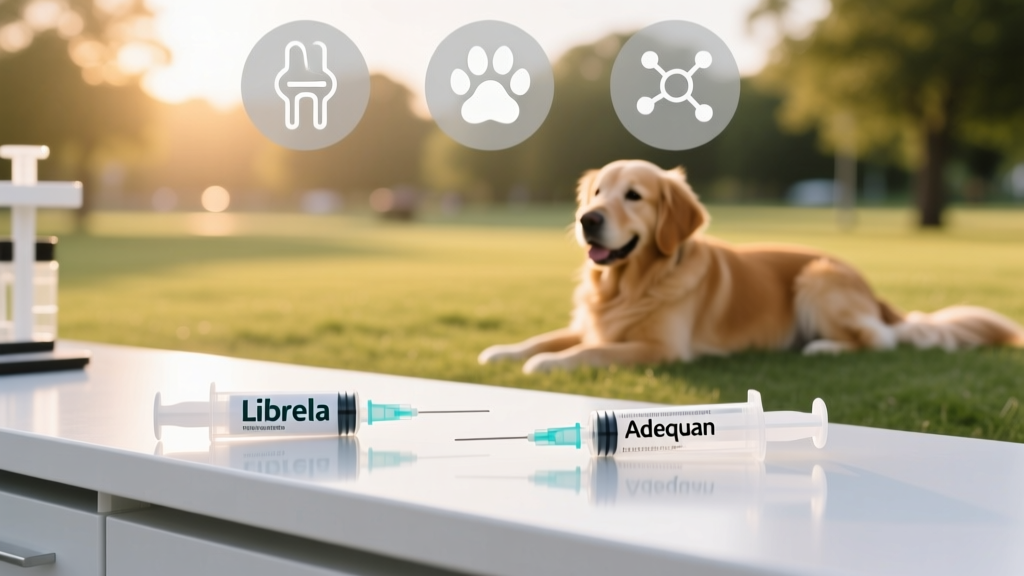
If you notice three or more of these signs, schedule a veterinary appointment within 48 hours. Pain management options for seniors include gabapentin ($15–$40/month), NSAIDs like carprofen or meloxicam ($20–$80/month with monitoring bloodwork), and newer therapies like Adequan® injections ($40–$60 per injection, initial series of 8) or Solensia® (librelimab, ~$60–$120 per monthly injection), which specifically targets nerve growth factor (NGF) associated with osteoarthritis pain.
When to See the Vet More Frequently
The standard annual visit is not enough for senior dogs. Here's when to increase frequency:
- Your dog crosses the senior threshold for her breed size (see table above)
- She is diagnosed with a chronic condition requiring medication monitoring (thyroid, kidney, diabetes)
- You notice any of these red-flag symptoms: sudden weight loss or gain, increased thirst/urination, coughing, collapse, seizures, non-healing wounds, difficulty breathing, persistent vomiting or diarrhea lasting more than 24 hours
- She is on long-term NSAIDs (bloodwork every 6 months to monitor liver and kidney function)
- She has been diagnosed with cancer and is undergoing treatment
Spaying vs. Breeding: Making the Right Decision
If you're researching how dogs get pregnant because you're weighing whether to breed or spay, consider these facts:
- Spaying before the first heat reduces mammary tumor risk to 0.5% (compared to 26% in intact females, per the AKC).
- Pyometra affects approximately 23–24% of intact female dogs by age 10. Emergency spay for pyometra costs $1,500–$5,000 and carries higher surgical risk than elective spaying.
- Responsible breeding costs are substantial: health testing ($500–$2,000+), prenatal care ($500–$1,500), potential emergency C-section ($1,500–$4,000), puppy care and vaccinations ($200–$500 per puppy). Many responsible breeders break even or operate at a loss on individual litters.
- Accidental pregnancies contribute to shelter overpopulation. If your intact female has been accidentally mated, consult your veterinarian immediately — mismating injections (aglepristone, available in some countries) can prevent pregnancy if administered within specific timeframes.
Frequently Asked Questions
Can a dog get pregnant during her first heat?
Yes. Dogs can conceive during their very first estrous cycle, which may occur as early as 6 months in small breeds. This is one reason early spaying is recommended for dogs not intended for breeding. However, responsible breeders never breed a dog on her first heat — most wait until at least the second or third cycle, and ideally until the dog is fully mature (18–24 months for most breeds) and has completed health testing.
How do I know if my dog is pregnant or just gaining weight?
Early pregnancy is difficult to distinguish from weight gain visually. Reliable confirmation methods include: relaxin hormone blood test (accurate from day 22–28 post-breeding, ~$75–$150), abdominal ultrasound (from day 25–35, ~$200–$400), and abdominal X-rays (from day 50+ when fetal skeletons are visible, ~$150–$300). If your intact female had access to an intact male during her fertile window, assume pregnancy until proven otherwise and adjust her care accordingly.
How should I care for my senior dog's cognitive decline?
Canine cognitive dysfunction has no cure, but progression can be slowed. Key interventions include: daily mental enrichment (puzzle toys, new walking routes, training sessions), omega-3 supplementation (specifically DHA), maintaining a consistent daily routine, and discussing prescription options with your vet. Selegiline (Anipryl®) is FDA-approved for CCD and costs approximately $40–$80/month. Some veterinarians also recommend propentofylline or dietary supplements containing phosphatidylserine and MCT oil.
What health problems are most common in senior dogs?
The most prevalent senior dog conditions include osteoarthritis (affecting 20%+ of all adult dogs, rising sharply with age), dental disease, chronic kidney disease, hypothyroidism, cancer, heart disease (especially mitral valve disease in small breeds and dilated cardiomyopathy in large breeds), and canine cognitive dysfunction. Regular screening bloodwork catches many of these before clinical symptoms appear.
When should I consider euthanasia for my senior dog?
There is no single "right time," but the HHHHHMM quality of life scale provides a structured framework. When your dog consistently has more bad days than good, when pain cannot be adequately managed, or when she can no longer engage in the activities that define her personality, it may be time to have that conversation with your veterinarian. Many owners report that the decision feels clearer when they track daily scores over 1–2 weeks rather than relying on a single emotional moment. In-home euthanasia services are available in most areas and allow your dog to pass peacefully in a familiar environment.
How do I adjust my dog's diet as she transitions from adult to senior?
Transition gradually over 7–10 days by mixing increasing amounts of the new food with the old. Look for a senior formula with higher protein (25–30%), moderate fat adjusted to your dog's body condition, added omega-3s, and joint-supportive ingredients. If your dog has specific conditions (kidney disease, diabetes, food sensitivities), work with your veterinarian to select a therapeutic diet rather than a commercial senior formula. Brands like Hill's Prescription Diet, Royal Canin Veterinary Diet, and Purina Pro Plan Veterinary Diets offer condition-specific options available through veterinary clinics.
Tom Renshaw
All our authors care for dogs every day — read more of their work on the authors page.