Hypothyroidism in the Hovawart Dog: Symptoms, Diagnosis & Treatment
Complete guide to hypothyroidism in the Hovawart dog — symptoms by severity, diagnostic costs, treatment options, prognosis, and daily management tips.
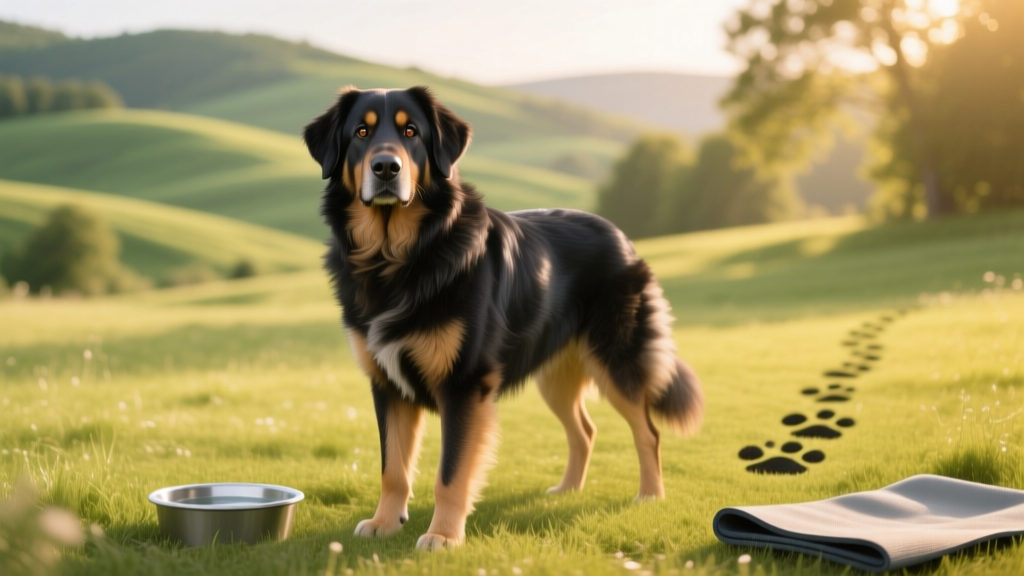
The Hovawart dog is a striking, versatile working breed originally developed in Germany's Black Forest region as a guardian and farm dog. Known for their intelligence, loyalty, and powerful build, Hovawarts typically enjoy robust health with a lifespan of 10–14 years. However, like many large-breed dogs, they carry a genetic predisposition to certain endocrine disorders — and hypothyroidism ranks among the most clinically significant.
Hypothyroidism occurs when the thyroid glands, located on either side of the trachea, fail to produce adequate levels of the hormones thyroxine (T4) and triiodothyronine (T3). In dogs, the overwhelming majority of cases — estimated at over 95% — result from either lymphocytic thyroiditis (an autoimmune destruction of thyroid tissue) or idiopathic follicular atrophy (gradual replacement of functional tissue with fat). Both mechanisms lead to a systemic metabolic slowdown that affects nearly every organ system.
Among Hovawarts, hypothyroidism is considered a breed-associated concern. The American Kennel Club and the Orthopedic Foundation for Animals (OFA) list thyroid screening as a recommended health test for the breed. Prevalence data from the OFA thyroid registry suggests that roughly 8–12% of tested Hovawarts show abnormal thyroid panels, though true population prevalence may be higher since many affected dogs are never tested.
- Breed predisposition: Hovawarts are among the breeds with documented autoimmune thyroiditis prevalence. Related large working breeds (Leonberger, Newfoundland, Giant Schnauzer) share similar risk profiles.
- Age: Most commonly diagnosed between 4–10 years, with peak onset around 6–8 years.
- Sex: Females are affected approximately 2.5 times more often than males, particularly intact (unspayed) females.
- Weight: Overweight and obese dogs show higher incidence, though causality is bidirectional — hypothyroidism itself causes weight gain.
- Genetics: Autoimmune thyroiditis is heritable. Dogs with affected littermates or parents carry significantly elevated risk. The OFA recommends thyroid screening before breeding.
- Environment: Exposure to certain vaccines (particularly over-vaccination protocols) and environmental endocrine disruptors may act as triggers in genetically susceptible dogs, though evidence remains under active investigation.
Recognizing Hypothyroidism: Symptoms by Severity
Hypothyroidism is often called "the great pretender" in veterinary medicine because its early symptoms mimic dozens of other conditions — and they develop gradually enough that many owners attribute them to normal aging. For Hovawart owners, vigilance is essential. Below is a severity-organized checklist to help you monitor your dog.
| Severity | Symptoms | What Owners Often Mistake It For |
|---|---|---|
| Early / Mild | Unexplained weight gain (5–15% above ideal) despite unchanged diet | "Getting older, slowing down" |
| Lethargy, reluctance to exercise, increased sleeping | Normal aging or hot weather | |
| Dry, flaky skin; dull, brittle coat | Seasonal shedding or dietary deficiency | |
| Cold intolerance — seeking warm spots, shivering indoors | Personal preference | |
| Mild hair thinning, especially on flanks and tail ("rat tail" appearance) | Friction from harness or bedding | |
| Recurring ear infections or skin infections | Allergies | |
| Moderate / Progressive | Symmetric bilateral hair loss (alopecia) on trunk, sparing head and legs | Mange or fungal infection |
| Hyperpigmentation — skin darkening on belly, inner thighs | Age spots | |
| Myxedema — thickened, puffy facial skin giving a "tragic" expression | Weight gain in face | |
| Slow heart rate (bradycardia), weak pulse | Usually detected only on vet exam | |
| Reduced fertility in intact dogs; irregular heat cycles in females | Breeding timing issues | |
| Advanced / Severe | Myxedema coma — hypothermia, profound lethargy, collapse | Emergency — life-threatening |
| Peripheral neuropathy — weakness, knuckling, dragging feet | Spinal or orthopedic disease (IVDD, hip dysplasia) | |
| Megaesophagus — regurgitation, aspiration pneumonia risk | GI obstruction or food allergy | |
| Laryngeal paralysis — exercise intolerance, noisy breathing, voice change | Kennel cough or tracheal collapse |
Key insight for Hovawart owners: Because Hovawarts are naturally calm and dignified dogs, early lethargy can be especially easy to miss. If your normally alert, watchful Hovawart begins sleeping through events that would previously have triggered a response (doorbell, strangers approaching), take note — this behavioral shift warrants a thyroid check.
How Veterinarians Diagnose Hypothyroidism
Diagnosing hypothyroidism is more complex than a single blood draw. The Merck Veterinary Manual outlines a multi-step diagnostic approach, and understanding this process helps you advocate for thorough testing rather than accepting an inconclusive result.
- Complete Thyroid Panel (not just T4): Your vet should run a full panel including total T4 (TT4), free T4 (fT4), total T3 (TT3), thyroid-stimulating hormone (TSH), and thyroglobulin autoantibodies (TgAA). A standalone total T4 is insufficient — it can be suppressed by non-thyroidal illness, certain medications (steroids, phenobarbital, sulfonamides), and even breed variation. Expected cost: $120–$250 depending on lab.
- Interpretation with Clinical Signs: Diagnosis requires both abnormal lab values and compatible clinical signs. A low T4 in a dog with no symptoms may reflect "euthyroid sick syndrome" — where another illness suppresses thyroid hormones without actual thyroid failure. Your vet will correlate bloodwork with physical exam findings.
- Baseline Blood Chemistry & CBC: Hypercholesterolemia (elevated cholesterol, found in ~75% of hypothyroid dogs) and mild non-regenerative anemia support the diagnosis. Expected cost: $80–$180.
- TSH Stimulation Test (if results are ambiguous): Synthetic TSH is injected and T4 is re-measured after 6 hours. A hypothyroid dog's thyroid cannot respond. This is the gold-standard confirmatory test but is more expensive and time-consuming. Expected cost: $250–$450 (synthetic TSH is costly).
- Additional Imaging (rarely needed): Ultrasound of the thyroid glands may be performed if a mass or structural abnormality is suspected, particularly if the dog shows asymmetric neck swelling. Expected cost: $200–$400.
Treatment Options for Hypothyroidism in Hovawarts
The good news: hypothyroidism is one of the most straightforward endocrine diseases to manage in dogs. Treatment is medical (not surgical), affordable, and highly effective when properly dosed and monitored.
| Treatment | Details | Success Rate | Monthly Cost |
|---|---|---|---|
| Levothyroxine (synthetic T4) Brand names: Thyro-Tabs, Levocrine, Soloxine |
First-line treatment. Oral tablet given twice daily (every 12 hours) on an empty stomach or consistently with/without food. Starting dose: 0.02 mg/kg (approximately 0.01 mg/lb) BID. Your vet will adjust based on follow-up bloodwork. | Excellent — 95%+ of dogs achieve normal T4 levels with correct dosing. Clinical improvement visible within 4–8 weeks. | $15–$40/month for a 70–90 lb Hovawart (generic levothyroxine) |
| Liothyronine (synthetic T3) Brand name: Cytomel |
Rarely used as sole therapy. May be added in refractory cases where T4 conversion to T3 is impaired. Shorter half-life requires 3× daily dosing. | Limited data — reserved for cases unresponsive to T4 alone. | $30–$80/month |
| Supportive Care — Skin & Coat | Omega-3 fatty acid supplementation (fish oil at 300 mg EPA+DHA per 10 kg body weight daily), medicated shampoos for secondary skin infections, and topical moisturizers during coat regrowth phase. | Adjunctive — improves cosmetic recovery timeline by 2–4 weeks. | $10–$25/month |
| Myxedema Coma Protocol (Emergency only) |
IV levothyroxine, aggressive warming, IV fluids, respiratory support. Requires 24–72 hour ICU hospitalization. | Guarded — mortality rate 40–60% even with aggressive treatment. Extremely rare; almost always preventable with earlier diagnosis. | $2,500–$6,000 (hospitalization) |
Monitoring Protocol After Diagnosis
Once levothyroxine therapy begins, your veterinarian will recheck total T4 levels at specific intervals:
- 4–8 weeks after starting treatment: Blood draw 4–6 hours after the morning pill (peak absorption). Dose adjusted if T4 falls outside the upper-half normal range.
- Every 6 months for the first year: Fine-tuning the dose as your dog's metabolism stabilizes.
- Annually thereafter: Lifelong monitoring. Dose requirements may change with age, weight fluctuations, or concurrent illnesses.
Each recheck blood test typically costs $50–$100. Never skip these — overdosing causes iatrogenic hyperthyroidism (panting, weight loss, rapid heart rate, restlessness), which is dangerous in a large, active breed like the Hovawart.
Prognosis and Life Expectancy
Hypothyroidism is not curable — the destroyed thyroid tissue does not regenerate. However, with consistent medication and monitoring, it is fully manageable, and life expectancy is normal. A Hovawart diagnosed at age 6 and treated appropriately can reasonably expect to live out their full 10–14 year lifespan without thyroid-related complications.
| Stage at Diagnosis | Expected Outcome | Timeline to Improvement | Long-Term Outlook |
|---|---|---|---|
| Early (mild symptoms, T4 slightly low) | Excellent | Energy improves in 1–2 weeks; coat regrowth in 4–8 weeks | Normal lifespan, full quality of life |
| Moderate (alopecia, myxedema, elevated cholesterol) | Very good | Energy in 2–4 weeks; full coat recovery may take 3–6 months | Normal lifespan with consistent medication |
| Advanced (neuropathy, megaesophagus, laryngeal paralysis) | Good to guarded (neurological changes may be partially irreversible) | Variable — some neuropathy resolves over 3–6 months; megaesophagus may require permanent management | Good quality of life possible but may require ongoing supportive care for complications |
| Myxedema Coma (rare emergency) | Guarded to poor | Critical period: 24–72 hours | Survivors require lifelong intensive management; 40–60% mortality |
Daily Home Care and Lifestyle Management
Managing a hypothyroid Hovawart at home is straightforward once you establish a routine. Here are the specifics that matter:
Medication Administration
- Consistency is critical. Give levothyroxine at the same times every day, approximately 12 hours apart (e.g., 7 AM and 7 PM).
- Empty stomach vs. with food: Absorption is higher on an empty stomach (give 30–60 minutes before meals), but if your Hovawart resists pill-taking, giving it consistently with food is acceptable — just be consistent so your vet can dose accurately.
- Avoid concurrent supplements: Iron, calcium, and soy-based products reduce levothyroxine absorption. Separate by at least 4 hours.
- Missed dose? Give it when remembered if within 6 hours. Otherwise skip and resume next scheduled dose. Never double-dose.
Nutrition and Weight Management
Hypothyroid dogs have a reduced basal metabolic rate — typically 15–25% fewer calories needed than a euthyroid (normal thyroid) dog of the same size. For a 75 lb (34 kg) Hovawart:
- Target calories: approximately 1,200–1,500 kcal/day (vs. 1,600–1,900 for a healthy active dog of the same weight)
- Feed a complete-and-balanced adult maintenance diet with an AAFCO statement
- Aim for a Body Condition Score (BCS) of 4–5/9 — ribs palpable without excess fat covering
- Avoid high-fat table scraps, which compound the hypercholesterolemia already common in hypothyroid dogs
Exercise Adjustments
During the first 4–8 weeks of treatment, your Hovawart's stamina will gradually return. Start with short, low-intensity walks (15–20 minutes) and increase by 5 minutes per week. By week 8, most dogs return to their pre-illness activity level. Hovawarts are athletic dogs that thrive on purposeful activity — once stabilized, they can return to hiking, tracking, cart-pulling, and other breed-appropriate work.
Coat and Skin Care During Recovery
- Expect a "blowout" phase where dead, damaged hair sheds rapidly before new growth emerges — this is normal and can look alarming
- Brush 3–4 times weekly with an undercoat rake (Hovawarts have a dense double coat)
- Bathe with an oatmeal-based or ceramide-containing shampoo every 2–3 weeks to support skin barrier repair
- Full coat restoration typically takes 3–6 months; the characteristic long feathering on legs and tail may take longest
Cost Breakdown: What to Budget
Understanding the financial commitment helps you plan realistically. Below are estimated costs based on 2025–2026 US veterinary pricing averages for a large-breed dog (70–90 lb / 32–41 kg).
| Category | Estimated Cost | Frequency |
|---|---|---|
| Initial diagnostic panel (full thyroid + CBC + chemistry) | $250–$600 | One-time |
| TSH stimulation test (if needed) | $250–$450 | One-time (if required) |
| Levothyroxine (generic) | $15–$40/month | Lifelong |
| Monitoring bloodwork | $50–$100 | Every 6 months (year 1), then annually |
| Supplements (omega-3, skin support) | $10–$25/month | First 6 months, then optional |
| Year 1 Total (typical) | $500–$1,100 | |
| Annual Ongoing (years 2+) | $250–$600/year | |
| Worst Case: Myxedema Coma Emergency | $2,500–$6,000+ | One-time (preventable) |
Insurance note: Most pet insurance policies cover hypothyroidism diagnosis and treatment if the condition develops after the policy's effective date and waiting period. Premiums for large breeds like the Hovawart typically range $50–$120/month depending on deductible and reimbursement level. If you have insurance, file the initial diagnostic visit as a claim — the lifetime medication cost alone will likely exceed your annual premium.
Prevention and Screening for Hovawarts
Because autoimmune thyroiditis has a heritable component, the most impactful prevention strategy operates at the population level: responsible breeding practices.
- Pre-breeding thyroid screening: The OFA and the Hovawart breed community recommend baseline thyroid panels for all breeding candidates at age 1–2, with re-screening every 1–2 years. Dogs with abnormal results or positive TgAA (autoantibodies) should not be bred.
- Know your dog's lineage: Ask your breeder for OFA thyroid clearance numbers for both parents. These are publicly searchable on the OFA database.
- Annual wellness thyroid checks: Starting at age 4, include a thyroid panel in your Hovawart's annual bloodwork. Early detection means treatment begins before advanced symptoms develop.
- Avoid unnecessary immune stressors: Discuss vaccination protocols with your veterinarian. For adult Hovawarts with a known family history of autoimmune disease, titer testing (measuring existing antibody levels instead of automatically revaccinating) may be appropriate for core vaccines like distemper and parvovirus.
- Maintain ideal body condition: Obesity compounds metabolic dysfunction. Keep your Hovawart at a lean BCS of 4–5/9 throughout life.
When to See the Vet: Red Flag Symptoms
- Myxedema coma signs: Extreme lethargy progressing to stupor, body temperature below 97°F (36.1°C), unresponsiveness — this is a life-threatening emergency
- Acute collapse or inability to stand — may indicate severe neuromuscular compromise
- Difficulty breathing or noisy, labored respiration — could signal laryngeal paralysis, a known complication
- Regurgitation with suspected aspiration (coughing, fever, rapid breathing after eating) — megaesophagus-related aspiration pneumonia is an emergency
- Seizures — while rare with hypothyroidism alone, they can occur with severe metabolic derangement
Non-emergency but schedule a prompt visit (within 1–2 weeks) for:
- Unexplained weight gain of 5+ pounds despite stable diet
- Persistent coat thinning, especially bilateral/symmetric patterns
- Recurring skin or ear infections (3+ episodes per year)
- Noticeable behavioral changes — apathy, reduced alertness in a normally watchful dog
- Cold-seeking behavior that is new or worsening
Disclaimer: This article is for educational purposes only and does not replace professional veterinary advice. Always consult your veterinarian for diagnosis, treatment, and medication dosing specific to your dog. If you suspect your Hovawart has hypothyroidism, schedule a veterinary exam and request a full thyroid panel.
Frequently Asked Questions
What is hypothyroidism in Hovawart dogs?
Hypothyroidism is an endocrine disorder where the thyroid glands produce insufficient T4 and T3 hormones, causing a systemic metabolic slowdown. In Hovawarts, the most common cause is autoimmune thyroiditis — the dog's own immune system attacks and destroys thyroid tissue. It is the most frequently diagnosed hormonal disease in dogs overall and is a recognized breed concern for Hovawarts.
What are the symptoms of hypothyroidism in Hovawarts?
Early signs include unexplained weight gain, lethargy, cold intolerance, dry skin, and a dull coat. As the disease progresses, dogs develop symmetric hair loss, skin darkening, puffy facial features (myxedema), recurring infections, and slow heart rate. Advanced cases may involve nerve damage, megaesophagus, or laryngeal paralysis. Because Hovawarts are naturally calm dogs, early lethargy can be subtle — watch for changes in alertness and responsiveness.
How is hypothyroidism diagnosed in dogs?
Diagnosis requires a full thyroid panel (total T4, free T4, TSH, and thyroglobulin autoantibodies) interpreted alongside clinical signs. A standalone total T4 test is insufficient and frequently leads to misdiagnosis. Your vet may also run a CBC, blood chemistry (looking for elevated cholesterol), and in ambiguous cases, a TSH stimulation test. Expect diagnostic costs of $250–$600 for a thorough workup.
Can hypothyroidism in Hovawarts be cured?
No — the destroyed thyroid tissue does not regenerate. However, hypothyroidism is highly treatable with daily levothyroxine supplementation. Most dogs achieve normal hormone levels within 4–8 weeks and go on to live full, normal lifespans. Treatment is lifelong but affordable ($15–$40/month for a large dog).
How much does hypothyroidism treatment cost for a Hovawart?
Initial diagnosis costs $250–$600. Ongoing medication (levothyroxine) runs $15–$40/month, and monitoring bloodwork costs $50–$100 per recheck (every 6 months the first year, then annually). Total first-year costs typically fall between $500–$1,100, with ongoing annual costs of $250–$600. The worst-case scenario — myxedema coma emergency — can cost $2,500–$6,000+ but is almost always preventable with early diagnosis.
What is the life expectancy of a Hovawart with hypothyroidism?
With proper treatment and monitoring, a hypothyroid Hovawart has a normal life expectancy of 10–14 years. The disease does not shorten lifespan when managed correctly. Untreated hypothyroidism, however, progressively damages multiple organ systems and can lead to life-threatening complications.
Which breeds are most prone to hypothyroidism?
Hypothyroidism is overrepresented in medium-to-large breeds including the Hovawart, Golden Retriever, Doberman Pinscher, Irish Setter, Dachshund, Cocker Spaniel, Airedale Terrier, Newfoundland, Giant Schnauzer, and Boxer. Within the Hovawart breed, females (especially intact females) are affected at roughly 2.5 times the rate of males. Autoimmune thyroiditis is heritable, making pre-breeding screening critical.
Dr. Hannah Wickes
All our authors care for dogs every day — read more of their work on the authors page.


