Homemade Dog Ear Cleaner Safety: Nutrition's Role in...
Is a homemade dog ear cleaner safe? Learn how proper nutrition prevents chronic ear infections, plus vet-approved cleaning solutions and diet recommendations.
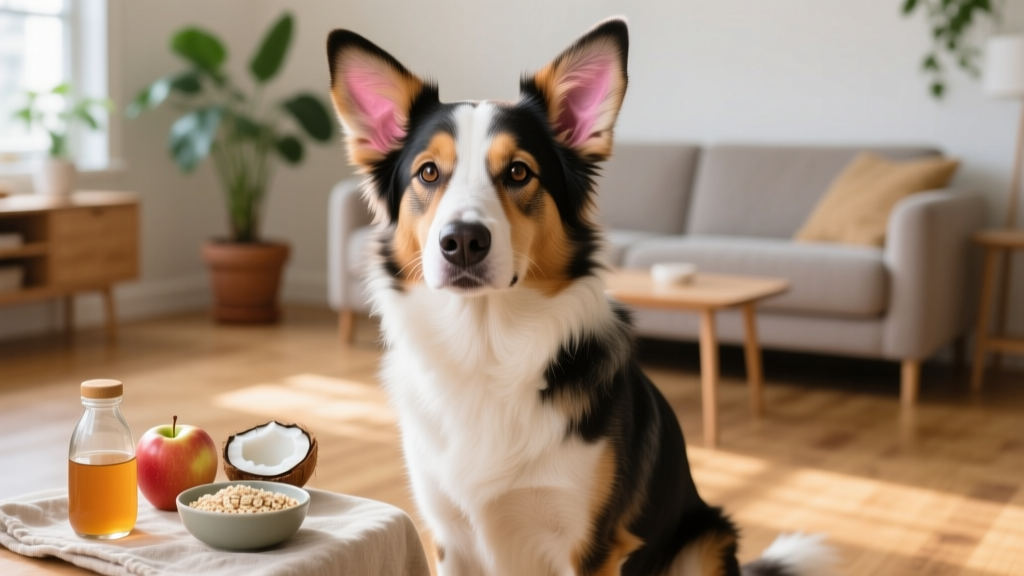
If you've ever watched your dog shake their head relentlessly or scratch at floppy ears until they're raw, you've probably typed "homemade dog ear cleaner" into a search bar at 2 AM. You're not alone — ear infections (otitis externa) affect roughly 20% of dogs at some point, and chronic cases often trace back to underlying nutritional imbalances and food sensitivities rather than simple hygiene failures.
While a gentle homemade rinse can provide temporary relief, the real solution to recurring ear problems almost always starts in the food bowl. This guide covers safe DIY ear cleaning solutions, the nutritional foundations that prevent infections from taking hold, and specific diet recommendations that veterinary dermatologists consistently point to for allergy-prone dogs.
Why Your Dog's Diet Matters More Than Ear Cleaner
Here's what most homemade ear cleaner tutorials won't tell you: the vast majority of recurrent ear infections in dogs are secondary to allergic skin disease. According to research published in the Merck Veterinary Manual, food allergy and environmental allergy (atopic dermatitis) are the two most common primary causes of otitis externa in dogs.
When a dog has an undiagnosed food sensitivity, their immune system triggers inflammation in the skin — including the delicate ear canal lining. That inflammation creates a warm, moist environment where yeast (Malassezia) and bacteria (Staphylococcus, Pseudomonas) thrive. You can clean ears daily, but if the inflammatory trigger remains in the diet, infections keep returning.
Nutritional Requirements for Skin and Ear Health
Dogs prone to ear infections need diets that actively support skin barrier function and modulate inflammation. Here are the specific nutritional targets:
| Nutrient | Minimum Requirement (Adult) | Therapeutic Target | Why It Matters |
|---|---|---|---|
| Crude Protein | 18% (AAFCO minimum) | 22-28% | Novel protein sources reduce allergic triggers |
| Crude Fat | 5.5% (AAFCO minimum) | 12-18% | Supports ceramide production for skin barrier |
| Omega-3 Fatty Acids (EPA+DHA) | Not established by AAFCO | 75-100 mg/kg body weight/day | Clinically proven anti-inflammatory effect on skin |
| Omega-6 to Omega-3 Ratio | Up to 30:1 (AAFCO allows) | 5:1 or lower | Lower ratio reduces inflammatory mediators |
| Vitamin E | 33 IU/kg (AAFCO minimum) | 100-400 IU/day (size dependent) | Antioxidant protection for skin cells |
| Zinc (chelated) | 80 mg/kg diet | 120-150 mg/kg diet | Essential for keratin production and wound healing |
| Daily Calories (maintenance) | — | 30 lb dog: 674 kcal/day 50 lb dog: 989 kcal/day 70 lb dog: 1,264 kcal/day | Overfeeding worsens inflammation; use RER × 1.6 for neutered adults |
The Resting Energy Requirement (RER) formula: RER = 70 × (body weight in kg)^0.75. Multiply by 1.6 for a typical neutered adult, 1.8 for intact adults, and 2.0-3.0 for puppies depending on age. A 50 lb (22.7 kg) neutered adult dog calculates as: 70 × (22.7)^0.75 = 618 kcal RER × 1.6 = approximately 989 kcal/day.
Safe Homemade Dog Ear Cleaner Recipes
If your veterinarian has confirmed your dog's ears are free of deep infection, ruptured eardrums, or foreign bodies, a gentle homemade cleaner can help maintain ear hygiene between vet visits. These are maintenance rinses, not treatments for active infections.
Recipe 1: Diluted Apple Cider Vinegar Rinse
- Mix: 1 part raw, unfiltered apple cider vinegar + 1 part distilled or filtered water (50/50 solution)
- Application: Soak a cotton ball, gently wipe visible ear flap and outer canal. Do NOT pour directly into the ear canal.
- Frequency: Once weekly maximum for maintenance
- Do NOT use if: Ear is red, inflamed, has open sores, or dog shows pain — the acidity will burn damaged tissue
Recipe 2: Saline Ear Rinse
- Mix: 1 cup warm distilled water + 1/2 teaspoon non-iodized salt (sterile saline approximation)
- Application: Use a clean squeeze bottle to gently flush the outer ear canal, then massage the base and let dog shake. Wipe with cotton ball.
- Frequency: 1-2 times weekly for dogs prone to wax buildup
- Advantage: pH-neutral, safe for mildly irritated ears
Recipe 3: Green Tea Soothing Wipe
- Brew: 1 bag of plain green tea in 1 cup boiling water, cool completely to room temperature
- Application: Soak cotton rounds and wipe ear flap and accessible canal folds
- Frequency: 2-3 times weekly
- Why it works: Green tea contains tannins with mild astringent properties and polyphenols with anti-inflammatory effects
- Hydrogen peroxide (full strength): Damages healthy tissue and delays healing
- Rubbing alcohol: Extremely painful on inflamed tissue, excessively drying
- Essential oils (tea tree, eucalyptus, etc.): Tea tree oil is toxic to dogs at concentrations above 1-2% and ear canals absorb rapidly. Call ASPCA Animal Poison Control at (888) 426-4435 if accidental exposure occurs.
- Witch hazel with alcohol: Check labels — many commercial witch hazels contain 14% alcohol
- Cotton swabs (Q-tips): Risk of pushing debris deeper or perforating the tympanic membrane
What Is the Best Dog Food for Ear Infection Prevention?
For dogs with recurrent ear infections linked to food allergy, veterinary dermatologists typically recommend a diet trial using either a novel protein (ingredients your dog has never eaten) or a hydrolyzed protein diet (proteins broken into molecules too small to trigger immune response). The trial must last 8-12 weeks with zero other food, treats, or flavored medications.
Below are the specific commercial diets that meet therapeutic criteria, with current pricing as of early 2026:
✅ Royal Canin Veterinary Diet Hydrolyzed Protein HP
Protein: 21% | Fat: 10% | Calories: 343 kcal/cup
Protein source: Hydrolyzed soy — molecular weight under 1 kDa
Price: $95-110 for 25 lb bag (prescription required)
Best for: Severe food allergy cases, dogs allergic to multiple animal proteins
✅ Hill's Prescription Diet d/d Skin/Food Sensitivities
Protein: 21.7% | Fat: 13.5% | Calories: 353 kcal/cup
Protein source: Salmon or venison (novel) + potato
Price: $85-100 for 27.5 lb bag (prescription required)
Best for: Dogs with confirmed chicken/beef allergy needing limited ingredient diet
✅ Purina Pro Plan Veterinary Diets HA Hydrolyzed
Protein: 20% | Fat: 11% | Calories: 363 kcal/cup
Protein source: Hydrolyzed soy protein, single carbohydrate source
Price: $88-105 for 26 lb bag (prescription required)
Best for: Budget-conscious elimination trials, puppies (AAFCO all life stages)
✅ Blue Buffalo Basics Limited Ingredient (Duck & Potato)
Protein: 22% | Fat: 12% | Calories: 380 kcal/cup
Protein source: Deboned duck (novel for most dogs)
Price: $60-75 for 24 lb bag (no prescription)
Best for: Mild sensitivities, maintenance after successful elimination trial
✅ Natural Balance L.I.D. Limited Ingredient Diets (Venison & Sweet Potato)
Protein: 21% | Fat: 11% | Calories: 370 kcal/cup
Protein source: Venison meal — single animal protein
Price: $55-68 for 26 lb bag (no prescription)
Best for: Multi-dog households needing an affordable limited-ingredient option
✅ Zignature Whitefish Limited Ingredient Formula
Protein: 26% | Fat: 14% | Calories: 400 kcal/cup
Protein source: Whitefish and whitefish meal — no chicken, lamb, corn, wheat, soy
Price: $68-82 for 25 lb bag (no prescription)
Best for: Active dogs with common protein allergies who need higher calorie density
✅ Wellness Simple Limited Ingredient (Turkey & Potato)
Protein: 24% | Fat: 14% | Calories: 398 kcal/cup
Protein source: Deboned turkey — single protein, no grains, no artificial additives
Price: $62-78 for 26 lb bag (no prescription)
Best for: Grain-sensitive dogs needing a widely available over-the-counter option
What to Look for on Dog Food Labels
When selecting any commercial food for a dog with ear and skin issues, verify these elements:
| Label Element | What to Look For | Red Flag |
|---|---|---|
| AAFCO Statement | "Complete and balanced for adult maintenance" or "all life stages" — must be present | "For intermittent or supplemental feeding only" — nutritionally incomplete |
| First Ingredient | Named animal protein (e.g., "deboned salmon," "venison meal") | "Meat meal," "animal by-products" — unspecified sources, problematic for allergy dogs |
| Protein Count | Single named protein source for allergy dogs | Multiple proteins (chicken + lamb + fish) — more potential allergens |
| Fat Source | Named fats ("chicken fat," "sunflower oil") and fish oil listed | "Animal fat" — unspecified and potentially allergenic |
| Omega-3 Source | Fish oil, flaxseed, or algae oil in top 10 ingredients | No omega-3 source listed at all |
| Guaranteed Analysis | Protein ≥22%, Fat ≥12% for adult maintenance in allergy-prone dogs | Protein below 18% — inadequate for skin repair and immune function |
Foods to Avoid: Ingredients That Trigger Ear Inflammation
Based on veterinary dermatology studies, the most common food allergens in dogs are:
- Beef — the single most common food allergen, implicated in approximately 34% of canine food allergy cases
- Dairy products — lactose and casein proteins trigger reactions in roughly 17% of food-allergic dogs
- Chicken — accounts for about 15% of cases; cross-reactivity with other poultry is possible
- Wheat — less common than protein allergies but present in approximately 13% of cases
- Soy — found in many budget kibbles; approximately 6% of food allergy cases
- Lamb — historically considered "hypoallergenic" but now a common allergen due to widespread use (~5% of cases)
- Egg — approximately 4% of food allergy cases, often overlooked as an ingredient in treats
- Corn — rarely a true allergen despite popular belief, but some dogs react to corn gluten meal
Hidden sources to watch for: Flavored chew toys (many contain beef or chicken flavoring), flavored heartworm preventives (beef-flavored Heartgard), and training treats that don't match the elimination diet. During a food trial, everything that goes in your dog's mouth must be accounted for.
Can I Feed My Dog a Homemade or Raw Diet for Ear Health?
Homemade diets are sometimes recommended by veterinary nutritionists for severe food allergy cases where commercial limited-ingredient diets still contain problematic ingredients. However, this approach carries significant risks that must be addressed honestly.
Homemade Diet Considerations
A properly formulated homemade diet for an allergy-prone dog requires:
- Veterinary nutritionist consultation — a board-certified ACVN diplomate or equivalent should formulate the recipe based on your dog's specific weight, life stage, and allergen profile. Expect to pay $250-500 for initial formulation.
- Novel protein sourcing — rabbit, kangaroo, alligator, or goat protein from reliable suppliers (cost: $8-22/lb depending on protein)
- Supplement precision — calcium (bone meal or calcium carbonate at 1,200-1,800 mg per pound of meat), vitamin E (200-400 IU/day), fish oil (1,000-3,000 mg EPA+DHA/day depending on weight), zinc (15-30 mg/day), and a complete B-vitamin supplement
- Regular re-evaluation — blood panels every 6 months to check for nutritional deficiencies
Sample Homemade Framework (Requires Vet Nutritionist Approval)
For a 50 lb (22.7 kg) adult dog with chicken/beef allergy — this is a FRAMEWORK ONLY, not a prescription. Your veterinary nutritionist will adjust ratios based on individual needs:
- 1.5 lb (680g) cooked rabbit or venison (protein source)
- 2 cups cooked sweet potato or quinoa (carbohydrate source)
- 1 cup steamed broccoli or green beans (fiber and micronutrients)
- 1 tablespoon fish oil (omega-3 for skin inflammation)
- Balanced calcium supplement per nutritionist's calculation
- Complete vitamin-mineral supplement (e.g., Balance IT® Canine, $30-40 for 30-day supply)
Estimated daily cost: $6-15/day depending on protein source and your location. Compare this to $2.50-4.50/day for a prescription hydrolyzed diet.
Raw Diet Safety Concerns
Raw diets (BARF, prey model, etc.) carry documented risks that must be weighed against any perceived benefits for skin and ear health:
- Salmonella contamination: The FDA has documented Salmonella in 25% of raw pet food samples tested. Dogs can shed bacteria in saliva and feces, creating zoonotic risk for household members.
- Nutritional imbalance: Raw diets are notoriously difficult to balance, particularly for calcium-to-phosphorus ratio (ideal: 1.1:1 to 1.4:1).
- Parasite risk: Raw meat may contain Toxoplasma, Trichinella, or other parasites unless commercially flash-frozen to specific temperatures.
- No proven ear health benefit: There is no peer-reviewed evidence that raw diets reduce ear infection frequency compared to properly formulated cooked or commercial diets.
How Much Should I Feed My Dog? (Feeding Calculator)
Correct feeding amounts matter for allergy-prone dogs because obesity increases systemic inflammation, which worsens allergic skin disease. Use this calculator as a starting point, then adjust based on body condition score:
| Dog Weight | Daily Calories (Neutered Adult) | Cups/Day (avg 370 kcal/cup) | Adjustment: Active/Working | Adjustment: Senior/Low Activity |
|---|---|---|---|---|
| 10 lb / 4.5 kg | 288 kcal | ¾ cup | +20-30% (345-374 kcal) | -15-20% (230-245 kcal) |
| 20 lb / 9 kg | 484 kcal | 1¼ cups | +20-30% (580-630 kcal) | -15-20% (387-411 kcal) |
| 30 lb / 13.6 kg | 674 kcal | 1¾ cups | +20-30% (809-876 kcal) | -15-20% (539-573 kcal) |
| 50 lb / 22.7 kg | 989 kcal | 2⅔ cups | +20-30% (1,187-1,286 kcal) | -15-20% (791-841 kcal) |
| 70 lb / 31.8 kg | 1,264 kcal | 3⅓ cups | +20-30% (1,517-1,643 kcal) | -15-20% (1,011-1,074 kcal) |
| 90 lb / 40.8 kg | 1,518 kcal | 4 cups | +20-30% (1,822-1,973 kcal) | -15-20% (1,214-1,290 kcal) |
Life stage adjustments: Puppies (under 12 months) need 2-3× the adult caloric requirement depending on growth phase. Pregnant/lactating females need 2-4× maintenance. Senior dogs (over 7-8 years, breed-dependent) typically need 10-20% fewer calories unless they have cancer or other conditions causing weight loss.
How to Switch Your Dog to a New Food (7-10 Day Transition)
Sudden diet changes cause gastrointestinal upset — vomiting, diarrhea, and gas — which adds stress to an already uncomfortable dog. Follow this gradual transition protocol:
| Days | Old Food | New Food | What to Monitor |
|---|---|---|---|
| Days 1-2 | 75% | 25% | Stool consistency, appetite, gas |
| Days 3-4 | 50% | 50% | Vomiting, diarrhea, refusal to eat |
| Days 5-6 | 25% | 75% | Stool quality should be normalizing |
| Days 7-10 | 0% | 100% | Full transition — monitor for 2 weeks |
Important note for food allergy trials: If your vet has prescribed a strict elimination diet, do NOT transition gradually with the old food. Switch immediately to the prescription diet. The old food must be completely eliminated to get valid trial results. Your vet may prescribe a gastrointestinal-supportive food or probiotics to ease the sudden change.
Does My Dog Need Supplements for Ear Health?
Targeted supplementation can accelerate skin barrier repair and reduce inflammation, but supplements complement — never replace — a properly formulated base diet.
Recommended Supplements with Dosages
- Fish Oil (EPA+DHA): 75-100 mg combined EPA+DHA per kg of body weight daily. For a 50 lb (22.7 kg) dog, that's 1,700-2,270 mg/day. Brands: Nordic Naturals Omega-3 Pet ($25-35 for 8 oz), Grizzly Salmon Oil ($18-28 for 16 oz). Refrigerate after opening; use within 90 days.
- Probiotics: Multi-strain formulas with at least 5 billion CFU/day. Look for Enterococcus faecium, Lactobacillus acidophilus, and Bifidobacterium strains. Purina FortiFlora ($30-38 for 30 packets) or Visbiome Vet ($55-70 for 30 capsules). Evidence suggests probiotics modulate immune response and may reduce allergic sensitization.
- Vitamin E: 200-400 IU/day for dogs 30-70 lb. Use d-alpha-tocopherol (natural form), not dl-alpha-tocopherol (synthetic). Now Foods Vitamin E ($12-18 for 100 softgels, pierce and add to food).
- Zinc (chelated): 1-2 mg/kg body weight daily. For a 50 lb dog: 23-46 mg/day. Zinc picolinate or zinc methionine are most bioavailable. Do NOT exceed recommended doses — zinc toxicity causes vomiting, anemia, and kidney damage.
- Coconut oil (topical only for ears): A small amount on a cotton ball can soothe dry ear flap skin. Do not put inside the ear canal — it creates an oily film that traps moisture and bacteria.
Monitoring Success: Is the Diet Working?
Nutritional intervention for ear health takes time. Skin cells turn over every 21-28 days, and immune modulation from dietary changes requires 8-12 weeks to become fully apparent. Track these indicators:
Body Condition Score (BCS) Assessment
Use the 9-point BCS scale (Purina system) to assess your dog monthly. An ideal score is 4-5/9:
- Ribs: Easily felt with slight fat covering, not visible but not buried
- Waist: Visible from above — hourglass shape behind the ribs
- Abdominal tuck: Abdomen tucks up behind ribcage when viewed from the side
- Score 1-3 (underweight): Increase calories 15-20% and recheck in 2 weeks
- Score 6-9 (overweight): Reduce calories 10-20% and increase daily walks by 10-15 minutes
Ear-Specific Progress Markers
| Indicator | Week 0 (Baseline) | Week 4 | Week 8-12 |
|---|---|---|---|
| Head shaking frequency | Record daily count | Should decrease 30-50% | Should decrease 70-90% if food-related |
| Ear odor | Rate 1-5 (5 = strongest) | Should improve 1-2 points | Minimal to no odor |
| Ear discharge/color | Note color and amount | Should lighten and decrease | Clear or minimal wax only |
| Scratching/pawing at ears | Record daily count | Should decrease noticeably | Rare or absent |
| Coat quality overall | Note dullness, flaking, redness | Early improvement in shine | Full coat improvement visible |
| Stool quality | Rate on 1-7 fecal scale | Should be 3-4 (formed, easy pickup) | Consistently 3-4 |
If you see no improvement in ear symptoms after 10-12 weeks on a strict elimination diet, the primary cause is likely environmental allergy (atopic dermatitis) rather than food allergy. Your veterinarian may then recommend allergy testing (serum IgE or intradermal skin testing, cost: $400-800) and immunotherapy or medications like Apoquel (oclacitinib, $60-120/month) or Cytopoint (lokivetmab injections, $65-150 per injection every 4-8 weeks).
Frequently Asked Questions
Can I use olive oil as a homemade dog ear cleaner?
Olive oil is not recommended as an ear cleaner. While it's sometimes suggested for loosening ear wax, oil-based substances coat the ear canal and trap moisture, creating an ideal environment for yeast and bacterial growth. If your dog has excessive wax buildup, a veterinary-formulated ear cleaner with a drying agent (like Epi-Otic Advanced, $15-22 per bottle) is far safer.
How often should I clean my dog's ears?
For healthy ears: once every 1-2 weeks is sufficient for most breeds. For floppy-eared breeds (Cocker Spaniels, Basset Hounds, Springer Spaniels): weekly. For dogs with active infections: follow your vet's prescribed schedule, which may be daily during treatment. Over-cleaning strips protective cerumen and can irritate the canal lining, making problems worse.
My dog's ears smell yeasty — will changing food help?
A yeasty smell (often described as similar to corn chips or sourdough bread) indicates Malassezia overgrowth. While diet changes address the underlying allergic inflammation that allows yeast to thrive, an active yeast infection requires antifungal treatment (typically miconazole or ketoconazole ear drops prescribed by your vet, $20-60). Diet alone won't eliminate an established infection — it prevents recurrence after treatment.
Are grain-free diets better for dogs with ear infections?
Not necessarily. True grain allergy in dogs is uncommon — protein sources (beef, chicken, dairy) are far more frequent allergens. Additionally, the FDA has investigated a potential link between grain-free diets containing peas, lentils, and potatoes as primary ingredients and dilated cardiomyopathy (DCM) in dogs. Unless your vet has confirmed a specific grain allergy through an elimination trial, grain-inclusive limited-ingredient diets are generally the safer choice.
What's the fastest way to relieve my dog's itchy ears at home?
For immediate comfort while waiting for a vet appointment: apply a cool, damp washcloth to the outside of the ear flap for 2-3 minutes. You can also use the cooled green tea wipe recipe above. Do NOT put any liquid into the ear canal without veterinary examination — if the tympanic membrane (eardrum) is ruptured, liquids entering the middle ear can cause permanent neurological damage including head tilt, circling, and deafness.
Priya Sutaria
All our authors care for dogs every day — read more of their work on the authors page.