Safe Treatments & When to See a Vet
Home remedies for dog constipation: safe treatments, dosages, red flags, and when to see a vet.
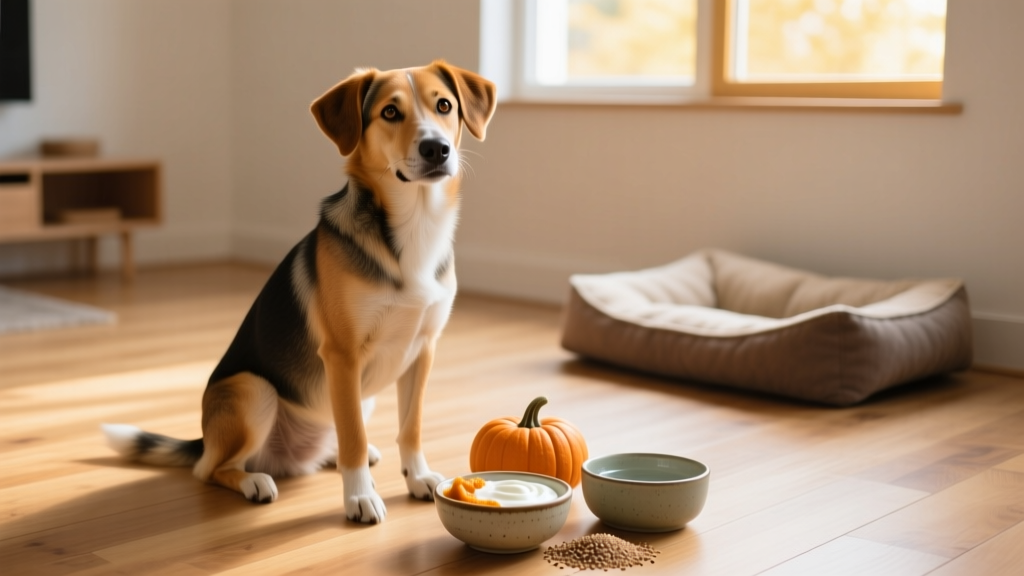
Dog constipation — clinically referred to as obstipation when severe — is one of the most common gastrointestinal complaints in veterinary practice. It occurs when a dog has difficulty passing stool, produces abnormally dry or hard feces, or goes longer than 48–72 hours without a bowel movement. According to the Merck Veterinary Manual, constipation affects dogs of all breeds and ages, though middle-aged and senior dogs are disproportionately represented. While most cases are mild and resolve with simple dietary adjustments, untreated constipation can progress to megacolon — a condition where the colon becomes chronically dilated and loses its ability to contract — requiring surgical intervention.
This guide walks you through evidence-based home remedies for dog constipation, explains what your veterinarian will look for during diagnosis, and clearly identifies the red-flag moments when home care is no longer safe. Always consult your veterinarian before starting any home treatment, especially if your dog has underlying health conditions or is on medication.
What Is Constipation in Dogs and What Causes It?
Constipation in dogs is defined as the infrequent, difficult, or absent passage of feces. The colon absorbs water from digesting food; the longer stool sits in the colon, the more water is reabsorbed, creating hard, dry masses that are painful or impossible to pass. Several mechanisms can trigger this cycle:
- Dehydration: Inadequate water intake concentrates stool, making it harder to pass. Dogs on dry kibble-only diets without sufficient water are at elevated risk.
- Dietary fiber imbalance: Both too little and too much fiber can disrupt normal colonic motility. Sudden diet changes are a frequent culprit.
- Ingestion of foreign material: Bones, hair (especially in heavy shedders who groom excessively), grass, toys, and fabric can create physical blockages.
- Pain or orthopedic issues: Dogs with hip dysplasia, arthritis, or spinal disease may avoid posturing to defecate because the position is painful, leading to stool retention.
- Neurological dysfunction: Spinal cord disease, disc disease, or nerve damage in the pelvic region can impair the reflexes needed for defecation.
- Medications: Opioids (commonly prescribed post-surgery), antihistamines, sucralfate, and certain antacids containing aluminum or calcium can slow gut transit time.
- Enlarged prostate: In intact male dogs, benign prostatic hyperplasia or prostatitis can physically compress the colon.
- Metabolic disease: Hypothyroidism, hyperparathyroidism, and chronic kidney disease are all associated with decreased gastrointestinal motility.
Risk Factors: Which Dogs Are Most Prone to Constipation?
| Factor | Details |
|---|---|
| Age | Senior dogs (8+ years) have slower GI transit times and higher rates of orthopedic pain that discourages defecation posturing. |
| Breed | Manx cats are famously prone to megacolon, but in dogs, German Shepherds, Poodles, and mixed-breed dogs are overrepresented in constipation studies. Small breeds that ingest bones or rawhide are also at higher risk for obstructive constipation. |
| Weight | Overweight dogs (body condition score 7–9/9) tend to have less active lifestyles and reduced colonic motility. |
| Diet | Low-moisture diets (kibble only), bone-heavy raw diets, and sudden diet transitions. |
| Sex | Intact males at higher risk due to prostatic enlargement compressing the pelvic canal. |
| Environment | Dogs in new environments (boarding, travel, recent move) may withhold stool due to stress or unfamiliar outdoor surfaces. |
Symptoms of Dog Constipation: Early Warning Signs vs. Advanced Stages
Recognizing constipation early — before it progresses to obstipation or megacolon — dramatically improves outcomes and keeps treatment simple. Use this symptom checklist to assess your dog's situation:
| Severity | Symptom | What You'll Observe |
|---|---|---|
| Early (Mild) |
Straining to defecate | Dog assumes posture repeatedly but produces little or no stool, or only small, hard, dry pellets. |
| Reduced stool frequency | No bowel movement for 48 hours (normal range is 1–3 per day). | |
| Hard, dry stools | Feces that are crumbly, segmented, and lack moisture — often lighter in color than normal. | |
| Mild discomfort | Whimpering or looking back at hindquarters during attempts. | |
| Moderate | Prolonged absence of stool | No bowel movement for 48–72 hours despite repeated attempts. |
| Decreased appetite | Dog shows less interest in food or eats only half of normal portions. | |
| Scooting or licking | Dragging rear on carpet or excessively licking the anal area due to discomfort. | |
| Abdominal tenderness | Dog resists being touched on the belly; abdomen feels firm on gentle palpation. | |
| Advanced (Severe) |
Vomiting | Regurgitation of food or bile — indicates backup of GI contents and possible obstruction. |
| Lethargy and depression | Dog is unusually inactive, unresponsive, or hiding. | |
| Liquid stool with mucus/blood | Paradoxical diarrhea — liquid stool seeps around a hard fecal mass (often mistaken for diarrhea). | |
| Distended abdomen | Visible bloating; abdomen feels hard and drum-like to gentle touch. |
Important distinction: Straining to defecate can look identical to straining to urinate. If your male dog is straining and producing nothing — or only drops of urine — this may be a urinary obstruction, which is a life-threatening emergency requiring immediate veterinary care. Do not assume it's constipation.
Safe Home Remedies for Dog Constipation
For mild, early-stage constipation (your dog is still eating, drinking, and acting normally but producing hard stools or has gone 24–48 hours without defecating), the following home remedies are generally safe and supported by veterinary guidance. Do not attempt home treatment if your dog is vomiting, lethargic, has a distended abdomen, or has gone more than 48 hours without any stool output — these require veterinary attention.
1. Canned Pumpkin (Plain, Not Pie Filling)
Canned pumpkin is the most widely recommended home remedy by veterinarians for mild constipation. It provides soluble fiber that draws water into the stool and promotes colonic motility.
- Dosage: 1 teaspoon per 10 lb of body weight, mixed into food, once or twice daily. For a 50 lb dog, that's approximately 1.5 tablespoons per meal.
- Important: Use 100% pure canned pumpkin — not pumpkin pie filling, which contains xylitol (toxic to dogs), sugar, and spices.
- Timeline: Expect results within 12–24 hours.
2. Increased Hydration
Dehydration is the most common underlying factor in canine constipation. Strategies to boost water intake include:
- Switch from dry kibble to canned food temporarily (canned food is 70–80% moisture vs. kibble at 10–12%).
- Add warm water or low-sodium chicken broth (ensure it contains no onion or garlic) to kibble — use approximately ¼ cup per cup of dry food.
- Use a pet water fountain — many dogs drink more from moving water sources.
- Offer ice cubes as treats throughout the day.
3. Olive Oil or Coconut Oil
A small amount of oil can lubricate the digestive tract and ease stool passage.
- Dosage: ½ teaspoon per 10 lb of body weight, added to food, once daily. For a 30 lb dog, that's 1.5 teaspoons.
- Caution: Do not exceed recommended doses — excess fat can trigger pancreatitis, especially in predisposed breeds like Miniature Schnauzers and Cocker Spaniels.
- Timeline: Results typically within 12–24 hours.
4. Psyllium Fiber (Metamucil — Unflavored, No Xylitol)
Psyllium is a bulk-forming laxative that absorbs water and creates softer, easier-to-pass stools.
- Dosage: ½ teaspoon per 10 lb of body weight, mixed into wet food, once or twice daily.
- Critical: Must be given with plenty of water — psyllium without adequate hydration can worsen constipation by creating a dry mass in the colon.
- Timeline: 24–48 hours for effect.
5. Increased Exercise
Physical activity stimulates intestinal motility. A brisk 20–30 minute walk can help move stool through the colon. For senior or arthritic dogs, even gentle movement and short walks are beneficial.
6. Probiotics
A canine-specific probiotic (look for products containing Enterococcus faecium or Bifidobacterium animalis AHC7, such as Purina FortiFlora or VetriScience Mega Probiotic) can help normalize gut flora and improve stool consistency. Follow label dosing by weight.
⚠️ Home Remedies to Avoid
- Human enemas (Fleet, etc.): Many over-the-counter human enemas contain sodium phosphate, which is toxic to dogs and can cause fatal electrolyte imbalances. Never use human enema products on your dog.
- Mineral oil: If aspirated into the lungs (which can happen if your dog inhales while swallowing), mineral oil causes severe lipid pneumonia. It is no longer recommended by most veterinarians.
- Milk as a laxative: While lactose intolerance causes diarrhea in many dogs, this is not a controlled or safe method to relieve constipation and can cause significant GI distress and dehydration.
- Over-the-counter human laxatives (Dulcolax/bisacodyl, Senokot, MiraLAX) without explicit veterinary direction — dosing errors can cause severe cramping, dehydration, and electrolyte disturbances.
How Veterinarians Diagnose Constipation in Dogs
When home remedies are insufficient or your dog presents with moderate-to-severe symptoms, your veterinarian will follow a structured diagnostic process to identify both the constipation and any underlying cause.
Diagnostic Steps & Estimated Costs
| Step | What It Involves | Estimated Cost (2026) |
|---|---|---|
| 1. Physical Examination | Abdominal palpation to assess fecal load, colon distension, and detect masses or foreign bodies. Digital rectal exam to check for strictures, anal sac impaction, perineal hernia, or rectal polyps. | $60–$95 (office visit fee) |
| 2. Abdominal Radiographs (X-rays) | 2–3 view abdominal X-ray series to visualize the extent of fecal impaction, identify megacolon, detect foreign objects, and assess organ size (prostate, kidneys, sublumbar lymph nodes). | $200–$450 |
| 3. Blood Work (CBC + Chemistry Panel) | Complete blood count and serum biochemistry to check for dehydration, kidney function (BUN, creatinine, SDMA), electrolyte levels (potassium, calcium), and thyroid function if hypothyroidism is suspected. | $150–$300 |
| 4. Urinalysis | Assesses hydration status and rules out concurrent urinary issues, especially in older dogs or intact males. | $50–$90 |
| 5. Advanced Imaging (if indicated) | Abdominal ultrasound ($350–$600) or CT scan ($1,000–$2,500) if neurological disease, pelvic fracture malunion, or intraluminal masses are suspected. | $350–$2,500 |
| 6. Colonoscopy (rare) | Endoscopic visualization of the colon under general anesthesia, performed when strictures, tumors, or inflammatory bowel disease are suspected. | $800–$2,000 |
For a straightforward constipation case, expect total diagnostic costs between $260–$585 (exam, X-rays, basic blood work). Complex cases requiring advanced imaging can range from $700–$3,000+.
Treatment Options: Medical, Procedural, and Surgical
| Treatment | Severity Level | How It Works | Success Rate | Estimated Cost |
|---|---|---|---|---|
| Dietary modification + hydration | Mild | Increase fiber and moisture content of diet; add pumpkin, psyllium, or switch to canned food. | High (80–90% resolve within 24–48 hrs) | $10–$40 (food/supplements) |
| Veterinary enema | Moderate | Warm water or lactulose-based enema administered in-clinic. May require mild sedation. | 85–95% for acute cases | $100–$300 |
| Manual fecal extraction | Moderate–Severe | Manual removal of impacted stool under general anesthesia. Often combined with enema. | 90–95% (may need repeat if underlying cause unaddressed) | $300–$800 |
| Lactulose (prescription) | Moderate / Chronic | Synthetic sugar that draws water into the colon and softens stool. Dosed at 0.5–1.0 mL/kg every 8–12 hours, adjusted to produce 2–3 soft stools daily. | 70–85% for chronic management | $20–$50/month (prescription) |
| Cisapride (prescription) | Chronic / Megacolon | Prokinetic drug that stimulates colonic smooth muscle contraction. Often combined with lactulose and fiber. | 60–80% when combined with dietary management | $30–$80/month (compounded) |
| Subtotal colectomy (surgery) | Severe / End-stage megacolon | Surgical removal of most or all of the colon. Reserved for cases refractory to all medical management. | 70–90% good-to-excellent long-term outcome; 5–10% complication rate (dehiscence, stricture) | $3,000–$7,000 |
Prognosis: What to Expect Based on Severity
| Stage | Description | Prognosis | Long-Term Outlook |
|---|---|---|---|
| Acute (single episode) | First-time constipation, mild dehydration or dietary cause. Resolves with home care or single vet visit. | Excellent | Full recovery. Normal life expectancy. May or may not recur depending on risk factor management. |
| Chronic (recurrent episodes) | Multiple episodes over months; may require ongoing lactulose, cisapride, or dietary management. | Good to Fair | Manageable with consistent medical therapy. Risk of progression to megacolon if underlying cause is not addressed. Normal life expectancy with proper management. |
| Megacolon (end-stage) | Colon has lost contractile function due to chronic overstretching. Fecal masses are rock-hard and immovable. | Guarded (without surgery) | Without surgery, quality of life declines. With subtotal colectomy, most dogs have a good outcome — they may have softer, more frequent stools initially but typically adapt within 2–6 weeks. Life expectancy is generally normal post-surgery. |
Cost of Treating Dog Constipation
Understanding the financial picture helps you plan and decide when to seek care vs. try home management:
- Mild case (home remedies only): $10–$40 for pumpkin, fiber supplements, or diet change.
- Moderate case (single vet visit + enema): $260–$700 including exam, X-rays, blood work, and in-clinic enema.
- Severe case (manual extraction under anesthesia): $500–$1,500 including anesthesia, monitoring, extraction, and post-procedure medications.
- Chronic management (ongoing): $30–$130/month for prescription medications (lactulose, cisapride) plus periodic vet checkups ($100–$200 per visit, 2–4 times/year).
- Worst-case scenario (subtotal colectomy): $3,000–$7,000+ including pre-surgical diagnostics, surgery, hospitalization (1–3 days), and follow-up care. Emergency or after-hours surgery can add $500–$1,500.
Pet insurance can offset significant costs if the condition is not pre-existing. Most comprehensive policies cover diagnostic imaging, surgical procedures, and prescription medications. Check your policy's annual limit and reimbursement percentage.
When to See the Vet Immediately
🚨 Call Your Veterinarian or Emergency Clinic Now If:
- No bowel movement for more than 48 hours combined with vomiting or refusal to eat.
- Vomiting — especially if repeated or containing blood or material that looks like feces.
- Distended, hard abdomen that is painful to the touch.
- Bloody stool or liquid stool with significant blood or mucus.
- Lethargy or collapse — your dog is weak, unresponsive, or unable to stand.
- Straining with no output at all — particularly in male dogs, where this could indicate a urinary blockage (fatal within 24–48 hours without treatment).
- Known ingestion of a foreign object (bone, toy, sock, corn cob) in the past 1–3 days.
- Your dog is a puppy under 6 months — puppies dehydrate faster and are more prone to intussusception (telescoping of the intestine) and parvovirus, which can present with similar symptoms.
If you suspect your dog has ingested a toxic substance, contact the ASPCA Animal Poison Control Center at (888) 426-4435 (24/7, consultation fee applies) or the Pet Poison Helpline at (855) 764-7661.
Prevention: Keeping Your Dog Regular
Most constipation episodes are preventable with consistent daily habits:
- Ensure adequate hydration: A general guideline is approximately 1 ounce of water per pound of body weight per day (a 50 lb dog needs roughly 50 oz or about 6 cups). Monitor intake — if your dog drinks significantly less, investigate causes (dental pain, illness, dirty water bowl).
- Maintain consistent dietary fiber: Look for AAFCO-approved diets with 2–5% crude fiber for adult maintenance. Avoid sudden diet transitions — switch foods over 7–10 days, gradually increasing the new food ratio.
- Regular exercise: Minimum 30 minutes of moderate activity daily for most breeds. Exercise stimulates peristalsis (intestinal muscle contractions).
- Monitor what your dog eats: Prevent access to bones (especially cooked bones, which splinter), rawhide, corn cobs, and small toys. Supervise outdoor time to limit grass and stick ingestion.
- Regular grooming: For long-haired breeds, keep the hair around the anus trimmed to prevent fecal matting that can physically block defecation. Brush regularly to reduce hair ingestion from self-grooming.
- Maintain a healthy weight: Obesity reduces physical activity and is associated with slower GI transit times. Use a body condition score (BCS) chart — ideal is 4–5 on a 9-point scale.
- Provide regular outdoor access: Dogs that are forced to "hold it" for long periods (e.g., owners working 10+ hour days without a dog walker or doggy door) are more prone to constipation. Aim for bathroom breaks at least every 6–8 hours.
- Address orthopedic pain: If your senior dog has arthritis or hip dysplasia, work with your vet on pain management. Dogs in pain avoid posturing to defecate, leading to stool retention and constipation.
Frequently Asked Questions
Can I give my dog MiraLAX (polyethylene glycol) for constipation?
MiraLAX (PEG 3350) is sometimes used in veterinary practice as an osmotic laxative, typically dosed at approximately 1 gram per kg of body weight mixed in water or food. However, you should never administer it without veterinary guidance — the correct dose depends on your dog's weight, hydration status, and the severity of constipation. Overdosing can cause severe diarrhea, dehydration, and electrolyte imbalances.
How long is too long for a dog to go without pooping?
Most healthy dogs defecate 1–3 times per day. Going 24–36 hours without a bowel movement warrants monitoring and possibly starting mild home remedies (pumpkin, hydration). Going more than 48 hours without any stool output, especially if combined with straining, decreased appetite, or behavioral changes, requires a veterinary evaluation.
Can dog constipation resolve on its own?
Mild constipation caused by temporary dehydration or a minor dietary disruption can sometimes resolve on its own within 24–48 hours, especially if you increase your dog's water intake and activity. However, constipation that persists beyond 48 hours or is accompanied by other symptoms will not resolve without intervention and will progressively worsen.
Is wet food better than dry food for preventing constipation?
Wet (canned) food has a significant moisture advantage — it's 70–80% water compared to kibble's 10–12%. For dogs prone to constipation, feeding a portion of their daily calories as canned food or adding water to kibble can make a meaningful difference. However, a well-formulated dry diet with adequate fiber and free-choice access to fresh water is sufficient for most dogs.
My dog is constipated after surgery — is this normal?
Yes, post-surgical constipation is common and usually expected. Opioid pain medications (butorphanol, tramadol, buprenorphine) significantly slow GI motility. Additionally, dogs often eat less before and after surgery, and reduced physical activity during recovery contributes. Your surgeon will typically recommend a stool softener (often lactulose or a specific dose of MiraLAX) as part of the post-operative protocol. If your dog hasn't defecated within 72 hours after surgery, contact your surgical team.
Can constipation be a sign of something more serious?
Absolutely. Recurrent or chronic constipation can be a symptom of underlying conditions including hypothyroidism, chronic kidney disease, neurological disorders (intervertebral disc disease, lumbosacral stenosis), pelvic fractures that have healed with narrowing of the pelvic canal, perineal hernias, anal sac disease, or tumors of the colon, rectum, or surrounding structures. This is why veterinary evaluation — not just repeated home treatment — is essential for any dog experiencing more than one or two constipation episodes.
This article is for informational purposes only and does not replace professional veterinary advice. Always consult your veterinarian before starting any home treatment for your dog's constipation, particularly if your dog is young, elderly, on medications, or has pre-existing health conditions.
Anouk Beaumont
All our authors care for dogs every day — read more of their work on the authors page.


