Home Cooked Dog Meal Recipes: Safe Formulas & Feeding Guidelines
Explore balanced home cooked dog meal recipes with vet-approved guidelines, supplement dosages, feeding charts, and top commercial alternatives for 2026.
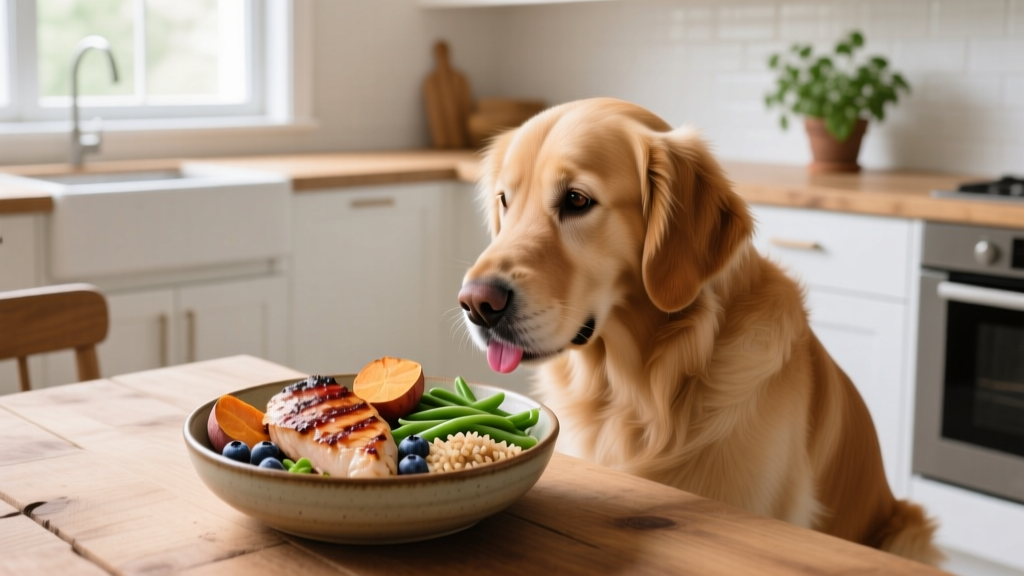
Making meals for your dog from scratch can feel rewarding — you control every ingredient, avoid fillers, and cater to picky palates or food sensitivities. But the line between a nourishing home-prepared diet and one that silently causes nutritional deficiencies is thinner than most owners realize. A 2013 study published in the Journal of Nutritional Science found that 95% of home-prepared dog diets evaluated were deficient in at least one essential nutrient, and 83.5% had multiple deficiencies.
This guide gives you the framework to approach home cooked dog meal recipes responsibly — including when homemade makes sense, what supplements are non-negotiable, and which commercial options bridge the gap when cooking from scratch isn't practical.
Why Nutritional Precision Matters More Than Ingredient Quality
You can buy organic, human-grade chicken and steamed broccoli and still feed your dog an incomplete diet. Dogs require a precise ratio of over 40 essential nutrients, including specific amino acids (taurine, L-carnitine), minerals (calcium-to-phosphorus ratio of approximately 1.2:1), and fat-soluble vitamins (A, D, E, K). A diet of "meat and vegetables" without targeted supplementation will develop deficiencies over weeks to months.
According to the Merck Veterinary Manual, the most common deficiencies in homemade diets include:
- Calcium — leads to secondary hyperparathyroidism, bone demineralization, fractures
- Vitamin E — causes muscle degeneration, immune suppression
- Zinc — results in skin lesions, poor wound healing, immune dysfunction
- Taurine — linked to dilated cardiomyopathy (DCM), especially in larger breeds
- Omega-3 fatty acids (EPA/DHA) — affects coat quality, joint health, inflammatory response
Nutritional Requirements by Life Stage and Condition
Your dog's caloric and macronutrient needs shift dramatically based on life stage, activity level, and health status. Below are baseline targets per the National Research Council (NRC) guidelines. These assume a healthy dog at ideal body weight.
| Nutrient | Adult Maintenance | Puppy (Growth) | Senior (7+ yrs) | Active/Working Dog | Weight Loss |
|---|---|---|---|---|---|
| Crude Protein (min %) | 18% DM | 22.5% DM | 20-25% DM | 24-28% DM | 25-30% DM |
| Crude Fat (min %) | 5.5% DM | 8.5% DM | 8-12% DM | 15-20% DM | 5-8% DM |
| Calcium (g/day per 10 kg) | 1.0-2.5 g | 2.5-4.5 g | 1.0-2.5 g | 1.5-3.0 g | 1.0-2.5 g |
| Phosphorus (g/day per 10 kg) | 0.75-1.5 g | 2.0-3.5 g | 0.6-1.2 g | 1.0-2.0 g | 0.5-1.0 g |
| Calories (kcal/day, 20 lb dog) | 550-650 | 750-900 | 480-560 | 800-1100 | 400-480 |
| Calories (kcal/day, 50 lb dog) | 1050-1250 | 1400-1700 | 900-1050 | 1500-2000 | 750-900 |
| Calories (kcal/day, 80 lb dog) | 1450-1700 | 1900-2300 | 1250-1450 | 2000-2700 | 1050-1200 |
Key adjustment factors: Intact dogs burn approximately 10-15% more calories than neutered/spayed dogs. Brachycephalic breeds (Bulldogs, Pugs) tend toward lower metabolic rates. Sighthounds (Greyhounds, Whippets) often require higher fat percentages for energy.
Home Cooked Dog Meal Recipes: Two Vet-Nutritionist-Approved Frameworks
Recipe Framework A: Chicken & Rice (Adult Maintenance, 50 lb Dog)
This is a base framework yielding approximately 1,200 kcal/day. Adjust portions proportionally for your dog's weight using the calorie targets above.
| Ingredient | Amount (Daily) | Purpose |
|---|---|---|
| Chicken breast, cooked, diced | 8 oz (227 g) | Lean protein source |
| White rice, cooked | 1.5 cups (290 g) | Digestible carbohydrate |
| Sweet potato, cooked, mashed | 0.5 cup (115 g) | Fiber, vitamin A, potassium |
| Broccoli, steamed, chopped | 0.25 cup (25 g) | Vitamin C, K, fiber |
| Sardines in water (no salt) | 1 oz (28 g) | Omega-3 (EPA/DHA), vitamin D |
| Chicken liver, cooked | 1 oz (28 g) | Vitamin A, B12, iron, copper |
Recipe Framework B: Turkey & Quinoa (Sensitive Stomach / Allergy-Friendly)
| Ingredient | Amount (Daily, 30 lb Dog) | Purpose |
|---|---|---|
| Ground turkey (93% lean), cooked | 6 oz (170 g) | Novel-ish protein, lower allergen risk |
| Quinoa, cooked | 1 cup (185 g) | Complete amino acid carb source |
| Green beans, steamed | 0.5 cup (60 g) | Fiber, manganese |
| Carrots, cooked, diced | 0.25 cup (35 g) | Beta-carotene, fiber |
| Salmon oil | 1 tsp (5 mL) | EPA/DHA omega-3 |
| Egg, whole, cooked | 1 large | Complete protein, biotin, choline |
Required Supplements for Both Recipes
No homemade recipe is complete without supplementation. Meat and grains alone cannot provide adequate calcium, trace minerals, or fat-soluble vitamins. Add the following daily:
| Supplement | Dosage (per 30 lb dog) | Dosage (per 60 lb dog) | Why It's Essential |
|---|---|---|---|
| Calcium carbonate or citrate | 800-1000 mg | 1500-2000 mg | Meat is high-phosphorus; calcium balances the Ca:P ratio to prevent bone loss |
| Vitamin E (mixed tocopherols) | 50-100 IU | 100-200 IU | Antioxidant; cooking destroys natural vitamin E in food |
| Zinc (as zinc gluconate) | 7-10 mg | 15-20 mg | Immune function, skin/coat health; grains bind dietary zinc |
| Iodine (kelp powder, standardized) | 75-100 mcg | 150-200 mcg | Thyroid hormone production; most homemade diets are iodine-deficient |
| Vitamin D3 | 200-300 IU | 400-600 IU | Calcium absorption; dogs cannot synthesize vitamin D from sunlight effectively |
| B-complex vitamin | 1/4 tablet (human dose) | 1/2 tablet | Cooking depletes B vitamins; supports metabolism and nerve function |
| Taurine (for breeds at DCM risk) | 250-500 mg | 500-1000 mg | Cardiac health; Golden Retrievers, Cocker Spaniels, large breeds at higher risk |
Commercial Alternatives: When Cooking Isn't Practical
Most owners find that preparing fully balanced homemade meals daily is unsustainable. That's perfectly fine. The following commercial options meet AAFCO complete-and-balanced standards and use high-quality, whole-food ingredient profiles that approximate the philosophy behind home cooking.
What to look for on the label:
- AAFCO statement — must read "formulated to meet the nutritional levels established by the AAFCO Dog Food Nutrient Profiles" or "animal feeding tests using AAFCO procedures substantiate..." The latter (feeding trial) is a higher standard.
- Named protein first — "chicken" or "salmon," not "meat meal" or "animal by-products"
- Guaranteed analysis — protein minimum, fat minimum, fiber maximum, moisture maximum listed clearly
- Calorie statement — kcal/cup or kcal/kg, required since 2021 AAFCO updates
- Named fat source — "chicken fat" or "salmon oil," not "animal fat"
Top Recommended Commercial Foods (2026 Pricing)
1. The Farmer's Dog — Fresh Recipe (Turkey)
Type: Fresh-cooked, human-grade | Price: $2.50-$5.50/day depending on dog size | Best for: Owners wanting homemade-quality food without formulation risk
AAFCO complete and balanced. Recipes formulated by board-certified veterinary nutritionists. Delivered frozen in pre-portioned packs. Uses USDA human-grade turkey, chickpeas, carrots, broccoli, spinach, and fish oil. Calorie-dense at approximately 440 kcal per 12 oz pack.
2. Nom Nom Now — Chicken Recipe
Type: Fresh-cooked, human-grade | Price: $3-$6/day | Best for: Dogs with sensitive stomachs, owners wanting recipe transparency
Gently cooked with visible whole ingredients. Chicken, carrots, peas, squash, chicken liver, and chia seed. Includes proprietary Nutrient Blend supplement for completeness. Approximately 380 kcal per 10 oz serving.
3. Orijen Original Dry
Type: Biologically appropriate kibble | Price: $85-$110 per 25 lb bag | Best for: Active adult dogs, multi-dog households on a moderate budget
85% animal ingredients (free-run chicken, turkey, wild-caught fish, cage-free eggs). 38% protein, 18% fat on guaranteed analysis. Approximately 449 kcal/cup. Made in Kentucky at Champion Petfoods kitchens.
4. JustFoodForDogs — Chicken & White Rice (DIY Nutrient Blend)
Type: DIY supplement + grocery-store ingredients | Price: $30-$45 per nutrient blend pouch (makes 24-30 lbs of food) | Best for: Owners who want to cook at home but need guaranteed nutritional balance
You buy the chicken, rice, vegetables, and oil from your grocery store. JustFoodForDogs provides the pre-measured supplement blend formulated by veterinary nutritionists to make the complete diet. This is the closest bridge between true home cooking and nutritional safety.
5. Open Farm — Simple Blend Chicken (Gently Cooked, Frozen)
Type: Gently cooked frozen | Price: $65-$90 per 4 lb box | Best for: Transitioning from kibble to fresh, dogs with food sensitivities
Limited ingredient: chicken, carrots, butternut squash, spinach, cranberries. No grains, no legumes, no artificial preservatives. Approximately 330 kcal per 8 oz serving. AAFCO complete for all life stages.
6. Hill's Science Diet Adult Sensitive Stomach & Skin
Type: Kibble, veterinary-recommended | Price: $55-$70 per 30 lb bag | Best for: Dogs with chronic GI sensitivity, budget-conscious owners
Prebiotic fiber blend, vitamin E and omega-6 for skin. 20.5% protein, 13.7% fat. Backed by feeding trials (not just formulation). Approximately 394 kcal/cup. Often recommended by veterinarians for dogs that don't tolerate richer diets.
7. Balance IT — Canine Plus (Supplement for Homemade Diets)
Type: Supplement powder for homemade cooking | Price: $35-$50 per container | Best for: Owners committed to home cooking who want a simpler supplement protocol
Developed by veterinary nutritionists. You use their free online recipe builder at balanceit.com to generate a custom recipe, then add the specified amount of this supplement powder. This dramatically reduces the guesswork in homemade diet formulation.
Feeding Amount Calculator: How Much to Feed Your Dog
Caloric needs vary enormously based on individual metabolism. The table below provides starting points for adult dogs at ideal weight. Use this as a baseline, then adjust based on body condition score (BCS) changes over 2-4 weeks.
| Dog Weight | Low Activity / Senior | Moderate Activity (30-60 min/day) | High Activity / Working | Intact (Add 10-15%) |
|---|---|---|---|---|
| 10 lb / 4.5 kg | 240-280 kcal | 300-350 kcal | 400-480 kcal | +30-50 kcal |
| 20 lb / 9 kg | 400-470 kcal | 500-600 kcal | 700-850 kcal | +50-90 kcal |
| 35 lb / 16 kg | 580-680 kcal | 730-870 kcal | 1000-1200 kcal | +75-130 kcal |
| 50 lb / 23 kg | 750-880 kcal | 950-1120 kcal | 1300-1550 kcal | +100-170 kcal |
| 70 lb / 32 kg | 940-1100 kcal | 1180-1400 kcal | 1650-1950 kcal | +120-210 kcal |
| 90 lb / 41 kg | 1120-1310 kcal | 1400-1650 kcal | 1950-2300 kcal | +140-250 kcal |
| 120 lb / 54 kg | 1350-1580 kcal | 1700-2000 kcal | 2350-2800 kcal | +170-300 kcal |
Adjustment protocol: Weigh your dog every 2 weeks during dietary changes. If BCS increases (ribs harder to feel, waist less visible), reduce daily calories by 10%. If BCS decreases (ribs visible, spine prominent), increase by 10%. For homemade diets, calculate calories using a tool like the USDA FoodData Central database or consult a veterinary nutritionist for exact recipe caloric density.
Foods to Avoid: Toxic and Problematic Ingredients
Whether cooking at home or selecting commercial foods, ensure these ingredients never appear in your dog's meals:
| Ingredient | Toxicity Level | Symptoms | Minimum Toxic Dose |
|---|---|---|---|
| Grapes and raisins | Severe — acute kidney failure | Vomiting, lethargy, anuria within 24-72 hours | Any amount; no safe threshold established |
| Onions, garlic, chives (Allium species) | Moderate to severe — hemolytic anemia | Pale gums, weakness, dark urine (onset 3-5 days) | ~15-30 g/kg body weight (onion); garlic is ~5x more potent |
| Xylitol (birch sugar) | Severe — hypoglycemia, liver failure | Vomiting, collapse, seizures within 30-60 minutes | 0.1 g/kg causes hypoglycemia; 0.5 g/kg causes liver failure |
| Macadamia nuts | Moderate — neuromuscular dysfunction | Hind limb weakness, tremors, hyperthermia (onset 6-12 hours) | 2.4 g/kg |
| Cooked bones (any type) | Moderate — GI perforation risk | Choking, vomiting blood, abdominal pain, constipation | Any amount; splinter risk is unpredictable |
| Chocolate (dark/baking) | Moderate to severe — methylxanthine toxicity | Hyperactivity, vomiting, tremors, cardiac arrhythmia | 20 mg/kg theobromine (mild); 40-50 mg/kg (severe) |
| Avocado (persin-containing parts) | Mild to moderate | Vomiting, diarrhea; myocardial damage in very large doses | Leaves, bark, and pit are highest risk; flesh is lower risk but high-fat |
| Raw yeast dough | Moderate — gastric dilation, ethanol toxicity | Bloated abdomen, vomiting, disorientation, seizures | Any amount of active, rising dough |
If your dog ingests any potentially toxic substance, contact the ASPCA Animal Poison Control Center at (888) 426-4435 (24/7, consultation fee applies) or the Pet Poison Helpline at (855) 764-7661 immediately.
Transition Protocol: Switching Foods Over 7-10 Days
Abrupt diet changes cause gastrointestinal upset — diarrhea, vomiting, gas, and appetite loss. This is especially true when switching between kibble and homemade, because the digestive enzyme profile and gut microbiome composition must adapt to new macronutrient ratios.
| Days | Old Food | New Food | What to Watch For |
|---|---|---|---|
| 1-2 | 75% | 25% | Normal stool, appetite maintained |
| 3-4 | 50% | 50% | Slightly softer stool is acceptable; diarrhea is not |
| 5-6 | 25% | 75% | Stool should be forming well; gas may increase temporarily |
| 7-8 | 10% | 90% | Monitor for vomiting, appetite changes, lethargy |
| 9-10 | 0% | 100% | Full transition — monitor BCS and stool quality over next 2 weeks |
If diarrhea occurs at any stage: Hold the transition at the current ratio for 2-3 extra days. Add 1-2 tablespoons of plain canned pumpkin (not pie filling) per meal for soluble fiber. If diarrhea persists beyond 48 hours or is accompanied by vomiting, lethargy, or blood, consult your veterinarian before continuing.
Probiotic support during transition: Adding a canine-specific probiotic (such as Purina FortiFlora or Proviable-DC) during the transition period helps stabilize gut flora. Dosage: 1 capsule or packet daily with food.
Raw Diet Considerations: Honest Risk Assessment
Some owners exploring home cooked dog meal recipes also consider raw (BARF or prey-model) diets. It's important to understand the documented risks before committing to raw feeding:
- Bacterial contamination: A 2024 FDA study found Salmonella in 25% of raw pet food samples and Listeria monocytogenes in 32%. These pathogens pose risks to both dogs and immunocompromised humans in the household.
- Nutritional imbalance: Raw diets are even more prone to calcium-phosphorus ratio imbalances than cooked homemade diets, particularly those using whole bones as the calcium source.
- Dental fractures: Weight-bearing bones (femur, knuckle) can crack canine teeth, requiring expensive surgical extraction or root canal therapy ($1,500-$3,000+).
- GI obstruction/perforation: Bone fragments can cause life-threatening blockages requiring emergency surgery.
If you choose to feed raw, work exclusively with a veterinary nutritionist, use high-pressure processing (HPP) treated commercial raw products, and follow strict food safety protocols (separate prep surfaces, immediate cleanup, no raw feeding in households with young children or immunocompromised individuals).
Monitoring Success: How to Know Your Dog's Diet Is Working
Diet evaluation isn't a one-time event. Monitor these four indicators continuously:
| Indicator | Ideal | Warning Signs | Action |
|---|---|---|---|
| Body Condition Score (BCS, 1-9 scale) | 4-5: Ribs easily felt with light pressure, visible waist from above, abdominal tuck from side | BCS 6+: Ribs require firm pressure, no waist, abdominal sag. BCS 3 or below: Ribs visible, spine prominent, muscle wasting | Adjust calories by 10% in appropriate direction; re-evaluate in 2 weeks |
| Coat Quality | Shiny, smooth, minimal shedding beyond seasonal norms, no flaky skin | Dull, dry, brittle coat; excessive shedding; flaky or greasy skin; hot spots | Check omega-3/6 ratio; increase fish oil (1 tsp per 20 lb body weight); evaluate zinc and vitamin E supplementation |
| Energy Level | Alert, playful, exercises willingly, recovers quickly from activity | Lethargy, reluctance to exercise, excessive sleeping, slow recovery | Evaluate caloric intake vs. expenditure; check for iron/B-vitamin deficiencies; consult vet for bloodwork |
| Stool Quality | Firm but not hard, log-shaped, easy to pick up, 1-3 bowel movements daily | Chronic loose stool, mucus, blood, straining, very large volume (indicates poor digestibility), constipation | Adjust fiber content; evaluate protein digestibility; add probiotics; if persistent >5 days, consult vet |
Annual bloodwork recommendation: If feeding a homemade diet, request a complete blood count (CBC), chemistry panel, and taurine level (for at-risk breeds) annually. This costs approximately $150-$300 depending on your region and catches subclinical deficiencies before they cause organ damage. Ask your vet specifically about vitamin D levels and calcium-phosphorus ratios.
Frequently Asked Questions
What is the best dog food for my dog's specific condition?
There is no universal "best" food — it depends on life stage, breed, activity level, and health status. For kidney disease, look for reduced phosphorus (<0.7% DM), moderate high-quality protein, and added omega-3s (Hill's k/d or Royal Canin Renal). For allergies, a novel protein or hydrolyzed protein diet (Purina HA, Royal Canin Hydrolyzed Protein) is the gold standard for elimination trials. For puppies, choose food meeting AAFCO growth profiles with DHA for brain development. For senior dogs, moderate protein (20-25% DM), joint-supporting ingredients (glucosamine, EPA), and controlled phosphorus are key. Always consult your veterinarian for condition-specific recommendations.
How much should I feed my dog?
Start with the calorie targets in the feeding table above based on your dog's weight and activity level. Then divide daily calories by the caloric density of your food (check the label for kcal/cup or calculate homemade recipe calories using USDA FoodData Central). Feed most adult dogs twice daily. Puppies under 6 months need 3-4 meals per day. Adjust based on body condition score changes every 2-4 weeks — the feeding chart is a starting point, not a fixed prescription.
Can I feed my dog a homemade or raw diet?
Yes, but only with veterinary nutritionist oversight. Studies consistently show that the vast majority of unguided homemade diets are nutritionally incomplete. Use a recipe builder tool like Balance IT or consult a DACVN diplomate through the ACVN directory. Raw diets carry additional bacterial contamination risks and require even more careful formulation. If you cannot commit to regular nutritional analysis, supplementation protocols, and annual bloodwork monitoring, a high-quality commercial food is the safer choice.
What ingredients should I avoid in dog food?
Beyond the toxic foods listed above (grapes, onions, xylitol, chocolate, cooked bones), avoid commercial foods where the first ingredient is a generic grain or unnamed meat source ("meat meal," "animal fat"). Artificial preservatives BHA, BHT, and ethoxyquin are legal but increasingly avoided by owners seeking cleaner labels — look for foods preserved with mixed tocopherols (vitamin E) or rosemary extract instead. Also avoid foods with excessive legume content (peas, lentils, chickpeas listed in the first 5 ingredients) unless recommended by your vet, due to the ongoing FDA investigation into grain-free diets and dilated cardiomyopathy.
How do I switch my dog to a new food?
Follow the 10-day gradual transition schedule above, mixing increasing proportions of the new food with decreasing proportions of the old. If your dog has a history of GI sensitivity, extend the transition to 14-21 days. Add a canine probiotic during the transition period. If diarrhea or vomiting occurs, pause the transition at the current ratio and wait for symptoms to resolve before advancing. Never switch foods abruptly unless directed by your veterinarian for a medical reason.
Does my dog need supplements?
If feeding a complete-and-balanced commercial diet (with AAFCO statement), additional supplements are generally unnecessary and may cause harm (hypervitaminosis from excess fat-soluble vitamins, mineral imbalances). If feeding homemade, supplements are absolutely required — calcium, vitamin E, zinc, iodine, vitamin D, and B-complex are non-negotiable. Specific supplements may benefit certain conditions: glucosamine/chondroitin for joint health in large breeds, fish oil for skin/coat/inflammation, and probiotics for GI health. Always consult your veterinarian before adding supplements to a commercial diet.
Priya Sutaria
All our authors care for dogs every day — read more of their work on the authors page.


