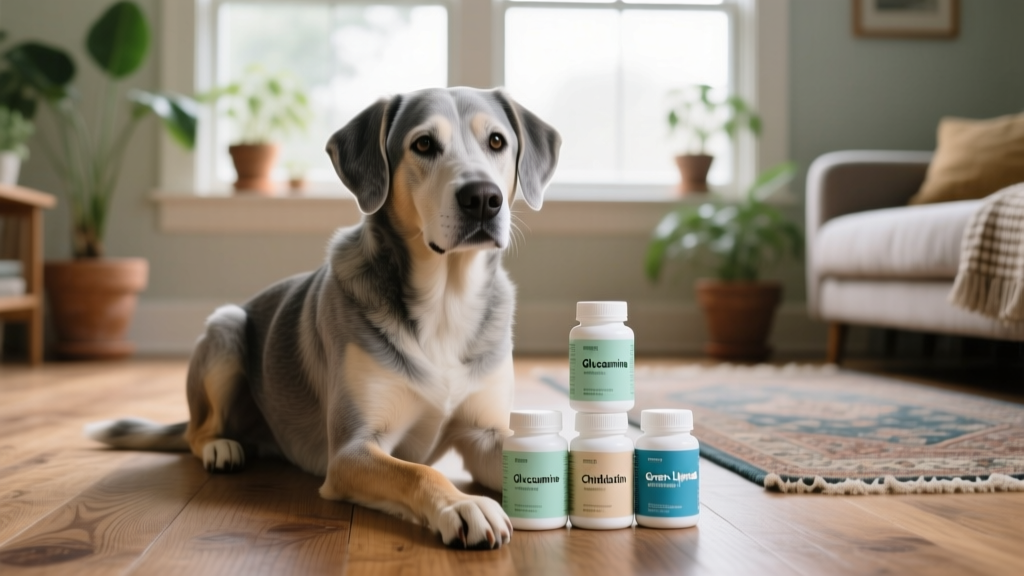
High Quality Protein Dog Food: Choose, Feed & Transition in
Find the best high quality protein dog food for your dog's life stage.

Not all protein is created equal. A bag of kibble might boast "28% crude protein" on the label, but if that protein comes mostly from corn gluten meal and feather meal, your dog's body won't use it efficiently. High quality protein dog food means highly bioavailable animal-based proteins that your dog can digest, absorb, and turn into muscle, immune cells, and healthy skin. This guide gives you the exact numbers, label-reading skills, and product picks to make confident feeding decisions in 2026.
Why Protein Quality Matters More Than Protein Percentage
The Merck Veterinary Manual distinguishes between crude protein (the total nitrogen-based measurement on a guaranteed analysis) and digestible protein (what your dog actually absorbs). A food listing 30% crude protein with low digestibility may deliver less usable amino acids than a 25% food built on named meat meals and fresh meats.
Biological value (BV) is the metric nutritionists use to rank protein sources. Eggs score 100, chicken and fish hover around 80–92, beef and lamb sit near 78, and plant proteins like soy and corn gluten fall between 54–74. Dogs are omnivores with a carnivorous bias — they thrive when the majority of dietary protein comes from animal tissues.
High quality protein dog food should list one or more named animal proteins (chicken, salmon, lamb, turkey, beef) as the first two ingredients, ideally before any starches or plant protein concentrates. Watch for ingredient splitting — when peas, pea protein, and pea flour are listed separately to mask a heavy plant-protein load.
Nutritional Requirements by Life Stage and Condition
Protein and calorie needs shift dramatically from puppyhood through senior years. The table below uses FDA and AAFCO minimums as a floor, with practical upper ranges for optimal health.
| Life Stage / Condition | Protein % | Fat % | Calories/Day (50 lb dog) | Key Notes |
|---|---|---|---|---|
| Puppy (large breed) | 26–32% | 12–18% | 1,200–1,600 kcal | Calcium ≤1.8% DM to protect joints |
| Puppy (small breed) | 28–34% | 15–22% | 600–900 kcal | Higher fat for rapid metabolism |
| Adult (moderate activity) | 24–30% | 12–18% | 900–1,100 kcal | AAFCO maintenance minimum 18% protein |
| Active / Working | 30–38% | 20–28% | 1,400–2,200 kcal | Extra fat fuels endurance |
| Senior (7+ years) | 28–34% | 10–16% | 750–950 kcal | Higher protein preserves lean mass |
| Weight Loss | 30–38% | 8–12% | 650–850 kcal | High protein prevents muscle loss |
| Food Allergies | 26–32% | 12–18% | 850–1,100 kcal | Novel or hydrolyzed protein required |
| Kidney Disease (CKD) | 14–18% | 14–22% | 800–1,000 kcal | Phosphorus-restricted; consult your veterinarian |
Important: Dogs with kidney disease need a prescription renal diet. Do not feed high-protein food to a dog with confirmed CKD without veterinary oversight — excess phosphorus accelerates kidney damage.
How to Read a Dog Food Label Like a Nutritionist
Every commercial dog food sold in the U.S. must carry an AAFCO (Association of American Feed Control Officials) nutritional adequacy statement. It will read either:
- "[Product] is formulated to meet the nutritional levels established by the AAFCO Dog Food Nutrient Profiles for [life stage]."
- "Animal feeding tests using AAFCO procedures substantiate that [product] provides complete and balanced nutrition for [life stage]."
The feeding-test version is the gold standard — it means real dogs ate this food and thrived. The formulation version means the recipe was lab-analyzed but not necessarily fed in trials.
Green Flags (Look For)
- Named meat or meat meal as ingredient #1 (chicken, salmon, lamb meal)
- AAFCO statement matching your dog's life stage
- Named fat sources (chicken fat, salmon oil) — not "animal fat"
- Whole-food carbohydrate sources (sweet potato, oats, brown rice)
- Added probiotics (Lactobacillus, Bifidobacterium) listed with colony-forming units (CFU)
Red Flags (Avoid)
- "Meat by-products" or "animal digest" without a named species
- Propylene glycol, BHA, BHT, or ethoxyquin as preservatives
- Artificial colors (Red 40, Yellow 5, Yellow 6, Blue 2)
- Ingredient splitting: peas, pea protein, pea fiber, and pea flour listed as four separate items
- Vague "natural flavors" appearing before named meats
- Grain-free formulas heavy in legumes (peas, lentils, chickpeas) — the FDA has investigated a potential link between these diets and dilated cardiomyopathy (DCM)
Top 7 High Quality Protein Dog Foods for 2026
The following picks are based on AAFCO compliance, ingredient quality, manufacturing transparency, and price-to-nutrition ratio. Pricing reflects typical 2026 retail for 24–30 lb bags unless noted.
1. Purina Pro Plan Sport 30/20 (All Life Stages / Active Dogs)
Protein: 30% | Fat: 20% | First ingredient: Chicken | Price: $55–$70 (30 lb) | Best for: Active adults, working breeds, sporting dogs
Chicken-based with real poultry by-product meal (named species) as the secondary protein. Feeding-trial verified. Excellent amino acid profile for muscle maintenance. Widely used by field-trial competitors and search-and-rescue handlers.
2. Orijen Original Adult (High-Protein Kibble)
Protein: 38% | Fat: 18% | First ingredient: Deboned chicken | Price: $90–$115 (25 lb) | Best for: High-energy adults, owners wanting whole-prey ratios
85% animal ingredients with two-thirds fresh or raw. The protein density is exceptional but may cause loose stools in sedentary dogs. Not suitable for CKD or pancreatitis-prone breeds.
3. Hill's Science Diet Adult Advanced Fitness (Moderate Activity)
Protein: 25% | Fat: 16% | First ingredient: Chicken | Price: $60–$78 (30 lb) | Best for: Average adult dogs, sensitive stomachs
Fed in AAFCO feeding trials. Moderate protein level suits dogs that don't need extreme performance nutrition. Highly consistent batch quality — a common vet-recommended staple.
4. Royal Canin Veterinary Diet Hydrolyzed Protein HP (Allergies)
Protein: 21% (hydrolyzed soy) | Fat: 12% | Price: $85–$100 (18 lb, prescription) | Best for: Food allergy elimination trials
Proteins are broken into fragments too small to trigger an immune response. Requires veterinary authorization. This is the diagnostic gold standard for identifying food allergies.
5. Wellness CORE Grain-Free High Protein (Adult)
Protein: 34% | Fat: 15% | First ingredient: Deboned turkey | Price: $70–$90 (26 lb) | Best for: Active adults, owners preferring grain-free with DCM caution
Named meat-first with added lentils. If feeding grain-free, have your vet check taurine levels annually. Rotate with a grain-inclusive diet to reduce legume-heavy exposure.
6. Diamond Naturals Adult Lamb & Rice (Budget Pick)
Protein: 23% | Fat: 14% | First ingredient: Lamb meal | Price: $38–$50 (30 lb) | Best for: Budget-conscious owners, mild sensitivities
Lamb meal provides concentrated protein at a lower price point. Includes ground rice and cracked pearled barley. No artificial preservatives. Solid value with AAFCO feeding-trial backing.
7. JustFoodForDogs Pantry Fresh (Gently Cooked, Fresh)
Protein: 28% DM | Fat: 16% DM | First ingredient: USDA chicken | Price: $5–$8 per 8 oz pouch | Best for: Picky eaters, owners wanting human-grade ingredients
Shelf-stable, gently cooked, and formulated by veterinary nutritionists. More expensive per calorie but excellent palatability. Use as a topper or full diet depending on budget.
Feeding Amounts: How Much Should You Feed?
Calorie needs vary by metabolism, age, activity, and whether your dog is intact or neutered. The resting energy requirement (RER) formula is:
RER = 70 × (body weight in kg)^0.75
Then multiply by a life-stage factor: intact adult ×1.8, neutered adult ×1.6, senior ×1.4, weight loss ×1.0, puppy (under 4 months) ×3.0, puppy (4–12 months) ×2.0.
| Dog Weight | Daily Calories | Approx. Cups/Day | Adjustment Notes |
|---|---|---|---|
| 10 lb / 4.5 kg | 280–330 kcal | ¾ – ⅞ cup | Small breeds burn 20% more per lb; monitor BCS |
| 25 lb / 11 kg | 530–620 kcal | 1⅓ – 1⅔ cups | Reduce 10–15% if mostly sedentary |
| 50 lb / 23 kg | 880–1,040 kcal | 2¼ – 2¾ cups | Working dogs may need 1.5–2× this amount |
| 75 lb / 34 kg | 1,180–1,380 kcal | 3 – 3⅔ cups | Large breeds prone to bloat — split into 2 meals |
| 100 lb / 45 kg | 1,440–1,700 kcal | 3¾ – 4½ cups | Giant breeds: feed 2–3 meals to reduce GDV risk |
These are starting points. Weigh your dog every 2 weeks during the first month on a new food and adjust ±10% based on body condition score trends.
The 10-Day Food Transition Protocol
Sudden food switches cause gastrointestinal upset — vomiting, diarrhea, and gas — because the gut microbiome needs time to adapt. Follow this schedule strictly:
| Days | Old Food | New Food | Notes |
|---|---|---|---|
| 1–2 | 75% | 25% | Watch for appetite changes |
| 3–4 | 50% | 50% | Loose stool is common here — add 1 tsp canned pumpkin per 20 lb body weight |
| 5–6 | 25% | 75% | If diarrhea persists, hold this ratio 2 extra days |
| 7–8 | 10% | 90% | Final adjustment phase |
| 9–10 | 0% | 100% | Full switch — begin 2-week monitoring period |
For sensitive stomachs or dogs with a history of food-triggered GI issues: Extend the transition to 14–21 days. Add a canine probiotic (e.g., Purina FortiFlora or Proviable-DC) starting 3 days before the switch and continuing through day 14.
Homemade and Raw Diets: What You Need to Know
Yes, you can feed a homemade diet — but only if it's formulated or approved by a board-certified veterinary nutritionist (DACVN or equivalent). Studies published in the Journal of the American Veterinary Medical Association have found that over 90% of online homemade dog food recipes are nutritionally deficient in at least one essential nutrient, often calcium, vitamin D, zinc, or choline.
⚠️ Safety Requirements for Homemade Diets
- Have the recipe formulated by a DACVN-certified nutritionist (expect $150–$400 for a custom recipe)
- Use a veterinary-formulated supplement blend (e.g., Balance IT®) matched to the exact recipe
- Weigh ingredients on a digital kitchen scale — measuring by volume introduces 15–30% variation
- Re-evaluate the recipe every 6 months or whenever your dog's weight, age, or health status changes
- Run quarterly bloodwork (CBC, chemistry panel, vitamin D, taurine) to catch silent deficiencies early
Raw diets carry documented risks. The AVMA and FDA have both issued statements about Salmonella and Listeria contamination in raw pet food. A 2024 study in Preventive Veterinary Medicine found Salmonella in 25% of raw diet samples. If you choose to feed raw:
- Source from companies using high-pressure processing (HPP) to reduce pathogen load
- Never feed raw to puppies under 6 months, immunocompromised dogs, or households with young children
- Handle raw food with the same hygiene protocols as raw human meat — separate cutting boards, immediate surface sanitizing
- Have your vet run fecal cultures every 6 months
Ingredients to Avoid and Why
Beyond the red flags listed in the label-reading section, these specific ingredients warrant avoidance:
- 4D meats (dead, dying, diseased, disabled) — listed as "meat meal" or "animal by-product meal" without a named species. These can contain pentobarbital residues.
- Propylene glycol — a humectant banned in cat food by the FDA but still permitted in some dog foods. Can cause Heinz body anemia in high doses.
- Menadione (synthetic vitamin K3) — linked to liver toxicity at high doses. Look for vitamin K from natural sources (phytonadione) instead.
- Garlic and onion powder — Allium species cause oxidative damage to red blood cells. Toxic doses start around 5 g/kg body weight, but cumulative low-dose exposure in food is an unnecessary risk.
- Xylitol — extremely toxic to dogs, causing rapid hypoglycemia and liver failure. While rare in kibble, it appears in some "sugar-free" treats and peanut butters. If ingestion is suspected, call ASPCA Animal Poison Control at (888) 426-4435 immediately (24/7, consultation fee applies).
Supplements: Does Your Dog Need Them?
Most dogs on a complete-and-balanced commercial diet do not need additional supplements. Adding extras can actually cause harm — excess calcium in large-breed puppies accelerates growth-related orthopedic disease, and too much vitamin D causes soft-tissue mineralization.
| Supplement | When to Consider | Typical Dose | Caution |
|---|---|---|---|
| Omega-3 (fish oil) | Dull coat, itchy skin, arthritis | 50–100 mg EPA+DHA per kg body weight/day | High doses may impair clotting; stop 7 days before surgery |
| Probiotics | Antibiotic use, GI upset, food transitions | 1–10 billion CFU/day (strain-specific) | Use canine-specific strains (L. acidophilus, B. animalis) |
| Glucosamine/Chondroitin | Senior dogs, breeds prone to hip dysplasia | 20 mg glucosamine per lb body weight/day | Minimal risk; effects take 4–8 weeks |
| Vitamin E | Dogs on high-fat diets or with skin conditions | 2–5 IU per lb body weight/day | Consult vet — excess can interfere with thyroid function |
| Taurine | Dogs on grain-free or legume-heavy diets, predisposed breeds (Golden Retrievers, Cocker Spaniels) | 250–500 mg/day for medium dogs | Check blood taurine levels first; excess is excreted but wasteful |
Never supplement without consulting your veterinarian first. Bloodwork can identify actual deficiencies versus perceived ones.
Monitoring Success: How to Know the Food Is Working
Switching to a high quality protein dog food should produce visible results within 4–8 weeks. Track these four indicators:
1. Body Condition Score (BCS)
Use the 9-point Purina BCS scale. Your dog should score a 4 or 5: ribs easily felt but not seen, visible waist from above, abdominal tuck from the side. If BCS rises above 6 within a month, reduce portions by 10%.
2. Coat and Skin Quality
A high-quality protein diet produces a glossy, resilient coat with minimal shedding beyond seasonal norms. Skin should be pink (or breed-appropriate pigment), free of flakes, hot spots, or excessive oiliness. Dull, brittle fur or chronic ear infections often signal protein or fatty acid deficiency.
3. Energy and Muscle Tone
Feel along your dog's spine and hindquarters. You should feel firm muscle, not bony prominences. Senior dogs losing topline muscle often benefit from increased protein (not decreased) — a common misconception. Active dogs should recover quickly from exercise without prolonged lethargy.
4. Stool Quality
Ideal stool is firm, dark brown, and holds its shape when picked up. It should not leave residue on the ground. Loose, frequent, or foul-smelling stools after the transition period indicate the food isn't a good fit — either the protein source is triggering a sensitivity, or the fiber balance is off. Volume matters too: high-digestibility foods produce smaller, less frequent stools. If your dog is producing large amounts of waste relative to food intake, digestibility is poor.
Frequently Asked Questions
What is the best high quality protein dog food for puppies?
For large-breed puppies, look for foods labeled "growth" or "all life stages" with calcium at or below 1.8% on a dry matter basis. Purina Pro Plan Large Breed Puppy (28% protein) and Hill's Science Diet Large Breed Puppy are well-researched options. Small-breed puppies need calorie-dense formulas with 28–34% protein to support their faster metabolisms.
How much should I feed my dog on a high-protein diet?
Use the RER formula above, then adjust for your dog's life stage and activity level. High-protein foods are often more calorie-dense, so you may feed slightly less volume than a lower-protein food. Always measure by weight (grams) rather than cups for accuracy — a kitchen scale costs under $15 and eliminates guesswork.
Can I feed my dog a homemade or raw diet for high-quality protein?
Yes, but only with a veterinary nutritionist's involvement. Over 90% of online recipes are deficient in essential nutrients. Raw diets carry Salmonella and Listeria risks for both dogs and humans. If you choose either path, budget $150–$400 for a custom recipe, $50–$100 quarterly for bloodwork, and follow the safety protocols outlined above.
What ingredients should I absolutely avoid in dog food?
Avoid unnamed meat sources ("meat by-products" without a species), artificial preservatives (BHA, BHT, ethoxyquin), artificial colors (Red 40, Yellow 5), propylene glycol, xylitol, and garlic/onion powder. For grain-free foods, monitor legume content and discuss taurine testing with your vet.
How do I switch my dog to a new high quality protein dog food?
Follow a 10-day gradual transition: 75/25 old-to-new for days 1–2, 50/50 for days 3–4, 25/75 for days 5–6, 10/90 for days 7–8, and 100% new food by day 9–10. For sensitive stomachs, extend to 14–21 days and add a canine probiotic throughout the transition.
Does my dog need supplements if I'm feeding a high quality protein dog food?
Usually no. A complete-and-balanced commercial food meeting AAFCO standards provides all essential nutrients. Exceptions include omega-3 for skin/coat support, glucosamine for senior joints, and taurine for dogs on grain-free diets in DCM-prone breeds. Always confirm with bloodwork and your veterinarian before adding supplements.
Marcus Aldridge
All our authors care for dogs every day — read more of their work on the authors page.