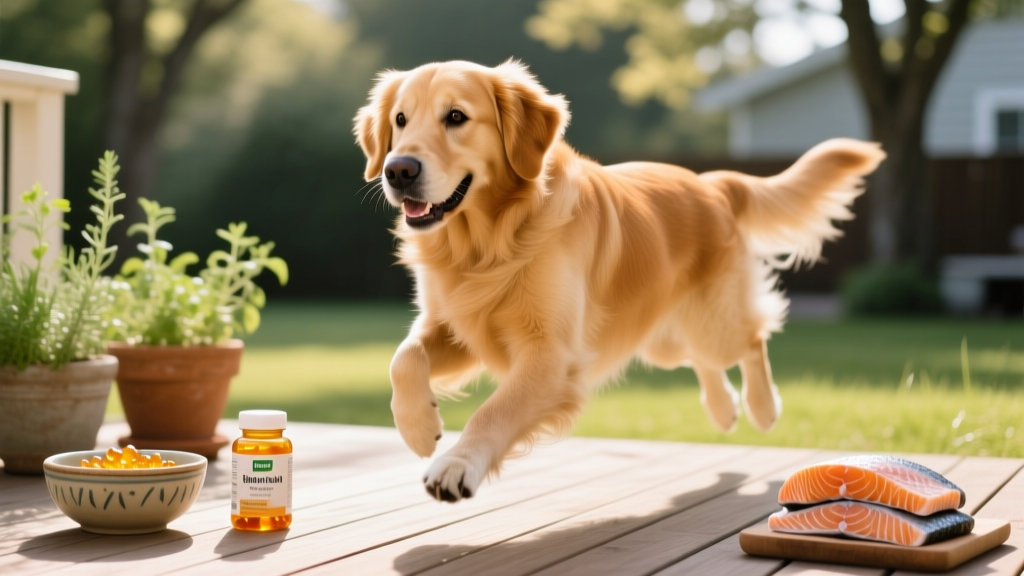
High Liver Function in Dogs: Symptoms, Causes & Treatment Guide
Learn what high liver function in dogs means, including symptoms, diagnostic tests, treatment options, costs, and prognosis by severity level.

What Does High Liver Function in Dogs Actually Mean?
When your veterinarian tells you your dog has "high liver function," they're referring to elevated liver enzymes detected on a blood chemistry panel — a finding that signals liver cell damage, inflammation, or increased bile duct activity. Technically called hepatocellular injury or cholestasis, this condition shows up as increased levels of ALT (alanine aminotransferase), AST (aspartate aminotransferase), ALP (alkaline phosphatase), and GGT (gamma-glutamyl transferase) on routine bloodwork.
Elevated liver enzymes are one of the most common abnormal findings in canine blood panels. According to the Merck Veterinary Manual, liver disease affects an estimated 1 in 10 dogs over their lifetime, and enzyme elevation often precedes clinical symptoms by months or even years. The liver is a remarkably resilient organ — it can lose up to 70–80% of functional capacity before obvious signs of failure appear, which makes early detection through bloodwork critical.
High liver enzymes don't always mean irreversible liver failure. Causes range from medication side effects and infections to chronic hepatitis, breed-specific copper storage diseases, and cancer. The key is understanding what the numbers mean, what further testing is needed, and how to manage your dog's condition going forward.
Recognizing the Symptoms: Early Warnings vs. Advanced Signs
Liver disease is notoriously silent in its early stages. Many dogs with elevated enzymes show no outward symptoms at all — the abnormality is caught only on routine senior bloodwork or pre-anesthetic screening. When symptoms do appear, they tend to be vague and overlap with dozens of other conditions.
| Stage | Symptoms | Typical Timeline |
|---|---|---|
| Early / Mild |
• Intermittently decreased appetite • Occasional vomiting (1–2x per week) • Slightly increased thirst and urination • Mild lethargy after exercise • Unexplained weight loss (slow, over months) | Months to years before diagnosis; often asymptomatic |
| Moderate / Progressive |
• Consistent appetite reduction • Frequent vomiting or regurgitation • Noticeable weight loss (5–10% of body weight) • Dull, dry, or thinning coat • Increased abdominal size (early fluid accumulation) • Behavioral changes (irritability, withdrawal) | Weeks to months; enzyme levels typically 3–10x normal |
| Advanced / Severe |
• Complete refusal to eat (anorexia) • Jaundice — yellowing of gums, whites of eyes, skin • Dark orange or brown urine • Pale, gray, or clay-colored stools • Ascites (visible abdominal swelling from fluid) • Hepatic encephalopathy: disorientation, head pressing, seizures • Easy bruising or prolonged bleeding • Black tarry stools (GI bleeding) | Days to weeks; indicates significant liver dysfunction; emergency |
Do not wait for a scheduled appointment if your dog shows any of these red flags:
• Yellow gums, eyes, or skin (jaundice)
• Seizures, disorientation, or head pressing against walls
• Vomiting blood or material that looks like coffee grounds
• Black, tarry stools
• Complete refusal to eat for more than 24 hours
• Collapse or inability to stand
• Rapidly increasing abdominal size
These signs suggest acute liver failure or advanced decompensation and require emergency veterinary care within hours.
Risk Factors: Which Dogs Are Most Vulnerable?
Not all dogs face equal risk for elevated liver enzymes. Several factors — some controllable, some genetic — influence your dog's likelihood of developing liver disease.
- Breed Predisposition: Certain breeds carry genetic susceptibility to specific liver conditions (see breed table below)
- Age: Dogs over 8 years old have significantly higher incidence of liver disease, though congenital conditions like portosystemic shunts appear in puppies
- Medication Exposure: Long-term use of phenobarbital (seizure control), NSAIDs (carprofen, meloxicam), or corticosteroids (prednisone) commonly elevates liver enzymes
- Body Condition: Overweight and obese dogs (BCS 7–9/9) face higher risk of hepatic lipidosis and chronic inflammation
- Toxin Exposure: Blue-green algae, xylitol, aflatoxins in contaminated food, certain mushrooms, and sago palm are all hepatotoxic
- Infectious Disease: Leptospirosis, canine infectious hepatitis (adenovirus), and tick-borne diseases can damage the liver
- Comorbidities: Cushing's disease, diabetes mellitus, and pancreatitis frequently cause secondary liver enzyme elevation
Breeds Most Prone to Liver Disease
| Breed | Primary Liver Condition | Typical Age of Onset | Notes |
|---|---|---|---|
| Doberman Pinscher | Chronic active hepatitis | 4–8 years | Female predisposition; immune-mediated component |
| Bedlington Terrier | Copper storage hepatopathy | 1–7 years | AUTOSOMAL RECESSIVE gene; DNA test available |
| Labrador Retriever | Copper-associated hepatopathy | 2–10 years | One of the most commonly affected breeds |
| West Highland White Terrier | Copper storage disease | 3–7 years | Similar genetic mechanism to Bedlington |
| Cocker Spaniel | Chronic hepatitis | 5–9 years | Often idiopathic; may be immune-mediated |
| Yorkshire Terrier | Portosystemic shunt (PSS) | Puppy to 2 years | Congenital vascular anomaly; surgical correction possible |
| Miniature Schnauzer | Portosystemic shunt, lipid metabolism disorders | Varies | Also prone to pancreatitis-related liver involvement |
| Dalmatian | Copper-associated hepatopathy | 1–5 years | Related to breed's unique uric acid metabolism |
| Standard Poodle | Chronic hepatitis | 5–10 years | Emerging breed predisposition noted in recent studies |
| German Shepherd | Chronic hepatitis, hemangiosarcoma | 6–10 years | Liver cancer risk notably higher than average |
How Veterinarians Diagnose High Liver Function in Dogs
Elevated liver enzymes on a routine chemistry panel are a starting point, not a diagnosis. Your veterinarian will follow a systematic diagnostic pathway to determine the underlying cause, severity, and appropriate treatment plan.
Step 1: Initial Blood Panel and Interpretation
A comprehensive serum biochemistry panel measures four key liver enzymes:
- ALT (Alanine Aminotransferase): Normal range approximately 10–100 U/L. ALT is the most liver-specific enzyme; elevation indicates active hepatocyte (liver cell) damage. Levels 2–3x normal suggest mild injury; levels above 10x normal indicate acute, severe damage.
- ALP (Alkaline Phosphatase): Normal range approximately 20–150 U/L. ALP elevation suggests bile duct obstruction, cholestasis, or hormonal influence (especially corticosteroids). Note: growing puppies naturally have elevated ALP due to bone growth.
- AST (Aspartate Aminotransferase): Normal range approximately 15–66 U/L. AST is less liver-specific — it also rises with muscle damage. When AST and ALT are both elevated, liver injury is more likely.
- GGT (Gamma-Glutamyl Transferase): Normal range approximately 0–12 U/L. GGT is highly specific to bile duct disease and cholestasis. Concurrent ALP and GGT elevation strongly points to biliary involvement.
Your vet will also evaluate total bilirubin (normal: 0.1–0.3 mg/dL), albumin (a protein produced by the liver), BUN (blood urea nitrogen), and cholesterol — all of which reflect the liver's functional capacity, not just damage.
Step 2: Functional Testing — Bile Acids
A pre- and post-prandial bile acids test is the gold standard for assessing actual liver function (as opposed to enzyme leakage). Your dog fasts for 12 hours, has blood drawn, eats a standard meal, then has blood drawn again 2 hours later. Fasting bile acids above 5–10 µmol/L or post-prandial levels above 15–25 µmol/L indicate impaired liver function. Cost: $80–$150 for the paired test.
Step 3: Imaging
- Abdominal Ultrasound ($300–$600): Evaluates liver size, texture, blood vessel architecture, bile duct dilation, and presence of masses or nodules. Can identify portosystemic shunts and guide biopsy needle placement.
- Abdominal Radiographs ($150–$300): Provide a general overview of liver size and shape. Less detailed than ultrasound but useful as a first-line imaging tool and for detecting ascites.
- CT Scan ($1,000–$2,500): Reserved for complex vascular anomalies, surgical planning for shunts, or detailed tumor evaluation. Usually performed at specialty centers.
Step 4: Liver Biopsy
A biopsy is the only way to definitively diagnose the type and stage of liver disease. Options include:
- Fine-needle aspirate (FNA): Minimally invasive, done with ultrasound guidance under light sedation. Provides cytology (individual cells) but not tissue architecture. Cost: $200–$400 including pathology fees.
- Tru-cut (needle) biopsy: Larger tissue core obtained under ultrasound guidance with sedation or brief anesthesia. Better diagnostic accuracy than FNA. Cost: $400–$800.
- Surgical (wedge) biopsy: Obtained during exploratory laparotomy or laparoscopy under general anesthesia. Provides the most diagnostic information, including copper quantification. Cost: $1,500–$3,500 depending on whether additional procedures (shunt attenuation, gallbladder removal) are performed simultaneously.
| Test / Procedure | Estimated Cost Range |
|---|---|
| Complete blood chemistry panel | $100–$250 |
| CBC (complete blood count) | $60–$120 |
| Bile acids test (paired) | $80–$150 |
| Urinalysis | $40–$80 |
| Abdominal ultrasound | $300–$600 |
| Fine-needle aspirate + pathology | $200–$400 |
| Tru-cut biopsy + pathology | $400–$800 |
| Surgical biopsy + anesthesia | $1,500–$3,500 |
| CT scan (if needed) | $1,000–$2,500 |
Costs vary by region, clinic type (general practice vs. specialty), and whether sedation or anesthesia is required. Total initial workup typically ranges from $500 to $2,000+ depending on how many tests are needed.
Treatment Options for High Liver Enzymes in Dogs
Treatment depends entirely on the underlying cause. There is no single "liver disease medication" — your veterinarian will tailor therapy to the specific diagnosis, severity, and your dog's overall health.
| Treatment Type | Indications | Common Medications / Methods | Success Rate / Notes |
|---|---|---|---|
| Medication Adjustment | Drug-induced enzyme elevation (phenobarbital, NSAIDs, steroids) | Reduce dose, switch to alternative medication, or taper off | Enzymes often normalize within 4–8 weeks after discontinuation |
| Hepatoprotectants | All forms of chronic liver disease; supportive care | Denamarin (SAMe + silybin), Denosyl, milk thistle (silymarin), ursodiol (ursodeoxycholic acid) | Improves liver cell regeneration and reduces oxidative stress; widely recommended by veterinary hepatologists |
| Antibiotics | Bacterial hepatitis, leptospirosis, secondary infections | Amoxicillin-clavulanate, metronidazole, enrofloxacin (based on culture) | Leptospirosis: 80–90% survival with early aggressive treatment; bacterial hepatitis: good prognosis with appropriate antibiotic |
| Immunosuppressive Therapy | Immune-mediated chronic hepatitis (common in Dobermans, Cocker Spaniels) | Prednisone, prednisolone, azathioprine, cyclosporine | Remission possible in 40–60% of cases; requires long-term monitoring |
| Copper Chelation | Copper storage hepatopathy (Bedlington Terriers, Labs, Westies) | D-penicillamine, zinc supplementation (competes with copper absorption) | Requires lifelong management; liver copper levels may take 6–12 months to normalize |
| Surgical Intervention | Portosystemic shunts, gallbladder mucocele, liver tumors | Shunt attenuation (ameroid constrictor or cellophane banding), cholecystectomy, partial liver lobectomy | PSS surgery: 70–85% excellent long-term outcome; mucocele: 80–90% survival with timely surgery |
| Dietary Management | All chronic liver conditions; hepatic encephalopathy | Prescription hepatic diets (Hill's l/d, Royal Canin Hepatic, Purina Pro Plan Veterinary Diets NF); moderate high-quality protein, reduced copper, added zinc and antioxidants | Essential component of management; does not cure but slows progression and improves quality of life |
| Fluid Therapy & Supportive Care | Acute liver failure, decompensation, hepatic crisis | IV crystalloid fluids, vitamin K1 (for coagulopathy), lactulose (for encephalopathy), anti-emetics (maropitant/Cerenia) | Acute crisis: prognosis depends on cause; toxin-induced acute failure has 30–50% survival with aggressive care |
Commonly Prescribed Hepatoprotectants
These supplements are the backbone of supportive liver care and are safe for long-term use:
- Denamarin (Nutramax): Combines SAMe (S-adenosylmethionine) and silybin (milk thistle extract). Available in chewable tablets sized for small, medium, and large dogs. Typical dose: SAMe at 15–20 mg/kg once daily on an empty stomach. Cost: $30–$75/month depending on dog size.
- Ursodiol (generic or Actigall): A bile acid that improves bile flow and protects liver cells. Dosed at 10–15 mg/kg twice daily with food. Cost: $20–$60/month. Requires a veterinary prescription.
- Zinc Gluconate or Acexamate: Used specifically for copper storage disease and general liver support. Dosed at 5–10 mg/kg elemental zinc twice daily. Can cause GI upset; give with food. Cost: $10–$30/month.
Prognosis and Life Expectancy: What to Expect
Prognosis for dogs with high liver enzymes varies enormously depending on the underlying cause, stage at diagnosis, and response to treatment. Some conditions are fully curable; others require lifelong management but allow for good quality of life.
| Condition | Prognosis with Treatment | Expected Survival |
|---|---|---|
| Drug-induced enzyme elevation | Excellent — enzymes typically normalize after medication adjustment | Normal life expectancy |
| Acute hepatitis (infectious, toxin) | Guarded to good — depends on speed of intervention | Survivors may have normal lifespan; 30–50% mortality in severe acute failure |
| Chronic hepatitis (mild to moderate) | Good with early diagnosis and consistent management | 2–5+ years with treatment; some dogs live much longer |
| Chronic hepatitis (advanced/cirrhotic) | Guarded — irreversible scarring limits treatment options | 6 months to 2 years; quality of life management becomes priority |
| Copper storage hepatopathy (early) | Good with chelation therapy and dietary management | Normal to near-normal lifespan if caught before cirrhosis develops |
| Portosystemic shunt (surgical correction) | Good to excellent for extrahepatic shunts | Most dogs live normal lifespan post-surgery; intrahepatic shunts have more guarded prognosis |
| Gallbladder mucocele (surgical) | Good with timely surgery | Normal lifespan if surgery is successful and no rupture occurred |
| Primary liver cancer (hepatocellular carcinoma) | Good for solitary masses amenable to lobectomy | Median survival 1–3+ years after surgical removal of single mass |
| Diffuse liver cancer / metastatic | Poor | Weeks to a few months; palliative care focus |
| End-stage liver failure (decompensated cirrhosis) | Poor — limited treatment options | Days to weeks; humane euthanasia often considered when quality of life declines |
According to a study published in the Journal of Veterinary Internal Medicine, dogs with chronic hepatitis that receive early diagnosis and consistent treatment have a median survival time of 21.1 to 36.4 months, compared to less than one month for dogs presenting with end-stage decompensated disease. Early detection truly changes outcomes.
Home Care and Daily Management
Managing a dog with chronic liver disease at home requires consistency, observation, and partnership with your veterinary team.
Dietary Management
Prescription hepatic diets are formulated with specific goals: moderate high-quality protein (to reduce ammonia production), restricted copper, supplemented zinc, added antioxidants (vitamin E, vitamin C), and highly digestible carbohydrates. The three most commonly recommended options are:
- Hill's Prescription Diet l/d: Available in dry and canned; copper-restricted with added L-carnitine. Cost: approximately $55–$85 for a 27.5 lb bag (dry).
- Royal Canin Veterinary Diet Hepatic: Available in dry and canned; adapted protein content with high-energy density for dogs with reduced appetite. Cost: approximately $60–$90 for a 22 lb bag.
- Purina Pro Plan Veterinary Diets NF Kidney Function / Hepatic formulations: Check with your vet for the appropriate line. Cost: approximately $50–$75 for a 24 lb bag.
If your dog refuses prescription food, work with your veterinarian or a board-certified veterinary nutritionist to formulate a balanced homemade diet. Never simply reduce protein without guidance — the liver still needs adequate amino acids for regeneration.
Monitoring at Home
- Track appetite daily: Note any decline, refusal, or vomiting after meals. Log it in a notebook or app.
- Weigh weekly: Use a home scale (bathroom scale method: weigh yourself, then weigh yourself holding your dog, subtract your weight). Unexplained weight loss of more than 5% in a month warrants a vet call.
- Observe stool and urine color: Pale stools, dark urine, or blood in either should be reported immediately.
- Watch for behavioral changes: Disorientation, pacing at night, staring at walls, or pressing the head against surfaces can indicate hepatic encephalopathy.
- Monitor water intake: Excessive drinking paired with excessive urination may indicate declining liver function or concurrent conditions like diabetes or Cushing's.
Medication Safety
Dogs with compromised liver function metabolize medications differently. Never give your dog any over-the-counter medication without consulting your veterinarian. Common pain relievers like acetaminophen (Tylenol) and ibuprofen (Advil) are hepatotoxic and can be fatal. Even prescribed medications may need dose adjustments — your vet will calculate safe dosing based on your dog's liver function status.
Follow-Up Schedule
Expect recheck bloodwork every 2–4 weeks during initial treatment, then every 3–6 months for stable chronic conditions. Bile acids testing may be repeated every 6–12 months. Ultrasound rechecks are typically performed annually or when clinical signs change.
Prevention Strategies
While genetic liver diseases cannot be prevented, many causes of elevated liver enzymes can be minimized:
- Vaccinate against infectious hepatitis: The adenovirus (CAV-1) component of the standard DHPP vaccine protects against canine infectious hepatitis. Follow your vet's recommended vaccination schedule.
- Prevent leptospirosis exposure: Avoid stagnant water sources; vaccinate against leptospirosis if recommended in your area. The AVMA recommends vaccination for dogs at risk of exposure.
- Maintain healthy weight: Keep your dog at a body condition score of 4–5/9 to reduce hepatic fat accumulation and chronic inflammation.
- Use medications responsibly: Have liver enzymes monitored regularly if your dog is on long-term phenobarbital, NSAIDs, or corticosteroids. Many veterinarians recommend chemistry panels every 6 months for dogs on these drugs.
- Avoid hepatotoxins: Keep sago palms, xylitol-containing products, blue-green algae areas, and moldy food out of reach. If you suspect toxin ingestion, call ASPCA Animal Poison Control at (888) 426-4435 (24/7, consultation fee applies) immediately.
- Annual senior bloodwork: For dogs over age 7, annual comprehensive blood panels catch enzyme elevation before symptoms appear. This is the single most effective early-detection strategy.
- Breed-specific screening: If you own a predisposed breed (Bedlington Terrier, Labrador, Doberman, West Highland White Terrier), ask your vet about baseline liver panels starting at age 1–2 and copper quantification testing.
Understanding the True Cost of Liver Disease Treatment
Liver disease management costs vary widely depending on severity, required interventions, and your geographic location. Here's a realistic breakdown to help you plan:
| Scenario | Initial Costs | Ongoing Monthly Costs | Annual Estimate |
|---|---|---|---|
| Mild — medication adjustment + supplements | $200–$500 (bloodwork, bile acids) | $30–$80 (Denamarin, recheck labs) | $600–$1,500 |
| Moderate — chronic hepatitis management | $500–$1,500 (full diagnostic workup) | $80–$200 (prescription diet, medications, supplements) | $1,500–$3,500 |
| Severe — surgical intervention (shunt, mucocele) | $3,000–$8,000 (imaging, surgery, hospitalization) | $50–$150 (post-surgical meds, diet) | $4,000–$10,000 (first year); $1,000–$2,000 (subsequent years) |
| Emergency — acute liver failure | $2,000–$6,000+ (ICU hospitalization, IV fluids, plasma transfusions) | $100–$300 (intensive post-discharge care) | $3,000–$8,000+ |
Pet insurance can significantly offset these costs, but most policies exclude pre-existing conditions. If your dog is young and healthy, enrolling before any liver issues arise is the most cost-effective strategy. Plans from providers like Trupanion, Healthy Paws, and Nationwide typically cover 70–90% of eligible veterinary expenses after the deductible, including diagnostics, surgery, and prescription medications.
Frequently Asked Questions
Can high liver enzymes in dogs return to normal?
Yes — in many cases. If the elevation is caused by medication, mild infection, or a transient inflammatory event, enzymes often normalize within 4–12 weeks once the underlying trigger is addressed. Chronic conditions like hepatitis or copper storage disease typically require lifelong management, and while enzymes may not fully normalize, they can be controlled at lower levels with treatment.
Is elevated liver function in dogs the same as liver failure?
No. Elevated liver enzymes indicate liver cell stress, damage, or inflammation — but the liver may still be functioning adequately. Liver failure occurs when the organ can no longer perform its essential metabolic, detoxification, and protein-synthesis roles. Many dogs with elevated enzymes are years away from liver failure, and some never progress to that stage with appropriate management.
What foods should I avoid feeding a dog with high liver enzymes?
Avoid high-copper foods (organ meats like liver, shellfish), high-sodium treats (which worsen fluid retention), fatty table scraps (which stress the liver and pancreas), and any food containing xylitol. Stick to your veterinarian's recommended prescription diet or a veterinary nutritionist-approved homemade plan.
How often should liver enzymes be rechecked?
During active treatment or medication adjustment: every 2–4 weeks. For stable chronic conditions: every 3–6 months. If your dog is on long-term phenobarbital or NSAIDs: at least every 6 months as a monitoring standard.
Can I give my dog milk thistle without a vet prescription?
While milk thistle (silymarin) is widely available over the counter and generally safe, the dose, formulation quality, and appropriateness for your dog's specific condition should be discussed with your veterinarian. Veterinary-formulated products like Denamarin provide standardized, bioavailable silybin at known concentrations — human supplements vary widely in potency and may contain ingredients unsafe for dogs.
What is the life expectancy of a dog with high liver enzymes?
Life expectancy ranges from normal lifespan (if the cause is mild and reversible) to months (if advanced cirrhosis or cancer is present). Dogs with early-stage chronic hepatitis managed with medication, diet, and supplements often live 2–5+ years after diagnosis. Breed-specific conditions like copper storage hepatopathy, when caught early, can be managed for the dog's natural lifespan. Your veterinarian can provide a more specific prognosis based on your dog's individual diagnostic results.
Managing elevated liver enzymes in dogs is a marathon, not a sprint. The dogs who do best are the ones whose owners stay vigilant about recheck appointments, maintain consistent medication and diet routines, and communicate openly with their veterinary team about any changes — even small ones. If you've noticed any of the symptoms described in this guide, schedule a veterinary appointment promptly. Early action is the single most powerful tool you have.
Aaron Whyte
All our authors care for dogs every day — read more of their work on the authors page.