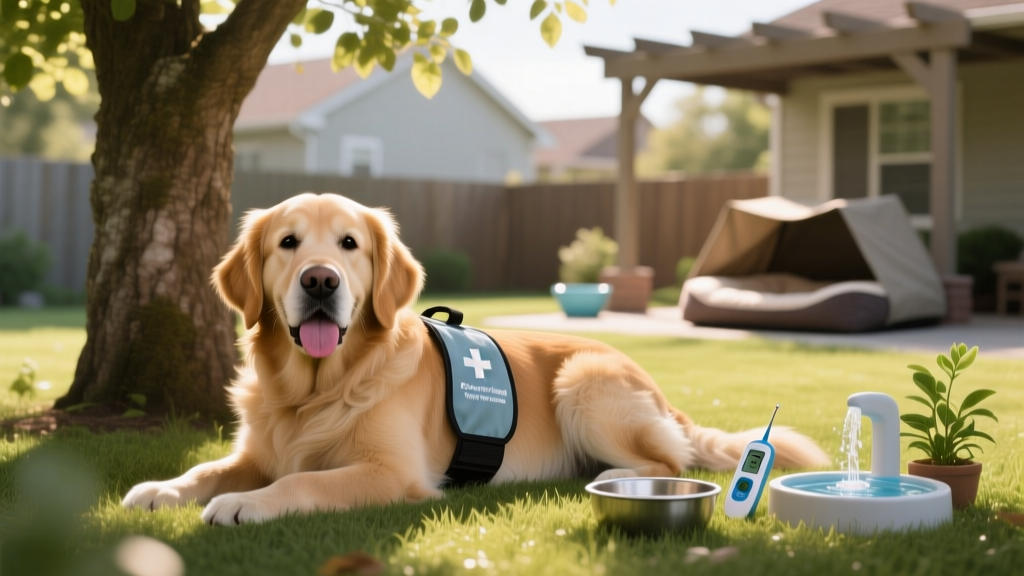
Healthy Weight Dog Food: The Complete Nutrition Guide for 2026
Find the best healthy weight dog food for your pet. Includes specific nutritional requirements, top 2026 brands, feeding charts, and expert transition protocols.

Maintaining your dog’s ideal weight is one of the most impactful ways to extend their lifespan. According to a 2018 study published in the Journal of Veterinary Internal Medicine, dogs kept at an ideal Body Condition Score (BCS) lived up to 2.5 years longer than overweight counterparts. Choosing the right healthy weight dog food isn't about finding the lowest calorie option—it's about finding nutrient-dense fuel that supports lean muscle while managing caloric intake.
Understanding Nutritional Requirements for Weight Management
Weight management diets must balance two competing needs: restricting calories while maintaining essential nutrient levels. When you reduce portion sizes of standard adult food, you risk under-supplying protein, vitamins, and minerals. Specialized healthy weight formulas solve this by increasing nutrient density per calorie.
| Nutrient | Weight Loss Phase | Weight Maintenance | Why It Matters |
|---|---|---|---|
| Protein | 35-45% | 30-40% | Preserves lean muscle mass during caloric deficit |
| Fat | 8-12% | 12-15% | Primary calorie reduction lever; supports coat/skin |
| Fiber | 10-15% | 5-10% | Increases satiety; slows gastric emptying |
| Moisture (canned) | 75-82% | 75-82% | Higher volume for fewer calories |
| Caloric Density | 275-325 kcal/cup | 325-375 kcal/cup | Lower energy density supports larger portions |
Calorie targets by weight (neutered adult, low activity):
- 10 lb (4.5 kg): 235-275 kcal/day
- 25 lb (11.3 kg): 470-530 kcal/day
- 50 lb (22.7 kg): 790-870 kcal/day
- 75 lb (34 kg): 1,070-1,180 kcal/day
- 100 lb (45.4 kg): 1,340-1,470 kcal/day
How to Read Dog Food Labels for Weight Control
The AAFCO Statement: Your First Stop
Every reputable dog food must carry an Association of American Feed Control Officials (AAFCO) nutritional adequacy statement. For weight management, look for:
- "Adult Maintenance": Suitable for most healthy weight adult dogs
- "All Life Stages": Often higher in calories—proceed with caution for weight-prone dogs
- "Weight Control" or "Light": No regulated definition, but typically 15-25% fewer calories than standard formulas
Ingredient Order Analysis
Ingredients are listed by weight before cooking. For weight management:
- First 3 ingredients: Should include a named animal protein (chicken, salmon, lamb)
- Fat sources: Look for named fats (chicken fat, fish oil) rather than generic "animal fat"
- Fiber sources: Beet pulp, pumpkin, sweet potato, pea fiber are quality options
- Avoid: "Meat by-products" without species specification, artificial colors (Red 40, Yellow 5), BHA/BHT preservatives
Top 7 Healthy Weight Dog Foods for 2026
The following recommendations are based on nutritional analysis, feeding trial data, and veterinary nutritionist feedback. Prices reflect 2026 retail averages.
1. Hill's Science Diet Adult Perfect Weight
Price: $55-70 for 27.5 lb bag
Calories: 264 kcal/cup
Protein/Fat: 27.1% / 10.9% (dry matter)
Why it works: Clinically proven to help dogs lose weight safely. Contains L-carnitine to support fat metabolism and lean muscle retention. High fiber from oat fiber and beet pulp promotes satiety.
Best for: Dogs needing to lose 10-20% body weight
2. Royal Canin Veterinary Diet Satiety Support
Price: $75-90 for 26.5 lb bag (prescription required)
Calories: 245 kcal/cup
Protein/Fat: 33% / 9% (dry matter)
Why it works: Unique fiber blend reduces begging behavior by 86% in clinical trials. High protein preserves muscle during weight loss. Requires veterinary authorization.
Best for: Food-motivated dogs who beg constantly
3. Purina Pro Plan Weight Management
Price: $48-62 for 34 lb bag
Calories: 304 kcal/cup
Protein/Fat: 30% / 12% (dry matter)
Why it works: Live probiotics support digestive health during diet transition. Moderate calorie reduction suitable for gradual weight loss or maintenance. Widely available and palatable.
Best for: Dogs needing modest weight reduction (5-10%)
4. Blue Buffalo Wilderness Healthy Weight
Price: $65-80 for 24 lb bag
Calories: 325 kcal/cup
Protein/Fat: 34% / 12% (dry matter)
Why it works: Grain-free, high-protein formula with deboned chicken as first ingredient. L-carnitine and glucosamine support metabolism and joint health. Higher calorie density means smaller portions.
Best for: Active dogs needing weight maintenance, not aggressive loss
5. Wellness CORE Healthy Weight (Grain-Free)
Price: $70-85 for 26 lb bag
Calories: 335 kcal/cup
Protein/Fat: 36% / 12% (dry matter)
Why it works: 70% animal ingredients provide high biological value protein. Lower fat than standard CORE formulas. Includes omega fatty acids for skin/coat during calorie restriction.
Best for: Dogs with grain sensitivities needing weight control
6. Orijen Fit & Trim
Price: $85-100 for 25 lb bag
Calories: 365 kcal/cup
Protein/Fat: 42% / 15% (dry matter)
Why it works: 85% animal ingredients, 15% vegetables/botanicals. Highest protein content supports muscle preservation. Rich in whole prey ingredients (organs, cartilage). Higher cost reflects ingredient quality.
Best for: Performance dogs needing lean body composition
7. Nutro Ultra Weight Management
Price: $58-72 for 30 lb bag
Calories: 295 kcal/cup
Protein/Fat: 30% / 11% (dry matter)
Why it works: Trio of proteins (chicken, lamb, salmon) provides amino acid diversity. No artificial preservatives, colors, or flavors. Moderate fiber from brown rice and peas.
Best for: Owners preferring limited-ingredient, whole-food approach
Foods to Avoid for Weight Management
Not all "diet" foods are created equal. Avoid these common pitfalls:
- Generic "Light" or "Low-Calorie" labels without AAFCO statement: May lack complete nutrition
- Foods with corn, wheat, or soy as primary ingredients: High glycemic index promotes fat storage
- High-fat "performance" formulas: 20%+ fat is excessive for sedentary dogs
- Table scraps and human food: Even small amounts can add 100-300 unnecessary calories daily
- High-calorie treats: Limit treats to 10% of daily calories (25-50 kcal for most dogs)
Feeding Amounts: Calculating Your Dog's Daily Intake
Package feeding guides are starting points, not prescriptions. Use this calculator table, then adjust based on your dog's response.
| Dog Weight | Cups/Day (275 kcal/cup food) | Cups/Day (325 kcal/cup food) | Adjustment Factors |
|---|---|---|---|
| 10 lb (4.5 kg) | 7/8 cup | 3/4 cup | +10% if intact; -10% if senior |
| 20 lb (9 kg) | 1 1/2 cups | 1 1/4 cups | +15% if highly active; -15% if sedentary |
| 40 lb (18 kg) | 2 1/2 cups | 2 1/8 cups | +20% if working/sport dog |
| 60 lb (27 kg) | 3 1/4 cups | 2 3/4 cups | -10% if prone to weight gain (Labs, Beagles) |
| 80 lb (36 kg) | 4 cups | 3 1/2 cups | Split into 2-3 meals for better metabolism |
| 100 lb (45 kg) | 4 3/4 cups | 4 cups | Monitor BCS weekly during first month |
Adjustment protocol: Weigh your dog every 2 weeks. If weight loss stalls for 2+ weeks, reduce daily intake by 10%. If losing too rapidly (>2% body weight/week), increase by 10%.
Transitioning to a New Food: The 10-Day Protocol
Sudden diet changes cause digestive upset. Follow this gradual transition schedule:
| Days | Old Food | New Food | What to Watch For |
|---|---|---|---|
| 1-3 | 75% | 25% | Normal appetite, formed stools |
| 4-6 | 50% | 50% | Mild stool softening is normal |
| 7-9 | 25% | 75% | Reduced gas, stable energy |
| 10+ | 0% | 100% | Consistent stool quality, no vomiting |
Red flags during transition: Diarrhea lasting >48 hours, vomiting, refusal to eat for >24 hours, lethargy. If these occur, slow the transition or consult your veterinarian.
Homemade Diets: Proceed with Extreme Caution
While homemade diets offer ingredient control, they carry significant risks for weight management. A 2013 study in the Journal of the American Veterinary Medical Association found that 95% of homemade weight-loss recipes were nutritionally deficient.
⚠️ Critical Warning: Never feed a homemade diet for weight loss without a recipe formulated by a board-certified veterinary nutritionist (ACVN or equivalent). Improperly balanced diets cause:
- Calcium/phosphorus imbalances leading to bone disease
- Taurine deficiency causing heart failure
- Vitamin/mineral deficiencies affecting organ function
If you insist on homemade feeding, consult your veterinarian for a referral to a veterinary nutritionist. Expect to pay $200-400 for a custom recipe and follow-up consultations.
Safe homemade treats (≤10% daily calories):
- Steamed green beans (5-10 beans = 10 kcal)
- Carrot sticks (1 medium carrot = 25 kcal)
- Cucumber slices (1/2 cup = 8 kcal)
- Plain, air-popped popcorn (1 cup = 30 kcal, no butter/salt)
Supplements: When and What to Add
Most commercial healthy weight foods are complete and balanced. However, specific situations warrant supplementation:
- L-Carnitine: 50-100 mg/kg body weight daily may support fat metabolism. Already included in many weight management formulas.
- Omega-3 Fatty Acids (EPA/DHA): 20-55 mg/kg combined EPA+DHA daily reduces inflammation associated with obesity. Source: fish oil or algae oil.
- Glucosamine/Chondroitin: 20 mg/kg glucosamine + 15 mg/kg chondroitin daily for overweight dogs with joint stress.
- Probiotics: 1-10 billion CFU daily during diet transitions supports gut microbiome stability.
When supplements are unnecessary: If your dog eats a complete, balanced commercial diet and has no specific health conditions, additional supplements provide no benefit and may cause imbalances.
Monitoring Success: Beyond the Scale
Weight is just one metric. Track these indicators monthly:
Body Condition Score (BCS) Assessment
Use the 9-point scale (ideal = 4-5/9):
- Ribs: Easily felt with light pressure, not visible
- Waist: Visible tuck behind ribs when viewed from above
- Abdominal tuck: Abdomen tucks up behind ribcage when viewed from side
Download the WSAVA BCS chart for visual reference.
Additional Success Metrics
- Coat quality: Shiny, minimal shedding, no flaky skin
- Energy levels: Sustained activity without rapid fatigue
- Stool quality: Formed, brown, easy to pick up (score 2-3/5 on fecal scoring chart)
- Joint mobility: Improved willingness to exercise, less stiffness
- Breathing: Reduced panting during mild activity
Frequently Asked Questions
What is the best dog food for weight loss?
The best food depends on your dog's specific needs. For most dogs, Hill's Science Diet Perfect Weight or Purina Pro Plan Weight Management offer clinically proven results. Prescription diets like Royal Canin Satiety are ideal for food-motivated dogs. Always choose foods with AAFCO statements and consult your veterinarian before starting a weight loss program.
How much should I feed my dog for weight loss?
Calculate your dog's resting energy requirement (RER) using the formula: RER = 70 × (body weight in kg)^0.75. For weight loss, feed 60-70% of RER. For a 50 lb (22.7 kg) dog, this equals approximately 600-700 kcal/day. Adjust based on weekly weigh-ins and body condition scoring.
Can I feed my dog a raw diet for weight management?
Raw diets carry significant risks including bacterial contamination (Salmonella, E. coli), parasitic infection, and nutritional imbalances. The AVMA discourages raw feeding due to public health and animal safety concerns. If you choose raw feeding, work with a veterinary nutritionist and follow strict food safety protocols.
What ingredients should I avoid in dog food?
Avoid artificial preservatives (BHA, BHT, ethoxyquin), artificial colors (Red 40, Yellow 5, Blue 2), unnamed meat sources ("meat by-products" without species), and high-glycemic fillers (corn, wheat, soy as primary ingredients). Also avoid foods with added sugars or excessive salt.
How do I know if my dog's weight loss food is working?
Track progress weekly using a combination of weight measurements and body condition scoring. Healthy weight loss is 1-2% of body weight per week. You should see improved energy, easier movement, and visible waist definition within 6-8 weeks. If progress stalls for 2+ weeks, reassess portion sizes and treat intake.
Does my dog need supplements with weight management food?
Most commercial weight management foods are complete and balanced, making supplements unnecessary. However, dogs with joint issues may benefit from glucosamine/chondroitin, and those with skin/coat problems may need omega-3 fatty acids. Always consult your veterinarian before adding supplements, as excess can cause harm.
When to Consult Your Veterinarian
Weight management is a medical intervention. Schedule a veterinary visit before starting any weight loss program, especially if your dog:
- Is a puppy, pregnant, or nursing
- Has diabetes, hypothyroidism, or Cushing's disease
- Is on medications that affect appetite or metabolism
- Has lost weight unexpectedly
- Is a senior dog (>7 years for large breeds, >10 years for small breeds)
Your veterinarian can rule out underlying medical causes of weight gain, establish safe weight loss targets, and monitor progress through regular check-ups.
Priya Sutaria
All our authors care for dogs every day — read more of their work on the authors page.