Healthy Homemade Dog Treats: Vet-Approved Recipes & Nutrition Guide
Learn to make healthy homemade dog treats with vet-approved recipes, precise nutritional data, safe ingredients, and feeding guidelines for every life stage.
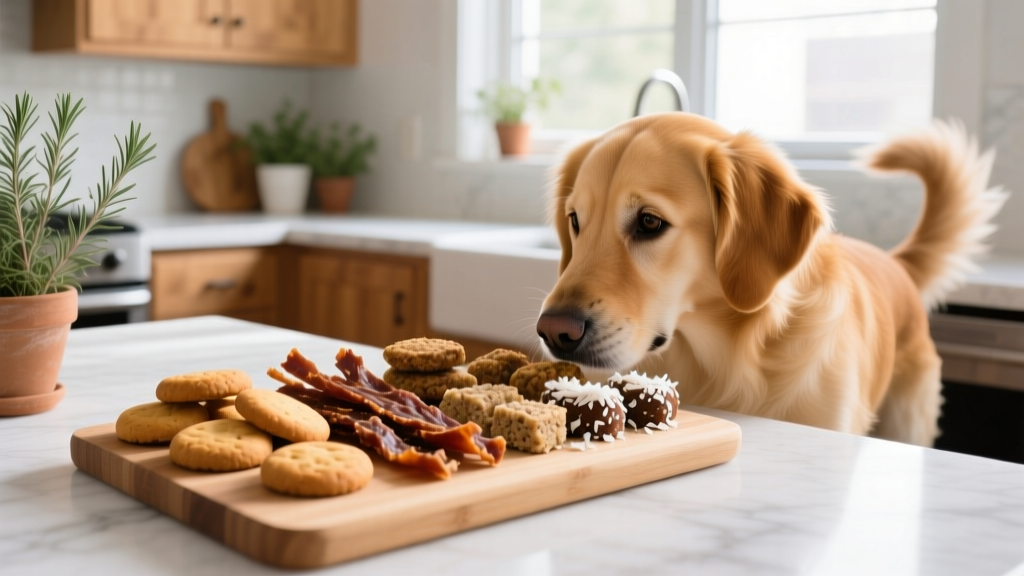
Why Make Healthy Homemade Dog Treats at Home?
Store-bought treats often contain preservatives like BHA, BHT, and ethoxyquin, along with vague ingredient labels that list "animal by-products" or "natural flavors" without transparency. When you prepare healthy homemade dog treats, you control every ingredient — eliminating allergens, managing calorie density, and tailoring nutrition to your dog's specific life stage or health condition.
According to the FDA's guidance on pet treat safety, homemade treats avoid the contamination risks that have triggered repeated commercial recalls (salmonella, listeria, and unapproved additives). However, homemade treats should complement — not replace — a complete and balanced diet.
Nutritional Requirements: What Your Dog Actually Needs
Before you start mixing peanut butter and oats, understand the baseline nutritional targets for your dog. The Association of American Feed Control Officials (AAFCO) establishes minimum nutrient profiles that any commercial food must meet. While treats don't need to be complete and balanced on their own, they should align with — not contradict — these targets.
| Nutrient | AAFCO Minimum (Adult) | AAFCO Minimum (Growth/Puppy) | Ideal Treat Profile |
|---|---|---|---|
| Crude Protein | 18% DM | 22% DM | 15-25% DM (high-quality animal source) |
| Crude Fat | 5.5% DM | 8.5% DM | 5-12% DM (adjust for weight management) |
| Calcium | 0.5% DM | 1.0% DM | Low — avoid supplementing in treats |
| Calories (typical treat) | N/A | N/A | 15-40 kcal per piece (small/medium dogs) |
DM = Dry Matter basis. To convert as-fed percentages to DM, divide by (100 - moisture%) × 100.
Daily Calorie Budgets by Weight
Use the Resting Energy Requirement (RER) formula to calculate your dog's baseline: RER = 70 × (body weight in kg)^0.75. Then multiply by the appropriate factor:
| Dog Weight | RER (kcal/day) | Neutered Adult (×1.6) | Active/Intact (×2.0-3.0) | Senior/Less Active (×1.2-1.4) | Max Treat Calories (10%) |
|---|---|---|---|---|---|
| 10 lb / 4.5 kg | 210 | 336 | 420-630 | 252-294 | 25-63 kcal |
| 25 lb / 11.3 kg | 400 | 640 | 800-1200 | 480-560 | 48-120 kcal |
| 50 lb / 22.7 kg | 634 | 1,014 | 1,268-1,902 | 761-888 | 76-190 kcal |
| 75 lb / 34 kg | 838 | 1,341 | 1,676-2,514 | 1,006-1,173 | 100-251 kcal |
| 100 lb / 45.4 kg | 1,022 | 1,635 | 2,044-3,066 | 1,226-1,431 | 123-307 kcal |
Safe Ingredients vs. Toxic Foods: Your Kitchen Cheat Sheet
Not everything in your pantry is dog-safe. Here's a precise breakdown of what to reach for — and what to keep locked away.
✅ Safe & Beneficial Ingredients
- Pumpkin purée (plain): High in fiber (7g per cup), supports GI health. Use 1-2 Tbsp per recipe batch.
- Peanut butter (xylitol-free): Check label — must NOT contain xylitol (birch sugar). Provides protein (8g per 2 Tbsp) and healthy fats.
- Sweet potato (cooked): Rich in beta-carotene, fiber (4g per medium). Always cook — raw sweet potato is difficult to digest.
- Blueberries: Antioxidant-dense, low calorie (84 kcal/cup). Use fresh or frozen.
- Carrots (raw or steamed): Low calorie (25 kcal per medium carrot), high in vitamin A precursor.
- Plain Greek yogurt: Probiotic source, 10g protein per 100g. Use plain, unsweetened only.
- Oats (cooked, plain): Soluble fiber, gentle on stomachs. Avoid instant/flavored packets.
- Lean chicken/turkey (cooked, unseasoned): Excellent protein base. Remove skin and bones.
- Apples (cored, seedless): Apple seeds contain amygdalin (cyanide precursor). Always remove core and seeds.
❌ Toxic or Dangerous Ingredients
- Xylitol (birch sugar): Causes rapid insulin release → hypoglycemia → liver failure. As little as 0.05 g/kg can be toxic. Check ALL peanut butter labels.
- Chocolate/cocoa: Contains theobromine. Dark chocolate: 130-160 mg theobromine per oz. Toxic dose: 20 mg/kg (mild), 40-50 mg/kg (severe).
- Grapes & raisins: Cause acute kidney injury. Toxic dose as low as 0.3 oz/kg body weight. No safe threshold established.
- Onions, garlic, chives: Allium species damage red blood cells → hemolytic anemia. Toxic at ~15-30 g/kg (approximately 0.5% of body weight).
- Macadamia nuts: Cause weakness, hyperthermia, tremors. Toxic at 2.4 g/kg.
- Nutmeg: Contains myristicin — causes hallucinations, seizures at high doses (>1 tsp for small dogs).
- Raw yeast dough: Expands in stomach → bloat risk; produces ethanol → alcohol poisoning.
- Cooked bones: Splinter easily → GI perforation, obstruction. Never use as treat ingredient.
7 Vet-Approved Healthy Homemade Dog Treat Recipes
Each recipe below is designed for supplemental feeding. They are not nutritionally complete and should not replace meals. For a fully homemade diet, consult a board-certified veterinary nutritionist — the American College of Veterinary Nutrition maintains a directory of certified specialists.
1. Peanut Butter Pumpkin Biscuits (All Life Stages)
Yield: ~40 small biscuits (approx. 22 kcal each)
Prep: 15 min | Bake: 25 min at 350°F (177°C)
- 1 cup pumpkin purée (NOT pie filling)
- 2 Tbsp xylitol-free peanut butter
- 2 eggs
- 2.5 cups whole wheat flour (substitute oat flour for grain-sensitive dogs)
Method: Mix wet ingredients. Gradually add flour until dough forms. Roll to ¼" thickness, cut shapes. Bake 25 min until firm. Cool completely before storing. Refrigerate up to 2 weeks or freeze up to 3 months.
Macro estimate per biscuit: Protein 12% | Fat 8% | Carbs 68% | Fiber 4%
2. Sweet Potato Chew Strips (Low-Fat, Dental Health)
Yield: ~20 strips (approx. 15 kcal each)
Prep: 5 min | Bake: 2.5-3 hours at 250°F (121°C)
- 2 large sweet potatoes, washed (no peeling needed)
Method: Slice lengthwise into ¼" strips using a sharp knife or mandoline. Arrange on parchment-lined sheet. Bake 2.5-3 hours, flipping once, until leathery but not brittle. These provide a long-lasting chew that mechanically scrapes plaque from teeth.
3. Blueberry Yogurt Frozen Bites (Summer Cooling Treat)
Yield: ~30 bites (approx. 8 kcal each)
Prep: 10 min | Freeze: 4 hours
- 1 cup plain Greek yogurt (full-fat or 2%)
- ½ cup fresh or frozen blueberries
- 1 Tbsp honey (optional — omit for diabetic or overweight dogs)
Method: Blend yogurt and honey. Place 2-3 blueberries in each silicone mold cavity. Pour yogurt mixture over. Freeze solid. Pop out and store in freezer bag. Ideal for hot days or food puzzle enrichment.
4. Chicken & Carrot Training Bites (High-Value, Low-Calorie)
Yield: ~60 pea-sized bites (approx. 5 kcal each)
Prep: 10 min | Bake: 20 min at 375°F (191°C)
- 1 cup cooked, shredded chicken breast (unseasoned)
- ½ cup finely grated carrot
- 1 egg
- 1 cup oat flour
Method: Combine all ingredients in food processor until paste forms. Roll into pea-sized balls. Bake 18-20 min. These tiny, high-value treats are perfect for positive reinforcement training sessions where you need rapid repetition without overfeeding.
5. Salmon & Sweet Potato Omega Bites (Skin & Coat Support)
Yield: ~35 treats (approx. 28 kcal each)
Prep: 15 min | Bake: 20 min at 350°F (177°C)
- 1 can (6 oz) wild-caught salmon in water, drained and deboned
- 1 cup mashed cooked sweet potato
- 1 egg
- 1.5 cups oat flour
Method: Flake salmon, mix with sweet potato and egg. Add flour gradually. Form into small patties. Bake 20 min. Rich in EPA and DHA omega-3 fatty acids — supports skin barrier function and reduces inflammatory responses. Per the Merck Veterinary Manual, omega-3 supplementation can improve coat quality within 6-8 weeks.
6. Apple & Oat Gentle Biscuits (Senior Dogs, Sensitive Stomachs)
Yield: ~30 biscuits (approx. 25 kcal each)
Prep: 15 min | Bake: 30 min at 325°F (163°C)
- 1 large apple, cored, peeled, and finely grated (seeds removed)
- 1 cup cooked oatmeal (cooled)
- 1 Tbsp coconut oil
- 1.5 cups oat flour
Method: Combine grated apple, oatmeal, and coconut oil. Mix in oat flour until workable dough forms. Roll, cut, and bake at lower temperature for softer texture that's easier for senior dogs with dental issues to chew.
7. Liver Training Treats (Ultra High-Value)
Yield: ~80 tiny cubes (approx. 4 kcal each)
Prep: 5 min | Bake: 15 min at 375°F (191°C)
- 1 lb beef or chicken liver
Method: Slice liver into thin strips, then cut into pea-sized cubes. Arrange on parchment paper. Bake 12-15 min until cooked through but not dried out. Store in refrigerator up to 5 days. Limit: Liver is extremely high in vitamin A (retinol) — do not exceed 5% of total daily calories from liver-based treats to avoid hypervitaminosis A over time.
Life Stage & Condition Adjustments for Homemade Treats
A one-size-fits-all treat doesn't exist. Here's how to modify recipes based on your dog's specific needs:
| Life Stage / Condition | Key Adjustments | Best Recipe Choices | Avoid |
|---|---|---|---|
| Puppies (2-12 months) | Small size, softer texture, higher protein. Limit treats to 5% of calories (growth diets must remain primary nutrition). | Chicken Training Bites, Yogurt Frozen Bites | Large hard biscuits (choking risk), high-fat treats (pancreatitis risk in predisposed breeds) |
| Senior Dogs (7+ years) | Softer texture for dental issues, lower calorie density, joint-supportive additions (glucosamine-rich bone broth). | Apple & Oat Biscuits, Sweet Potato Strips (softer bake) | Very hard treats, high-phosphorus ingredients (kidney-compromised seniors) |
| Weight Management | Ultra-low calorie (under 10 kcal/piece), high fiber for satiety. Replace up to 15% of kibble with vegetable-based treats. | Sweet Potato Strips, carrot sticks, green bean "chips" | Peanut butter-based treats, cheese, liver |
| Food Allergies / Sensitive Skin | Novel protein sources (duck, venison, rabbit). Limited-ingredient recipes (3-4 ingredients max). Avoid common allergens: beef, chicken, dairy, wheat, egg, soy. | Custom single-protein + sweet potato recipes | Any known trigger ingredient, multi-ingredient commercial treats |
| Kidney Disease (CKD) | Low phosphorus, low sodium, moderate protein (high biological value). Reduce meat-based treats; favor carbohydrate-based options. | Apple & Oat Biscuits, plain sweet potato strips | Liver, cheese, jerky (high phosphorus/protein load) |
| Diabetes | Low glycemic index ingredients. No added sugars or honey. High fiber, consistent carbohydrate content per treat for insulin timing. | Chicken Training Bites, green bean treats | Fruit-heavy recipes, honey-sweetened treats, white flour biscuits |
Commercial Treat Selection: What to Look For on Labels
Sometimes you need the convenience of store-bought treats. Here's how to read labels like a veterinary nutritionist:
Label Reading Framework (5-Point Check)
- AAFCO Statement: Look for "formulated to meet AAFCO Dog Food Nutrient Profiles" — this indicates nutritional adequacy testing. Treats labeled "for supplemental or intermittent feeding only" are acceptable but should remain under 10% of daily calories.
- Named Protein Source First: "Chicken," "salmon," or "beef" should appear as the first ingredient — not "meat by-products" or "animal fat" (unnamed sources).
- Guaranteed Analysis: Check minimum crude protein, minimum crude fat, maximum crude fiber, and maximum moisture. Compare on a dry matter basis for accuracy.
- Calorie Statement: Reputable brands list kcal per treat. If missing, contact the manufacturer — this is an FDA requirement for all pet foods and treats.
- Ingredient Count: Fewer ingredients = fewer potential allergens. Avoid treats with 15+ ingredients, artificial colors (Red 40, Yellow 5, Yellow 6), and chemical preservatives (BHA, BHT, ethoxyquin).
Top Recommended Commercial Treats (When Homemade Isn't Practical)
Price: $6-9 / 6 oz bag
Calories: 3.3 kcal per mini treat. Ideal for high-repetition training. Named protein first ingredient. Multiple protein options (chicken, salmon, rabbit, turkey). No corn, wheat, soy.
Price: $12-18 / 27 oz box
VOHC (Veterinary Oral Health Council) accepted for plaque and tartar control. Size-specific formulations (Teenies to Regular). Calorie range: 25-90 kcal per treat depending on size.
Price: $10-16 / 2.5 oz tub
Single protein source (beef liver, chicken breast, salmon). Minimal processing. Ideal for elimination diet trials and food-allergic dogs. Approximately 2 kcal per small piece.
Price: $5-8 / 5 oz bag
Under 4 kcal per treat. Pumpkin-based with named fruit additions. Low fat profile suitable for weight management and pancreatitis-prone dogs.
Price: $8-12 / 6 oz bag
Soft, chewy texture for seniors. Salmon first ingredient with DHA. No artificial preservatives. ~25 kcal per strip (easily broken into smaller pieces).
Supplement Guidance: When Treats Need a Boost
While treats are supplemental by nature, certain additions can enhance their health value. However, over-supplementation carries real risks.
| Supplement | When to Add | Dosage (per 25 lb / 11.3 kg dog) | Risk of Excess |
|---|---|---|---|
| Fish Oil (EPA/DHA) | Dry skin, dull coat, allergies, joint inflammation | 250-500 mg combined EPA+DHA daily | GI upset, impaired clotting at very high doses, vitamin A toxicity (cod liver oil) |
| Glucosamine + Chondroitin | Senior dogs, large breeds, diagnosed osteoarthritis | 500-750 mg glucosamine daily | Generally safe; mild GI upset at high doses |
| Probiotics (multi-strain) | Antibiotic recovery, stress-related GI upset, chronic soft stools | 1-5 billion CFU daily | Minimal risk; immune-compromised dogs should consult vet first |
| Vitamin E | Skin conditions, as antioxidant support | 2-4 IU per lb body weight daily | Interference with vitamin K at extreme doses |
| Calcium | ONLY if directed by vet (homemade diet balancing) | Vet-determined based on diet analysis | Skeletal abnormalities in growing puppies, urinary stones in adults |
Monitoring Success: Is Your Treat Plan Working?
Track these four indicators monthly to ensure your homemade treat routine supports — rather than undermines — your dog's health:
1. Body Condition Score (BCS)
Use the 9-point BCS scale (Purina/WSAVA standard). Your dog should score a 4-5/9:
- Ribs: Easily felt with light pressure, not visible (unless sighthound breeds)
- Waist: Visible from above, tucked abdomen from the side
- Score 1-3: Underweight — increase calories
- Score 4-5: Ideal — maintain current treat allocation
- Score 6-7: Overweight — reduce treats by 50%, substitute vegetables
- Score 8-9: Obese — eliminate treats temporarily, consult vet for weight loss plan
2. Coat & Skin Quality
A healthy coat should be shiny (breed-appropriate), free of excessive flaking, and without bald patches. If you notice increased itching, hot spots, or dull fur after introducing a new treat ingredient, you may be dealing with a food sensitivity. Conduct a 2-week elimination: remove the suspect treat entirely and observe.
3. Energy & Behavior
Appropriate energy levels for your dog's breed and age indicate proper caloric balance. Lethargy may signal underfeeding; hyperactivity with weight gain may indicate excess treat calories without adequate exercise.
4. Stool Quality
Use the 4-point fecal scoring system: ideal stools are firm, segmented, and easy to pick up (score 2/4). Loose stools after introducing new treats often indicate too-rapid introduction, excessive fat content, or ingredient intolerance. Reduce treat quantity and reintroduce slowly.
Storage, Shelf Life & Food Safety for Homemade Treats
Unlike commercial treats loaded with preservatives, homemade versions have limited shelf life. Follow these storage guidelines strictly:
| Treat Type | Room Temp | Refrigerator | Freezer | Signs of Spoilage |
|---|---|---|---|---|
| Baked biscuits (dry, no meat) | 1 week in airtight container | 2-3 weeks | 3 months | Mold, soft/sticky texture, off odor |
| Meat-containing baked treats | 2 hours max (USDA rule) | 5-7 days | 2 months | Slimy surface, sour smell, discoloration |
| Dehydrated sweet potato strips | 2 weeks (fully dehydrated) | 1 month | 6 months | Flexible/bendy (insufficient dehydration), mold |
| Frozen yogurt bites | Do not store at room temp | Do not refrigerate (will melt) | 2 months | Freezer burn, ice crystal buildup |
| Liver treats (cooked) | 2 hours max | 3-5 days | 2 months | Strong ammonia smell, sliminess, green/gray color |
Frequently Asked Questions
Can I feed my dog a fully homemade diet instead of just treats?
A fully homemade diet is possible but carries significant risk of nutritional imbalance. A 2013 study published in the Journal of the American Veterinary Medical Association found that 95% of homemade dog food recipes (analyzed from books and websites) were deficient in at least one essential nutrient, and 83.5% had multiple deficiencies. If you want to feed a homemade diet long-term, work with a DACVN-certified veterinary nutritionist who will formulate recipes with precise supplement protocols. Treats, by contrast, are low-risk because they represent only 10% of total intake.
How do I introduce homemade treats to a dog with a sensitive stomach?
Follow the same gradual transition principles used for food changes. Start with one new ingredient at a time. Offer a single small piece on day 1. Wait 24 hours and monitor stool quality. If normal, offer 2-3 pieces on day 2. Gradually increase over 5-7 days. If diarrhea or vomiting occurs, stop immediately and wait 48 hours before trying a different ingredient. Dogs with chronic GI issues (IBD, pancreatitis) should have all new treats approved by their veterinarian first.
Are grain-free homemade treats better for my dog?
Not necessarily — and possibly harmful. The FDA has investigated a potential link between grain-free diets (particularly those high in peas, lentils, and potatoes) and dilated cardiomyopathy (DCM) in dogs. Unless your dog has a diagnosed grain allergy (which is rare — true grain allergies affect an estimated 1-2% of food-allergic dogs), whole grains like oats and brown rice provide beneficial fiber and nutrients. Oat flour is an excellent, heart-safe base for homemade treats.
How many homemade treats can I give my dog per day?
Apply the 10% rule: treats (homemade or commercial) should never exceed 10% of your dog's total daily caloric intake. For a 25 lb (11.3 kg) neutered adult dog eating ~640 kcal/day, that's a maximum of 64 kcal from treats — roughly 3 peanut butter biscuits or 12 chicken training bites. During intensive training sessions, use the smallest possible piece (pea-sized) and factor those calories into the daily total.
Can I use human baby food as a base for dog treats?
Some plain baby food purées (single-ingredient sweet potato, carrot, or pumpkin) can work as treat bases. However, carefully check labels for onion powder, garlic powder, added salt, or xylitol — all toxic or harmful to dogs. Baby food is also nutritionally formulated for human infants, not dogs, so use it only as a minor ingredient, not a primary base.
My dog is allergic to chicken and beef — what protein can I use in treats?
Novel protein options include: cooked duck, venison, rabbit, turkey (if not cross-reactive), canned sardines in water (low sodium), or canned wild-caught salmon. For severely allergic dogs undergoing an elimination diet trial, your veterinarian may recommend a hydrolyzed protein source. Always confirm with your vet that a "novel" protein is truly novel for your individual dog — a protein your dog has never eaten before.
Do homemade treats help clean my dog's teeth?
Mechanical scraping occurs when treats have a firm, chewy texture that requires prolonged gnawing. Dehydrated sweet potato strips and firmly baked biscuits provide some dental benefit. However, treats alone cannot replace tooth brushing or professional dental cleanings. For clinically significant plaque and tartar reduction, look for products bearing the VOHC (Veterinary Oral Health Council) seal of acceptance.
How do I know if a homemade treat recipe is nutritionally balanced?
Individual treat recipes do not need to be nutritionally balanced — they're supplemental. What matters is that your dog's primary diet (the 90% of calories) carries an AAFCO statement of complete and balanced nutrition. If you're concerned about cumulative nutritional impact, track the macro and micronutrient contribution of treats over a week and compare against your dog's daily requirements. A veterinary nutritionist can perform this analysis using software like Balance IT®.
Anouk Beaumont
All our authors care for dogs every day — read more of their work on the authors page.


