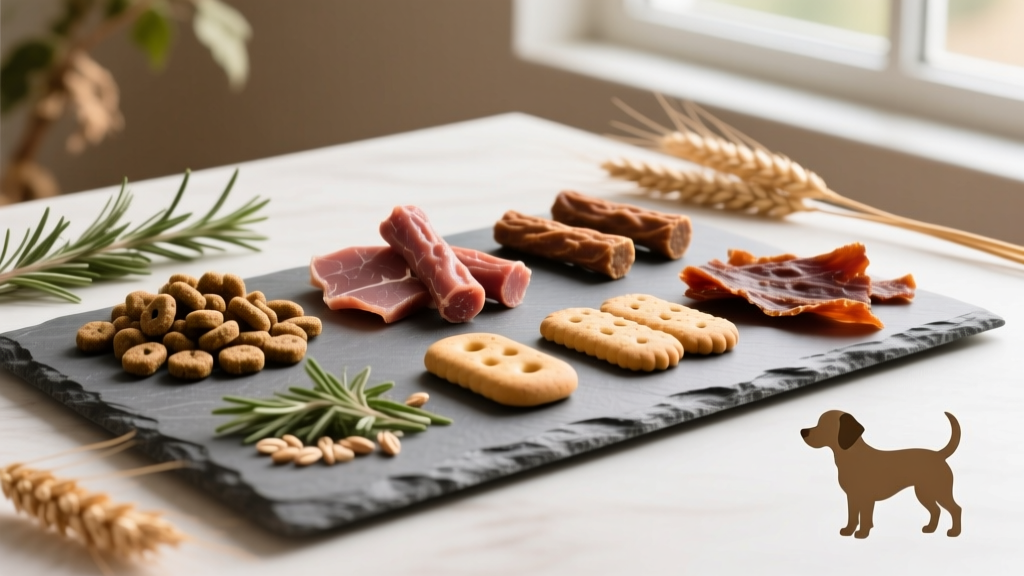
Finding Food That Is Healthy for Dogs: A Complete Nutrition Guide
Discover food that is healthy for dogs with our expert guide covering nutritional requirements, top brands, feeding amounts, supplements, and life stage needs.

What Makes Food That Is Healthy for Dogs?
Choosing food that is healthy for dogs goes beyond picking a premium-looking bag off the shelf. Truly nutritious dog food meets your pet's specific caloric needs, provides balanced macronutrients, and supports their life stage — whether they're a growing puppy, an active adult, or a senior with changing metabolism. According to the American Veterinary Medical Association, the foundation of a healthy canine diet rests on complete and balanced nutrition verified through feeding trials or formulation standards.
The challenge is that "healthy" means different things for different dogs. A working Border Collie burning 1,500 calories a day needs a fundamentally different diet than a couch-bound Basset Hound prone to obesity. This guide breaks down exact nutritional targets, how to read labels with a critical eye, and which commercial foods actually deliver on their promises.
Nutritional Requirements by the Numbers
Dogs need specific ratios of protein, fat, carbohydrates, vitamins, and minerals. The Association of American Feed Control Officials (AAFCO) sets minimum nutrient profiles, but optimal levels often exceed these baselines. Here's what to target based on your dog's life stage and condition:
| Life Stage / Condition | Protein (% dry matter) | Fat (% dry matter) | Calories/Day (50 lb dog) | Key Considerations |
|---|---|---|---|---|
| Puppy (under 12 months) | 28-32% | 17-22% | 900-1,400 kcal | Higher calcium/phosphorus for bone growth; DHA for brain development |
| Adult (maintenance) | 22-28% | 12-18% | 700-900 kcal | Balanced amino acid profile; moderate calorie density |
| Active / Working Dog | 28-35% | 20-30% | 1,200-1,800 kcal | Higher fat for sustained energy; joint-supporting nutrients |
| Senior (7+ years) | 25-30% | 10-15% | 600-800 kcal | Increased protein to preserve muscle; lower phosphorus for kidney support |
| Weight Loss | 28-35% | 8-12% | 500-700 kcal | High protein to maintain lean mass; increased fiber for satiety |
| Food Allergies / Sensitivities | 24-30% | 14-18% | 700-900 kcal | Novel or hydrolyzed protein; limited ingredient list |
| Kidney Disease (CKD) | 14-20% | 15-22% | 700-900 kcal | Restricted phosphorus; supplemented omega-3s; highly palatable |
Calorie calculation tip: The resting energy requirement (RER) formula is 70 × (body weight in kg)^0.75. Multiply RER by an activity factor: 1.2-1.4 for neutered adults, 1.4-1.6 for intact adults, 1.6-2.0 for active dogs, and 2.0-3.0 for puppies. A 50 lb (22.7 kg) neutered adult dog has an RER of approximately 635 kcal, multiplied by 1.3 = roughly 825 kcal/day.
How to Read a Dog Food Label Like a Pro
The FDA's pet food labeling guidelines require specific information, but knowing where to look separates marketing from nutrition. Here's your ingredient analysis framework:
The AAFCO Statement — Your Non-Negotiable
Look for a statement like: "This product is formulated to meet the nutritional levels established by the AAFCO Dog Food Nutrient Profiles for [life stage]." Even better is a statement referencing animal feeding tests using AAFCO procedures. If a bag lacks this statement entirely, put it back on the shelf.
Ingredient Order Matters — But Has Limits
Ingredients are listed by pre-processing weight. Since fresh meat contains ~75% water, a product listing "deboned chicken" first may actually contain less animal protein than one listing "chicken meal" (which has been rendered to ~10% moisture). Look for named animal protein sources (chicken, lamb, salmon — not generic "meat" or "poultry") in the first three positions.
Guaranteed Analysis vs. Dry Matter Basis
Canned food containing 78% moisture and kibble containing 10% moisture cannot be compared using guaranteed analysis alone. Convert to dry matter: divide the listed percentage by (100 minus moisture percentage), then multiply by 100. A canned food listing 10% protein and 78% moisture actually provides 45% protein on a dry matter basis.
Red Flag Ingredients
- BHA, BHT, ethoxyquin: Synthetic preservatives with debated safety profiles — prefer tocopherols (vitamin E) preservation
- Unnamed meat by-products: "Poultry by-product meal" is vague; "chicken by-product meal" is more accountable
- Artificial colors (Red 40, Yellow 5, Yellow 6): Zero nutritional purpose; potential allergens
- Propylene glycol: Moisture retention agent banned in cat food; unnecessary in dog food
- Excessive legume content (peas, lentils, chickpeas): The FDA has investigated a potential link between high-legume grain-free diets and dilated cardiomyopathy (DCM) in dogs
Top Recommended Foods That Are Healthy for Dogs
These selections are based on AAFCO compliance, ingredient quality, manufacturing standards, and veterinary nutritionist recommendations. Prices reflect 2026 retail ranges for standard bag sizes.
1. Purina Pro Plan Sport Performance 30/20
Best for: Active and working dogs
Nutritional justification: 30% protein, 20% fat from named animal sources. Real chicken as first ingredient. Includes EPA from fish oil for joint health and guaranteed live probiotics.
Price: $55-70 for 35 lb bag
AAFCO: Formulated for adult maintenance via feeding trials
2. Hill's Science Diet Adult Sensitive Stomach & Skin
Best for: Dogs with food sensitivities
Nutritional justification: 20.8% protein, 14.1% fat. Prebiotic fiber blend, vitamin E and omega-6 fatty acids for skin support. No artificial colors or flavors. Backed by Hill's feeding trials and veterinary recommendation network.
Price: $65-80 for 30 lb bag
AAFCO: Adult maintenance via animal feeding tests
3. Royal Canin Veterinary Diet Hydrolyzed Protein HP
Best for: Severe food allergies (prescription required)
Nutritional justification: Hydrolyzed soy protein broken into peptides too small to trigger immune response. 18.5% protein, 14% fat. Essential fatty acids for skin barrier repair. This is the gold standard for elimination diet trials.
Price: $85-105 for 25 lb bag (vet-prescribed only)
AAFCO: Adult maintenance
4. Orijen Original Adult
Best for: High-protein, biologically appropriate feeding
Nutritional justification: 38% protein, 18% fat. First five ingredients are named animal proteins (chicken, turkey, flounder, whole herring, chicken liver). 85% animal ingredients, 15% fruits and vegetables. WholePrey ratios include organ meats and bone.
Price: $85-100 for 25 lb bag
AAFCO: All life stages including large-breed puppy growth
5. Blue Buffalo Life Protection Formula Adult
Best for: Budget-conscious quality nutrition
Nutritional justification: 24% protein, 14% fat. Deboned chicken first ingredient. Includes Blue's LifeSource Bits — cold-formed kibble pieces with antioxidant blend. No corn, wheat, or soy.
Price: $45-60 for 30 lb bag
AAFCO: Adult maintenance
6. Nom Nom Now Freshly Made (Refrigerated Delivery)
Best for: Fresh food enthusiasts wanting human-grade ingredients
Nutritional justification: Recipes formulated by board-certified veterinary nutritionists. Turkey recipe provides 9% crude protein (approximately 38% dry matter), whole food ingredients with no synthetic vitamin premixes. Each batch tested for pathogens.
Price: $5-9 per day for a 30 lb dog (subscription-based)
AAFCO: All life stages
7. Purina Pro Plan Veterinary Diets NF Kidney Function
Best for: Dogs with chronic kidney disease (prescription required)
Nutritional justification: 14.5% protein (restricted but high-quality), 17% fat. Reduced phosphorus, supplemented with omega-3 fatty acids from fish oil and MCT oil for metabolic support. Palatability-enhanced since CKD dogs often have poor appetite.
Price: $70-90 for 27.5 lb bag
AAFCO: Adult maintenance for specific therapeutic use
How Much Should I Feed My Dog?
Package feeding guidelines are starting points, not prescriptions. They typically overestimate for average pets and underestimate for active dogs. Use this calculator table as a baseline, then adjust based on your dog's individual metabolism and activity level:
| Dog Weight | Sedentary / Senior (kcal/day) | Moderate Activity (kcal/day) | Active / Working (kcal/day) | Approximate Kibble (cups/day, 350 kcal/cup) |
|---|---|---|---|---|
| 10 lb / 4.5 kg | 225 | 300 | 400 | 0.6 - 1.1 cups |
| 20 lb / 9 kg | 380 | 500 | 675 | 1.1 - 1.9 cups |
| 35 lb / 16 kg | 560 | 730 | 985 | 1.6 - 2.8 cups |
| 50 lb / 23 kg | 720 | 940 | 1,270 | 2.1 - 3.6 cups |
| 70 lb / 32 kg | 920 | 1,200 | 1,620 | 2.6 - 4.6 cups |
| 90 lb / 41 kg | 1,100 | 1,440 | 1,940 | 3.1 - 5.5 cups |
| 120 lb / 54 kg | 1,350 | 1,760 | 2,380 | 3.9 - 6.8 cups |
Adjustment factors to apply:
- Intact (unneutered) dogs: Add 10-15% to moderate activity calories
- Overweight dogs needing weight loss: Feed for target weight, not current weight, using sedentary column
- Lactating females: Multiply maintenance calories by 2-4x depending on litter size
- Cold climate outdoor dogs: Add 20-40% during winter months
- Recovery from illness/surgery: Consult your veterinarian — caloric needs fluctuate significantly
Can I Feed My Dog a Homemade or Raw Diet?
This question comes up constantly, and the honest answer requires nuance. According to the Merck Veterinary Manual, homemade diets can meet a dog's nutritional needs — but only with careful formulation by a board-certified veterinary nutritionist.
Homemade Diet: Critical Warnings
A 2013 study published in the Journal of the American Veterinary Medical Association analyzed 200 homemade dog food recipes sourced from books and websites. The result? 95% had at least one essential nutrient deficiency, and 83.5% had multiple deficiencies. Common gaps included calcium, vitamin E, zinc, and essential fatty acids.
If you want to feed homemade:
- Work with a Diplomate of the American College of Veterinary Nutrition (ACVN) — find one at acvn.org
- Use a recipe formulated specifically for your dog's weight, age, and health status
- Expect to use a supplement premix to fill micronutrient gaps
- Commit to periodic blood work to verify nutritional adequacy
- Budget $200-500 for the initial consultation and recipe formulation
Raw Diet Safety Concerns
Raw feeding (BARF, prey model) remains controversial. The AVMA, FDA, and CDC have all issued statements about pathogen risks. Key concerns:
- Salmonella and Listeria: Found in 25-48% of raw pet food samples in multiple studies. Dogs can carry and shed these bacteria, posing zoonotic risk to household members.
- Nutritional imbalance: Without professional formulation, raw diets commonly lack adequate calcium-to-phosphorus ratios, vitamin D, and trace minerals.
- Bone hazards: Weight-bearing bones from large animals can fracture dog teeth. Cooked bones splinter and cause gastrointestinal perforation.
If you choose raw feeding despite these risks: use commercially prepared raw diets that undergo high-pressure processing (HPP) to reduce pathogen load, handle raw food with the same sanitation protocols you'd use for raw chicken in your kitchen, and have your dog's diet reviewed by a veterinary nutritionist.
If your dog ingests something toxic or you suspect contamination: Call ASPCA Animal Poison Control at (888) 426-4435 (24/7, consultation fee applies).
Foods and Ingredients to Avoid
Beyond label red flags, certain human foods and ingredients are outright dangerous:
| Food / Ingredient | Toxicity Level | What It Does | Toxic Dose |
|---|---|---|---|
| Grapes and raisins | Severe | Acute kidney failure (mechanism unknown — possibly tartaric acid) | As little as 0.05 oz/kg body weight |
| Xylitol (birch sugar) | Life-threatening | Rapid insulin release → hypoglycemia; liver necrosis at higher doses | >0.1 g/kg causes hypoglycemia; >0.5 g/kg causes liver failure |
| Chocolate (dark/baking) | Moderate to severe | Theobromine toxicity → vomiting, arrhythmia, seizures | Dark chocolate: 0.1 oz/kg can cause mild signs |
| Macadamia nuts | Moderate | Hindlimb weakness, tremors, hyperthermia | 2.4 g/kg |
| Onions, garlic, leeks | Moderate (dose-dependent) | Oxidative damage to red blood cells → Heinz body anemia | >5 g/kg of onion; garlic is ~5x more potent |
| Cooked bones | Mechanical hazard | Splintering → GI perforation, obstruction, dental fractures | Any amount |
| Alcohol / yeast dough | Severe | Ethanol toxicity; dough expansion in stomach → bloat risk | Any amount of concentrated alcohol |
The 7-10 Day Food Transition Protocol
Sudden diet changes cause gastrointestinal upset in most dogs — diarrhea, vomiting, gas, and appetite refusal. The gut microbiome needs time to adapt to new protein sources, fat levels, and fiber profiles. Here's the protocol I recommend:
| Days | Old Food | New Food | Notes |
|---|---|---|---|
| Days 1-2 | 75% | 25% | Monitor stool quality; mild softening is normal |
| Days 3-4 | 50% | 50% | Watch for vomiting, excessive gas, or appetite drop |
| Days 5-6 | 25% | 75% | Energy levels and coat changes may begin to appear |
| Days 7-10 | 0% | 100% | Full transition; continue monitoring for 2 weeks |
Slow down if: Your dog develops loose stools lasting more than 48 hours, refuses to eat, or shows signs of abdominal discomfort. Extend each phase by 2-3 days. Dogs with inflammatory bowel disease or sensitive stomachs may need a 14-21 day transition.
Pro tip: Add a canine-specific probiotic (such as Purina FortiFlora or Proviable) during the transition to support gut microbiome stability. Dosage: one packet/capsule daily with food.
Does My Dog Need Supplements?
Most dogs eating a complete and balanced commercial diet do not need additional supplements. Over-supplementation can be as harmful as deficiency — excess calcium in large-breed puppies, for example, disrupts normal bone remodeling and increases osteochondrosis risk. However, specific situations warrant targeted supplementation:
| Supplement | When to Use | Dosage | Quality Standard |
|---|---|---|---|
| Fish Oil (EPA/DHA) | Osteoarthritis, allergic skin disease, CKD, cognitive decline | 50-100 mg EPA+DHA combined per kg body weight daily | NASC (National Animal Supplement Council) quality seal; IFOS-certified for purity |
| Glucosamine + Chondroitin | Joint disease, large breeds over 5 years, post-orthopedic surgery | Glucosamine: 20 mg/kg daily; Chondroitin: 15 mg/kg daily | Look for products with independent lab verification |
| Probiotics | Antibiotic courses, stress (boarding, travel), chronic GI issues, food transitions | 1-5 billion CFU daily, strain-specific (Enterococcus faecium SF68, Lactobacillus acidophilus) | Guaranteed CFU count at expiration, not at manufacture |
| Vitamin E | Immune support in seniors, skin conditions (adjunct therapy) | 2-5 IU per kg body weight daily | d-alpha-tocopherol (natural) preferred over dl-alpha (synthetic) |
| Fiber (psyllium, pumpkin) | Anal gland issues, mild constipation or diarrhea regulation | 1 tsp per 10 lb body weight with meals | Plain, unsweetened; canned pumpkin (not pie filling) |
Always consult your veterinarian before starting any supplement. Some supplements interact with medications — fish oil at high doses can affect blood clotting, and glucosamine may affect blood sugar regulation in diabetic dogs.
Monitoring Success: How to Know the Food Is Working
Nutritional adequacy isn't theoretical — you can observe it. Here's a systematic monitoring framework:
Body Condition Score (BCS) — The Gold Standard
Use the 9-point BCS scale (Purina system). Your target is 4-5 out of 9:
- Ribs: Easily felt with light pressure but not visibly prominent
- Waist: Visible from above — an hourglass shape behind the ribs
- Abdominal tuck: From the side, the abdomen tucks up behind the rib cage
- Score 1-3: Underweight — increase calories by 10-20%
- Score 6-9: Overweight — reduce calories by 10-20% and increase exercise
Weigh your dog monthly and record BCS alongside weight. A dog can be at "normal" weight for their breed but still carry excess fat if they have low muscle mass.
Additional Health Markers
- Coat quality: Healthy nutrition produces a shiny, soft coat with minimal shedding beyond seasonal norms. Dull, flaky, or excessively oily coats signal fatty acid deficiency or food intolerance.
- Energy levels: Consistent energy throughout the day (breed-appropriate) without post-meal crashes or persistent lethargy.
- Stool quality: Firm, well-formed stools that are easy to pick up. Volume should be moderate — excessively large stools indicate poor digestibility. Score 2-3 on a 7-point fecal scoring system (1 = hard pellets, 7 = liquid).
- Appetite consistency: Reliable interest in meals without begging, food obsession, or frequent meal skipping.
- Dental health: While kibble doesn't "clean teeth" as marketed, appropriate kibble size and texture support normal chewing mechanics.
Frequently Asked Questions
What is the best food that is healthy for dogs with allergies?
For confirmed food allergies, a veterinary-prescribed hydrolyzed protein diet (like Royal Canin HP or Hill's z/d) is the gold standard for the elimination trial phase. Once the offending protein is identified, transition to a limited-ingredient diet using a novel protein your dog hasn't been exposed to — options include venison, rabbit, duck, or kangaroo. Avoid "grain-free" as a proxy for hypoallergenic: most canine food allergies involve animal proteins (chicken, beef, dairy), not grains.
How much should I feed my dog if they need to lose weight?
Calculate calories for your dog's target weight, not current weight, using the sedentary/weight loss column in the feeding table above. Reduce daily calories by 10-20% from current intake. Increase daily walks by 10-15 minutes. Weigh every 2 weeks — aim for 1-2% body weight loss per week. A 50 lb dog targeting 40 lb should lose roughly 0.5-1 lb per week, taking 10-20 weeks to reach goal. Never crash-diet a dog — rapid weight loss risks hepatic lipidosis.
Can I feed my dog a homemade diet safely?
Yes, but only with a recipe formulated by a board-certified veterinary nutritionist (ACVN diplomate). DIY recipes from books and blogs fail nutritional adequacy 95% of the time. Budget $200-500 for formulation, plus ongoing blood work to verify adequacy. If cost or commitment is prohibitive, a high-quality commercial diet is nutritionally safer.
What ingredients should I avoid in dog food?
Avoid unnamed meat sources ("meat meal," "animal by-products"), artificial preservatives (BHA, BHT, ethoxyquin), artificial colors (Red 40, Yellow 5/6), propylene glycol, and excessive legume content in grain-free formulas. Also avoid any food lacking an AAFCO nutritional adequacy statement.
How do I switch my dog to a new food without upsetting their stomach?
Follow a gradual 7-10 day transition: 75/25 old-to-new for days 1-2, 50/50 for days 3-4, 25/75 for days 5-6, then 100% new food by day 7-10. Extend the timeline to 14-21 days for dogs with sensitive stomachs or IBD. Add a probiotic during the transition for gut microbiome support.
Does my dog need supplements if they eat premium food?
Usually no — a complete and balanced commercial diet covers all nutritional needs. Exceptions include fish oil for dogs with arthritis or skin allergies, probiotics during antibiotic treatment or stress, and joint supplements for large breeds over 5 years. Always consult your veterinarian before adding supplements, as over-supplementation can cause harm.
Is grain-free food healthier for my dog?
Not necessarily, and potentially harmful. The FDA's investigation into grain-free diets and dilated cardiomyopathy (DCM) found that dogs eating grain-free foods high in peas, lentils, and potatoes had higher rates of this heart condition. Unless your dog has a diagnosed grain allergy (which is rare — affecting less than 1% of dogs), a grain-inclusive diet from a reputable manufacturer is the safer choice.
This article provides educational guidance and should not replace professional veterinary advice. Always consult your veterinarian before making significant changes to your dog's diet, especially if your dog has existing health conditions. Individual nutritional needs vary based on breed, age, health status, and lifestyle.
Anouk Beaumont
All our authors care for dogs every day — read more of their work on the authors page.