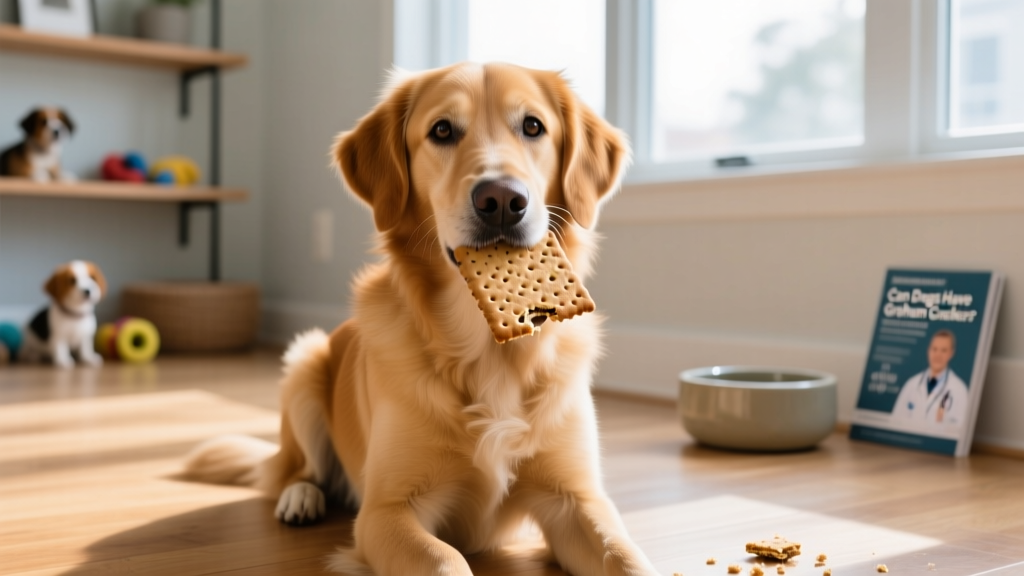
Healthy Dog Biscuits Recipes: Nutritionist-Approved
Vet-reviewed dog biscuits recipes with exact nutritional targets, life-stage adjustments, safe ingredients, and feeding guidelines for homemade treats.

Making your own dog biscuits is one of the most rewarding things you can do for your pup — you control every ingredient, avoid hidden fillers, and tailor treats to specific health needs. But homemade treats aren't just about tossing flour and peanut butter together. Without understanding the nutritional math behind your dog biscuits recipes, you risk creating treats that are calorie-dense, nutritionally void, or worse, contain ingredients that can harm your dog.
This guide gives you science-backed dog biscuits recipes organized by life stage and condition, along with the exact nutritional framework you need to make treats that complement — rather than undermine — your dog's daily diet. We'll cover what commercial treats get wrong, how to calculate treat allowances, and when homemade simply isn't the right choice.
Why Nutritional Precision Matters in Dog Biscuits Recipes
The Merck Veterinary Manual outlines that dogs require specific ratios of protein, fat, carbohydrates, vitamins, and minerals that shift based on age, activity level, and health status. Treats — including homemade biscuits — should never exceed 10% of your dog's total daily caloric intake, according to the American Veterinary Medical Association.
Here's the problem: most online dog biscuits recipes ignore this 10% rule entirely. A single large homemade biscuit can pack 80-120 calories, which for a 15-pound dog with a daily requirement of roughly 400 calories, means one treat consumes 20-30% of their daily allowance. That's how well-intentioned treat baking leads to obesity.
| Dog Weight | Daily Calories | Protein (min %) | Fat (min %) | Max Treat Calories (10%) |
|---|---|---|---|---|
| 5-10 lb / 2.3-4.5 kg | 200-340 kcal | 22% | 8.5% | 20-34 kcal |
| 11-25 lb / 5-11.3 kg | 340-600 kcal | 22% | 8.5% | 34-60 kcal |
| 26-50 lb / 11.8-22.7 kg | 600-950 kcal | 22% | 8.5% | 60-95 kcal |
| 51-75 lb / 23.1-34 kg | 950-1,300 kcal | 22% | 8.5% | 95-130 kcal |
| 76-100+ lb / 34.5-45+ kg | 1,300-1,700+ kcal | 22% | 8.5% | 130-170+ kcal |
Based on AAFCO Adult Maintenance nutrient profiles. Puppies require minimum 28% protein and 17% fat. Senior or less active dogs may need adjusted caloric intake — consult your veterinarian.
Ingredients Analysis: What Belongs in Dog Biscuits (and What Doesn't)
Before you start mixing dough, you need a clear picture of which ingredients earn their place in your dog biscuits recipes and which should be permanently banned from your baking sheet.
Safe, Nutrient-Dense Biscuit Ingredients
- Whole wheat flour or oat flour: Provides fiber and complex carbohydrates. Oat flour is preferable for dogs with wheat sensitivities. Both offer slow-release energy without blood sugar spikes.
- Pumpkin puree (plain, not pie filling): Rich in beta-carotene, fiber, and potassium. Supports digestive health — particularly useful for dogs with mild GI sensitivity.
- Natural peanut butter (xylitol-free): Good source of protein and healthy fats. ALWAYS check the label — xylitol (birch sugar) is lethal to dogs even in small amounts. Brands like Smucker's Natural or Teddie contain only peanuts and salt.
- Sweet potato: Excellent source of vitamins A, B6, and C plus dietary fiber. Lower glycemic index than white potato.
- Eggs: Complete protein with all essential amino acids. Also provides biotin for coat health. Use cooked or baked into the biscuit — raw egg whites contain avidin, which interferes with biotin absorption.
- Lean meats (chicken, turkey, beef liver): High-value protein that boosts palatability. Dehydrated or baked into biscuits, these add 15-25g protein per 100g of treat.
- Blueberries: Antioxidant-rich, low-calorie addition. Provide anthocyanins linked to cognitive support in aging dogs.
- Coconut oil (in moderation): Medium-chain triglycerides support skin and coat. Limit to 1 teaspoon per 10 lb body weight daily across all food sources.
Ingredients to Avoid — and Why
| Ingredient | Risk Level | Why It's Dangerous |
|---|---|---|
| Xylitol (birch sugar) | 🔴 LETHAL | Causes rapid insulin release → hypoglycemia → liver failure. As little as 0.1g/kg can be toxic. |
| Grapes and raisins | 🔴 LETHAL | Causes acute kidney failure. Mechanism still not fully understood. No safe dose established. |
| Macadamia nuts | 🟠 HIGH | Causes weakness, vomiting, tremors, hyperthermia. Toxicity at approximately 2.4g/kg. |
| Onion and garlic powder | 🟠 HIGH | Contains N-propyl disulfide — damages red blood cells → hemolytic anemia. Garlic is ~5x more toxic than onion. |
| Chocolate or cocoa powder | 🟠 HIGH | Contains theobromine. Baker's chocolate is most dangerous at 390-450 mg theobromine per oz. |
| Nutmeg | 🟡 MODERATE | Contains myristicin — causes hallucinations, increased heart rate, seizures in large doses. |
| Excess salt | 🟡 MODERATE | Sodium ion toxicity possible above 4g/kg. Causes vomiting, diarrhea, tremors, seizures. |
| Raw yeast dough | 🟠 HIGH | Expands in stomach → bloat risk. Fermentation produces ethanol → alcohol toxicity. |
If your dog ingests any red-flagged ingredient, contact ASPCA Animal Poison Control: (888) 426-4435 (24/7, consultation fee applies) or Pet Poison Helpline: (855) 764-7661 immediately.
Dog Biscuits Recipes by Life Stage and Condition
Not all dogs benefit from the same biscuit formulation. A growing puppy needs calorie-dense, protein-rich treats to support development, while a senior dog with kidney disease needs restricted phosphorus and protein. Here are targeted recipes for specific needs.
Recipe 1: Puppy Growth Biscuits (8 weeks – 12 months)
Puppies require a minimum of 28% protein and 17% fat on a dry matter basis per AAFCO growth standards. These biscuits are designed as training rewards — small, soft, and easy to chew quickly.
- 1 cup oat flour
- ½ cup cooked, pureed chicken breast (no skin, no bones)
- ¼ cup plain pumpkin puree
- 1 egg
- 1 tablespoon fish oil (omega-3 for brain development)
Preparation: Mix all ingredients into a dough. Roll to ¼-inch thickness. Cut into pea-sized pieces (approximately 5 calories each). Bake at 325°F (163°C) for 12-15 minutes. Store in refrigerator for up to 5 days or freeze for 3 months.
Per-biscuit nutrition (pea-sized): ~5 kcal, 0.4g protein, 0.2g fat. A 15-lb puppy can safely have 4-6 of these per day within their treat allowance.
Recipe 2: Senior Joint-Support Biscuits (7+ years)
Senior dogs often need fewer calories but more targeted nutrition. These biscuits incorporate turmeric (curcumin) for anti-inflammatory support and green-lipped mussel powder for glucosamine and chondroitin.
- 1 cup oat flour
- ½ cup mashed sweet potato (cooked, skin removed)
- 2 tablespoons natural peanut butter (xylitol-free)
- 1 teaspoon turmeric powder
- ½ teaspoon ground black pepper (enhances curcumin absorption by up to 2,000%)
- 1 teaspoon green-lipped mussel powder
Preparation: Combine into dough, roll to ½-inch thickness, cut into 1-inch rounds. Bake at 300°F (149°C) for 25-30 minutes until firm. Each biscuit contains approximately 35 kcal.
Serving guidance: A 50-lb senior dog with reduced activity (daily requirement ~800 kcal) can have 2 biscuits daily (70 kcal = 8.75% of daily intake).
Recipe 3: Weight Management Biscuits (Overweight Dogs, BCS 6-9)
For dogs on a weight loss plan, treats must be extremely low-calorie while still providing enrichment. These biscuits use high-fiber, low-fat ingredients to promote satiety.
- 1 cup oat flour
- ½ cup pureed green beans (no salt added)
- ¼ cup unsweetened applesauce
- 1 egg white only (omit yolk to reduce fat)
- 1 tablespoon ground flaxseed
Preparation: Mix, roll thin (⅛ inch), cut into small squares. Bake at 325°F (163°C) for 18-20 minutes until crisp. Each small square is approximately 8 kcal.
Recipe 4: Limited-Ingredient Biscuits (Food Allergies/Sensitivities)
Dogs with diagnosed food allergies need treats that avoid common allergens: chicken, beef, dairy, wheat, soy, and eggs. This novel-protein recipe uses venison or duck.
- 1 cup oat flour (certified gluten-free if wheat is a trigger)
- ½ cup ground, cooked venison or duck (single novel protein)
- ¼ cup pureed butternut squash
- 2 tablespoons coconut oil
Preparation: Combine and roll into thin strips. Bake at 300°F (149°C) for 20 minutes. Each strip is approximately 25 kcal. Always introduce novel proteins one at a time and monitor for 48 hours for adverse reactions.
Recipe 5: High-Energy Performance Biscuits (Working/Active Dogs)
Active dogs — agility competitors, hiking partners, working breeds — need calorie-dense treats that support sustained energy. Fat is the preferred fuel source for canine endurance athletes.
- 1 cup whole wheat flour
- ½ cup cooked salmon (boneless, skinless — rich in omega-3)
- ¼ cup natural peanut butter
- 1 whole egg
- 1 tablespoon coconut oil
Preparation: Mix into thick dough, form into 2-inch bars. Bake at 325°F (163°C) for 20-25 minutes. Each bar provides approximately 85 kcal with 5g protein and 4.5g fat. Ideal for mid-hike rewards for a 60-lb active dog.
Homemade Diet Considerations: When Treats Are Fine and When They're Not
There's a critical distinction between homemade treats and a homemade complete diet. Dog biscuits recipes like the ones above are supplemental — they're designed to be given in small quantities alongside a nutritionally complete commercial or veterinary-formulated diet.
⚠️ CRITICAL WARNING: Homemade dog biscuits should NEVER replace a complete and balanced diet. If you're considering a fully homemade diet for your dog, you MUST work with a board-certified veterinary nutritionist (DACVN). Studies published in the Journal of the American Veterinary Medical Association have found that the majority of homemade dog diet recipes available online are nutritionally deficient in at least one essential nutrient. Long-term feeding of incomplete diets leads to metabolic bone disease, taurine-deficiency cardiomyopathy, and other serious conditions.
For treats specifically, the risks are lower because they represent a small percentage of total intake — but they still matter. Here's what to watch:
- Calcium-to-phosphorus ratio: Meat-heavy biscuit recipes without calcium supplementation can skew this ratio, especially dangerous for growing puppies. Ideal ratio is 1.2:1 to 1.4:1.
- Sodium content: Many human-grade ingredients (broths, cheeses, deli meats) contain far more sodium than dogs need. Canine diets should contain 0.08-0.5% sodium on a dry matter basis.
- Vitamin A toxicity: Liver-based biscuits are popular but feeding too much liver can cause hypervitaminosis A. Limit liver to no more than 5% of total diet by weight.
Commercial Treat Selection: Reading Labels Like a Pro
Even if you make your own biscuits, you'll likely supplement with commercial treats. Here's how to evaluate them with the same rigor you'd apply to a main diet.
What to Look for on the Label
- AAFCO statement: Look for "formulated to meet AAFCO Dog Food Nutrient Profiles" or "animal feeding tests using AAFCO procedures." Treats labeled as "supplemental" or "intermittent" are not required to meet full nutritional profiles — that's fine for treats, but know the distinction.
- Named protein as first ingredient: "Chicken," "salmon," or "lamb" — not "meat by-products" or "animal digest."
- Short ingredient list: Fewer ingredients generally means fewer potential allergens and less processing.
- Calorie statement: Reputable brands list kcal per treat. If they don't, you can't accurately budget treats into your dog's daily intake.
- Country of origin: Look for "Made in the USA" (or your country) with domestically sourced ingredients. The 2007 melamine contamination and recurring chicken jerky treat concerns linked to overseas manufacturing make sourcing important.
Recommended Commercial Treats (When You Need a Backup)
| Brand & Product | Key Feature | Calories per Treat | Price Range (2026) |
|---|---|---|---|
| Zuke's Mini Naturals (Chicken) | Low-calorie training treat, soft & chewy | 3.5 kcal | $8-12 / 16 oz bag |
| Greenies Original Dental Chews (Teenies) | VOHC-accepted for tartar control | 26 kcal | $18-25 / 36 ct |
| Stewart Freeze-Dried Beef Liver | Single-ingredient, high-value reward | 4 kcal per piece | $14-20 / 14 oz |
| Fruitables Skinny Minis (Pumpkin & Banana) | Low-cal, plant-based option | 4 kcal | $7-10 / 10 oz |
| Native Pet Yak Chews | Long-lasting, limited ingredient (yak milk, lime juice, salt) | ~85 kcal per medium chew | $22-30 / 3-pack |
| Plato Thinkers Salmon Strips | Omega-3 rich, soft treat for seniors | 28 kcal | $10-14 / 6 oz |
Prices reflect typical retail ranges at major pet retailers and online as of early 2026. Always verify current pricing and check for recalls at FDA's veterinary recall page.
Feeding Amounts and the Treat Budget Calculator
The biggest mistake dog owners make with homemade biscuits is eyeballing portions. Here's a precise framework for calculating how many biscuits your dog can have per day.
| Dog Weight | Sedentary/Indoor | Moderately Active | Highly Active/Working |
|---|---|---|---|
| 10 lb / 4.5 kg | 240 kcal/day → 24 kcal treats | 340 kcal/day → 34 kcal treats | 450 kcal/day → 45 kcal treats |
| 25 lb / 11.3 kg | 475 kcal/day → 47 kcal treats | 650 kcal/day → 65 kcal treats | 850 kcal/day → 85 kcal treats |
| 50 lb / 22.7 kg | 775 kcal/day → 77 kcal treats | 1,050 kcal/day → 105 kcal treats | 1,400 kcal/day → 140 kcal treats |
| 75 lb / 34 kg | 1,050 kcal/day → 105 kcal treats | 1,400 kcal/day → 140 kcal treats | 1,850 kcal/day → 185 kcal treats |
| 100 lb / 45.4 kg | 1,300 kcal/day → 130 kcal treats | 1,750 kcal/day → 175 kcal treats | 2,250 kcal/day → 225 kcal treats |
Base calorie calculations use the Resting Energy Requirement (RER) formula: RER = 70 × (body weight in kg)^0.75, multiplied by an activity factor (1.2 for sedentary, 1.6 for moderate, 2.0+ for working). Spayed/neutered dogs typically fall on the lower end of their weight range's caloric needs.
Adjustment factors to consider:
- Intact vs. altered: Spayed/neutered dogs have approximately 20-30% lower metabolic rate. Use the lower activity column if your dog is altered and not highly active.
- Age: Puppies under 6 months need 2-3x adult calories but treats should still stay under 10%. Senior dogs (typically 7+ for large breeds, 10+ for small breeds) often need 10-20% fewer calories than adults.
- Body Condition Score (BCS): If your dog is above ideal weight (BCS 6-9 on a 9-point scale), calculate treat allowance based on their target weight, not current weight.
- Training intensity: If you're doing a heavy training session, you can temporarily shift to 15% treats — but reduce the next meal accordingly.
Supplement Guidance for Homemade Dog Biscuits
Since homemade biscuits are supplemental (not a primary diet), most dogs won't need additional supplements from treats alone. However, certain conditions warrant targeted additions:
| Supplement | When to Add | Dosage for Biscuit Recipes | Notes |
|---|---|---|---|
| Fish oil (EPA/DHA) | Coat/skin issues, joint inflammation, cognitive decline | 20-55 mg EPA+DHA per kg body weight daily (across all food) | Add to dough before baking. Heat degrades some omega-3s — consider drizzling on baked biscuits instead. |
| Glucosamine/Chondroitin | Osteoarthritis, hip dysplasia, senior large breeds | 20 mg glucosamine per kg body weight daily | Green-lipped mussel powder is a natural source — ½ tsp per batch of biscuits. |
| Probiotics | GI sensitivity, post-antibiotic recovery, stress | 1-10 billion CFU daily depending on dog size | Do NOT bake probiotics into biscuits — heat kills live cultures. Sprinkle powder on after baking. |
| Calcium (eggshell powder) | Meat-heavy biscuit recipes to balance phosphorus | ½ tsp eggshell powder per pound of meat used | Bake eggshells at 300°F for 10 min, then grind to fine powder. |
| Vitamin E | Dry skin, immune support, as antioxidant preservative | 2 IU per kg body weight daily | Puncture a capsule and mix oil into dough. |
Important: Always consult your veterinarian before adding supplements, especially if your dog is on medication. Fish oil can interact with blood thinners, and calcium supplementation is contraindicated in certain kidney conditions.
Transitioning to New Treats and Monitoring Success
Even treats need a gradual introduction, especially if your dog has a sensitive stomach or you're using novel proteins in your dog biscuits recipes.
7-Day Treat Introduction Protocol
| Day | Protocol | What to Watch For |
|---|---|---|
| Day 1-2 | Offer 1 small piece of new biscuit. No other new foods. | Vomiting, diarrhea, itching, ear redness, paw licking |
| Day 3-4 | If no reaction, offer 2-3 pieces spread throughout the day. | Stool consistency changes, gas, appetite changes |
| Day 5-7 | Increase to full treat allowance if all clear. | Normal energy, normal stool, no skin changes |
For dogs with known food allergies or inflammatory bowel disease, extend this protocol to 14 days and introduce only ONE new ingredient at a time.
Monitoring Success: Is Your Treat Strategy Working?
Track these indicators over 30 days to determine if your homemade biscuit routine is supporting or undermining your dog's health:
- Body Condition Score (BCS): On a 9-point scale, ideal is 4-5. You should be able to feel ribs without pressing hard, see a waist when viewed from above, and observe an abdominal tuck from the side. If BCS increases after adding homemade treats, reduce portion size.
- Coat quality: A healthy coat is shiny, not greasy or flaky. Excessive shedding beyond normal seasonal patterns can indicate nutritional imbalance or ingredient sensitivity.
- Energy levels: Treats shouldn't cause energy crashes. If your dog seems lethargic after treat-heavy training sessions, the biscuits may be too high in simple carbohydrates.
- Stool quality: Use the 4-point scale — ideal stool is firm, moist, holds shape, and is easy to pick up. Loose stools, mucus, or increased frequency after introducing new biscuits signals an ingredient your dog doesn't tolerate.
- Weight trends: Weigh your dog every 2 weeks when introducing new treat routines. A 50-lb dog gaining even 2 lb over a month from treat overage is gaining 4% body weight — equivalent to a 150-lb human gaining 6 lb.
Storage, Shelf Life, and Food Safety
Homemade dog biscuits lack the preservatives found in commercial treats, which means proper storage is essential to prevent mold, bacterial growth, and rancidity.
| Storage Method | Shelf Life | Best For |
|---|---|---|
| Room temperature (airtight container) | 3-5 days | Dry, crisp biscuits with low moisture content |
| Refrigerator (sealed bag/container) | 7-10 days | Soft biscuits containing meat, pumpkin, or sweet potato |
| Freezer (vacuum-sealed or ziplock) | 2-3 months | Large batches — thaw individual portions as needed |
| Dehydrator (145°F / 63°C for 6-8 hours) | 2-3 weeks at room temp | Jerky-style treats, meat strips, sweet potato chews |
Food safety tips:
- Always wash hands and sanitize surfaces before preparing dog biscuits — salmonella contamination affects both you and your dog.
- If a biscuit smells off, shows discoloration, or has visible mold, discard the entire batch. Mycotoxins from mold are hepatotoxic and cannot be "cut away."
- Label frozen batches with preparation date and ingredients for allergen tracking.
Frequently Asked Questions About Dog Biscuits Recipes
Can I use regular flour in dog biscuits?
Yes, all-purpose wheat flour is safe for most dogs. However, whole wheat flour provides more fiber and nutrients. If your dog has a diagnosed wheat allergy or sensitivity (relatively uncommon — true grain allergies account for less than 1% of canine food allergies), substitute oat flour, coconut flour, or rice flour. Coconut flour absorbs significantly more moisture, so you'll need to increase liquid ingredients by roughly 25%.
How many homemade biscuits can I give my dog per day?
It depends entirely on the biscuit size, caloric density, and your dog's weight and activity level. Use the treat budget table above. For a 30-lb moderately active dog with a 750 kcal daily need, you have a 75 kcal treat budget. If each biscuit is 25 kcal, that's 3 biscuits maximum per day. Always calculate based on individual biscuit calories, not a generic number.
Are grain-free dog biscuits healthier?
Not necessarily. The FDA has investigated a potential link between grain-free diets (specifically those high in peas, lentils, and potatoes) and dilated cardiomyopathy (DCM) in dogs. While the investigation is ongoing, veterinary nutritionists generally recommend including grains unless your dog has a confirmed grain allergy diagnosed by a veterinarian. Oat flour and whole wheat flour are excellent, safe choices for most dogs.
Can diabetic dogs eat homemade biscuits?
Diabetic dogs can have treats, but the biscuits must be low in simple carbohydrates and sugars. Avoid recipes with honey, molasses, applesauce, or fruit. Focus on high-protein, high-fiber formulations using oat flour, lean meat, and green vegetables. Always coordinate treat timing with insulin administration — consult your veterinarian for a specific plan.
How do I make biscuits for a dog with kidney disease?
Dogs with chronic kidney disease (CKD) need restricted protein (typically 14-18% on a dry matter basis for Stage 2+ CKD), reduced phosphorus, and controlled sodium. A kidney-friendly biscuit might use white rice flour (lower phosphorus than whole grains), a small amount of egg white as protein, and no added salt. This is a case where working with a veterinary nutritionist is essential — improvised renal diets can accelerate disease progression.
Can I sell homemade dog biscuits?
If you're considering selling your dog biscuits recipes commercially, be aware that pet treats are regulated by the FDA and state departments of agriculture. You'll need to comply with AAFCO labeling requirements, obtain appropriate licenses, and in many states, register each product formula. Commercial production also requires adherence to current Good Manufacturing Practices (cGMP). It's a more complex process than most home bakers anticipate.
What's the best way to calculate calories in my homemade biscuits?
Calculate the calories of each raw ingredient using USDA FoodData Central values, sum the total batch calories, then divide by the number of biscuits you cut. For example: 1 cup oat flour (300 kcal) + ½ cup pumpkin puree (40 kcal) + 1 egg (72 kcal) + 2 tbsp peanut butter (190 kcal) = 602 kcal total batch. If you cut 20 biscuits, each contains approximately 30 kcal. This method isn't perfectly precise but is accurate enough for treat budgeting.
Homemade dog biscuits recipes are a wonderful way to show your dog love while maintaining control over their nutrition. The key is treating them as the supplemental rewards they are — not a dietary foundation. By respecting the 10% treat rule, choosing ingredients based on your dog's individual health profile, and monitoring their body condition over time, you can bake with confidence knowing every biscuit supports your dog's wellbeing. When in doubt about any ingredient or nutritional strategy, your veterinarian is always the best resource for personalized guidance.
Marcus Aldridge
All our authors care for dogs every day — read more of their work on the authors page.