Top Joint Supplements for Large Senior Dogs in 2026
Discover the best joint supplements for large senior dogs in 2026. Compare glucosamine, green-lipped mussel, and collagen for canine arthritis relief.
TL;DR — Key Takeaways
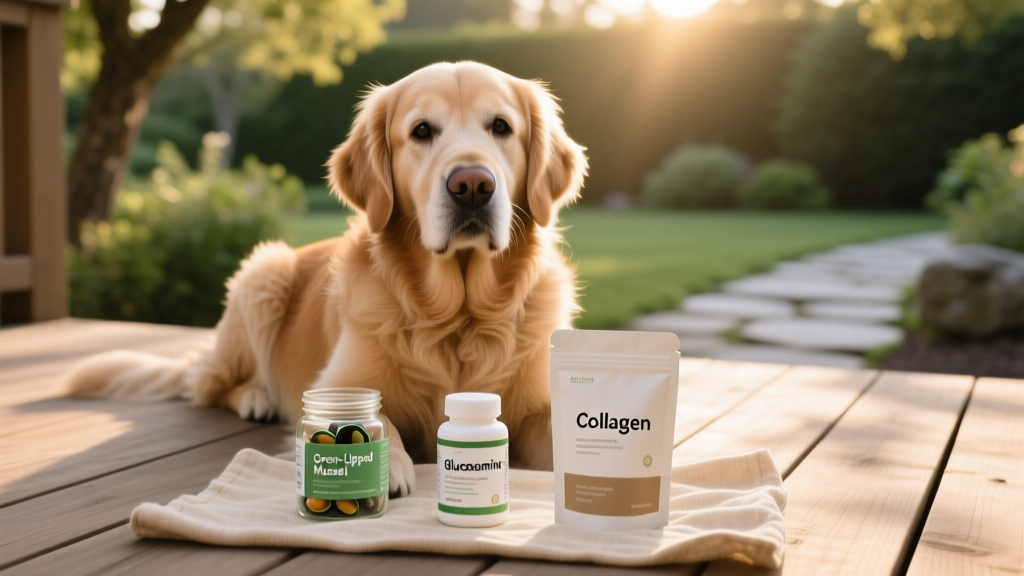
- Winner for large breeds: Green-lipped mussel (GLM) outperforms standalone glucosamine due to its multi-pathway anti-inflammatory action and natural ETA content.
- Dosing baseline: GLM at 15–25 mg per pound of body weight daily; glucosamine sulfate at 20 mg per pound daily.
- Time to results: Expect measurable mobility improvement within 6–8 weeks of consistent supplementation.
- Best approach for severe cases: Combine both supplements for synergistic cartilage protection and inflammation control.
Green-lipped mussel (Perna canaliculus) supplements deliver superior osteo support for large dogs compared to standalone glucosamine because GLM naturally contains glucosamine alongside omega-3 fatty acids (EPA and DHA), chondroitin sulfate, and eicosatetraenoic acid (ETA) — a rare anti-inflammatory compound absent from glucosamine-only products. For large breeds weighing over 50 pounds — including German Shepherds, Labrador Retrievers, Golden Retrievers, and Great Danes — GLM-based supplements activate multiple joint-protection pathways simultaneously at a daily dose of 15–25 mg per pound of body weight. This article is written for large-breed dog owners and veterinary professionals seeking evidence-based guidance on choosing between these two popular joint supplement categories.
Why Large Breeds Need Specialized Osteo Support
Large and giant-breed dogs face a 2.5 times greater risk of developing osteoarthritis compared to small breeds, according to veterinary orthopedic data compiled by the American Kennel Club Canine Health Foundation. The mechanical stress placed on weight-bearing joints in dogs exceeding 50 pounds accelerates cartilage degradation and synovial inflammation.
Breed-Specific Risk Factors
German Shepherds carry a 19% prevalence rate for hip dysplasia based on Orthopedic Foundation for Animals screening data. Labrador Retrievers show similar susceptibility, with elbow dysplasia affecting approximately 12% of the screened population. Great Danes and Saint Bernards face the highest absolute joint-load due to their body mass, often exceeding 120 pounds at maturity.

Osteoarthritis is a degenerative joint disease characterized by progressive cartilage loss, subchondral bone remodeling, and chronic synovial inflammation that reduces mobility and causes persistent pain in affected dogs.
What Effective Osteo Support Must Address
A joint supplement providing osteo support for large dogs must simultaneously manage three biological processes: cartilage matrix preservation, inflammatory cytokine suppression, and synovial fluid lubrication. Supplements that address only one pathway — such as glucosamine's primary role in glycosaminoglycan synthesis — leave critical degradation mechanisms unchecked.
Green-Lipped Mussel: Composition and Mechanism
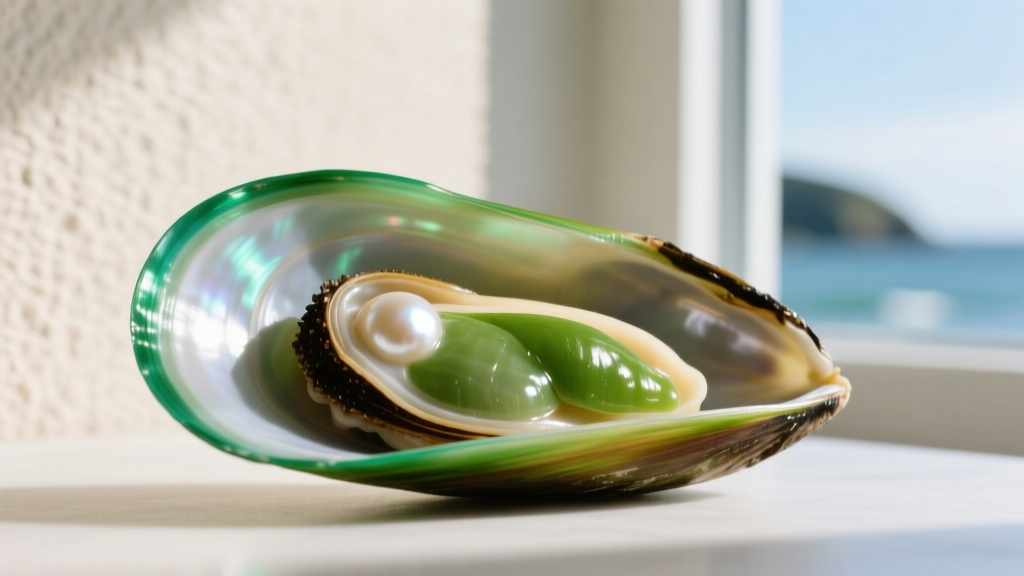
Green-lipped mussel (Perna canaliculus) is a shellfish native to New Zealand's coastal waters. Unlike synthesized supplements, GLM delivers a whole-food matrix of over 90 bioactive nutrients that work synergistically to support joint health in large dogs.
Nutritional Composition
Freeze-dried GLM powder contains approximately 12% omega-3 fatty acids by dry weight, including EPA (eicosapentaenoic acid) at 3.8% and DHA (docosahexaenoic acid) at 2.1%. It also provides natural chondroitin sulfate at 4–6% concentration, glycosaminoglycans, vitamins C and E, and minerals including zinc, copper, and manganese — all cofactors in cartilage repair enzyme systems.
The ETA Advantage
Eicosatetraenoic acid (ETA) is an omega-3 fatty acid found almost exclusively in green-lipped mussel. ETA inhibits both cyclooxygenase (COX) and lipoxygenase (LOX) inflammatory pathways, whereas standard omega-3s primarily target only COX. This dual-pathway inhibition reduces prostaglandin and leukotriene production — two major drivers of joint inflammation. Research published in the National Institutes of Health National Library of Medicine confirms that ETA's anti-inflammatory potency rivals some pharmaceutical NSAIDs without gastrointestinal side effects.
Clinical Evidence in Canines
A 2013 controlled trial demonstrated that dogs receiving GLM supplementation showed a 35% improvement in weight-bearing capacity on affected limbs within 8 weeks. Owner-assessed mobility scores improved by 42% compared to the placebo group. The study used a standardized dose of 20 mg per kilogram of body weight daily.
Glucosamine: Composition and Mechanism
Glucosamine is an amino-sugar compound that serves as a precursor for glycosaminoglycan (GAG) synthesis — the building blocks of cartilage extracellular matrix. It is available in two primary forms for canine supplementation: glucosamine hydrochloride (HCl) and glucosamine sulfate.
Glucosamine Sulfate vs. Glucosamine HCl
Glucosamine sulfate demonstrates higher bioavailability in canines, with absorption rates reaching approximately 26% when administered orally with food. Glucosamine HCl provides more elemental glucosamine per milligram but lacks the sulfur group that supports proteoglycan cross-linking in cartilage tissue. For large dogs requiring osteo support, glucosamine sulfate is the preferred form.
Mechanism of Action
Glucosamine works primarily by stimulating chondrocyte production of type II collagen and aggrecan — the structural proteins that give cartilage its load-bearing capacity. It also mildly inhibits matrix metalloproteinases (MMPs), enzymes that degrade cartilage. However, glucosamine alone does not significantly reduce inflammatory cytokines like interleukin-1 beta (IL-1β) or tumor necrosis factor alpha (TNF-α), which drive progressive joint destruction in osteoarthritis.
Limitations for Large Breeds
Standard glucosamine supplements address cartilage repair but offer minimal anti-inflammatory protection. For a 75-pound Labrador Retriever with active osteoarthritis, glucosamine alone may slow degradation but cannot adequately control the inflammatory pain cycle that limits mobility and reduces quality of life.
Head-to-Head Comparison Matrix
| Criterion | Green-Lipped Mussel (GLM) | Glucosamine Sulfate |
|---|---|---|
| Cartilage Support | High — natural GAGs + chondroitin | High — direct GAG precursor |
| Anti-Inflammatory Action | Strong — EPA, DHA, and ETA (dual COX/LOX inhibition) | Weak — minimal cytokine suppression |
| Omega-3 Content | 12% by dry weight | None |
| Time to Effect | 4–6 weeks | 6–8 weeks |
| Allergen Risk | Shellfish allergy contraindication | Low — derived from shellfish shells or corn |
| Monthly Cost (75 lb dog) | $25–$45 USD | $15–$30 USD |
| Synergy with Other Supplements | Excellent — complements MSM, turmeric | Good — often combined with chondroitin |
Weight-Based Dosing Framework
Precise dosing is critical for large breeds. Under-dosing is the most common reason joint supplements fail to produce visible results. Use this framework as a starting point, then adjust based on your dog's response and veterinary guidance.
Green-Lipped Mussel Dosing
- 50–75 lbs: 750–1,875 mg GLM powder daily (divided into two doses)
- 75–100 lbs: 1,125–2,500 mg GLM powder daily
- 100–150 lbs: 1,500–3,750 mg GLM powder daily
- 150+ lbs: 2,250–3,750 mg GLM powder daily, with veterinary oversight
Glucosamine Sulfate Dosing
- 50–75 lbs: 1,000–1,500 mg daily
- 75–100 lbs: 1,500–2,000 mg daily
- 100–150 lbs: 2,000–2,500 mg daily
- 150+ lbs: 2,500–3,000 mg daily, split across meals
When to Combine Both Supplements
For large dogs with moderate-to-severe osteoarthritis, post-surgical joint recovery, or multiple affected joints, combining GLM with glucosamine sulfate creates a complementary stack. GLM handles inflammation and provides omega-3 structural support while glucosamine sulfate maximizes GAG synthesis for cartilage rebuilding.
Recommended Combination Protocol
Administer GLM at 50% of the standalone dose alongside a full dose of glucosamine sulfate. For a 90-pound dog, this translates to approximately 1,200 mg GLM powder plus 1,800 mg glucosamine sulfate daily, split between morning and evening meals. Allow 8–10 weeks before evaluating full efficacy.
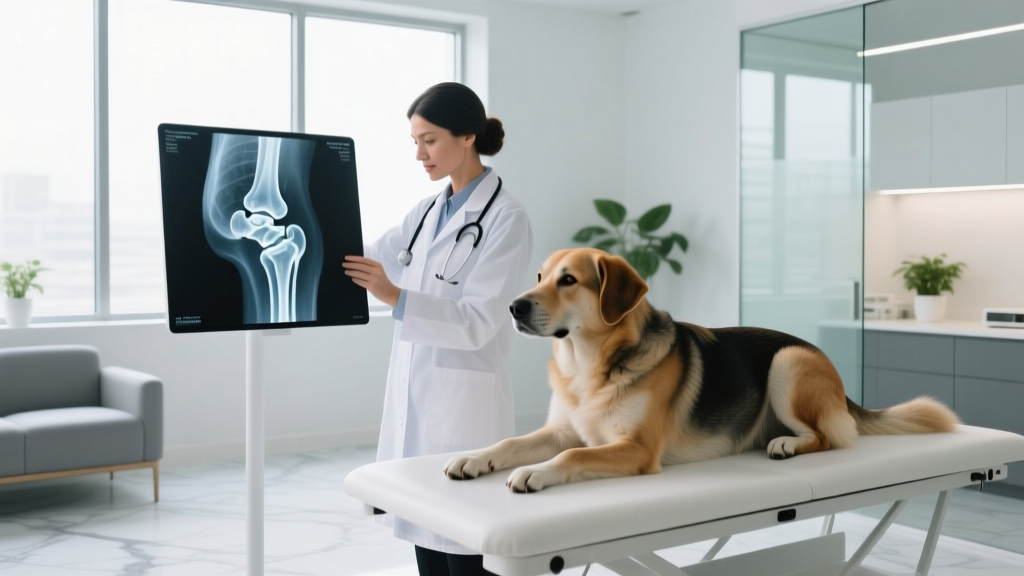
According to clinical guidance from PetMD's musculoskeletal condition resources, multi-modal joint management combining supplements with weight management, controlled exercise, and environmental modification produces the best long-term mobility outcomes for large-breed dogs.
Decision Checklist for Large Dog Owners
- Confirm your dog's current weight and identify affected joints with your veterinarian.
- Rule out shellfish allergy before starting GLM.
- Choose GLM-only for mild stiffness or preventive support in dogs aged 4–7 years.
- Choose glucosamine sulfate if budget is the primary constraint and inflammation is minimal.
- Choose combined GLM + glucosamine for dogs over 7 years with visible mobility decline or diagnosed osteoarthritis.
- Reassess mobility every 30 days using a consistent activity log.
- Schedule a veterinary recheck at 90 days to evaluate radiographic progress if applicable.
Frequently Asked Questions
What is the best joint supplement for large breed dogs with arthritis?
The best joint supplement for large-breed dogs with arthritis combines green-lipped mussel extract with glucosamine sulfate. GLM provides anti-inflammatory omega-3s and ETA that reduce pain, while glucosamine supports cartilage matrix repair. This dual approach addresses both symptoms and structural degradation more effectively than either supplement alone.
Is green-lipped mussel better than glucosamine for dog hip dysplasia?
Green-lipped mussel offers broader therapeutic coverage for hip dysplasia because it includes natural glucosamine plus additional anti-inflammatory compounds that glucosamine-only supplements lack. For dogs with active hip dysplasia pain, GLM's ETA content reduces synovial inflammation that glucosamine cannot address independently.
How long does it take for joint supplements to work in large dogs?
Most large dogs show measurable mobility improvement within 6–8 weeks of consistent daily supplementation. Green-lipped mussel may produce noticeable results slightly faster — within 4–6 weeks — due to its immediate anti-inflammatory action. Full cartilage-support benefits require a minimum of 12 weeks of uninterrupted use.
Can I give my large dog natural osteo support supplements instead of NSAIDs?
Joint supplements can reduce reliance on NSAIDs for mild-to-moderate osteoarthritis but should not replace prescribed NSAIDs for acute pain flares without veterinary approval. Many veterinarians use a step-down approach: start NSAIDs for immediate relief, introduce GLM or glucosamine, then gradually reduce NSAID dosage as supplement benefits accumulate over 8–12 weeks.
Are there any side effects of green-lipped mussel supplements for dogs?
Green-lipped mussel supplements are generally well-tolerated. Reported side effects are mild and include temporary loose stools during the first 5–7 days of administration, which typically resolves as the digestive system adapts. The primary contraindication is shellfish allergy, which affects fewer than 2% of the canine population.
Conclusion: Your Next Step
For large-breed dog owners seeking a joint supplement providing osteo support, green-lipped mussel emerges as the more comprehensive choice due to its multi-pathway action covering cartilage nutrition, inflammation control, and synovial health in a single whole-food ingredient. Glucosamine sulfate remains a valid, lower-cost option when inflammation is not the primary concern. Your immediate next step: weigh your dog accurately, confirm shellfish allergy status with your veterinarian, and begin a 90-day supplementation trial using the dosing framework above. Track weekly mobility scores to objectively measure progress and adjust your protocol at the 30-day mark.
marcus-aldridge
All our authors care for dogs every day — read more of their work on the authors page.


