How to Get Rid of Dog Gland Smell: Anal Sac Care Guide
Learn how to get rid of dog gland smell with our expert anal sac care guide. Covers anatomy, symptoms, home expression tips, and when to see a vet.
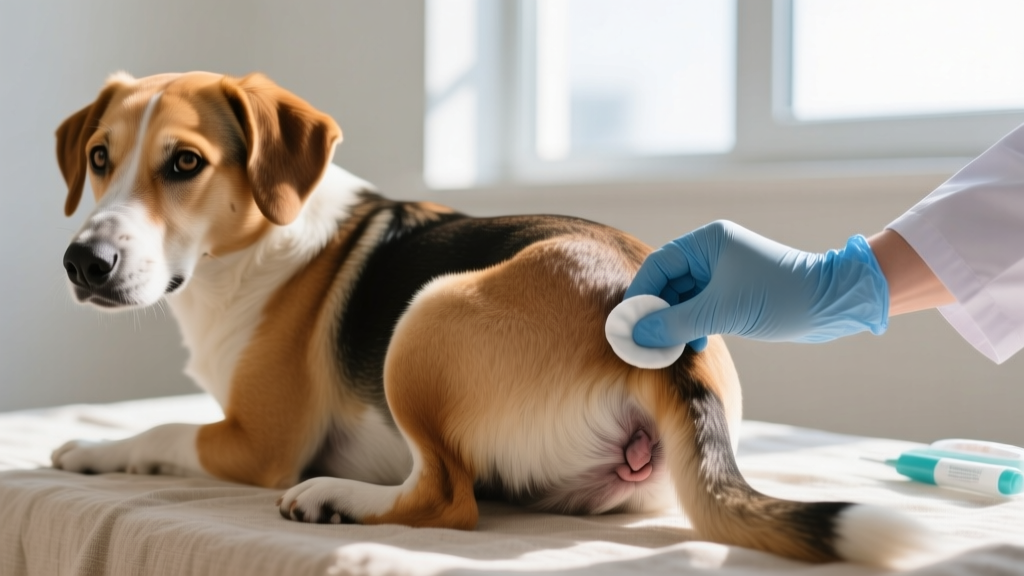
If you've ever noticed your dog scooting across the carpet or caught a sudden, foul, fishy odor seemingly out of nowhere, you're likely dealing with anal gland issues. Anal sac problems are among the most common reasons dogs visit the vet for rear-end complaints, and the smell they produce is unmistakable — pungent, metallic, and lingering. Understanding how these glands work, what goes wrong, and how to manage them at home can save you stress, money, and a lot of unpleasant laundry.
Anatomy Quick Primer: How Anal Glands Work in Dogs
Dogs have two small anal sacs (often called anal glands) located at roughly the 4 o'clock and 8 o'clock positions just inside the anus. Each sac is about the size of a pea to a small grape, depending on the dog's size. These sacs are lined with sebaceous and apocrine glands that produce a strong-smelling, oily secretion ranging in color from yellowish-brown to gray.
In dogs: Anal sac fluid is normally expressed during defecation when the passing stool puts pressure on the sacs. The secretion acts as a territorial scent marker — it's why dogs sniff each other's rear ends as a form of identification. The fluid is also involuntarily released during moments of fear or excitement.
In humans: Humans do not have functional anal sacs. We have rudimentary anal glands, but they serve no comparable scent-marking or communication function. This is a distinctly canine (and broader mammalian) adaptation shared with cats, skunks, and many other mammals.
The anal sac duct opens at the anal margin. When the duct becomes blocked or the secretion thickens, impaction occurs — and that's when the trouble (and the smell) begins. According to the Merck Veterinary Manual, anal sac disease is one of the most frequently diagnosed conditions of the canine perianal region.
Common Anal Gland Problems and Their Symptoms
| Condition | Description | Key Symptoms | Severity |
|---|---|---|---|
| Anal Sac Impaction | Thickened secretion fails to empty naturally | Scooting, licking at rear, foul odor, discomfort when sitting | Mild to Moderate |
| Anal Sacculitis (Inflammation) | Bacterial infection within the sac | Swelling, redness around anus, pain during defecation, blood-tinged discharge | Moderate |
| Anal Sac Abscess | Advanced infection causing pus-filled swelling that may rupture | Hot, painful lump near anus, fever, lethargy, ruptured skin with bloody/purulent drainage | Severe — Vet Required |
| Anal Sac Rupture | Abscess bursts through the skin | Open wound near anus, significant discharge, extreme pain, possible fever | Emergency — Vet Required |
| Anal Gland Adenocarcinoma | Malignant tumor of the anal sac gland (rare) | Firm mass near anus, straining to defecate, elevated calcium levels, increased drinking/urination | Severe — Vet Required |
Impaction is by far the most common presentation, and it's usually the stage at which owners first notice the characteristic gland smell. Left untreated, impaction can progress to infection and eventually abscess formation within a matter of days to weeks.
How to Check Your Dog's Anal Glands at Home
Performing a quick anal gland check should be part of your regular home health routine, ideally once a month. Here's a step-by-step method:
- Position your dog comfortably. Have your dog stand on a non-slip surface. For small dogs, a table with a towel works well. Have a second person gently hold and reassure your dog if needed.
- Lift the tail gently. Raise the tail upward to expose the anal area. Look for any visible swelling, redness, or discharge at the 4 o'clock and 8 o'clock positions.
- Visually inspect. Healthy anal openings should appear clean with no bulging, asymmetry, or discoloration. Note any lumps, crusty material, or wetness around the openings.
- Gently palpate (optional). Wearing a disposable glove, place your thumb and forefinger on either side of the anus at the 4 and 8 o'clock positions. Apply very light pressure. You should feel small, soft, pea-sized structures. If they feel hard, enlarged (larger than a grape), or your dog yelps or pulls away, stop immediately.
- Check for odor. A faint musky smell is normal. A strong, rancid, or fishy smell indicates the sacs may be full or impacted and need expression.
- Reward your dog. Use high-value treats and calm praise throughout and after the exam to build positive associations.
Important: If you've never performed this check before, ask your veterinarian or a vet tech to demonstrate during your next visit. Proper technique matters — incorrect pressure can cause pain or push impacted material deeper.
Normal vs. Abnormal: What Healthy Anal Glands Look Like
| Indicator | Normal / Healthy | Abnormal / Concerning |
|---|---|---|
| Sac Size (palpated) | Pea-sized, soft, barely palpable | Grape-sized or larger, firm or hard |
| Secretion Color | Yellowish-brown to light brown, thin liquid | Dark brown, gray, green, or blood-tinged; thick, paste-like, or chunky |
| Odor | Mild, musky — only noticeable up close | Strong, fishy, metallic, or rancid — noticeable across a room |
| Surrounding Skin | Clean, normal skin color, no swelling | Red, swollen, warm to touch, crusted discharge, open wounds |
| Dog's Behavior | No attention to rear area | Scooting, excessive licking, biting at tail base, reluctance to sit, pain when defecating |
| Expression Ease | Secretion releases easily with gentle pressure or during normal bowel movements | Requires significant pressure, no release, or only partial release with thick material |
If your dog's anal glands fall into the "abnormal" column on two or more indicators, it's time to consult your veterinarian. Do not attempt to force expression at home if the glands feel hard or your dog shows signs of pain — this could indicate an abscess that requires professional treatment.
How to Get Rid of Dog Gland Smell: Home Care Routine
Managing anal gland odor involves a combination of dietary support, proper hygiene, and knowing when to seek professional expression. Here's a practical routine:
Daily
- High-fiber diet: Feed a diet containing 3-5% crude fiber (check the guaranteed analysis on your dog's food label). Fiber bulks the stool, which naturally expresses the anal sacs during defecation. If your dog's current food is low in fiber, add 1-2 teaspoons of canned pure pumpkin (not pie filling) per 10 lb of body weight daily.
- Adequate hydration: Ensure fresh water is always available. Proper hydration keeps stool firm but not hard, optimizing natural gland expression.
- Exercise: At least 30-60 minutes of daily activity promotes healthy digestion and regular bowel movements.
Weekly
- Rear-end hygiene check: Visually inspect the anal area during your weekly grooming session. Wipe gently with a pet-safe, unscented grooming wipe if any residue is present.
- Bedding wash: Launder your dog's bedding in hot water (at least 130°F / 54°C) with an enzymatic cleaner to break down any anal gland secretion that has transferred to fabric.
Monthly
- Full anal gland check: Follow the home examination steps outlined above.
- Professional expression (if needed): If your dog's glands don't empty naturally, schedule expression with your vet or a professional groomer. Typical cost: $15-$35 per session at a grooming salon, $25-$50 at a veterinary clinic.
As Needed
- Odor removal from surfaces: Use an enzymatic cleaner specifically formulated for pet odors. Products like Nature's Miracle Advanced Stain & Odor Eliminator ($8-$12 for 32 oz) or Rocco & Roxie Professional Strength Stain & Odor Remover ($20-$25 for 32 oz) break down the proteins in anal gland secretion rather than masking the smell.
- Bathing: If your dog has expressed glands on themselves, bathe using a deodorizing dog shampoo. Look for products containing chlorhexidine (2-4%) for antibacterial action — such as Veterinary Formula Clinical Care Antiseptic & Antifungal Shampoo ($10-$15 for 16 oz).
Products You'll Need
| Product Category | Recommended Options | Price Range | Notes |
|---|---|---|---|
| Disposable gloves | AMMEX nitrile gloves, powder-free | $8-$15 per 100 count | Nitrile preferred over latex for durability |
| Pet grooming wipes | Earthbath grooming wipes, Pogi's grooming wipes | $8-$14 per 100 wipes | Choose unscented, alcohol-free formulas |
| Enzymatic odor remover | Nature's Miracle, Rocco & Roxie, Simple Solution | $8-$25 per 32 oz | Must be enzymatic, not just fragranced |
| Fiber supplement | Plain canned pumpkin (Libby's), psyllium husk powder | $2-$4 per can / $10-$18 per lb psyllium | Avoid pumpkin pie filling (contains xylitol in some brands, which is toxic to dogs) |
| Antiseptic shampoo | Veterinary Formula Clinical Care, Douxo S3 | $10-$22 per 16 oz | Look for 2-4% chlorhexidine for antibacterial support |
When to See the Vet: Red Flag Symptoms
Call your veterinarian promptly if you notice any of the following:
- A visible lump or swelling near the anus (especially if warm or painful to touch)
- Blood or pus in the anal gland discharge or on your dog's bedding
- An open wound or rupture near the anal area
- Your dog is straining to defecate or crying during bowel movements
- Fever (normal canine temperature is 101-102.5°F / 38.3-39.2°C — anything above 103°F / 39.4°C is concerning)
- Lethargy or loss of appetite alongside anal gland symptoms
- Repeated scooting that persists more than 24-48 hours after home management attempts
- Anal gland expression that produces gray, green, or foul-smelling material (suggests infection)
Do not attempt to lance, drain, or treat a suspected abscess at home. Abscesses require veterinary assessment, possible sedation for proper drainage, and prescription antibiotics. Untreated abscesses can rupture and lead to fistula formation — a tunnel-like wound that is painful and difficult to treat.
Always consult your veterinarian for proper diagnosis and treatment. Home care is appropriate for maintenance and prevention, not for active infections or abscesses.
Breed Predispositions: Which Dogs Are Most Prone to Anal Gland Issues?
While any dog can develop anal gland problems, small and toy breeds are disproportionately affected. The leading theory is that smaller dogs have narrower anal sac ducts and produce relatively thicker secretions, making natural expression during defecation less effective. Dogs with soft stools or food sensitivities are also at higher risk regardless of breed.
| Breed / Type | Risk Level | Why They're Prone |
|---|---|---|
| Chihuahuas | High | Very small anal sac ducts; prone to dental disease leading to soft food diets |
| Toy and Miniature Poodles | High | Small anatomy; predisposed to gastrointestinal sensitivities |
| Cocker Spaniels | High | Known predisposition to skin and ear conditions that correlate with gland issues; prone to soft stools |
| Beagles | Moderate-High | Prone to obesity (excess weight puts pressure on anal area); food-motivated leading to dietary indiscretion |
| Basset Hounds | Moderate-High | Low-slung body conformation; sedentary tendency leading to poor stool consistency |
| Dachshunds | Moderate | Small ducts; prone to obesity and IVDD (reduced mobility affects bowel regularity) |
| Lhasa Apsos / Shih Tzus | Moderate | Small breed anatomy; common food allergy sufferers leading to soft stools |
| German Shepherds | Moderate | Predisposed to perianal fistulas (a separate but related condition); EPI (exocrine pancreatic insufficiency) leading to chronic soft stools |
| Large / Giant Breeds (Great Danes, Labs) | Low | Larger ducts and firmer stools typically provide adequate natural expression |
According to the American Kennel Club, overweight dogs of any breed face increased anal gland risk because excess fat around the anal area reduces the muscular pressure needed for natural expression during defecation.
Prevention Strategies: Keeping Anal Glands Healthy Long-Term
Prevention is far more comfortable (and affordable) than treating an abscess or infection. Here are evidence-based strategies:
1. Optimize Dietary Fiber
A diet with adequate fiber (3-5% crude fiber on the guaranteed analysis) produces well-formed stools that press against the anal sacs during defecation, promoting natural emptying. Options include:
- Adding 1-2 tsp canned pumpkin per 10 lb body weight daily
- Switching to a high-fiber commercial diet (e.g., Hill's Science Diet Adult Advanced Fitness, Royal Canin Fiber Response — consult your vet)
- Incorporating cooked sweet potato or green beans as meal toppers (no more than 10% of daily caloric intake)
2. Maintain a Healthy Weight
Obesity is a significant modifiable risk factor. A dog at ideal body condition score (BCS 4-5 out of 9) has better perianal muscle tone and less fatty tissue obstructing natural gland expression. If your dog needs to lose weight, work with your vet on a caloric reduction plan — typically a 10-20% calorie reduction with monthly weigh-ins.
3. Ensure Consistent Exercise
Daily physical activity (minimum 30 minutes for most breeds, 60+ minutes for high-energy breeds) promotes regular gastrointestinal motility, which means more consistent stool formation and more frequent natural gland expression.
4. Address Food Allergies and GI Issues Promptly
Chronic soft stools are a leading cause of anal gland impaction. If your dog has persistent diarrhea or soft stools, work with your veterinarian to identify and treat the underlying cause — whether that's a food allergy, parasite, inflammatory bowel disease, or dietary indiscretion. A veterinary-guided elimination diet trial (typically 8-12 weeks on a novel protein or hydrolyzed protein diet) can identify food sensitivities.
5. Avoid Routine Manual Expression Unless Necessary
There's an ongoing debate in veterinary medicine about prophylactic anal gland expression. Some veterinarians and groomers express glands at every visit as standard practice, but repeated manual expression can irritate the ducts, cause inflammation, and potentially create a dependency where the sacs no longer empty on their own. The current consensus leans toward expressing only when clinically indicated — when the dog shows symptoms of fullness or impaction. Discuss the right approach for your individual dog with your veterinarian.
6. Keep Up With Parasite Prevention
Intestinal parasites can cause soft stools and diarrhea, indirectly contributing to anal gland problems. Maintain a regular deworming and heartworm prevention schedule as recommended by your vet — typically monthly broad-spectrum prevention year-round.
Frequently Asked Questions
Can I express my dog's anal glands at home?
Yes, with proper training. External expression (applying pressure from outside) is safer for owners to attempt than internal expression (which requires inserting a gloved finger into the rectum). However, many veterinarians recommend having a professional handle expression, especially the first few times, to avoid causing pain or injury. If you choose to learn, have a vet tech demonstrate the technique on your dog first. The cost of professional expression ($15-$50 per visit) is modest compared to the cost of treating an abscess ($200-$600+).
How often should anal glands be expressed?
There is no universal schedule. Many dogs never need manual expression — their glands empty naturally with every bowel movement. Other dogs, particularly small breeds prone to impaction, may need expression every 4-8 weeks. Let your dog's symptoms guide you: if they're scooting, licking, or you notice the smell, it's time for a check. Over-expressing can cause more problems than under-expressing.
Why does my dog's anal gland smell come back so quickly after expression?
If the smell returns within days, the underlying cause hasn't been addressed. Common reasons include: low-fiber diet producing soft stools, obesity preventing adequate natural expression, an ongoing low-grade infection within the sac, or food allergies causing chronic GI inflammation. Work with your veterinarian to investigate and treat the root cause rather than relying on repeated expression as a band-aid solution.
Is anal gland fluid on my furniture dangerous to my family?
Anal gland secretion is unpleasant but not typically dangerous to humans. It can stain fabrics and produce a persistent odor. Clean affected surfaces with an enzymatic cleaner and wash fabrics in hot water. If anyone in your household is immunocompromised, practice standard hygiene — wash hands after contact with soiled items. The secretion itself is not considered zoonotic (transmissible to humans as disease).
Will fish oil supplements help with anal gland problems?
Omega-3 fatty acids from fish oil (EPA and DHA) have anti-inflammatory properties that may benefit dogs with chronic anal sacculitis. A typical dose is 20-55 mg of combined EPA/DHA per pound of body weight daily. However, fish oil alone won't resolve impaction or infection — it's a supportive measure alongside dietary fiber, weight management, and veterinary treatment when needed. Consult your veterinarian before starting any supplement, as excessive fish oil can cause GI upset or interact with certain medications.
When is surgical removal of anal glands recommended?
Analectomy (surgical removal of the anal sacs) is considered a last resort for dogs with chronic, recurrent infections or abscesses that don't respond to medical management. The procedure carries risks including fecal incontinence (approximately 5-10% risk, often temporary) and drainage tract formation. Your veterinarian will typically recommend trying dietary management, regular expression, and antibiotic therapy before considering surgery. The procedure costs $500-$2,000 depending on complexity and geographic location.
Managing anal gland odor doesn't have to be an endless cycle of smell and discomfort. By understanding the anatomy, recognizing early warning signs, optimizing your dog's diet and weight, and knowing when to call in professional help, you can keep your dog — and your home — smelling fresh. If you're ever unsure about what you're seeing or feeling during a home check, your veterinarian is always the best resource for personalized guidance.
Marcus Aldridge
All our authors care for dogs every day — read more of their work on the authors page.


