Gabapentin for Dogs: Dosage, Side Effects & Safety Guide
Complete guide to gabapentin for dogs — dosage by weight, side effects, drug interactions, cost, and when to call the vet.
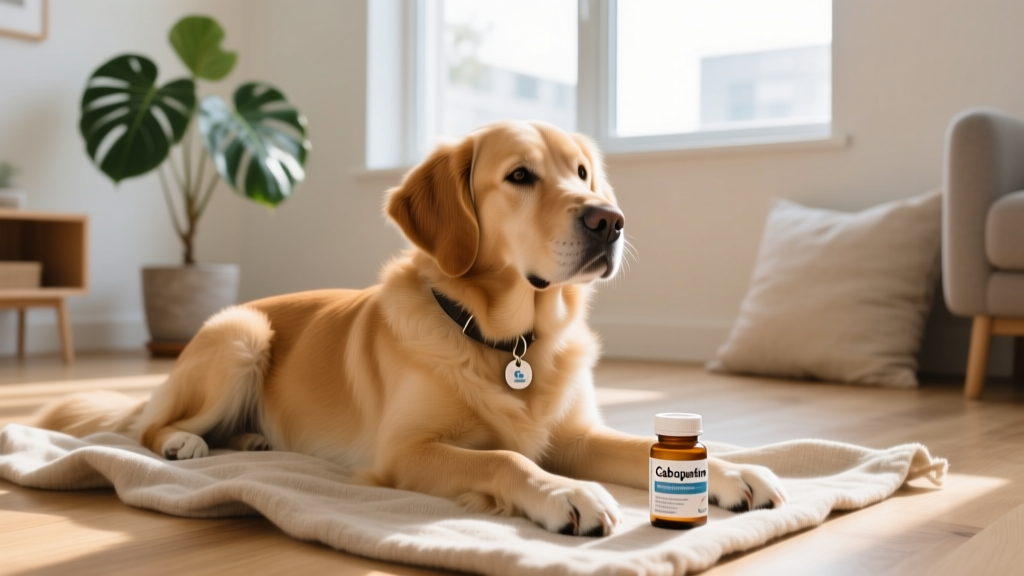
What Is Gabapentin and Why Do Vets Prescribe It?
Gabapentin is a synthetic amino acid analogue originally developed as an anticonvulsant for human epilepsy. In veterinary medicine, it has become one of the most widely prescribed medications for managing chronic pain, neuropathic conditions, and situational anxiety in dogs. While the FDA has not formally approved gabapentin for veterinary use, it is legally prescribed under the Animal Medicinal Drug Use Clarification Act (AMDUCA) as an off-label medication — a standard and accepted practice in veterinary medicine.
Board-certified veterinary neurologists and pain management specialists consider gabapentin a first-line therapy for nerve-related pain, and it is a core component of multimodal pain protocols recommended by the International Veterinary Academy of Pain Management. Its popularity has surged because it offers meaningful relief with a relatively favorable safety profile compared to older alternatives like opioids or long-term NSAID use.
How Gabapentin Works in Dogs
Gabapentin is classified as a gamma-aminobutyric acid (GABA) analogue, though it does not actually bind to GABA receptors. Instead, it binds to the alpha-2-delta (α2δ) subunit of voltage-gated calcium channels in the central nervous system. This binding reduces the release of excitatory neurotransmitters — specifically glutamate, substance P, and norepinephrine — that transmit pain signals and drive seizure activity.
In practical terms: gabapentin turns down the "volume" on nerve signals. For a dog with a herniated disc pressing on spinal nerves, gabapentin reduces the abnormal firing of those compressed nerves. For an anxious dog heading to the vet, it dampens the neural hyperarousal that fuels fear responses.
FDA-Approved Uses vs. Common Off-Label Prescriptions
Understanding the regulatory landscape helps you have better conversations with your veterinarian. Here is how gabapentin is actually used in canine practice:
| Use Category | Specific Application | Regulatory Status | Evidence Strength |
|---|---|---|---|
| Seizure control (adjunct) | Added to phenobarbital or potassium bromide for refractory epilepsy | Off-label (AMDUCA) | Moderate — multiple clinical studies |
| Neuropathic pain | IVDD, diabetic neuropathy, nerve injury, post-amputation pain | Off-label (AMDUCA) | Moderate — supported by pain management guidelines |
| Chronic musculoskeletal pain | Osteoarthritis, hip dysplasia, as part of multimodal protocol | Off-label (AMDUCA) | Moderate — widely used in combination therapy |
| Situational anxiety | Vet visits, thunderstorms, fireworks, travel | Off-label (AMDUCA) | Emerging — growing clinical experience, limited controlled studies |
| Post-surgical pain | Part of multimodal analgesia after orthopedic or soft tissue surgery | Off-label (AMDUCA) | Moderate — standard in veterinary anesthesia protocols |
According to the Merck Veterinary Manual, gabapentin's anticonvulsant properties are well-documented, though its analgesic and anxiolytic applications have expanded significantly in clinical practice over the past decade.
Gabapentin Dosage for Dogs by Condition and Weight
Dosing gabapentin is not one-size-fits-all. Your veterinarian will calculate a precise dose based on your dog's weight, the condition being treated, kidney function, and concurrent medications. The ranges below reflect published veterinary pharmacology references and typical clinical practice — they are for educational reference only and must never replace your veterinarian's specific prescription.
| Condition | Dosage Range | Frequency | Typical Duration |
|---|---|---|---|
| Neuropathic / chronic pain | 5–10 mg/kg (2.3–4.5 mg/lb) | Every 8–12 hours | Long-term; re-evaluated every 3–6 months |
| Seizure adjunct therapy | 10–20 mg/kg (4.5–9 mg/lb) | Every 8 hours | Long-term; may require dose titration |
| Situational anxiety (vet visits) | 10–20 mg/kg (4.5–9 mg/lb) | Single dose 1.5–2 hours before event; some protocols add a dose the night before | Single event or short-term use |
| Post-surgical pain | 5–10 mg/kg (2.3–4.5 mg/lb) | Every 8–12 hours | 5–14 days, then taper |
Weight-based example: A 50 lb (22.7 kg) Labrador prescribed gabapentin for arthritis pain at 10 mg/kg would receive approximately 227 mg per dose, given every 8–12 hours. Since gabapentin commonly comes in 100 mg and 300 mg capsules, your vet may prescribe 200 mg (two 100 mg capsules) or 300 mg per dose depending on clinical judgment and available formulations.
Available Formulations
- Capsules: 100 mg, 300 mg, 400 mg — most common for medium to large dogs
- Tablets: 100 mg, 300 mg, 600 mg, 800 mg — can be split if scored
- Oral solution: Typically 50 mg/mL or 250 mg/5 mL — useful for small dogs and cats; must be xylitol-free
- Compounded formulations: Chew treats, transdermal gels, or flavored suspensions — available through veterinary compounding pharmacies when commercial forms don't fit
How to Administer Gabapentin to Your Dog
Gabapentin can be given with or without food. If your dog experiences stomach upset (vomiting, decreased appetite), giving the dose with a small meal usually resolves the issue.
Practical Administration Tips
- Capsule hiding: Insert the capsule into a pill pocket (Greenies Pill Pockets work well), a small piece of cheese, or a dab of peanut butter (xylitol-free only).
- Liquid dosing: Use the oral syringe provided by your pharmacy. Aim the syringe toward the cheek pouch, not the back of the throat, to reduce aspiration risk.
- Timing consistency: For chronic pain or seizure control, give doses at evenly spaced intervals (every 8 or 12 hours as prescribed). Setting phone alarms helps maintain therapeutic blood levels.
- Do not crush capsules without asking your pharmacist — some capsule formulations are designed for specific release profiles.
Tapering and Discontinuation
Never stop gabapentin abruptly, especially if your dog has been on it for seizure management. Sudden withdrawal can trigger rebound seizures or increased pain sensitivity. Your veterinarian will provide a tapering schedule — typically reducing the dose by 25–50% every 5–7 days over a 2–3 week period.
Side Effects: What to Expect and When to Worry
Gabapentin is generally well-tolerated, but like all medications, side effects can occur. Most are mild and self-limiting, resolving within the first few days as your dog's body adjusts.
| Side Effect | Estimated Frequency | Typical Onset | Severity |
|---|---|---|---|
| Sedation / drowsiness | Very common (20–40% of dogs) | 1–2 hours after dose | Mild — usually improves within 3–5 days |
| Ataxia (wobbliness, stumbling) | Common (15–25%) | 1–3 hours after dose | Mild to moderate — manage with non-slip surfaces |
| Gastrointestinal upset (vomiting, diarrhea) | Occasional (5–10%) | Within hours of dosing | Mild — often resolves with food administration |
| Decreased appetite | Occasional (5–8%) | First few days of treatment | Mild — monitor hydration |
| Behavioral changes (hyperactivity or increased anxiety) | Rare (2–5%) | Variable | Mild — paradoxical reaction; notify vet |
| Severe sedation / inability to stand | Uncommon (1–3%) | Usually with overdose or drug interaction | Moderate to serious — contact vet |
| Respiratory depression | Very rare (<1%) | Usually with overdose or opioid co-administration | Emergency — seek immediate care |
🚨 When to Call Your Vet Immediately
- Your dog cannot stand or walk after a dose
- Labored or abnormally slow breathing
- Loss of consciousness or unresponsiveness
- Seizures in a dog NOT being treated for epilepsy
- Vomiting that persists beyond 24 hours or contains blood
- Facial swelling, hives, or difficulty breathing (signs of allergic reaction)
- You suspect an overdose or your dog ingested another pet's medication
ASPCA Animal Poison Control: (888) 426-4435 (24/7, consultation fee applies)
Pet Poison Helpline: (855) 764-7661
Managing Ataxia at Home
Wobbliness is the most distressing side effect for owners to watch, but it is rarely dangerous on its own. Practical steps:
- Place yoga mats or non-slip rugs on hardwood and tile floors
- Block access to stairs using baby gates during peak drug-effect hours
- Use a sling or towel under the belly to assist with standing and outdoor potty breaks
- Keep food and water bowls on the floor level — avoid elevated feeders while ataxia is present
Contraindications and Drug Interactions
Dogs Who Should NOT Receive Gabapentin (or Need Adjusted Dosing)
- Severe kidney disease (IRIS Stage 3–4): Gabapentin is eliminated almost entirely by the kidneys. Dogs with significantly reduced glomerular filtration rate (GFR) require dose reductions of 50–75% and extended dosing intervals (every 12–24 hours instead of every 8 hours). Your vet will base adjustments on bloodwork — specifically BUN, creatinine, and SDMA levels.
- Known hypersensitivity: Dogs with a documented allergic reaction to gabapentin should not receive it again. Cross-reactivity with pregabalin (a related drug) is possible.
- Pregnant or nursing dogs: Gabapentin crosses the placenta and is excreted in milk. Use only if the veterinarian determines benefits outweigh risks — there is limited safety data in breeding dogs.
- Very small puppies: Safety in puppies under 12 weeks has not been well-established. Use is at veterinary discretion.
Critical Drug Interactions
| Concurrent Medication | Interaction Type | Clinical Significance | Veterinary Management |
|---|---|---|---|
| Opioids (tramadol, buprenorphine, methadone) | Additive CNS depression | High — increased sedation and respiratory depression risk | Reduce gabapentin dose by 25–50%; monitor closely post-surgery |
| Other sedatives (trazodone, acepromazine, benzodiazepines) | Additive sedation | Moderate to high | Stagger dosing times; lower individual doses |
| Antacids containing aluminum/magnesium | Reduced gabapentin absorption | Moderate — can decrease gabapentin blood levels by up to 20% | Separate administration by at least 2 hours |
| Phenobarbital | Generally compatible; both used for seizures | Low — often combined intentionally | Standard monitoring for both drugs |
| NSAIDs (carprofen, meloxicam, deracoxib) | No significant direct interaction | Low — commonly combined in multimodal pain plans | Monitor kidney and liver values as part of routine NSAID monitoring |
| Morphine / other mu-opioid agonists | Enhanced analgesic effect | Moderate — synergistic pain relief but additive sedation | Used intentionally in hospital settings; dose adjustments required |
Always provide your veterinarian with a complete medication list — including supplements, over-the-counter products, and flea/tick preventives — before gabapentin is prescribed. Even seemingly benign supplements like CBD oil can interact with gabapentin's sedative effects.
Monitoring, Follow-Up, and Long-Term Use
Gabapentin does not require the intensive blood monitoring that drugs like phenobarbital or NSAIDs demand, but responsible long-term use involves periodic oversight.
Recommended Monitoring Protocol
| Timeframe | Action | Purpose |
|---|---|---|
| 1–2 weeks after starting | Phone or in-person check-in with vet | Assess efficacy, adjust dose, evaluate side effects |
| 1 month | Follow-up exam if dose was adjusted | Confirm therapeutic response and tolerability |
| Every 3–6 months (chronic use) | Physical exam + pain/quality-of-life assessment | Evaluate ongoing need, check for dose creep |
| Every 6–12 months | Blood work (CBC, chemistry panel, SDMA) | Monitor kidney function — critical for dose adjustment in aging dogs |
| Any time symptoms change | Unscheduled vet visit | Address new pain, worsening ataxia, or behavioral changes |
For dogs on gabapentin as a seizure adjunct, your veterinarian may also recommend periodic therapeutic monitoring and seizure diaries to determine whether the dose remains effective as your dog ages or as the underlying condition evolves.
How Long Will My Dog Need Gabapentin?
This depends entirely on the underlying condition:
- Situational anxiety: Single doses or short courses (days to weeks)
- Post-surgical pain: Typically 5–14 days, then tapered off
- Chronic osteoarthritis or IVDD: Often long-term (months to years), with periodic reassessment
- Epilepsy adjunct: Usually lifelong, with dose adjustments as needed
Some dogs with chronic pain can eventually have their gabapentin dose reduced if other pain management strategies (weight loss, physical therapy, joint supplements, acupuncture) are successfully implemented. Never attempt this without veterinary guidance.
Missed Doses and Overdose: What to Do
If You Miss a Dose
Give the missed dose as soon as you remember — unless it is close to the next scheduled dose. If less than 4 hours remain until the next dose, skip the missed dose entirely and resume the regular schedule. Never double a dose to make up for a missed one. Doubling increases the risk of severe sedation and ataxia without meaningfully improving pain control.
If You Suspect an Overdose
Gabapentin has a relatively wide safety margin — the oral LD50 in dogs is extremely high, and fatal overdose from gabapentin alone is rare. However, overdose can cause:
- Profound sedation or inability to wake
- Severe ataxia and loss of coordination
- Vomiting and diarrhea
- Respiratory depression (especially if combined with opioids or other sedatives)
Immediate steps:
- Note the amount ingested and the time of ingestion
- Call your veterinarian or emergency veterinary clinic immediately
- Call ASPCA Animal Poison Control at (888) 426-4435 for guidance
- Do NOT induce vomiting unless specifically instructed by a veterinary professional
- Transport your dog to the nearest emergency clinic if advised — bring the medication bottle with you
Treatment for gabapentin overdose is primarily supportive: IV fluids, monitoring of vital signs, and time. Most dogs recover fully within 24–48 hours with appropriate care.
Cost, Generic Availability, and Where to Fill
One of gabapentin's advantages is its affordability. As a generic medication widely used in human medicine, it is inexpensive and readily available.
| Formulation | Typical Cost Range | Where to Purchase |
|---|---|---|
| 100 mg capsules (count of 60) | $8–$20 | Human pharmacies (Costco, Walmart, CVS), online vet pharmacies (Chewy, 1-800-PetMeds) |
| 300 mg capsules (count of 60) | $10–$25 | Same as above |
| Oral solution (compounded, xylitol-free) | $25–$55 per 60 mL | Compounding pharmacies (e.g., Wedgewood Pharmacy, Roadrunner Pharmacy) |
| Compounded chew treats | $30–$65 per 30 chews | Veterinary compounding pharmacies |
Pro tip: Ask your veterinarian for a written prescription that you can fill at a human pharmacy. Many human pharmacies carry gabapentin at very low cost — Walmart's $4 generic program sometimes includes gabapentin capsules. Just ensure your pharmacist knows the prescription is for a dog and confirms the formulation is xylitol-free if dispensing liquid.
Alternatives to Gabapentin for Dogs
Gabapentin is not the only option for pain, anxiety, or seizure management. Depending on your dog's specific condition, your veterinarian may recommend or combine the following:
| Alternative | Drug Class | Best For | Key Consideration |
|---|---|---|---|
| Pregabalin (Lyrica) | GABA analogue (gabapentinoid) | Neuropathic pain — similar mechanism, longer half-life | More expensive; twice-daily dosing; also prescription-only |
| Amantadine | NMDA receptor antagonist | Chronic pain wind-up; added to NSAID + gabapentin protocols | Often used as third agent in multimodal plans |
| Trazodone | Serotonin antagonist/reuptake inhibitor | Situational anxiety (vet visits, storms) | Less ataxia than gabapentin; often preferred for anxiety-only cases |
| Carprofen / Meloxicam / Deracoxib | NSAIDs | Inflammatory pain (arthritis, post-surgical) | Requires periodic blood work; GI and kidney risk with long-term use |
| Librela (bedinvetmab) | Anti-NGF monoclonal antibody | Osteoarthritis pain — monthly injection | Approved 2023; no daily dosing; newer option with strong clinical evidence |
| Solensia (frunevetmab) | Anti-NGF monoclonal antibody | Osteoarthritis pain (note: Solensia is for cats; Librela is the canine equivalent) | Clarification: Librela is the correct canine product |
| CBD oil (hemp-derived) | Cannabinoid | Mild pain/anxiety — adjunctive use | Limited regulation; discuss with vet; potential drug interactions |
| Physical rehabilitation / acupuncture | Non-pharmacologic | Chronic pain, mobility, post-surgical recovery | Requires certified veterinary rehabilitation therapist or acupuncturist |
Many dogs benefit from a multimodal approach — combining gabapentin with an NSAID, weight management, joint supplements (glucosamine/chondroitin, omega-3 fatty acids), and physical therapy. This strategy often allows lower doses of each individual medication, reducing side effect risk while improving overall pain control.
Frequently Asked Questions
Can I give my dog human gabapentin?
Only if your veterinarian has prescribed it and confirmed the specific formulation is safe. Human gabapentin capsules and tablets are often identical in active ingredient to veterinary prescriptions. However, liquid gabapentin formulations for humans may contain xylitol (sometimes listed as "birch sugar" or "xylitol" on the inactive ingredient list), which causes rapid, potentially fatal hypoglycemia and liver failure in dogs. Always have your vet or pharmacist verify the formulation.
Will gabapentin make my dog sleepy all the time?
Sedation is most pronounced during the first 3–5 days of treatment. Most dogs develop tolerance to the sedative effects while maintaining the pain-relieving benefits. If your dog remains excessively sedated after the first week, your veterinarian may reduce the dose or adjust the dosing schedule — for example, giving a smaller morning dose and a larger evening dose.
Is gabapentin safe for senior dogs?
Yes, gabapentin is commonly prescribed for senior dogs — in fact, they are the most frequent recipients due to arthritis and age-related pain. However, senior dogs are more likely to have declining kidney function, so your vet will typically run baseline bloodwork (specifically checking BUN, creatinine, and SDMA) before starting gabapentin and may prescribe a lower starting dose with slower titration.
How quickly does gabapentin start working?
For situational anxiety, effects begin within 1–2 hours of administration. For chronic pain, some dogs show improvement within the first 24–48 hours, but full therapeutic effect may take 1–2 weeks of consistent dosing as the medication reaches steady-state levels and nerve signaling patterns adjust.
Can gabapentin be used with CBD oil or other supplements?
Potentially, but discuss this with your veterinarian first. CBD oil can have additive sedative effects when combined with gabapentin. Joint supplements like glucosamine, chondroitin, and fish oil generally have no significant interaction with gabapentin and are commonly used alongside it.
My dog seems worse after starting gabapentin — is that normal?
Mild increased wobbliness and sleepiness in the first few days is expected. However, if your dog's pain appears to be worsening, if they develop new symptoms (vomiting, facial swelling, breathing difficulty), or if the ataxia is so severe they cannot eat or go outside to eliminate, contact your veterinarian promptly. Dose adjustment or a switch to an alternative medication may be needed.
Can I stop gabapentin cold turkey?
No. Abruptly discontinuing gabapentin — particularly in dogs being treated for seizures — can cause withdrawal seizures, rebound pain, and heightened anxiety. Always follow your veterinarian's tapering protocol, which typically involves gradual dose reduction over 2–3 weeks.
This article is for educational purposes only and does not replace professional veterinary advice. Always consult your veterinarian before starting, adjusting, or discontinuing any medication for your dog. For medication-specific questions, your veterinarian and licensed veterinary pharmacist are the best resources.
Robin Maitland
All our authors care for dogs every day — read more of their work on the authors page.


