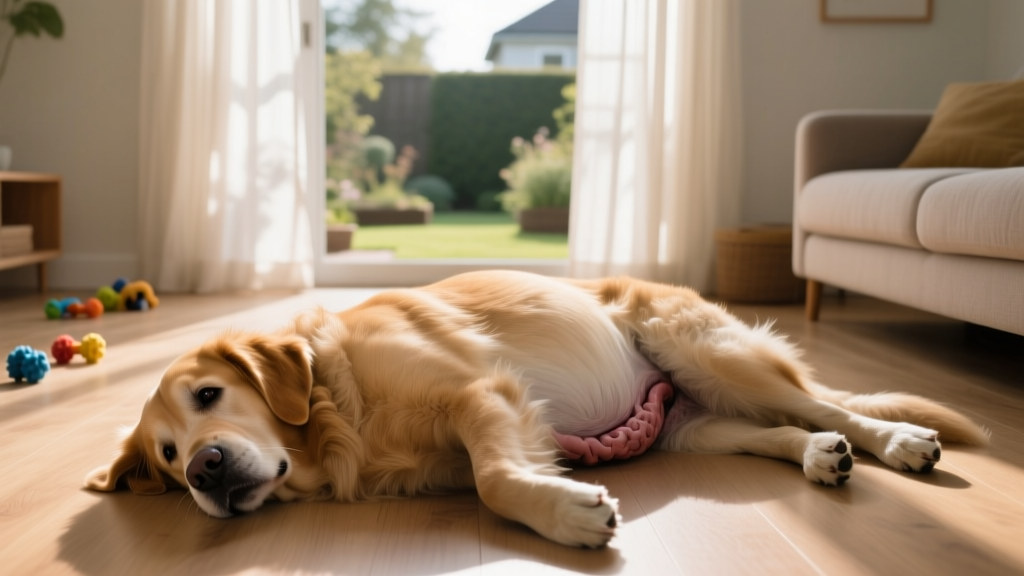
Dog's Nose Dry and Warm: What It Really Means for Your Dog's Health
Is your dog's nose dry and warm? Learn when it's normal, when it signals illness, how to examine and care for your dog's nose, and breed-specific risks.

You've probably heard the old rule: cold, wet nose means a healthy dog; warm, dry nose means trouble. It's one of the most persistent myths in dog ownership — and it's largely wrong. In my years working alongside veterinary professionals, I've seen countless owners rush to emergency clinics because their dog's nose felt warm at 2 PM on a sunny afternoon, only to learn their dog was perfectly fine.
That said, the nose can signal genuine health problems when you know what to look for. This guide breaks down the anatomy, the real meaning behind temperature and moisture changes, and exactly how to monitor and care for your dog's nose.
How a Dog's Nose Actually Works (It's Not Like Yours)
Anatomy Quick Primer: Canine vs. Human Nose
Dogs: The canine nose is a sophisticated olfactory instrument containing up to 300 million olfactory receptors (compared to roughly 6 million in humans). The surface features a hairless, textured area called the rhinarium — the leathery nose leather that's unique to each dog, much like a human fingerprint. The rhinarium is kept moist by a thin layer of mucus secreted by lateral nasal glands and by frequent licking. This moisture isn't just for comfort: it dissolves airborne scent chemicals, allowing the olfactory receptors to detect odors at concentrations 10,000 to 100,000 times lower than humans can perceive, according to the American Kennel Club.
Humans: Our noses are primarily respiratory structures with secondary olfactory function. We don't have a rhinarium, our nasal skin is standard epidermis, and we rely on internal turbinate bones to humidify air rather than external moisture.
Key difference: A dog's nose moisture level is a functional tool for scent detection, not a health thermometer. The nose leather has its own microclimate influenced by ambient temperature, humidity, hydration, activity level, and even how recently the dog licked it.
The rhinarium contains a network of blood vessels close to the surface, which is why nose temperature can shift rapidly. A dog who's been sleeping in a warm bed may have a warm, dry nose simply because they haven't been licking it and their facial blood flow has been relaxed. Within 15 minutes of waking and moving around, it often returns to its typical cool, moist state.
Why Your Dog's Nose Is Dry and Warm: Common Causes
Before jumping to conclusions, understand that dryness and warmth exist on a spectrum. Here's what's typically behind it:
| Condition | Symptoms | Severity |
|---|---|---|
| Normal fluctuation | Dry/warm after sleeping, near heat source, or in low humidity; no other symptoms | None — physiological |
| Dehydration | Dry nose, tacky gums, decreased skin elasticity, sunken eyes, reduced urination | Moderate to severe |
| Sunburn | Red, peeling, or flaky nose leather; more common in pink-nosed breeds | Mild to moderate |
| Nasal hyperkeratosis | Thickened, crusty, horn-like growths on nose surface; may crack and bleed | Chronic, manageable |
| Autoimmune disease (discoid lupus, pemphigus) | Loss of nose pigment, ulceration, crusting, smooth/flat nose leather texture | Serious — requires vet |
| Upper respiratory infection | Warm/dry nose plus nasal discharge, sneezing, coughing, fever (rectal temp >103°F / 39.4°C), lethargy | Moderate — vet visit needed |
| Allergic contact dermatitis | Redness, swelling, itching around nose; often from plastic bowls | Mild — environmental fix |
How to Check Your Dog's Nose: Step-by-Step Home Exam
A proper nose examination takes about 60 seconds and should be done at least once a week. Here's the technique veterinary technicians use, adapted for home:
Weekly Nose Examination Protocol
- Timing matters: Check in the morning before your dog has been active, eating, or sleeping directly against a heat source. The most reliable baseline reading comes when your dog is relaxed and at room temperature (68–72°F / 20–22°C).
- Visual inspection (15 seconds): Face your dog in good lighting. Look for symmetry — both nostrils should appear equal in size. Note the color of the rhinarium (black, brown, pink, or Dudley/spotted). Check for any cracks, scabs, discharge, or loss of the normal cobblestone texture.
- Touch assessment (10 seconds): Gently press the back of your index finger against the nose leather. Note temperature (cool, warm, hot) and moisture (wet, slightly damp, dry). Compare to what's normal for your individual dog — keep a mental baseline.
- Nostril airflow check (15 seconds): Hold a thin tissue or cotton wisp below each nostril. Both should produce equal, gentle airflow. One-sided obstruction or absent airflow on one side warrants a vet visit.
- Surrounding tissue scan (20 seconds): Part the fur around the muzzle. Check for redness, swelling, sores, or color changes on the skin adjacent to the nose. Examine the philtrum (the vertical groove between nostrils) for cracking.
Pro tip: Take a clear, well-lit photo of your dog's nose monthly. This creates a visual record that helps you — and your veterinarian — spot slow-developing changes like pigment loss or texture flattening that are easy to miss day-to-day.
Normal vs. Abnormal: What a Healthy Dog Nose Actually Looks Like
The biggest mistake owners make is comparing their dog's nose to an idealized "normal" that doesn't account for individual variation. Here's a concrete comparison framework:
| Indicator | ✅ Normal / Healthy | ⚠️ Abnormal / Concerning |
|---|---|---|
| Temperature | Cool to slightly warm; fluctuates throughout the day | Consistently hot to the touch; combined with rectal temp >103°F (39.4°C) |
| Moisture | Ranges from damp to temporarily dry; varies by time of day, activity, environment | Chronically dry with cracking, flaking, or peeling skin |
| Texture | Slightly bumpy, cobblestone-like surface; smooth but not glassy | Excessively crusty, thickened, horn-like growths; or abnormally smooth/flat (loss of texture) |
| Color | Black, brown, liver, pink, or spotted — consistent with the dog's genetic pigmentation | Sudden pigment loss (depigmentation); bright red inflammation; white patches |
| Discharge | Clear, thin moisture; occasional clear watery drip in cold weather | Thick yellow/green mucus; bloody discharge; crusty buildup around nostrils |
| Symmetry | Both nostrils equal in size and shape; equal airflow | One nostril swollen, narrowed, or obstructed; asymmetrical growths |
The real fever test: A dog's normal rectal temperature ranges from 101.0°F to 102.5°F (38.3°C–39.2°C), according to the Merck Veterinary Manual. If you suspect fever, use a digital rectal thermometer lubricated with petroleum jelly — not nose temperature. A reading above 103°F (39.4°C) is a genuine fever; above 106°F (41.1°C) is a medical emergency.
How to Clean and Maintain Your Dog's Nose
Most dogs maintain their own nose moisture through licking and natural gland secretions. However, certain situations call for owner-assisted care — particularly in brachycephalic breeds, senior dogs, and dogs living in arid climates.
Nose Care Routine Checklist
- Daily: Wipe away any visible debris or dried mucus with a soft, damp cloth or unscented pet wipe. Use lukewarm water — no soap unless recommended by your vet.
- 2–3 times per week: Apply a pea-sized amount of dog-safe nose balm if your dog is prone to dryness. Massage gently into the rhinarium for 10–15 seconds. Best applied before bedtime when the dog is less likely to immediately lick it off.
- Before sun exposure: Apply dog-specific nose sunscreen (SPF 30+) to pink-nosed or lightly pigmented breeds, 15 minutes before going outside. Reapply every 2 hours during extended outdoor time.
- Seasonal adjustment: In winter or when indoor heating is running (humidity drops below 30%), increase balm application to daily. Consider a room humidifier set to 40–50% humidity in areas where your dog sleeps.
- Monthly: Photograph the nose for your visual health record. Compare to previous month's photo for any texture, color, or symmetry changes.
Recommended Products for Nose Care
Based on veterinary dermatology compatibility and ingredient safety (dogs will lick their noses, so everything must be ingestion-safe):
- Nose balms: Natural Dog Company Snout Soother ($12–$15 for 2 oz) or Musher's Secret Paw & Nose Wax ($15–$18 for 2 oz). Both use beeswax, shea butter, and vitamin E bases. Apply sparingly — a thin film is sufficient.
- Nose sunscreen: Epi-Pet Sunscreen Spray ($14–$17) or Warren London Dog Sunscreen ($10–$13). Look for products specifically labeled as pet-safe and non-toxic if ingested. Never use human sunscreen — zinc oxide is toxic to dogs if licked.
- Cleaning wipes: Earthbath Hypo-Allergenic Wipes ($8–$12 for 35-count) or plain unscented water wipes. Avoid wipes containing alcohol, fragrance, or tea tree oil.
- Humidifier: Any ultrasonic cool-mist humidifier rated for your dog's sleeping area square footage. The Levoit Classic 300S ($45–$55) is a reliable mid-range option with a built-in hygrometer.
When to Call the Vet About Your Dog's Nose
🚨 Call Your Vet If You Notice Any of These Red Flags
- Nose is hot and dry for more than 24 hours alongside lethargy, reduced appetite, or decreased water intake
- Rectal temperature above 103°F (39.4°C) — confirmed with a thermometer, not touch
- Thick, colored discharge (yellow, green, or bloody) from one or both nostrils
- Cracking or bleeding that doesn't heal within 3–5 days of balm application
- Sudden loss of nose pigment — the rhinarium turning from black to pink or white
- Visible growths, lumps, or bumps on or inside the nostril
- Loss of the normal cobblestone texture — nose becoming abnormally smooth or flat
- Sneezing fits, reverse sneezing episodes lasting more than a few minutes, or frequent nose-pawing
- One nostril blocked or producing noticeably less airflow than the other
Emergency (go to ER vet immediately): Bloody nose that doesn't stop within 10 minutes of gentle pressure, facial swelling with difficulty breathing, or collapse with a hot, dry nose.
Important: The information in this guide is educational and should not replace professional veterinary diagnosis. If you're unsure whether your dog's nose changes warrant concern, consult your veterinarian — a quick telehealth photo consult ($25–$50 at most practices in 2026) can save you an unnecessary ER visit or catch something early.
Breeds Most Prone to Nose Problems
Genetic factors, skull shape, and coat pigmentation significantly influence which dogs develop nose issues. Here's a breakdown based on veterinary dermatology data:
| Breed / Type | Primary Nose Concern | Why They're at Risk |
|---|---|---|
| Collies, Shetland Sheepdogs | Discoid lupus erythematosus (DLE) | Autoimmune predisposition; UV light triggers nose inflammation and pigment loss |
| Bulldogs, Pugs, Boston Terriers | Nasal fold dermatitis, chronic dryness | Brachycephalic anatomy creates deep skin folds trapping moisture and bacteria; reduced ability to lick nose effectively |
| German Shepherds, Akitas | Pemphigus foliaceus | Breed-specific autoimmune tendency causing crusting, pustules on nose bridge |
| Cocker Spaniels, Labrador Retrievers | Nasal hyperkeratosis | Genetic tendency for excess keratin production on nose leather, causing thick, horn-like buildup |
| Dalmatians, Bull Terriers, Whippets | Sunburn, squamous cell carcinoma | Light or pink nose pigmentation offers minimal UV protection; prolonged sun exposure increases cancer risk |
| Doberman Pinschers, Rottweilers | Vitiligo (depigmentation) | Genetic predisposition to progressive pigment loss on nose and lips; cosmetic but may signal immune dysfunction |
If you own one of these breeds, your baseline nose care routine should be more proactive — particularly sun protection for pink-nosed breeds and fold cleaning for brachycephalic dogs. The AVMA recommends discussing breed-specific dermatological risks during your annual wellness exam.
Preventing Nose Problems: Practical Strategies
Most nose issues are preventable or manageable with consistent, low-effort habits:
- Switch to stainless steel or ceramic bowls: Plastic food and water bowls harbor bacteria in micro-scratches and can trigger contact dermatitis on the nose and chin. Stainless steel bowls ($8–$15) or ceramic bowls ($12–$20) eliminate this risk entirely. Wash daily in hot, soapy water or dishwasher.
- Maintain indoor humidity at 40–50%: Central heating in winter can drop indoor humidity to 15–20%, which dries out nose leather and airways. A hygrometer ($10–$15) lets you monitor levels. Run a cool-mist humidifier in your dog's primary sleeping area.
- Hydration monitoring: A dog should drink approximately 1 ounce of water per pound of body weight per day (so a 50 lb / 23 kg dog needs roughly 50 oz or 1.5 liters). If your dog's nose is persistently dry, check water intake first. Consider a pet fountain ($25–$45) to encourage drinking — moving water is more appealing to most dogs.
- UV protection for at-risk breeds: Apply dog-safe SPF 30+ sunscreen to pink or lightly pigmented noses before outdoor time between 10 AM and 4 PM. Limit peak-sun exposure when possible.
- Avoid human topical products: Never apply human lotion, petroleum jelly (Vaseline), or medicated ointments to your dog's nose without veterinary guidance. Many contain ingredients toxic when ingested, and dogs will lick their noses.
- Annual vet wellness exams: Your veterinarian should inspect the nose, oral cavity, and nasal passages during routine checkups. This catches early-stage issues like slow pigment changes or minor hyperkeratosis before they become problematic.
Frequently Asked Questions
Can a dog's dry, warm nose mean they have a fever?
Not reliably. Nose temperature fluctuates based on environment, activity, and hydration. The only accurate way to detect fever is with a rectal thermometer. A dog's normal temperature is 101.0–102.5°F (38.3–39.2°C). A reading above 103°F (39.4°C) confirms fever. If your dog has a warm nose and lethargy, appetite loss, or other behavioral changes, take a rectal temperature and contact your vet if it's elevated.
My dog's nose is always dry — is that normal?
For some dogs, yes. Certain breeds and individual dogs naturally have drier noses, especially brachycephalic breeds that can't lick their noses effectively. As long as the nose leather isn't cracking, bleeding, or changing texture/color, a consistently dry nose may simply be your dog's baseline. Regular application of a dog-safe nose balm can help maintain comfort.
Should I put Vaseline on my dog's dry nose?
Veterinary dermatologists generally advise against petroleum jelly (Vaseline) on dog noses. While not acutely toxic in small amounts, it can cause lipoid pneumonia if inhaled into the lungs over time, and it doesn't moisturize — it creates a barrier that can trap existing dryness. Dog-specific nose balms with natural waxes and butters (beeswax, shea butter, coconut oil) are safer and more effective.
My dog's nose changed color from black to pink — should I worry?
Gradual lightening can occur with age (sometimes called "winter nose" or "snow nose" in breeds like Siberian Huskies and Golden Retrievers) and is usually harmless. However, sudden depigmentation — especially with texture changes, ulceration, or smoothness — can indicate discoid lupus or pemphigus, both of which require veterinary diagnosis and treatment. Have it evaluated at your next appointment, or sooner if accompanied by sores.
How often should I apply nose balm?
For maintenance: 2–3 times per week. For active dryness or cracking: daily, preferably at bedtime. Once the nose improves, taper back to maintenance frequency. Over-application can actually soften the nose leather excessively and make it more prone to abrasion.
Can a dry nose be a sign of dehydration?
Yes, but it's not the best indicator. Check your dog's gums — they should feel slick and wet. Tacky or sticky gums are a more reliable dehydration sign. You can also perform a skin tent test: gently lift the skin between the shoulder blades and release. It should snap back immediately. If it returns slowly (over 1–2 seconds), your dog may be dehydrated. Offer fresh water and contact your vet if the dog refuses to drink or shows sunken eyes.
Dr. Hannah Wickes
All our authors care for dogs every day — read more of their work on the authors page.