Dog's Itchy Ears and Head Shaking: Causes, Diagnosis & Treatment
Why is your dog scratching itchy ears and shaking their head? Learn the top causes, vet diagnosis steps, treatment costs, and when to seek urgent care.
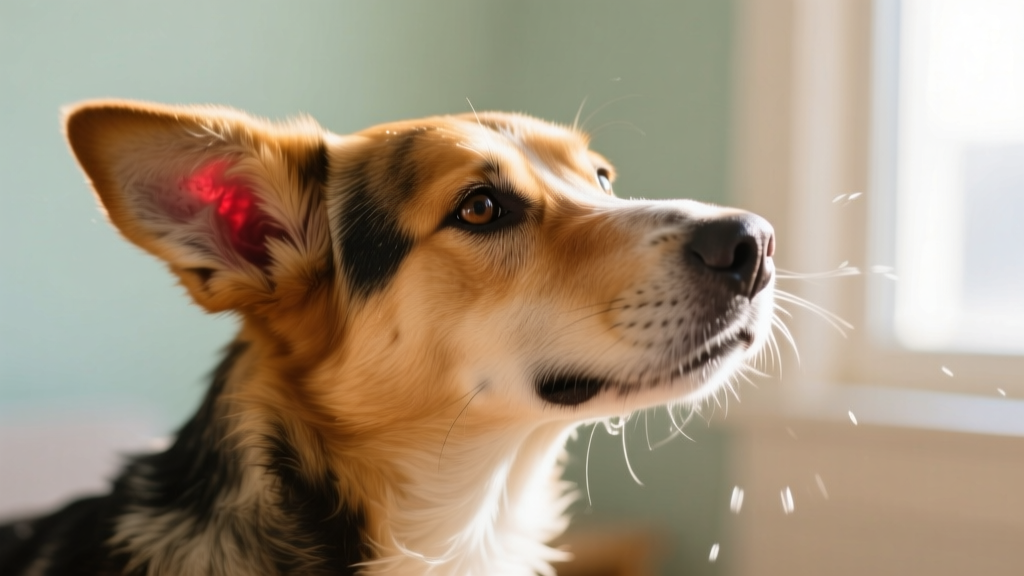
Why Is My Dog Scratching Itchy Ears and Shaking Their Head?
When your dog's itchy ears and head shaking become a constant routine, it signals otitis externa — inflammation of the external ear canal — or one of several underlying conditions driving the discomfort. Otitis externa affects an estimated 20% of dogs at some point in their lives, making it one of the most common reasons for veterinary visits according to the Merck Veterinary Manual. However, ear itching and head shaking can also stem from ear mites, foreign bodies, allergies (food or environmental), yeast overgrowth, bacterial infections, polyps, or even hypothyroidism.
The ear canal in dogs is L-shaped — a vertical canal drops down, then turns horizontally toward the eardrum. This anatomy traps moisture, wax, and debris, creating a warm environment where yeast (Malassezia) and bacteria (Staphylococcus, Pseudomonas) thrive. Left untreated, what starts as mild itching can escalate to chronic thickening of the canal, ruptured eardrums, and middle ear infection (otitis media), which is significantly harder and more expensive to treat.
This guide walks you through what causes your dog's itchy ears and head shaking, how veterinarians diagnose the root problem, what treatment actually costs in 2026, and the red flags that mean you need to call your vet today — not next week.
Symptoms Checklist: From Early Warning Signs to Emergency Red Flags
Not all ear problems look the same. Use this checklist to gauge severity and decide how quickly you need veterinary attention.
| Severity | Symptom | What It Suggests |
|---|---|---|
| Early / Mild | Occasional head shaking (2–5 times per hour) | Mild irritation, early allergy flare, wax buildup |
| Early / Mild | Light scratching at one or both ears | Localized itch from allergens or early yeast |
| Early / Mild | Slight redness inside ear flap (pinna) | Mild inflammation, contact irritation |
| Moderate | Frequent head shaking, visible distress | Active infection or ear mite infestation |
| Moderate | Brown, yellow, or dark discharge | Yeast (brown/black), bacterial (yellow/green), or mite debris (dark, crumbly) |
| Moderate | Foul or sweet-musty odor from ear | Yeast overgrowth (Malassezia) or bacterial infection |
| Moderate | Dog tilts head to one side intermittently | Possible middle ear involvement or foreign body |
| Advanced / Severe | Persistent head tilt (doesn't resolve) | Otitis media, vestibular disease, or eardrum rupture |
| Advanced / Severe | Swollen, hot, or "puffy" ear flap | Aural hematoma — blood blister from vigorous shaking |
| Advanced / Severe | Loss of balance, circling, stumbling | Inner ear involvement, vestibular syndrome |
| Advanced / Severe | Pain when ear is touched, yelping, aggression | Severe infection, canal ulceration, possible eardrum damage |
| Advanced / Severe | Hearing loss or apparent deafness | Canal obstruction, eardrum perforation, or ototoxicity |
If your dog shows any Advanced/Severe symptoms, skip home remedies entirely and contact your veterinarian within 24 hours.
Top Causes Behind Your Dog's Itchy Ears and Head Shaking
Head shaking and ear scratching are symptoms, not diagnoses. Here are the most common underlying causes, ranked roughly by frequency in general veterinary practice:
1. Environmental Allergies (Atopic Dermatitis)
The single most common driver of recurrent ear problems in dogs. Allergens like pollen, dust mites, and mold trigger inflammation in the ear canal skin, disrupting the normal microenvironment and allowing secondary yeast or bacterial overgrowth. According to the American Kennel Club, up to 80% of dogs with atopic dermatitis develop ear inflammation as a primary symptom. Seasonal patterns (worse in spring/fall) are a strong clue.
2. Food Allergies / Adverse Food Reactions
Proteins like chicken, beef, and dairy are common triggers. Food-allergic dogs often have year-round ear issues that don't respond to seasonal allergy treatments. A strict 8–12 week elimination diet trial using a novel protein (rabbit, venison) or hydrolyzed protein diet is the gold-standard diagnostic approach.
3. Yeast Infection (Malassezia Overgrowth)
Malassezia pachydermatis is a normal resident of canine ear canals, but overgrows when the canal environment is disrupted. Produces a characteristic dark brown, waxy discharge with a sweet or musty odor. Almost always secondary to allergies or moisture retention.
4. Bacterial Infection
Common organisms include Staphylococcus pseudintermedius (cocci) and Pseudomonas aeruginosa (rods). Pseudomonas infections are notoriously difficult to treat due to biofilm formation and antibiotic resistance. These produce yellow-green, often purulent discharge and are more painful than yeast infections.
5. Ear Mites (Otodectes cynotis)
Most common in puppies and dogs with exposure to cats or other infested animals. Produces a dark, dry, crumbly discharge often described as "coffee grounds." Intensely itchy. Highly contagious between pets. Less common in adult dogs than many owners assume — if your adult dog has dark ear debris, yeast is statistically more likely.
6. Foreign Bodies
Foxtails, grass awns, and plant material can lodge in the horizontal ear canal. Onset is sudden — your dog will shake their head violently and may yelp. Usually affects only one ear. Common in summer and fall after outdoor activity in grassy areas.
7. Hypothyroidism and Other Endocrine Disorders
Low thyroid hormone levels impair skin barrier function and immune response, leading to recurrent ear infections. Cushing's disease (hyperadrenocorticism) similarly predisposes dogs to chronic ear problems. These are common underlying causes in middle-aged to older dogs with recurrent, treatment-resistant ear infections.
8. Aural Hematoma
Not a cause of ear itching itself, but a consequence. Vigorous head shaking ruptures blood vessels inside the ear flap, creating a fluid-filled swelling. Requires veterinary treatment (surgical drainage or medical management) to prevent permanent "cauliflower ear" deformity.
Risk Factors: Which Dogs Are Most Prone to Ear Problems?
Risk Factors for Canine Ear Disease
| Breed Anatomy | Drop-eared breeds (Cocker Spaniels, Basset Hounds, Springer Spaniels, Labradors, Golden Retrievers) trap moisture and restrict airflow. Poodles and doodle breeds often have hair growing inside the ear canal, which can trap debris. |
| Swimming / Water Exposure | Dogs that swim frequently or are bathed without ear protection introduce moisture that promotes microbial growth. "Swimmer's ear" is common in Labradors, Newfoundlands, and Portuguese Water Dogs. |
| Allergic Predisposition | West Highland White Terriers, French Bulldogs, Boxers, German Shepherds, and Retrievers are overrepresented in atopic dermatitis cases that manifest as ear disease. |
| Age | Puppies: more susceptible to ear mites. Adults (2–7 years): allergies and infections peak. Seniors (8+): endocrine disorders and tumors/polyps become more likely. |
| Environment | Hot, humid climates increase ear infection rates. Multi-pet households increase mite transmission risk. Dogs in grassy/rural areas have higher foreign body exposure. |
| Previous Ear Disease | Dogs with a history of otitis externa are significantly more likely to have recurrences due to permanent canal changes (hyperplasia, stenosis) that impair self-cleaning. |
Breeds Most Commonly Affected
The following breeds are disproportionately represented in veterinary dermatology caseloads for ear disease:
- Cocker Spaniel — heavy, pendulous ears with narrow canals; also predisposed to primary secretory otitis media (PSOM, "glue ear")
- Basset Hound — extremely long ear flaps that drag on the ground
- Shar-Pei — very narrow ear canals from excessive skin folds
- French Bulldog — stenotic ear canals combined with high allergy prevalence
- Labrador & Golden Retriever — active swimmers with drop ears and atopy predisposition
- West Highland White Terrier — one of the most allergy-prone breeds, with ears as a primary target organ
- Poodle / Doodle mixes — hair in ear canals can trap moisture and debris (though routine plucking is now debated among veterinary dermatologists)
How Veterinarians Diagnose the Cause of Itchy Ears
A thorough ear workup goes well beyond "looking inside the ear." Here's what to expect at the appointment, in typical sequence:
Diagnostic Process Flow
- History & Physical Exam ($65–$120 exam fee)
Your vet will ask about onset, duration, seasonality, swimming habits, diet, flea/tick prevention, and prior ear treatments. A full physical exam checks for skin lesions, lymph node enlargement, and other allergy signs. - Otoscopic Examination
Using an otoscope (or video otoscope at specialty clinics), your vet visualizes the ear canal and eardrum. This reveals discharge type, canal swelling, foreign bodies, masses, and whether the tympanic membrane (eardrum) is intact. Sedation may be needed if the ear is too painful — add $50–$150 for mild sedation. - Ear Cytology ($35–$75 per ear)
A sample of discharge is rolled onto a glass slide, stained, and examined under a microscope. This is the most important diagnostic test — it identifies yeast, cocci bacteria, rod bacteria, ear mites, and white blood cells. Results are immediate (same appointment). Your vet uses cytology to choose the correct medication. - Ear Culture & Sensitivity ($120–$250)
Recommended for recurrent infections, rod bacteria on cytology, or failed prior treatments. A swab is sent to a lab to identify the specific bacteria and determine which antibiotics will work. Results take 3–5 business days. - Allergy Testing ($350–$900)
If allergies are suspected as the underlying cause, your vet may recommend serum IgE blood testing or intradermal skin testing (performed by a veterinary dermatologist). These tests identify specific allergens for immunotherapy formulation. - Food Elimination Trial ($80–$200 for prescription diet)
Not a lab test — an 8–12 week strict diet trial using hydrolyzed protein (e.g., Royal Canin Hydrolyzed Protein HP, Hill's z/d) or novel protein. No treats, flavored medications, or table scraps during the trial. - Advanced Imaging — CT/MRI ($1,200–$3,500)
Reserved for suspected middle/inner ear disease, tumors, or when otitis media is suspected but the eardrum can't be visualized due to canal swelling. Usually performed at referral/specialty centers. - Biopsy ($200–$500)
If masses, polyps, or unusual inflammatory conditions are found in the canal. Tissue is sent for histopathology.
For a first-time, uncomplicated ear infection, most dogs only need steps 1–3, with total diagnostic costs of $100–$270 before treatment. Recurrent or complicated cases can push total diagnostic spending to $500–$2,000+ before treatment even begins.
Treatment Options: What Works, What It Costs, and Expected Outcomes
Treatment is always two-pronged: address the active infection AND manage the underlying cause. Treating the infection without addressing allergies, for example, virtually guarantees recurrence.
| Treatment | Used For | Cost Range (2026) | Typical Duration | Success Rate |
|---|---|---|---|---|
| Topical Ear Drops (antibiotic/antifungal/steroid combo) e.g., Osurnia, Claro, Mometamax, Surolan |
Bacterial and/or yeast otitis externa | $25–$85 per tube/applicator | 7–14 days (daily drops) or single-application long-acting (Osurnia, Claro) | 85–95% for first-time, uncomplicated infections |
| Single-Dose Long-Acting Topicals (Claro — florfenicol/terbinafine/mometasone; Osurnia — florfenicol/terbinafine/florfenicol) |
Otitis externa; useful for dogs resistant to daily drops | $60–$130 per ear (applied in clinic) | Single application; lasts 30 days (Claro) or repeated at day 7 (Osurnia) | 88–93% clinical resolution per manufacturer studies |
| Systemic Antibiotics (oral, e.g., cephalexin, enrofloxacin) |
Severe infections, otitis media, or when topical can't reach the canal | $20–$80 per course | 14–28 days minimum; 4–6 weeks for otitis media | 70–85%; depends on culture results and compliance |
| Systemic Antifungals (oral ketoconazole, itraconazole) |
Severe/refractory yeast infections | $30–$120 per course | 3–6 weeks | 80–90% with concurrent topical therapy |
| Ear Mite Treatment (topical selamectin/Revolution, oral isoxazolines) |
Otodectes cynotis infestation | $25–$65 per dose | 1–2 doses, 2–4 weeks apart; treat all household pets | 95%+ with isoxazolines (Bravecto, NexGard, Revolution Plus) |
| Allergy Management (Apoquel, Cytopoint, immunotherapy) |
Atopic dermatitis-driven ear disease | Apoquel: $45–$130/month Cytopoint: $65–$150/injection (every 4–8 weeks) Immunotherapy: $250–$600/year |
Often lifelong management | Cytopoint: ~75% response rate Apoquel: ~80% response Immunotherapy: 60–70% significant improvement |
| Ear Canal Ablation / TECA-BO (Total Ear Canal Ablation with Bulla Osteotomy) |
End-stage, irreversible canal stenosis; chronic otitis media unresponsive to medical management | $2,500–$5,500 per ear (specialty surgery) | Single surgery; 2–4 week recovery | 90–95% resolution of infection; some risk of facial nerve damage (5–10%) or persistent drainage |
| Aural Hematoma Repair (surgical drainage with sutures or medical aspiration) |
Hematoma secondary to head shaking | $300–$1,200 (surgical); $100–$300 (aspiration, higher recurrence) | Surgery: 10–14 day suture removal Aspiration: may need 2–3 sessions |
Surgical: 90%+ success Aspiration: 50–60% recurrence rate |
Prognosis by Severity Stage
| Stage | Description | Prognosis | Expected Outcome |
|---|---|---|---|
| Acute, First Episode | Mild inflammation, intact eardrum, responsive to topical therapy | Excellent | Full resolution in 7–14 days. No lasting damage if underlying cause is identified. |
| Recurrent (3+ episodes/year) | Canal thickening beginning, allergies not yet controlled | Good with management | Infections resolve but will recur without addressing root cause. Lifelong allergy management often needed. Annual cost: $400–$1,500. |
| Chronic with Canal Changes | Canal stenosis, hyperplasia, calcification; possible eardrum damage | Guarded | Medical management may control but not cure. Surgery (TECA-BO) may eventually be needed. Hearing may be affected. |
| Otitis Media/Interna | Middle or inner ear infection; eardrum ruptured or vestibular signs | Fair to Guarded | Aggressive systemic antibiotics (4–8 weeks). Some dogs have permanent head tilt or balance deficits. Full recovery possible with early, aggressive treatment. |
Life expectancy: Ear disease itself is not fatal. Dogs with well-managed chronic ear disease have a normal life expectancy. The exception is when severe otitis interna leads to meningitis or brainstem extension — extremely rare but life-threatening. The bigger quality-of-life concern is chronic pain and discomfort, which is why early, aggressive treatment matters.
Home Care, Maintenance, and Prevention Strategies
Once the active infection is treated, ongoing maintenance is what prevents recurrence. Here's a practical home care protocol:
Ear Cleaning Protocol
- Frequency: Clean ears every 1–2 weeks for prone breeds, or as directed by your vet. Over-cleaning (daily) can irritate the canal and make things worse.
- Product: Use a veterinary-formulated ear cleaner — common effective options include Epi-Otic Advanced (Virbac), TrizUltra (Dechra), or Oticlens (Zoetis). Expect to pay $15–$30 per bottle, which lasts 2–4 months.
- Technique: Fill the ear canal with cleaner (don't be stingy — the canal holds more than you think). Massage the base of the ear for 20–30 seconds until you hear a "squishing" sound. Let your dog shake their head. Wipe away loosened debris from the visible ear flap and canal opening with cotton balls or gauze squares. Never use Q-tips/cotton swabs inside the canal — they push debris deeper and risk eardrum damage.
- After Swimming: Clean and dry ears within 30 minutes of any water exposure. Some owners use a drying ear rinse (with isopropyl alcohol and acetic acid) specifically formulated for post-swim use — but never use these on inflamed or infected ears, as they sting.
Allergy Management at Home
- Wipe down after outdoor time: Use unscented hypoallergenic wipes (e.g., Earthbath Grooming Wipes) to remove pollen from ear flaps and face.
- Omega-3 supplementation: Fish oil at 20–55 mg EPA+DHA per kg body weight daily supports skin barrier function. Veterinary-formulated products like Welactin (Nutramax) or Nordic Naturals Omega-3 Pet provide standardized dosing.
- Environmental control: Wash bedding weekly in hot water (130°F / 54°C) to reduce dust mites. Use HEPA air filtration in rooms where your dog spends the most time.
Prevention Checklist
- ✅ Keep up with monthly flea/tick/heartworm prevention — many isoxazoline products (Simparica Trio, NexGard) also treat/prevent ear mites
- ✅ Inspect ears weekly — look for redness, discharge, odor, or excessive wax
- ✅ Clean ears on schedule for prone breeds (every 1–2 weeks)
- ✅ Dry ears thoroughly after baths and swimming
- ✅ Address allergies early — don't wait for the third infection of the year to investigate the root cause
- ✅ Feed a complete, balanced diet (AAFCO statement on label) — nutritional deficiencies impair skin immunity
- ✅ Avoid plucking ear hair in poodles/doodles unless specifically recommended by your veterinary dermatologist — current evidence suggests plucking can cause microtrauma and worsen inflammation
Total Cost of Treatment: What to Budget
Ear disease costs add up quickly, especially for recurrent cases. Here's a realistic breakdown based on 2026 US veterinary pricing:
| Scenario | First-Year Cost | Ongoing Annual Cost |
|---|---|---|
| Single, uncomplicated ear infection | $150–$350 (exam + cytology + topical medication) | $0 if resolved; $50–$150 for maintenance cleaner |
| Recurrent infections (3–5 episodes/year) | $500–$1,800 (multiple visits, cultures, allergy workup) | $600–$2,000 (allergy meds + periodic infections + cleaning supplies) |
| Chronic with canal changes, specialist referral | $1,500–$4,000 (dermatology consult, advanced imaging, long-term meds) | $1,000–$3,000 (lifelong allergy management, periodic flares) |
| Worst case: TECA-BO surgery | $3,000–$7,000 (surgery + pre-op imaging + post-op care) | $200–$500 (follow-up, occasional drainage management) |
| Aural hematoma (surgical repair) | $500–$1,800 (surgery + treating underlying ear infection) | Varies — depends on preventing recurrence |
Pet insurance note: Most comprehensive pet insurance policies cover ear infections and related diagnostics. However, if your dog had ear problems before the policy start date, those will likely be classified as a pre-existing condition and excluded. Ear disease is one of the top reasons owners file claims, which is why enrolling puppies early (before their first ear infection) is financially smart. Average monthly premiums for accident-and-illness policies range from $35–$70/month for dogs in 2026.
🚨 When to Call Your Vet Immediately
Seek veterinary attention within 24 hours if your dog exhibits any of the following:
- Head tilt that doesn't resolve within a few hours
- Loss of balance, stumbling, or walking in circles
- Rapid, involuntary eye movements (nystagmus)
- Swollen, balloon-like ear flap (aural hematoma)
- Bleeding from the ear canal
- Extreme pain — yelping, snapping, or refusing to let you near the ear
- Fever (normal canine temperature: 101–102.5°F / 38.3–39.2°C)
- Lethargy, loss of appetite, or vomiting alongside ear symptoms
- Sudden apparent hearing loss
- Facial asymmetry or drooping (possible facial nerve involvement)
These signs suggest middle/inner ear involvement, eardrum rupture, or systemic illness that requires professional diagnosis and treatment. Do not attempt home remedies when these symptoms are present.
Frequently Asked Questions
What is the most common cause of a dog's itchy ears and head shaking?
Environmental allergies (atopic dermatitis) are the single most common underlying cause. Allergies inflame the ear canal skin, which then creates conditions for secondary yeast or bacterial infections. The allergy is the fire; the infection is the smoke. Treating only the infection without managing the allergy leads to a frustrating cycle of recurrence.
Can I use over-the-counter ear drops from the pet store?
OTC ear cleaners (not medicated drops) are fine for routine maintenance cleaning. However, OTC "ear mite" treatments and medicated drops sold without a prescription are generally less effective than veterinary-prescribed products and may contain ingredients that are irritating or inappropriate for your dog's specific condition. More critically, using ear drops on a ruptured eardrum can cause permanent hearing damage (ototoxicity). Your vet needs to confirm the eardrum is intact before any medication goes into the canal.
How quickly should my dog's ear infection improve with treatment?
Most uncomplicated infections show noticeable improvement within 3–5 days of starting appropriate topical medication. The ear should look less red, produce less discharge, and your dog should shake their head less frequently. If there's no improvement after 5–7 days of consistent treatment, contact your vet — the organism may be resistant, the eardrum may be compromised, or the diagnosis may need revision.
Is hydrogen peroxide or vinegar safe for cleaning my dog's ears?
No. Hydrogen peroxide damages healthy tissue and delays healing. Vinegar (acetic acid) solutions can be appropriate in specific dilutions for certain conditions, but using kitchen vinegar at unknown concentrations risks chemical burns on inflamed tissue. Stick with veterinary-formulated ear cleaners that are pH-balanced for the canine ear canal and contain appropriate surfactants and drying agents.
My dog keeps getting ear infections — should I see a specialist?
If your dog has had three or more ear infections in 12 months, ask your primary veterinarian about a referral to a board-certified veterinary dermatologist (DACVD). These specialists have advanced training in allergy testing, immunotherapy formulation, and managing chronic ear disease. They can also perform video otoscopy, which provides magnified visualization of the entire canal and eardrum. A dermatology consultation typically costs $250–$450 for the initial visit, which is often less expensive than years of recurrent infection treatment.
Can ear mites spread to humans or other pets?
Otodectes cynotis is highly contagious between dogs and cats in the same household — all pets should be treated simultaneously. However, ear mites rarely infest humans (they're species-preferring, not species-specific). If one pet in your household is diagnosed with ear mites, treat every dog and cat, wash all bedding in hot water, and vacuum thoroughly. Your vet can recommend an appropriate product — many modern isoxazoline flea/tick preventives (NexGard, Bravecto, Simparica) also cover ear mites.
What's the difference between an ear infection and ear mites?
Both cause itching and head shaking, but the discharge differs. Ear mites produce a dark, dry, crumbly discharge resembling coffee grounds, and are most common in puppies or dogs exposed to cats. Yeast infections produce a brown, waxy, moist discharge with a sweet/musty smell. Bacterial infections produce yellow-green, sometimes pus-like discharge. Ear cytology (a quick microscope test your vet performs in-office) is the only reliable way to tell them apart and choose the correct treatment.
Sources consulted for this guide: Merck Veterinary Manual — Otitis Externa and Media in Dogs; American Kennel Club — Dog Ear Infections; AVMA — Taking Care of Your Pet's Ears.
Anouk Beaumont
All our authors care for dogs every day — read more of their work on the authors page.


