Causes, Diagnosis, and Treatment Guide
Why do dogs have diarrhea and vomiting?

Seeing your dog suffer from simultaneous diarrhea and vomiting is one of the most stressful experiences a pet owner can face. While an isolated episode of either symptom might resolve on its own, dogs that have diarrhea and vomiting together are often dealing with a condition that requires prompt veterinary attention. Gastroenteritis — inflammation of the stomach and intestines — is the most common underlying diagnosis, but the causes range from simple dietary indiscretion to life-threatening conditions like parvovirus, intestinal blockages, or hemorrhagic gastroenteritis (HGE).
According to the Merck Veterinary Manual, acute gastrointestinal signs account for a significant percentage of emergency veterinary visits each year. Understanding what's driving your dog's symptoms — and knowing when to act fast versus when to monitor at home — can mean the difference between a quick recovery and a critical outcome.
This guide covers every angle: what causes concurrent vomiting and diarrhea, how veterinarians diagnose the underlying condition, realistic treatment costs, and the red-flag symptoms that mean you need to head to the emergency clinic immediately.
What Causes Diarrhea and Vomiting in Dogs?
When dogs have diarrhea and vomiting at the same time, veterinarians think in categories. The causes fall into two broad groups: gastrointestinal (GI) causes originating within the digestive tract, and systemic causes where another organ system triggers GI symptoms secondarily.
Common Gastrointestinal Causes
- Dietary indiscretion — eating garbage, table scraps, spoiled food, or foreign objects. This is the single most common cause of acute vomiting and diarrhea in dogs.
- Infectious agents — parvovirus (especially in unvaccinated puppies), coronavirus, rotavirus, Clostridium perfringens, Salmonella, Campylobacter, and parasites like Giardia, Coccidia, and roundworms.
- Hemorrhagic gastroenteritis (HGE) — also called acute hemorrhagic diarrhea syndrome (AHDS), this sudden-onset condition produces bloody, raspberry-jam-like diarrhea with vomiting and can cause fatal dehydration within hours.
- Foreign body obstruction — swallowed toys, socks, bones, or corn cobs can create a physical blockage, causing repeated vomiting and eventually diarrhea or absence of stool.
- Inflammatory bowel disease (IBD) — chronic immune-mediated inflammation of the GI tract causing recurrent episodes.
- Toxin ingestion — chocolate, xylitol, rodenticides, toxic plants, and human medications can all trigger GI distress alongside neurological or organ-specific symptoms.
Systemic (Non-GI) Causes
- Pancreatitis — inflammation of the pancreas, often triggered by high-fat meals, particularly common in Miniature Schnauzers, Cocker Spaniels, and Yorkshire Terriers.
- Kidney disease — acute or chronic renal failure causes toxin buildup leading to nausea, vomiting, and secondary GI upset.
- Liver disease — hepatic insufficiency produces similar toxin-accumulation symptoms.
- Addison's disease (hypoadrenocorticism) — an endocrine disorder causing intermittent vomiting, diarrhea, weakness, and collapse, especially in Standard Poodles, Portuguese Water Dogs, and Great Danes.
- Pyometra — a life-threatening uterine infection in intact females that can present with GI signs before other symptoms become obvious.
Recognizing the Symptoms: Early Warning Signs vs. Advanced Disease
Not all vomiting and diarrhea carry the same urgency. The following checklist helps you assess where your dog falls on the severity spectrum. Track these carefully — your veterinarian will ask detailed questions about onset, frequency, and appearance.
| Severity Level | Vomiting Signs | Diarrhea Signs | Systemic Signs |
|---|---|---|---|
| Mild (Monitor at Home) | 1-2 episodes of vomiting, food or clear liquid, dog remains alert and willing to drink water | Soft to loose stool, normal color (brown/tan), 1-3 episodes, no blood or mucus | Normal energy, normal gum color (pink), normal appetite within 12-24 hours |
| Moderate (Vet Visit Within 24 Hours) | 3-5 episodes over 12 hours, yellow/green bile present, retching between episodes, reduced water intake | Watery stool, increased frequency (4+ episodes), small amounts of mucus or fresh red blood streaks, foul odor | Lethargy, mild dehydration (tacky gums, slow skin tent), decreased appetite for 24+ hours |
| Severe (Emergency Vet NOW) | Continuous vomiting, unable to keep water down, projectile vomiting, blood (red or coffee-ground appearance) | Profuse bloody diarrhea (red or dark tarry/black), raspberry-jam consistency, complete absence of stool with vomiting | Collapse, pale/white/blue gums, severe abdominal pain (prayer position, guarding), fever over 104°F (40°C), hypothermia under 99°F (37.2°C), bloated/distended abdomen |
A key detail many owners miss: the color and content of vomit and stool provide critical diagnostic clues. Coffee-ground vomit suggests digested blood from the stomach. Bright red blood in stool (hematochezia) typically originates from the colon or rectum, while dark, tarry stool (melena) indicates bleeding higher in the GI tract. Report these specifics to your veterinarian.
Risk Factors: Which Dogs Are Most Vulnerable?
Risk Factor Profile
Age: Puppies under 6 months and senior dogs over 10 years face the highest risk of severe complications from vomiting and diarrhea due to weaker immune systems and reduced fluid reserves.
Breed Predispositions:
- Parvovirus susceptibility: Rottweilers, Doberman Pinschers, American Pit Bull Terriers, and German Shepherds show higher parvovirus severity rates
- HGE/AHDS predisposition: Miniature and Toy Poodles, Yorkshire Terriers, Miniature Schnauzers, and Cavalier King Charles Spaniels
- Pancreatitis risk: Miniature Schnauzers (genetic hyperlipidemia), Cocker Spaniels, Yorkshire Terriers, and Dachshunds
- IBD predisposition: German Shepherds, Boxers, Shar-Peis, and Basenjis
- Foreign body risk: Labrador Retrievers, Golden Retrievers, and other indiscriminate eaters
Weight: Small-breed dogs (under 20 lb / 9 kg) dehydrate significantly faster than large breeds — a Chihuahua with vomiting and diarrhea can become critically dehydrated in 6-8 hours.
Environment: Dogs with access to garbage, compost, standing water, or areas with wildlife feces face elevated infectious and toxin exposure risks. Dogs in shelters, boarding facilities, and dog parks face higher parvovirus and Giardia exposure.
Vaccination Status: Unvaccinated or incompletely vaccinated dogs are at dramatically elevated risk for parvovirus, which carries a mortality rate of up to 91% without treatment.
How Veterinarians Diagnose the Underlying Cause
Because dozens of conditions produce vomiting and diarrhea in dogs, your veterinarian will follow a systematic diagnostic approach. The extent of testing depends on your dog's age, vaccination history, symptom severity, and physical exam findings.
Step 1: History and Physical Examination
Your vet will ask about diet changes, access to trash or foreign objects, vaccination status, deworming history, travel, and symptom timeline. The physical exam includes abdominal palpation (checking for pain, masses, or foreign bodies), gum color assessment, skin tent test for dehydration, temperature, heart rate, and listening for abnormal gut sounds.
Step 2: Diagnostic Testing
| Test | What It Detects | Typical Cost Range | Turnaround Time |
|---|---|---|---|
| Fecal flotation & Giardia antigen | Intestinal parasites (roundworms, hookworms, whipworms, Giardia, Coccidia) | $45–$85 | Same day to 48 hours |
| Canine parvovirus snap test | Parvovirus antigen in feces | $50–$90 | 10–15 minutes (in-clinic) |
| Complete blood count (CBC) | Infection, inflammation, anemia, dehydration severity, white blood cell patterns | $80–$150 | Same day to 24 hours |
| Blood chemistry panel | Kidney function (BUN, creatinine), liver enzymes (ALT, ALP), electrolytes, blood sugar, protein levels | $100–$200 | Same day to 24 hours |
| Canine pancreatic lipase (cPL or Spec cPL) | Pancreatitis | $80–$160 | Same day (snap) to 24-48 hours (lab) |
| Abdominal X-rays (2-3 views) | Foreign bodies, intestinal gas patterns, organ enlargement, free fluid, obstruction signs | $200–$400 | Same day |
| Abdominal ultrasound | Intestinal wall thickness, foreign bodies not visible on X-ray, organ architecture, lymph nodes, free fluid | $350–$600 | Same day to 48 hours (specialist referral may take longer) |
| Endoscopy with biopsy | IBD, gastric ulcers, intestinal lymphoma, mucosal damage assessment | $1,200–$2,500 | Procedure same day; histopathology results 5-10 business days |
For a straightforward case of dietary indiscretion, your vet may recommend only a fecal test and parvo snap test (total $95–$175) before initiating supportive care. For a severe or recurrent case, the full diagnostic workup including bloodwork, imaging, and specialized tests can range from $500 to $1,500+ before treatment even begins.
Treatment Options: Medical, Surgical, and Supportive Care
Treatment depends entirely on the underlying cause. Here's how the most common diagnoses are managed:
| Diagnosis | Primary Treatment | Supportive Care | Typical Recovery Time | Success Rate |
|---|---|---|---|---|
| Dietary indiscretion | Fasting 12-24 hours, then bland diet transition; anti-nausea medication (maropitant/Cerenia) | Subcutaneous or IV fluids if dehydrated, probiotics (e.g., Purina FortiFlora or Proviable) | 1–3 days | 95%+ with basic supportive care |
| Parvovirus | Aggressive IV fluid therapy, IV antibiotics (ampicillin or cefazolin), anti-emetics, nutritional support | Hospitalization 3-7 days, isolation protocols, plasma transfusion in severe cases | 5–10 days hospitalized; full recovery 2-3 weeks | 68–92% survival with aggressive treatment (per AVMA); under 10% without treatment |
| HGE / AHDS | Aggressive IV fluid resuscitation, antibiotics (metronidazole or ampicillin-sulbactam), anti-emetics | Hospitalization 1-4 days, monitoring packed cell volume (PCV) and total solids | 2–4 days hospitalized; full recovery within 1 week | 90–95% with prompt treatment; can be fatal within 24 hours if untreated |
| Foreign body obstruction | Surgical removal (enterotomy or gastrotomy) or endoscopic retrieval if accessible | IV fluids, pain management (opioids post-op), antibiotics, gradual diet reintroduction | 3–5 days hospitalized; 2-3 weeks full recovery | 90–96% survival with timely surgery; drops significantly if intestinal perforation occurs |
| Pancreatitis | IV fluids, pain management (buprenorphine or methadone), anti-emetics, low-fat diet long-term | Hospitalization 2-5 days, nutritional support via feeding tube in severe cases | 3–7 days hospitalized; chronic management ongoing | Mild cases: 90%+ survival; severe necrotizing pancreatitis: 50-70% survival |
| Parasites (Giardia, worms) | Targeted dewormer: fenbendazole (Panacur) for Giardia/roundworms, praziquantel for tapeworms | Probiotics, bland diet during treatment, environmental decontamination | 3–10 days of medication; follow-up fecal test at 2-4 weeks | 90%+ with appropriate medication; reinfection common without environmental management |
| IBD (chronic) | Dietary trials (novel protein or hydrolyzed diet), immunosuppressive drugs (prednisone, budesonide, chlorambucil) | Cobalamin (B12) supplementation, probiotics, regular monitoring bloodwork | Lifelong management; initial response seen in 2-8 weeks | Variable — many dogs achieve long-term remission; some are refractory to treatment |
Commonly Prescribed Medications
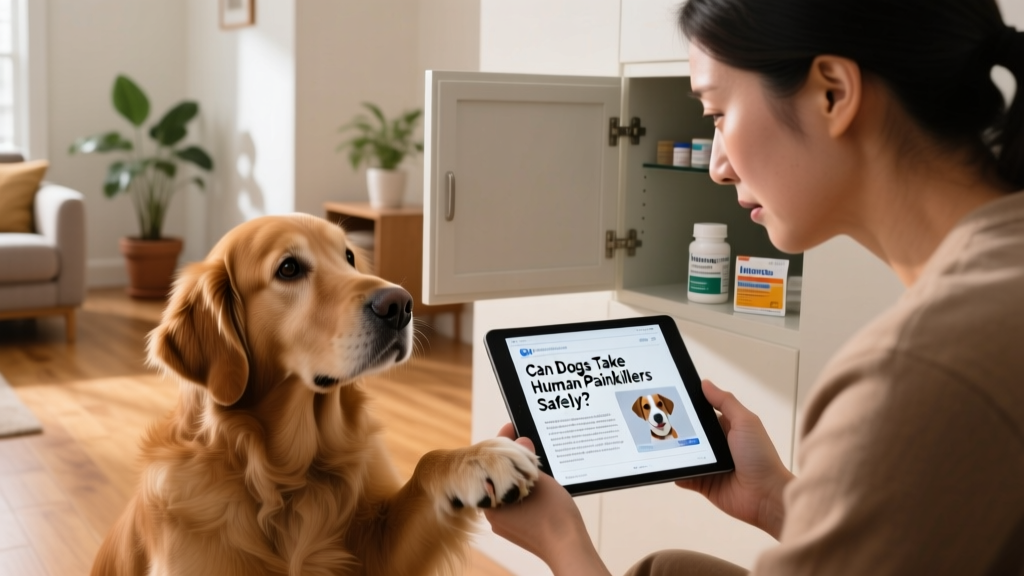
Your veterinarian may prescribe one or more of the following. Never administer human medications to your dog without veterinary guidance — many OTC drugs that are safe for humans are toxic to dogs.
- Maropitant (Cerenia): Anti-emetic that blocks substance P at the neurokinin-1 receptor. Dosed at 1 mg/kg once daily orally or 8 mg/kg subcutaneously. One of the most effective anti-vomiting drugs in veterinary medicine.
- Metronidazole: Antibiotic and anti-inflammatory for the GI tract. Dosed at 10-15 mg/kg twice daily. Used for Giardia, bacterial overgrowth, and inflammatory diarrhea.
- Fenbendazole (Panacur): Broad-spectrum dewormer effective against roundworms, hookworms, whipworms, and Giardia. Dosed at 50 mg/kg once daily for 3-5 days.
- Sucralfate: GI protectant that coats ulcerated or inflamed stomach and intestinal lining. Given as a slurry, 0.5-1g per dose depending on dog size.
- Ondansetron (Zofran): Serotonin antagonist anti-emetic, dosed at 0.1-0.2 mg/kg every 8-12 hours. Particularly effective for nausea originating from the chemoreceptor trigger zone.
Prognosis: What to Expect Based on Severity
| Condition | Mild / Early Stage | Moderate Stage | Severe / Advanced Stage |
|---|---|---|---|
| Dietary indiscretion | Full recovery in 24-48 hours with home management | Full recovery in 2-3 days with vet-supervised supportive care | Rare; if dehydration severe, 1-2 days IV fluids resolves most cases |
| Parvovirus | Early intervention: 85-92% survival with hospitalization | Established infection: 68-80% survival with aggressive treatment | Septic shock/DIC: under 50% survival even with intensive care |
| HGE / AHDS | Caught early: 95%+ survival with fluid therapy | Dehydrated but stable: 90% survival with hospitalization | Hypovolemic shock: 60-75% survival; rapid decline possible within hours |
| Foreign body obstruction | Pre-surgical, no perforation: 95%+ survival | Partial obstruction: 90-95% with timely surgery | Perforation with peritonitis: 50-70% survival; requires extended ICU care |
| Pancreatitis | Mild edematous: 90%+ survival, may recur | Moderate: 80-90% with hospitalization | Necrotizing/systemic: 50-70%; multi-organ failure possible |
For chronic conditions like IBD, prognosis is measured differently — many dogs achieve good quality of life with ongoing management, though complete remission isn't always possible. Life expectancy for dogs with well-managed IBD can be normal, while refractory cases or intestinal lymphoma carry a more guarded long-term prognosis.
Home Care and Management During Recovery
Once your veterinarian has ruled out emergencies and cleared your dog for home management, the following protocol supports recovery:
The Bland Diet Protocol
- Fasting period (if recommended): Withhold food for 12-24 hours to allow the GI tract to rest. Exception: puppies under 6 months, toy breeds, and diabetic dogs should not be fasted without veterinary direction due to hypoglycemia risk.
- Hydration first: Offer small amounts of water or unflavored Pedialyte (1-2 tablespoons every 30 minutes for small dogs, ¼ cup for large dogs). Ice cubes work well for dogs that gulp water and immediately vomit.
- Introduce bland food: Boiled, skinless, boneless chicken breast (or lean ground turkey, boiled and drained of fat) mixed with plain white rice in a 1:2 ratio (one part protein to two parts rice). Feed 1-2 tablespoons every 3-4 hours for small dogs, ¼-½ cup for large dogs.
- Gradual transition: After 2-3 days of normal stool and no vomiting, begin mixing the bland diet with your dog's regular food. Increase the regular food proportion by 25% each day over 4 days.
- Probiotic support: Add a veterinary-formulated probiotic such as Purina FortiFlora ($30-$35 for a 30-day supply) or Nutramax Proviable ($25-$30). These contain specific strains like Enterococcus faecium SF68 that help restore gut flora balance.
Monitoring at Home
Keep a symptom log tracking:
- Number of vomiting and diarrhea episodes per day
- Color, consistency, and presence of blood or mucus in stool
- Water intake (measured in cups or mL)
- Appetite level (refusing food, eating reluctantly, eating normally)
- Energy level on a simple 1-5 scale (1 = won't get up, 5 = normal activity)
- Gum color check twice daily (should be bubble-gum pink; pale, white, yellow, or brick-red are all concerning)
Environmental Management
- Remove access to trash cans, compost, yard debris, and standing water
- Pick up all feces promptly to prevent reinfection with parasites
- Wash food and water bowls daily with hot soapy water
- Restrict access to table scraps and human food entirely during recovery
- Keep your dog away from other dogs' feces on walks (use a short leash)
When to See the Vet: Emergency Red Flags
🚨 Go to the Emergency Vet Immediately If Your Dog Shows:
- Blood in vomit (bright red or dark coffee-ground appearance)
- Bloody diarrhea — especially large volumes, dark tarry stools, or raspberry-jam consistency
- Unable to keep water down for more than 6-8 hours
- Signs of severe pain: hunched back, "prayer position" (front end down, rear end up), whimpering, panting without exercise, guarding the abdomen
- Distended or bloated abdomen — especially combined with unproductive retching (possible GDV/bloat, which is fatal within hours without surgery)
- Known or suspected toxin ingestion — call ASPCA Poison Control at (888) 426-4435 and proceed to emergency vet
- Known or suspected foreign body ingestion (sock, toy, bone, corn cob, string, etc.)
- Unvaccinated puppy with vomiting and diarrhea (parvovirus risk is extremely high)
- Collapse, weakness, or inability to stand
- Pale, white, blue, or brick-red gums
- Fever above 104°F (40°C) or temperature below 99°F (37.2°C)
- No improvement after 24 hours of home management in an adult dog, or 12 hours in a puppy or small-breed dog
When in doubt, call your vet or the nearest emergency clinic. It is always better to have your dog examined and sent home than to wait too long with a condition that progresses rapidly.
How Much Does Treatment Cost?
Costs vary significantly by region, clinic type (general practice vs. emergency/specialty), and severity. Here's a realistic breakdown based on 2026 US veterinary pricing:
| Scenario | Initial Visit & Diagnostics | Treatment | Total Estimated Cost |
|---|---|---|---|
| Mild dietary indiscretion (outpatient) | $75–$150 (exam + fecal test) | $40–$80 (anti-emetic injection, probiotics) | $115–$230 |
| Moderate gastroenteritis (outpatient with fluids) | $150–$350 (exam, bloodwork, fecal, parvo test) | $100–$250 (subcutaneous fluids, injectable medications, take-home meds) | $250–$600 |
| Severe gastroenteritis / HGE (hospitalization 1-3 days) | $300–$600 (full diagnostic panel + imaging) | $800–$2,500 (IV fluids, IV antibiotics, monitoring, repeated labs) | $1,100–$3,100 |
| Parvovirus (hospitalization 5-7 days) | $300–$600 (parvo test, CBC, chemistry, X-rays) | $1,500–$5,000+ (prolonged ICU care, IV medications, possible plasma transfusion) | $1,800–$5,600+ |
| Foreign body surgery | $350–$700 (bloodwork, X-rays, ultrasound) | $2,000–$5,000 (anesthesia, surgery, hospitalization, pain management) | $2,350–$5,700 |
| Chronic IBD workup | $600–$1,500 (bloodwork, imaging, B12/folate levels) | $1,200–$2,500 (endoscopy with biopsies); ongoing medication $50-$200/month | $1,800–$4,000+ (initial); ongoing annual $600–$2,400 |
Pet insurance can significantly offset these costs. Most comprehensive plans cover 70-90% of eligible expenses after deductible. If your dog has a history of GI issues, note that pre-existing condition exclusions may apply — this is why enrolling while your dog is healthy provides the best coverage. Companies like Trupanion, Healthy Paws, and Nationwide offer plans ranging from $30-$80/month depending on breed, age, and coverage level.
Prevention Strategies
While not all cases of vomiting and diarrhea are preventable, you can significantly reduce risk with these measures:
- Vaccination: Keep your dog current on the DHPP vaccine (which covers parvovirus and distemper). Puppies should receive their initial series at 6-8, 10-12, and 14-16 weeks, with a booster at 1 year and then every 3 years per AVMA vaccination guidelines.
- Parasite prevention: Year-round heartworm/intestinal parasite prevention (e.g., Interceptor Plus, Heartgard Plus, or NexGard Combo). Annual fecal exams at wellness visits.
- Dietary consistency: Avoid sudden food changes. When transitioning diets, mix new and old food over 7-10 days, increasing the new food by 10-15% daily.
- Trash and scavenging management: Use dog-proof trash cans, supervise outdoor time, and train a reliable "leave it" cue using positive reinforcement methods.
- Supervise chew toys and bones: Remove small pieces that could be swallowed. Avoid cooked bones entirely (they splinter). Choose appropriately sized, durable chew toys.
- Limit high-fat treats: Especially for pancreatitis-prone breeds. Avoid feeding bacon grease, fatty meat trimmings, or rich holiday foods.
- Toxin-proof your home: Store medications, chocolate, xylitol-containing products (gum, peanut butter, baked goods), rodenticides, and toxic plants out of reach.
- Regular deworming: Even indoor dogs can pick up parasites from shoes, soil, and other animals. Follow your veterinarian's recommended deworming schedule.
Frequently Asked Questions
Can I treat my dog's diarrhea and vomiting at home?
For mild, single-episode symptoms in an otherwise healthy adult dog who is still drinking water and acting normally, a 12-24 hour fast followed by a bland diet may be appropriate. However, you should consult your veterinarian before starting any home treatment, and if symptoms persist beyond 24 hours, worsen, or include any red-flag signs (blood, lethargy, pain), professional veterinary care is essential. Puppies, seniors, and small-breed dogs should always be evaluated by a vet — they dehydrate dangerously fast.
What is the most common cause of vomiting and diarrhea in dogs?
Dietary indiscretion — eating something they shouldn't — is the most common cause of acute vomiting and diarrhea in dogs. This includes garbage, table scraps, rich or fatty foods, foreign objects, and grass or yard debris. In puppies, parvovirus is the most dangerous common cause and requires immediate veterinary attention.
How long does it take for a dog to recover from gastroenteritis?
Most dogs with simple gastroenteritis recover within 1-3 days with appropriate treatment. More severe conditions like HGE typically resolve in 3-5 days with hospitalization. Parvovirus recovery takes 1-3 weeks. Chronic conditions like IBD require ongoing management. If your dog hasn't improved within 48 hours of starting treatment, contact your veterinarian for reassessment.
Should I withhold food from my dog if they're vomiting?
A short fasting period of 12-24 hours can help rest the GI tract in healthy adult dogs. However, never fast puppies under 6 months, toy-breed dogs (Chihuahuas, Yorkshire Terriers, etc.), diabetic dogs, or dogs with known metabolic conditions without veterinary guidance, as they are at risk of dangerous hypoglycemia. Always ensure access to small, frequent amounts of water or electrolyte solution during any fasting period.
Can stress cause vomiting and diarrhea in dogs?
Yes. Stress colitis is a recognized condition in dogs, particularly during boarding, travel, moves, or household changes. Stress-induced GI signs typically present as soft stool with mucus and occasional vomiting. While stress colitis is usually mild and self-limiting, it can mimic more serious conditions, so veterinary evaluation is still recommended if symptoms persist beyond 48 hours or include blood.
Is rice good for dogs with diarrhea?
Plain white rice is a standard component of the veterinary-recommended bland diet because it's easily digestible, low in fiber, and helps firm stool. Brown rice is less ideal during acute GI upset because its higher fiber content can be harder to digest. Rice alone isn't nutritionally complete — it should be paired with a lean protein source (boiled chicken breast or lean ground turkey) and used only as a short-term recovery diet for 2-5 days before transitioning back to regular food.
This article provides educational information and should not replace professional veterinary advice. Always consult your veterinarian for diagnosis and treatment of your dog's specific condition. If your dog is experiencing a medical emergency, contact your nearest emergency veterinary hospital immediately.
Aaron Whyte
All our authors care for dogs every day — read more of their work on the authors page.