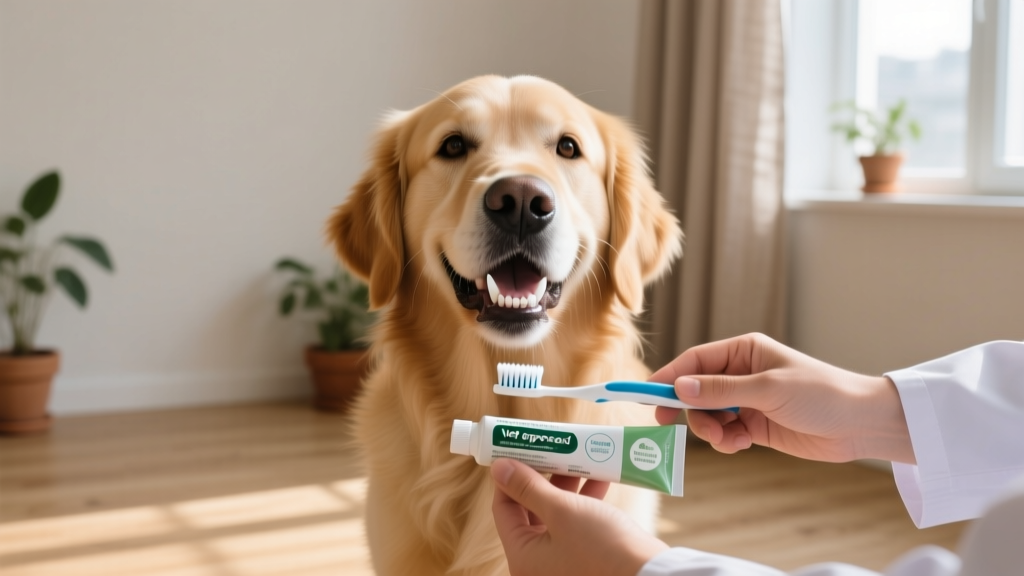
Dogs and Treats: A Complete Nutrition Guide to Safe Snacking in 2026
Learn how to balance dogs and treats in a healthy diet.

Why Treats Matter More Than You Think
Treats are a cornerstone of positive reinforcement training and a daily joy for our dogs — but they're also one of the most common sources of nutritional imbalance. According to the Association for Pet Obesity Prevention, an estimated 59% of dogs in the United States are overweight or obese, and excessive treat calories are a significant, often overlooked contributor.
The good news? You don't have to eliminate treats. You just need a strategy. This guide breaks down exactly how many treat calories your dog can safely consume, which commercial and homemade options deliver the best nutrition, and how to read labels like a veterinary nutritionist. Whether you're managing a puppy's growth, a senior dog's joint health, or an allergy-prone dog's limited-ingredient diet, the framework below will keep treat time both safe and satisfying.
The 10% Rule: Nutritional Requirements and Treat Calorie Limits
Veterinary nutritionists universally recommend the 10% Rule: treats and snacks should never exceed 10% of your dog's total daily caloric intake. The remaining 90% should come from a complete-and-balanced diet that meets AAFCO (Association of American Feed Control Officials) nutrient profiles.
| Dog Weight | Daily Calories (kcal/day) | Max Treat Calories (10%) | Approx. Treat Equivalent |
|---|---|---|---|
| 10 lb / 4.5 kg | 300–350 kcal | 30–35 kcal | 1 small training biscuit + 2 blueberries |
| 25 lb / 11 kg | 575–650 kcal | 57–65 kcal | 2 medium biscuits + 1 baby carrot |
| 50 lb / 23 kg | 900–1,050 kcal | 90–105 kcal | 3–4 medium biscuits or 1 dental chew |
| 75 lb / 34 kg | 1,200–1,400 kcal | 120–140 kcal | 4–5 medium biscuits or 1 large dental chew |
| 100 lb / 45 kg | 1,500–1,700 kcal | 150–170 kcal | 5–6 biscuits or 2 medium dental chews |
Adjustment factors: These numbers assume a moderately active, neutered/spayed adult. Increase daily calories by 20–40% for intact, highly active, or working dogs. Decrease by 10–20% for sedentary, senior, or weight-loss dogs. Always use a body condition score (BCS) to fine-tune — your dog's ribs should be easily felt but not visible, with a visible waist when viewed from above.
Macronutrient Targets for Treats
When evaluating treat nutrition, aim for options that complement — rather than contradict — your dog's main diet:
- Protein: Minimum 18% on a dry-matter basis for adult maintenance (22% for growth/reproduction per AAFCO)
- Fat: Minimum 5.5% for adults; keep treats under 15% fat if your dog is prone to pancreatitis
- Fiber: 2–5% is ideal; higher fiber treats (like pumpkin-based options) support satiety for overweight dogs
- Sodium: Avoid treats exceeding 100 mg per serving for small dogs or those with cardiac conditions
Life Stage and Condition-Specific Treat Guidance
Not all dogs should eat the same treats. Here's how treat selection changes based on your dog's life stage or health condition:
Puppies (8 weeks – 12 months)
Puppies need calorie-dense, high-protein nutrition to support rapid growth. Treats should be small (pea-sized for training), soft for easy chewing, and nutritionally aligned with AAFCO's growth or all life stages profile. Avoid high-calcium treats for large-breed puppies (Great Danes, Mastiffs, German Shepherds) to prevent developmental orthopedic disease — keep calcium content under 1.5% on a dry-matter basis.
Senior Dogs (7+ years, breed-dependent)
Older dogs often have slower metabolisms and may manage comorbidities like kidney disease or arthritis. Choose lower-calorie treats (under 10 kcal each) with joint-supportive ingredients like glucosamine or omega-3 fatty acids. For dogs with chronic kidney disease (CKD), select low-phosphorus treats — aim for under 100 mg phosphorus per serving. Always consult your veterinarian before introducing new treats to a dog with a managed condition.
Dogs with Food Allergies or Sensitivities
Food allergies affect an estimated 1–2% of dogs with allergic skin disease, according to the Merck Veterinary Manual. If your dog is on a limited-ingredient or novel-protein diet (e.g., venison, rabbit, or hydrolyzed protein), treats must match. A single treat containing the allergen (commonly chicken, beef, dairy, or wheat) can trigger a full flare-up, undoing weeks of elimination diet progress.
Weight Management
For overweight dogs, substitute high-calorie commercial biscuits with low-calorie whole foods: blueberries (1 kcal each), green beans (1–2 kcal each), or small apple slices (without seeds — apple seeds contain amygdalin, a cyanide precursor). These provide training motivation without blowing the calorie budget.
How to Read Treat Labels Like a Pro
The pet food industry is regulated by the FDA and state feed control officials, but label marketing can still be misleading. Here's your ingredient analysis guide for evaluating any commercial treat:
What to Look For
- AAFCO statement: While not all treats carry one (many are labeled as "supplemental" or "intermittent feeding"), a complete-and-balanced treat is ideal for frequent use.
- Named protein first: "Chicken," "salmon," or "lamb" — not vague terms like "meat meal" or "animal by-products."
- Guaranteed analysis: Minimum protein, minimum fat, maximum fiber, maximum moisture — all listed as percentages.
- Calorie statement: Reputable brands list kcal per treat or per kg. If calories aren't listed, skip it.
- Country of origin: Look for "Made in the USA" (or your country) with domestically sourced ingredients. Treats sourced from countries with less stringent manufacturing oversight have been linked to contamination events.
Ingredients to Avoid
- Xylitol (birch sugar): Extremely toxic to dogs — even small amounts cause hypoglycemia and liver failure. If ingestion is suspected, call ASPCA Animal Poison Control at (888) 426-4435 immediately.
- Propylene glycol: While FDA-approved for dog food, it's unnecessary in treats and banned in cat food for causing Heinz body anemia.
- Artificial colors (Red 40, Yellow 5, Yellow 6): No nutritional purpose; linked to hypersensitivity in some dogs.
- BHA and BHT: Synthetic preservatives with debated safety profiles. Look for treats preserved with mixed tocopherols (vitamin E) instead.
- Rawhide: Not a food — it's a chemically processed hide that poses choking, intestinal blockage, and contamination risks. Opt for digestible alternatives like bully sticks or yak cheese chews.
- Excess sodium or sugar: Dogs don't need added salt or sweeteners. Treats with sugar, corn syrup, or molasses listed in the top five ingredients contribute to obesity and dental disease.
Top 8 Recommended Treats by Category (2026 Picks)
These selections are based on nutritional analysis, ingredient quality, palatability, and veterinary recommendations. Prices reflect average retail as of early 2026.
1. Best Overall Training Treat: Zuke's Mini Naturals
Price: $6–$9 per 6 oz bag | Calories: ~2 kcal per mini treat
Why: Under 3 calories each, soft and moist for rapid consumption during training sessions. Available in chicken, peanut butter, and salmon recipes. First ingredient is always a named protein. Grain-free and corn-free.
2. Best Limited-Ingredient Treat: Stewart Freeze-Dried Single Ingredient Treats
Price: $10–$15 per 2.5 oz bag | Calories: ~3–5 kcal per piece
Why: 100% single-source protein (beef liver, chicken breast, salmon, etc.) with no fillers, grains, or additives. Ideal for elimination diets and allergy-prone dogs. Freeze-drying preserves nutrients without artificial preservatives.
3. Best Dental Treat: VOHC-Approved Greenies Original
Price: $12–$20 per 27 oz bag | Calories: 90–170 kcal per treat (size-dependent)
Why: Carries the Veterinary Oral Health Council (VOHC) seal, meaning independent testing confirms it reduces tartar by at least 15% and plaque by at least 20%. Choose the correct size for your dog's weight. Note: these are calorie-dense — count them in your 10% budget.
4. Best for Senior Dogs: Cloud Star Tricky Trainers Soft & Chewy
Price: $7–$10 per 8 oz bag | Calories: ~3 kcal per treat
Why: Soft texture is easy for dogs with dental issues. Low calorie. Available in salmon and sweet potato — a novel protein combination suitable for dogs with common protein sensitivities.
5. Best Long-Lasting Chew: Himalayan Dog Chew (Yak Cheese)
Price: $8–$15 per 3-pack | Calories: ~100–180 kcal per chew (size-dependent)
Why: Made from yak milk, cow milk, salt, and lime juice — fully digestible unlike rawhide. Hard texture promotes dental health. Supervise use and remove small end pieces to prevent choking. High in protein (~60%) but also high in fat (~18%), so limit frequency.
6. Best Low-Calorie Option: Whole Food Treats — Blueberries & Green Beans
Price: $2–$5 per pint/bag | Calories: ~1 kcal per blueberry, ~1–2 kcal per green bean
Why: Rich in antioxidants (blueberries) and fiber (green beans). No processing, no additives. Excellent for weight management dogs who need high-volume, low-calorie rewards. Wash thoroughly before serving.
7. Best for Puppies: Wellness Soft Puppy Bites
Price: $6–$9 per 3 oz bag | Calories: ~4 kcal per treat
Why: Formulated to meet AAFCO growth requirements. Soft texture appropriate for developing teeth. Contains DHA from salmon oil to support brain and eye development. First ingredient is deboned chicken or lamb.
8. Best Novel Protein Treat: Native Pet Yak Chews or Rabbit Ears
Price: $12–$22 per pack | Calories: Varies by size
Why: Novel proteins are essential for dogs with common protein allergies. Rabbit ears (air-dried, with or without fur) are highly digestible and naturally low in fat. The fur acts as a natural dewormer by sweeping the intestinal tract — a practice supported by some holistic veterinarians, though evidence is anecdotal.
Safe Homemade Treat Recipes (With Important Warnings)
Homemade treats can be a wonderful way to control exactly what your dog eats — especially for dogs with multiple food allergies. However, there's a critical distinction between treats and complete meals.
⚠️ Important: Homemade treats used intermittently (under 10% of daily calories) are generally safe without veterinary nutritionist approval. However, if you're considering a full homemade diet as your dog's primary nutrition, you MUST consult a board-certified veterinary nutritionist (DACVN or equivalent). Studies published in the Journal of the American Veterinary Medical Association have found that the majority of homemade dog food recipes found online are nutritionally deficient in one or more essential nutrients, including calcium, vitamin D, zinc, and copper.
Recipe 1: Peanut Butter Pumpkin Biscuits
- 1 cup whole wheat flour (substitute oat flour for grain-free)
- ½ cup pure canned pumpkin (NOT pumpkin pie filling — check for xylitol)
- 2 tbsp xylitol-free peanut butter (verify ingredient list — xylitol/birch sugar is lethal to dogs)
- 1 egg
- Mix, roll to ¼ inch, cut shapes, bake at 350°F (177°C) for 20–25 minutes until firm.
- Calories: ~20 kcal per 2-inch biscuit
Recipe 2: Sweet Potato Chews
- 1 large sweet potato, washed and sliced into ¼-inch strips (no peeling needed)
- Place on parchment-lined baking sheet, bake at 250°F (121°C) for 2–3 hours until leathery but not brittle.
- Calories: ~10 kcal per strip
- Rich in beta-carotene and fiber. Store in an airtight container for up to 2 weeks.
Recipe 3: Frozen Yogurt Blueberry Bites
- 1 cup plain, unsweetened Greek yogurt (check for xylitol)
- ½ cup fresh blueberries
- Blend, pour into silicone molds, freeze for 4+ hours.
- Calories: ~8 kcal per bite
- Great for hot weather and enrichment toys. Not suitable for lactose-intolerant dogs.
How Much Should I Feed My Dog? (Feeding Amounts and Treat Adjustments)
Feeding amounts depend on your dog's weight, age, activity level, metabolic rate, and whether they're intact or altered. Here's a practical calculator framework:
| Dog Weight | Daily Kibble (cups)* | Activity Modifier | If Giving Treats, Reduce Kibble By |
|---|---|---|---|
| 10 lb / 4.5 kg | ¾ – 1 cup | +25% for active; -15% for sedentary | ¼ cup per 50 kcal of treats |
| 25 lb / 11 kg | 1½ – 2 cups | +25% for active; -15% for sedentary | ¼ cup per 75 kcal of treats |
| 50 lb / 23 kg | 2½ – 3½ cups | +20% for active; -10% for sedentary | ⅓ cup per 100 kcal of treats |
| 75 lb / 34 kg | 3¼ – 4½ cups | +20% for active; -10% for sedentary | ⅓ cup per 125 kcal of treats |
| 100 lb / 45 kg | 4 – 5½ cups | +15% for active; -10% for sedentary | ½ cup per 150 kcal of treats |
*Based on average kibble at 350–400 kcal/cup. Always check your specific food's calorie density and feeding chart as a starting point, then adjust based on body condition score.
Practical tip: If you use treats heavily during training sessions (e.g., 30+ treats in a session), reduce that day's dinner portion proportionally. Many trainers recommend using a portion of your dog's measured daily kibble as training treats — this eliminates the calorie math entirely.
How to Switch Your Dog to a New Food or Treat
Sudden diet changes are the #1 cause of dietary diarrhea in dogs. When introducing a new food or even a new treat brand, follow a gradual transition protocol:
| Day | Old Food | New Food |
|---|---|---|
| Days 1–2 | 75% | 25% |
| Days 3–4 | 50% | 50% |
| Days 5–6 | 25% | 75% |
| Day 7+ | 0% | 100% |
For dogs with sensitive stomachs: Extend to a 10–14 day transition. If loose stools appear at any stage, hold at the current ratio for an additional 1–2 days before increasing the new food percentage.
For new treats specifically: Introduce one new treat at a time. Give a single piece on day 1, wait 24 hours, and monitor for vomiting, diarrhea, itching, or ear redness. If no reaction occurs, gradually increase the number of treats over 3–4 days. This approach helps you identify the specific treat if an adverse reaction occurs.
Does My Dog Need Supplements?
Most dogs eating a complete-and-balanced commercial diet do not need additional supplements. However, certain situations warrant targeted supplementation:
- Omega-3 fatty acids (EPA/DHA): Beneficial for dogs with skin allergies, arthritis, or cognitive decline. Dose: 50–100 mg combined EPA+DHA per kg of body weight daily. Look for fish oil products with IFOS (International Fish Oil Standards) certification for purity.
- Glucosamine/Chondroitin: For large-breed dogs over 5 years or breeds predisposed to hip dysplasia (German Shepherds, Labrador Retrievers, Golden Retrievers). Dose: 20 mg glucosamine per lb of body weight daily. Products like Dasuquin or Cosequin are veterinary-recommended.
- Probiotics: Useful during diet transitions, after antibiotic courses, or for dogs with chronic GI sensitivity. Look for products with guaranteed CFU counts (minimum 1 billion CFU) and named strains like Enterococcus faecium or Lactobacillus acidophilus. Purina FortiFlora and Proviable are widely recommended.
- Calcium: Only needed for dogs on homemade diets — and only under veterinary nutritionist guidance. Excess calcium in growing large-breed puppies causes skeletal abnormalities.
Important: Never give human supplements to dogs without veterinary approval. Some contain xylitol, vitamin D levels toxic to dogs, or iron doses that can cause organ damage.
Monitoring Success: Is Your Dog's Treat Routine Working?
Track these four indicators monthly to ensure your treat and feeding strategy is on point:
Body Condition Score (BCS)
Use a 1–9 scale (ideal is 4–5). Ribs should be palpable without pressing hard, with a thin fat covering. A visible waist from above and an abdominal tuck from the side indicate healthy weight. If BCS is climbing, reduce treat frequency or switch to lower-calorie options.
Coat and Skin Quality
A shiny, soft coat with minimal flaking indicates adequate fatty acid intake. Dull, brittle fur or excessive shedding may signal that treat calories are displacing essential nutrients from the main diet.
Energy and Behavior
Healthy dogs should have consistent energy throughout the day (breed-dependent). Lethargy may indicate underfeeding; hyperactivity with weight gain may indicate too many high-sugar treats.
Stool Quality
Ideal stools are firm, chocolate-brown, and easy to pick up. Loose, greasy, or unusually voluminous stools may indicate excess fat from treats, a food intolerance, or overfeeding. The Bristol Stool Chart adapted for dogs (available through the Merck Veterinary Manual) is a useful reference.
Frequently Asked Questions
What is the best treat for a dog with allergies?
Single-ingredient, freeze-dried treats using a novel protein your dog hasn't been exposed to — such as rabbit, venison, duck, or kangaroo. Stewart and PureBites both offer reliable single-ingredient lines. Always cross-reference the treat's protein source with your dog's known allergens, and avoid treats with multiple ingredients, fillers, or unnamed "natural flavors."
Can I use my dog's regular kibble as training treats?
Absolutely — and many professional trainers recommend this approach. It simplifies calorie management because the kibble is already measured for your dog's daily needs. For higher-value situations (recall training, vet visits, distraction-heavy environments), reserve a special high-value treat like small pieces of boiled chicken or freeze-dried liver.
Are grain-free treats bad for dogs?
The FDA has investigated a potential link between grain-free diets (specifically those high in peas, lentils, and potatoes) and dilated cardiomyopathy (DCM) in dogs. While the investigation hasn't resulted in a definitive ban, veterinary cardiologists recommend caution. If your dog doesn't have a diagnosed grain allergy (which is rare — true grain allergies affect fewer than 1% of dogs), grain-inclusive treats are generally considered the safer default choice.
How many treats per day is too many?
There's no universal "number" — it depends on the treat's calorie content and your dog's daily budget. A 25 lb dog with a 60 kcal treat budget could have 30 Zuke's Mini Naturals (2 kcal each) or just one Greenie (90+ kcal). Always calculate by calories, not by count.
Can puppies have the same treats as adult dogs?
Not always. Avoid hard chews (antlers, bones, hard nylon) for puppies under 6 months — their developing teeth are more susceptible to fractures. Choose soft, small treats formulated for growth. Ensure any commercial treat meets AAFCO's growth or all-life-stages nutrient profile if it will represent a meaningful portion of a puppy's intake.
My dog begs constantly — is it okay to give treats between meals?
Constant begging is often a learned behavior reinforced by intermittent treat-giving. Instead of random treats, use a consistent schedule: treats during training, one chew after dinner, and a food puzzle toy for mental enrichment. If begging persists, consult a certified force-free trainer (CPDT-KA or equivalent) for counter-conditioning strategies.
What should I do if my dog eats a toxic treat ingredient?
Call ASPCA Animal Poison Control at (888) 426-4435 (24/7, consultation fee applies) or the Pet Poison Helpline at (855) 764-7661. Have the treat packaging ready to read the ingredient list and your dog's approximate weight. Do not induce vomiting unless specifically instructed by a veterinary professional.
Priya Sutaria
All our authors care for dogs every day — read more of their work on the authors page.