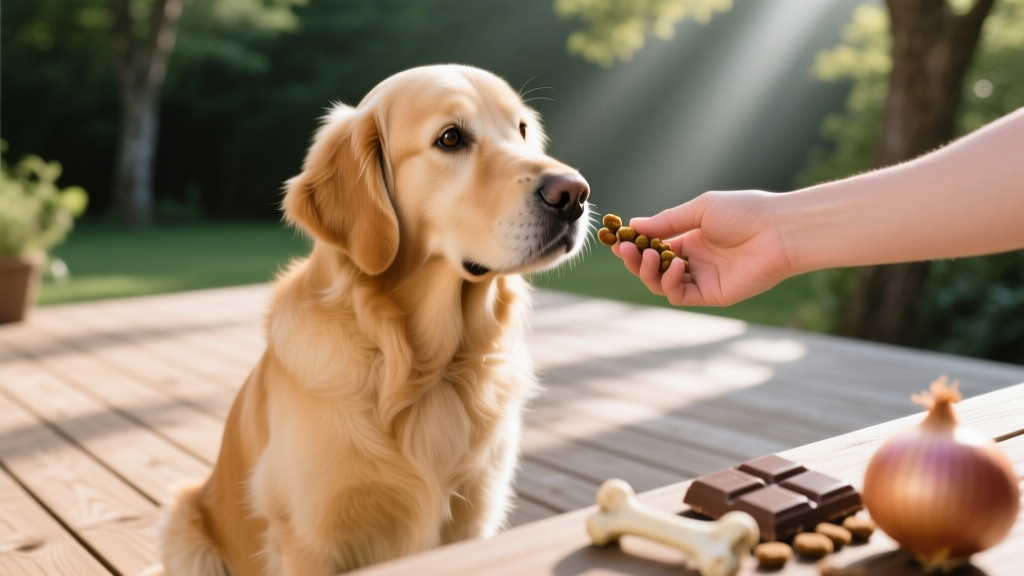
My Dog Won't Eat or Drink and Just Lays There: What to Do
My dog won't eat or drink and just lays there? Learn the top causes, red-flag symptoms, safe home care steps, and when to rush to the vet immediately.

My Dog Won't Eat or Drink and Just Lays There: Immediate Safety Verdict
If your dog won't eat or drink and just lays there for more than 12-24 hours, this is not normal picky eating — it's a clinical sign called anorexia with lethargy. While a single skipped meal in an otherwise alert dog can be benign, the combination of refusing food AND water while lying motionless signals possible pain, infection, organ dysfunction, or toxicity. Dogs that stop drinking are at immediate risk of dehydration, which can become life-threatening within 24-48 hours. If your dog has not consumed water for 12+ hours or shows any emergency symptoms listed below, contact your veterinarian or an emergency clinic immediately.
This guide breaks down the most common reasons your dog is refusing food and water, how to assess severity at home, what you can safely try to encourage eating, and the specific red flags that mean it's time to stop Googling and start driving to the vet. As always, this information supports — but does not replace — professional veterinary care.
Why Won't My Dog Eat or Drink? Common Causes Ranked by Urgency
Loss of appetite (anorexia) combined with lethargy is one of the most nonspecific yet important symptom clusters in veterinary medicine. According to the Merck Veterinary Manual, anorexia in dogs can stem from dozens of underlying conditions. Here's how veterinarians typically triage the causes:
| Urgency Level | Possible Causes | Typical Onset |
|---|---|---|
| 🔴 Emergency (see vet now) | Gastric dilatation-volvulus (bloat), intestinal blockage, poisoning/ingestion of toxins, heatstroke, severe dehydration, parvovirus (unvaccinated dogs), acute kidney or liver failure | Minutes to 12 hours |
| 🟡 Urgent (vet within 24h) | Dental pain or oral injury, pancreatitis, infectious disease (kennel cough, leptospirosis), pyometra (intact females), adverse drug reaction, tick-borne illness | 12-48 hours |
| 🟢 Monitor (vet if persists 48h+) | Stress/anxiety (new home, travel, fireworks), recent vaccination mild reaction, food aversion, mild GI upset, age-related appetite decline | 1-3 days |
Red Flags: When to Call the Vet Immediately
- No water intake for 12+ hours (dogs dehydrate fast — skin tent test: pull up skin between shoulder blades; if it doesn't snap back in 1-2 seconds, dehydration is significant)
- Vomiting — especially repeated dry heaving without producing anything (a hallmark sign of bloat/GDV, which kills within hours without surgery)
- Swollen or distended abdomen — hard, tight, or drum-like belly
- Pale, white, or blue-tinged gums — indicates poor circulation or internal bleeding
- Temperature above 103.5°F (39.7°C) or below 99°F (37.2°C) — normal canine range is 101-102.5°F (38.3-39.2°C)
- Bloody stool or vomit — looks like fresh red blood or dark coffee grounds
- Known or suspected toxin ingestion — call ASPCA Animal Poison Control at (888) 426-4435 (24/7, consultation fee applies)
- Unresponsiveness — dog doesn't react to your voice, treats, or touch
- Seizures, tremors, or collapse
- Puppy under 6 months — small dogs and puppies can develop hypoglycemia within hours of not eating
When in doubt, call. Emergency vet visits typically cost $200-$600 for an exam and basic workup, but early intervention dramatically improves outcomes and reduces total treatment costs.
What to Do at Home While Assessing the Situation
If your dog is alert, responsive, has normal gum color, and has only skipped one meal without other symptoms, you can try these steps to encourage eating while monitoring closely:
Step 1: Check for Obvious Problems
Examine your dog's mouth for broken teeth, foreign objects (sticks, bones, toy fragments), or swelling. Check the body gently for wounds, ticks, or painful spots. Note any unusual smells from the breath (sweet/acetone odor can indicate diabetic ketoacidosis; ammonia smell suggests kidney issues).
Step 2: Offer Bland, High-Value Food
Prepare a small bland meal to test appetite without irritating the stomach:
| Option | Recipe | Serving Size |
|---|---|---|
| Classic bland diet | Boiled boneless skinless chicken breast (shredded) + plain white rice, ratio 1:2, no salt/butter/seasoning | Small dogs: 2-3 tbsp. Medium: ¼-½ cup. Large: ¾-1 cup |
| Lean protein only | Boiled ground turkey (93% lean, drained of fat) or scrambled egg (no oil, no salt) | Small dogs: 1-2 tbsp. Medium: 2-3 tbsp. Large: ¼-⅓ cup |
| Broth hydration | Low-sodium chicken or beef broth (onion/garlic-free — check ingredients) warmed to body temperature | Small dogs: 1-2 tbsp. Medium: 2-4 tbsp. Large: ¼-½ cup offered in shallow dish |
Step 3: Encourage Hydration
Dehydration is the faster danger. Try these techniques:
- Ice cubes — many lethargic dogs will lick ice even when refusing a water bowl
- Broth on paw — dab a small amount of low-sodium broth on your dog's paw; licking triggers thirst
- Multiple water stations — place shallow bowls in 3-4 locations near where your dog is lying
- Syringe feeding water — only if your dog is conscious and can swallow; use a syringe (no needle) to drip small amounts (1-2 mL at a time) into the side of the mouth. Never force water into the throat — aspiration risk is real
- Wet food topper — add 1-2 tablespoons of warm water to canned dog food to increase moisture intake
Step 4: Monitor and Record
Track the following for your vet visit:
- Time of last food and water intake (be specific: "drank ½ cup water at 7 AM, refused all food since yesterday evening")
- Number of vomiting or diarrhea episodes, with description of color and consistency
- Body temperature if you have a rectal thermometer (lubricate with petroleum jelly, insert 1 inch, hold for 60 seconds)
- Behavioral changes — is your dog hiding, pacing, whining, or completely still?
- Any recent changes — new food, new medication, guests in the home, fireworks/storms, access to trash or human foods
What the Vet Will Do: Diagnostics and Costs
Understanding what to expect at the veterinary visit helps you prepare financially and emotionally. Based on typical US veterinary pricing in 2025-2026:
| Diagnostic Test | What It Reveals | Typical Cost Range |
|---|---|---|
| Physical exam + history | Pain points, hydration status, temperature, heart/lung sounds, abdominal palpation | $60-$120 (exam fee) |
| CBC blood panel (complete blood count) | Infection, anemia, immune response | $80-$150 |
| Chemistry panel (organ function) | Kidney values (BUN, creatinine), liver enzymes (ALT, ALP), blood glucose, electrolytes | $100-$200 |
| Urinalysis | Kidney concentrating ability, infection, glucose in urine (diabetes), crystals | $40-$80 |
| Abdominal X-rays (2 views) | Foreign body, bloat, organ enlargement, fluid accumulation | $150-$300 |
| Abdominal ultrasound | Organ texture, masses, intestinal wall thickness, pancreatitis signs | $300-$500 |
| Parvovirus snap test | Rapid result for parvo (critical for unvaccinated puppies) | $40-$65 |
A basic workup (exam + bloodwork + urinalysis) typically runs $280-$550. If imaging is needed, add $150-$500. Hospitalization with IV fluids starts around $600-$1,500 per day depending on your region. The American Veterinary Medical Association recommends establishing an emergency fund of $1,000-$2,000 or carrying pet insurance to cover unexpected visits like this.
Foods and Substances That May Cause Appetite Loss and Lethargy
If your dog had access to any of these in the past 24-48 hours, tell your vet immediately — some cause delayed symptoms that worsen over time:
- Grapes and raisins — even small amounts can cause acute kidney failure; toxic dose is unpredictable (some dogs react to a single grape)
- Xylitol (birch sugar) — found in sugar-free gum, peanut butter brands like some varieties of Go! and Nuts 'N More, baked goods; causes rapid hypoglycemia and liver failure. Toxic dose: approximately 0.05 g per pound of body weight
- Chocolate — dark and baking chocolate are most dangerous; contains theobromine causing vomiting, tremors, seizures
- Onions and garlic — all forms (raw, cooked, powdered) damage red blood cells causing hemolytic anemia; toxic dose is approximately 15-30 g per kg of body weight
- Macadamia nuts — cause weakness, tremors, hyperthermia within 12 hours
- Ibuprofen (Advil/Motrin) or acetaminophen (Tylenol) — even one human tablet can cause kidney failure or liver damage in dogs
- Antifreeze (ethylene glycol) — sweet taste attracts dogs; causes kidney failure within 24-72 hours; even a teaspoon can be fatal to a small dog
- Rodent bait — causes internal bleeding; symptoms may not appear for 3-5 days after ingestion
If you suspect poisoning, call the ASPCA Animal Poison Control Center at (888) 426-4435 (available 24/7, a consultation fee of approximately $95 applies) or the Pet Poison Helpline at (855) 764-7661. Have the product packaging ready and know your dog's approximate weight.
Breed and Age Factors That Affect Risk
Not all dogs face equal risk when refusing food and water. Consider these factors:
High-Risk Groups
- Puppies under 6 months — limited glycogen stores mean hypoglycemia can develop within 8-12 hours of not eating. Toy breed puppies (Chihuahuas, Yorkshire Terriers, Pomeranians) are especially vulnerable and may need corn syrup rubbed on gums as a stopgap while en route to the vet.
- Senior dogs (8+ years) — decreased organ reserve means they compensate poorly; what looks like "just slowing down" may be kidney disease, cancer, or Cushing's disease.
- Brachycephalic breeds (Bulldogs, Pugs, Boston Terriers, Shih Tzus) — already prone to breathing difficulty; lethargy with reduced water intake can rapidly escalate to respiratory distress, especially in warm weather.
- Deep-chested breeds (Great Danes, German Shepherds, Standard Poodles, Weimaraners) — highest risk for gastric dilatation-volvulus (bloat), which presents as restlessness followed by collapse with non-productive retching.
- Dogs on medications — NSAIDs (carprofen, meloxicam), steroids, and certain antibiotics can cause GI ulceration or appetite suppression. If your dog recently started a new medication and stopped eating, call the prescribing vet before the next dose.
Lower-Risk Scenarios
- Adult dog who skipped one meal after a stressful event (moving, boarding, new pet) but is still drinking water and responsive
- Dog who ate something unusual but non-toxic (grass, a small piece of fabric) and is acting mildly off but hydrated
- Mild appetite reduction in a dog recently switched to new food (food aversion is real — dogs can develop negative associations with food that made them feel slightly unwell)
Frequently Asked Questions
Can I force-feed my dog if they won't eat?
Force-feeding solid food is not recommended — it can cause choking, aspiration pneumonia, or food aversion. If your vet advises syringe feeding a liquid recovery diet (like Hill's a/d or Royal Canin Recovery), follow their specific volume and frequency instructions. Typically, this is 1-2 mL per pound of body weight every 4-6 hours, warmed to body temperature and delivered slowly into the cheek pouch. Never syringe-feed a dog who is vomiting, unconscious, or unable to hold their head up.
How long can a dog go without eating before it's dangerous?
A healthy adult dog can survive 3-5 days without food if they're still drinking water, but this doesn't mean it's safe to wait that long. After 48 hours without eating, dogs begin breaking down muscle tissue for energy, and liver function can be affected — particularly in small breeds. Dogs with underlying conditions (diabetes, kidney disease, liver disease) can deteriorate within 12-24 hours. The general veterinary guidance is: call your vet if an adult dog hasn't eaten for 24 hours, and seek emergency care if a puppy hasn't eaten for 8-12 hours.
How long can a dog go without water?
This is far more urgent than food refusal. Dogs can become critically dehydrated within 24 hours without water, especially in warm environments or if they're also vomiting or having diarrhea. Signs of moderate dehydration include tacky gums, sunken eyes, and skin that returns slowly when pinched (skin tent test). Severe dehydration leads to organ failure. If your dog hasn't had any water for 12 hours, contact a vet.
My dog won't eat but will drink water — is that less serious?
It's somewhat less urgent than refusing both, because hydration is being maintained. However, a dog who drinks but won't eat for more than 24-48 hours still needs veterinary evaluation. Conditions like dental pain, oral tumors, esophageal problems, and nausea from metabolic disease can cause food refusal while thirst remains intact. Also watch for excessive water drinking (polydipsia), which combined with appetite loss can signal diabetes, Cushing's disease, or kidney failure.
Should I try offering human food to get my dog to eat?
A small amount of bland human food (boiled chicken and rice, scrambled egg, plain canned pumpkin) is appropriate as a temporary appetite test — but only if your dog is otherwise alert and hydrated, and only for 1-2 meals. If your dog eagerly eats the human food but refuses their regular kibble again, this may indicate the kibble is stale, spoiled, or causing a food sensitivity. If your dog refuses even high-value human food, the issue is likely medical rather than behavioral. Do not offer seasoned foods, onions, garlic, grapes, raisins, chocolate, xylitol-containing products, fatty/fried foods, or anything with bones.
My dog won't eat after surgery — is that normal?
Reduced appetite for 12-24 hours after anesthesia is common and usually resolves as medications wear off. Offer small amounts of bland food and water every few hours. However, if your dog hasn't eaten 24 hours post-surgery, is vomiting, or seems increasingly lethargic rather than gradually improving, call the surgical clinic. Post-operative complications like infection or reaction to pain medication can suppress appetite and require adjustment.
What about my dog who won't eat but acts normal otherwise?
A dog who skips a meal but is playful, alert, drinking water, and has normal bowel movements is likely experiencing mild, temporary appetite suppression. Common benign causes include: eating something filling earlier (table scraps, treats, grass), warm weather reducing appetite, stress from routine changes, or simply not being hungry. Monitor for 24 hours. If the dog misses a second consecutive meal or develops any additional symptoms (vomiting, diarrhea, lethargy, hiding), escalate to a vet visit. According to the American Kennel Club, consistent meal refusal beyond 24 hours warrants professional evaluation even in dogs who seem otherwise fine.
When to Stop Home Care and Seek Professional Help
The decision framework is straightforward: if your dog won't eat or drink and just lays there, and any of the following are true, home monitoring is no longer appropriate:
- Duration exceeds 12 hours for puppies, 24 hours for adult dogs — the longer anorexia persists, the more likely a serious underlying condition exists
- Multiple symptoms are present — appetite loss alone is one thing; appetite loss plus vomiting, diarrhea, fever, pain, or behavioral changes is a pattern that demands diagnosis
- Your dog is in a high-risk category — puppy, senior, brachycephalic, deep-chested, immunocompromised, or on medication
- You suspect toxin ingestion — don't wait for symptoms to worsen; early decontamination (induced vomiting or activated charcoal, administered by a vet) is most effective within 2 hours of ingestion
- Your instincts say something is wrong — you know your dog better than anyone. If their behavior feels deeply "off" even if you can't pinpoint why, trust that feeling and make the call
Always consult your veterinarian when your dog shows unexplained lethargy and appetite loss. The information in this article is meant to help you assess urgency and prepare for your vet visit — not to replace professional diagnosis and treatment.
Priya Sutaria
All our authors care for dogs every day — read more of their work on the authors page.