Dog With Itchy Butt: Causes, Diagnosis & Treatment Guide
Is your dog with an itchy butt scooting, licking, or scratching constantly?
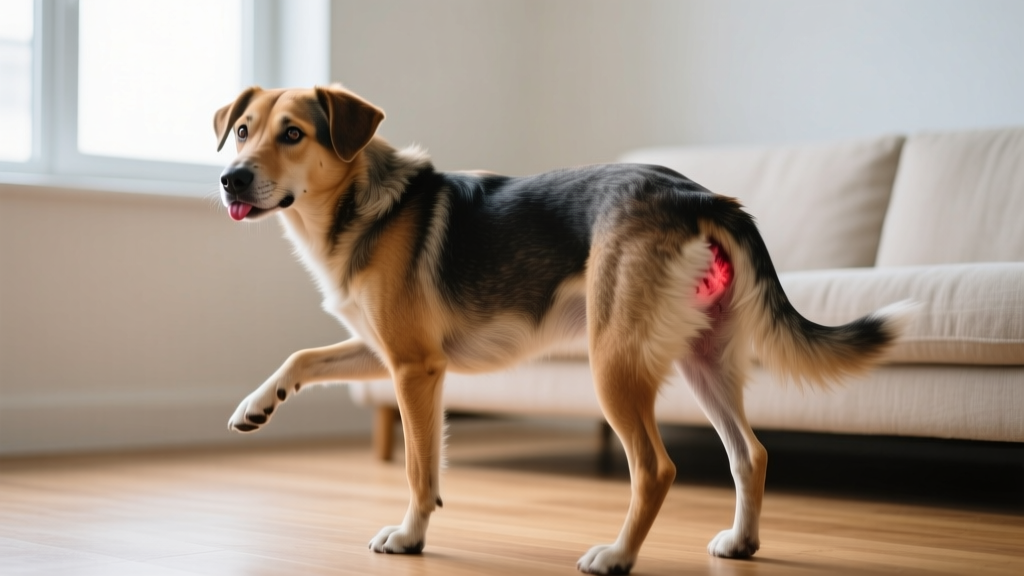
If you've watched your dog drag their rear across the carpet, spin to bite at their tail base, or lick their anal area obsessively, you're not alone. A dog with an itchy butt is one of the most common complaints in general veterinary practice, accounting for an estimated 4-7% of all dermatology-related vet visits. This isn't a single disease — it's a symptom cluster called perianal pruritus (itching around the anus and tail base), and it can stem from anal gland impaction, allergies, parasites, infections, or even tumors.
Perianal pruritus affects dogs of all breeds and ages, but certain predispositions make some dogs far more likely to develop chronic issues. Small breeds like Chihuahuas and Toy Poodles are prone to anal sac disease, while German Shepherds and Bulldogs frequently suffer from perianal fistulas. The good news? Most causes are treatable once properly identified. The challenge is that the visible symptom — scooting, licking, scratching — looks nearly identical regardless of the underlying cause, making veterinary diagnosis essential.
This guide walks you through the full diagnostic process, treatment options with real cost ranges, breed-specific risk factors, and the red flags that mean your dog needs to see a vet today.
What Causes an Itchy Butt in Dogs?
Perianal itching in dogs isn't a diagnosis — it's a clinical sign pointing to one of several underlying conditions. According to the Merck Veterinary Manual, the most common causes fall into five categories:
1. Anal Sac Disease (Most Common)
Dogs have two anal glands (sacs) located at the 4 o'clock and 8 o'clock positions around the anus. These glands produce a foul-smelling secretion normally expressed during defecation. When they become impacted (filled but unable to drain), infected (sacculitis), or develop an abscess (rupture through the skin), the result is intense perianal discomfort. Anal sac disease affects an estimated 12% of dogs at some point, with small breeds disproportionately affected.
2. Allergies (Atopic Dermatitis & Food Allergies)
Environmental allergies (pollen, dust mites, mold) and food allergies (commonly chicken, beef, or dairy proteins) frequently manifest as perianal and tail-base itching. Dogs with atopic dermatitis often show a "classic distribution" pattern: paws, ears, axillae (armpits), and the perianal region. Food allergies account for approximately 1-6% of all canine skin diseases, with perianal involvement in roughly 30% of those cases.
3. Parasites
Tapeworms (Dipylidium caninum) are a notorious cause of anal itching. Dogs acquire tapeworms by ingesting infected fleas, and the proglottids (segments) that exit through the anus cause intense irritation. Fleas themselves concentrate around the tail base, causing flea allergy dermatitis — one of the most intensely itchy conditions in veterinary medicine. A single flea bite can trigger 48-72 hours of allergic response in sensitized dogs.
4. Perianal Fistulas
Also called anal furunculosis, this is an immune-mediated condition causing painful, draining tracts in the skin around the anus. It's strongly breed-associated (German Shepherds account for over 80% of cases) and involves progressive tissue destruction if untreated.
5. Infections and Tumors
Bacterial or yeast (Malassezia) infections of the perianal skin cause significant itching. Less commonly, perianal adenomas (benign) or adenocarcinomas (malignant) develop around the anus, particularly in intact male dogs over age 7. These tumors can cause irritation, discharge, and mechanical discomfort.
Recognizing the Symptoms: Early Warning Signs vs. Advanced Disease
The symptoms of perianal pruritus range from mildly annoying to severely painful. Catching the problem early often means a simple, inexpensive fix — while delayed treatment can lead to abscesses, chronic infections, or surgical intervention.
| Severity | Symptoms | What It May Indicate |
|---|---|---|
| Mild / Early | Occasional scooting (1-2 times/day) Infrequent licking of anal area Mild redness around anus Noticeable odor from rear | Early anal sac impaction, mild flea irritation, beginning allergy flare |
| Moderate | Frequent scooting (5+ times/day) Constant licking or biting at tail base Visible swelling near anus (one or both sides) Rubbing rear against furniture/walls Reluctance to sit or defecate Small amounts of blood or discharge on bedding | Anal sac infection (sacculitis), flea allergy dermatitis, tapeworm segments visible, yeast infection |
| Severe / Advanced | Open wound or draining tract near anus Large, painful swelling (golf ball-sized or larger) Foul-smelling pus-like discharge Fever (temperature above 103°F / 39.4°C) Loss of appetite, lethargy Straining to defecate or inability to defecate Aggression when rear is touched | Anal sac abscess with rupture, perianal fistula, perianal tumor, severe secondary infection |
Breed Predispositions and Risk Factors
Not all dogs are equally likely to develop perianal problems. Understanding your dog's risk profile helps you catch issues earlier and discuss preventive strategies with your vet.
Risk Factors for Perianal Pruritus
| Risk Factor | Details | Conditions Linked |
|---|---|---|
| Breed (Small) | Chihuahuas, Toy/Miniature Poodles, Shih Tzus, Lhasa Apsos, Cocker Spaniels, Beagles | Anal sac impaction and infection (narrow duct anatomy) |
| Breed (Large) | German Shepherds (especially), Bulldogs, Boxers | Perianal fistulas (German Shepherds: 80%+ of cases) |
| Breed (Intact Males) | Unneutered males, especially Cocker Spaniels, Beagles, mixed breeds over 7 years | Perianal adenomas (hormone-dependent tumors) |
| Weight | Overweight and obese dogs (BCS 7-9/9) | Anal sac impaction (reduced natural expression during defecation), skin fold infections |
| Age | Middle-aged to senior (6+ years) | Tumors, chronic anal sac disease, decreased immune function |
| Environment | Warm, humid climates; outdoor exposure; multi-pet households with flea infestations | Flea allergy dermatitis, yeast infections, parasite exposure |
| Diet | Low-fiber diets, table scraps, inconsistent nutrition | Soft stools leading to inadequate anal gland expression |
| Allergy History | Dogs with diagnosed atopic dermatitis or food allergies | Chronic perianal inflammation, secondary infections |
If your dog falls into multiple risk categories — for example, an overweight Cocker Spaniel with a history of skin allergies — proactive monitoring becomes especially important. Ask your vet about preventive anal gland expression schedules and allergy management plans.
How Vets Diagnose the Cause of Perianal Itching
Because scooting and licking look the same regardless of cause, a thorough veterinary workup is essential. Here's what to expect during a diagnostic visit, including the tests your vet may recommend and approximate costs.
Step-by-Step Diagnostic Process
- Physical Examination ($55-$95 office visit fee): Your vet will perform a full physical exam, noting body condition score, skin condition, ear health, and tail-base flea dirt. A digital rectal exam allows palpation of both anal sacs to assess fill level, consistency of contents, and pain response. This alone identifies anal sac disease in the majority of cases.
- Anal Sac Expression & Evaluation ($20-$45): If the glands are full, your vet will manually express them and examine the contents. Normal fluid is thin and brownish; thick, pasty material suggests impaction; blood-tinged or pus-filled fluid indicates infection. A sample may be examined under a microscope (cytology).
- Fecal Parasite Testing ($35-$65): A fecal flotation test checks for tapeworm eggs, roundworms, hookworms, and whipworms. Note: tapeworms are sometimes missed on standard fecal flotations because eggs are shed in proglottid segments rather than freely in stool. If you've seen rice-grain-like segments around your dog's anus or in their bedding, tell your vet — this is virtually diagnostic for tapeworms.
- Skin Cytology ($40-$75): If the perianal skin is red, moist, or has discharge, your vet will take a tape impression or swab and examine it microscopically. This identifies bacterial infection (cocci or rods), yeast (Malassezia — looks like "footprints" under the microscope), or inflammatory cells.
- Allergy Testing ($250-$600 for blood test; $1,200-$2,000 for intradermal skin testing): If allergies are suspected as the root cause (especially if your dog has recurrent ear infections, paw licking, and perianal itching together), your vet may recommend allergy testing. Blood-based IgE testing (e.g., Heska Allercept or Spectrum BioScience VARL) is more convenient; intradermal testing performed by a veterinary dermatologist is more accurate but requires sedation and shaving.
- Biopsy ($150-$400, plus $100-$250 lab fee): If a mass, fistula tract, or unusual lesion is found, a tissue biopsy sent to a veterinary pathology lab provides a definitive diagnosis. This distinguishes benign perianal adenomas from malignant adenocarcinomas and confirms perianal fistula.
- Blood Work ($80-$200 for CBC/chemistry panel): Recommended for senior dogs, dogs with systemic signs (fever, lethargy), or prior to sedation/surgery. Identifies underlying metabolic issues and assesses organ function.
Simple anal sac impaction visit: $75-$140 (exam + expression)
Moderate workup (exam, expression, fecal test, cytology): $150-$280
Complex workup (adds allergy testing, biopsy, blood work): $500-$1,500+
Treatment Options by Underlying Cause
Treatment is entirely dependent on what's causing the itching. Here's a comparison of the most common diagnoses and their standard treatment protocols:
| Diagnosis | Primary Treatment | Success Rate | Treatment Cost Range | Recovery Time |
|---|---|---|---|---|
| Anal Sac Impaction | Manual expression by vet; dietary fiber increase; weight management | 95%+ with management | $20-$45 per expression session | Immediate relief; preventive care ongoing |
| Anal Sacculitis (Infection) | Expression + flushing with antiseptic; oral antibiotics (e.g., amoxicillin-clavulanate, 14-21 days); anti-inflammatory medication | 85-90% resolve with medical treatment | $100-$250 (exam, expression, medications) | 7-14 days to full resolution |
| Anal Sac Abscess | Lancing and drainage under sedation; warm compresses; oral antibiotics (21-28 days); pain management | 80-90% with proper drainage; 10-20% recurrence rate | $300-$700 (sedation, lancing, medications, rechecks) | 2-4 weeks for wound healing |
| Flea Allergy Dermatitis | Strict flea control (e.g., Bravecto, NexGard, Simparica Trio — $45-$75/dose); short course of Apoquel ($2-$4/day) or Cytopoint injection ($65-$150) for itch relief; medicated baths | Excellent with consistent flea prevention; itch resolves in 24-72 hours | $80-$250 initial; $45-$75/month ongoing prevention | 24-72 hours for itch reduction; weeks for skin healing |
| Tapeworms | Praziquantel dewormer (single dose, $15-$40); concurrent flea control to prevent reinfection | 95%+ with single treatment; reinfection common without flea control | $50-$100 (exam + dewormer) | 24-48 hours to pass segments; immediate itch reduction |
| Food Allergy | Strict elimination diet trial (8-12 weeks) using novel protein or hydrolyzed diet (e.g., Royal Canin Hydrolyzed Protein HP, Hill's z/d — $80-$120/bag); systematic reintroduction | 70-80% of food-allergic dogs respond to elimination diet | $150-$400 for full trial (specialty food + recheck visits) | 4-8 weeks to see significant improvement; 12 weeks for full trial |
| Environmental Allergies (Atopy) | Apoquel (oclacitinib, $2-$4/day); Cytopoint (lokivetmab injection, $65-$150 every 4-8 weeks); allergen-specific immunotherapy ($150-$300 initial + $100-$200/year); medicated shampoos | 70-85% respond to Apoquel; 60-75% to Cytopoint; 50-70% long-term improvement with immunotherapy | $200-$600/year ongoing management | Lifelong management; acute itch relief in 4-24 hours with Apoquel/Cytopoint |
| Perianal Fistula | Immunosuppressive therapy: cyclosporine (Atopica, $3-$7/day) or tacrolimus ointment; may require surgical debridement ($1,500-$3,500) in refractory cases | 70-85% respond to medical management; surgery has 75-90% success in non-responders | $500-$2,000/year medical; $1,500-$3,500 surgical | 4-8 weeks for initial response to medication; 6-12 weeks post-surgery |
| Perianal Tumor (Adenoma) | Surgical excision ($500-$1,500); neutering if intact (reduces recurrence); monitoring for benign tumors in some cases | Benign adenomas: excellent prognosis with surgery; malignant adenocarcinomas: guarded (50-70% 1-year survival with surgery) | $500-$2,000 (surgery + biopsy + recheck) | 2-3 weeks post-surgical healing |
| Yeast/Bacterial Perianal Infection | Topical antifungal (miconazole/chlorhexidine wipes, $15-$30); oral fluconazole or itraconazole for yeast ($1-$3/day, 14-28 days); oral antibiotics for bacterial infection | 90%+ with appropriate antimicrobial therapy | $80-$200 (exam, cytology, medications) | 7-21 days depending on severity |
For any medication prescribed, always consult your veterinarian regarding proper dosing for your dog's specific weight, health status, and concurrent medications. Never use human OTC medications without veterinary guidance — many common pain relievers (ibuprofen, acetaminophen) are toxic to dogs.
Home Care and Daily Management
Whether your dog is recovering from treatment or managing a chronic condition, daily home care plays a critical role in preventing recurrence.
Dietary Adjustments
Firm stools are the single most important factor in natural anal gland expression. Strategies include:
- Increase dietary fiber: Add 1-2 teaspoons of canned pure pumpkin (NOT pie filling) per 10 lb of body weight to meals daily. Alternatively, ask your vet about fiber supplements like Metamucil (psyllium) at 1/2 teaspoon per 10 lb body weight, or prescription high-fiber diets like Royal Canin Gastrointestinal High Fiber or Hill's w/d.
- Ensure adequate hydration: Dogs eating dry kibble should consume approximately 1 ounce of water per pound of body weight daily. Consider adding water or low-sodium bone broth (onion-free, garlic-free) to meals.
- Avoid table scraps and high-fat treats: These cause soft stools and gastrointestinal upset, reducing natural gland expression.
- If food allergies are diagnosed: Strictly adhere to the identified safe diet. Even one "cheat" meal can trigger a flare lasting 2-4 weeks.
Hygiene and Monitoring
- Weekly perianal checks: Gently lift your dog's tail and inspect the area for swelling, redness, discharge, or unusual odor. Do this during grooming or bath time so it becomes routine.
- Keep the area clean: For dogs with skin folds around the tail base (Bulldogs, Pugs), clean folds daily with veterinary wipes (e.g., MalAcetic wipes or Chlorhexidine wipes, $12-$20 for 50-count). Dry thoroughly — moisture promotes yeast growth.
- Flea prevention year-round: Even indoor dogs need flea prevention. Use a veterinary-recommended isoxazoline-class product (Bravecto, NexGard, Simparica) consistently. Flea allergy dermatitis is the #1 cause of tail-base itching and is entirely preventable.
- Regular deworming: Follow your vet's parasite prevention schedule. Most heartworm preventives (Heartgard, Interceptor Plus) also cover intestinal parasites, but do NOT cover tapeworms. A separate praziquantel product (e.g., Droncit) may be needed in flea-endemic households.
- Weight management: Overweight dogs (BCS 7-9/9) have significantly higher rates of anal sac disease. A 10% body weight reduction can meaningfully improve anal gland function. Work with your vet to calculate your dog's ideal caloric intake — for most dogs, this is roughly 30 calories per kg of ideal body weight per day for maintenance.
What NOT to Do at Home
- Do NOT attempt to express anal glands yourself unless specifically trained by your vet. Improper technique can rupture the gland or push infection deeper into surrounding tissue.
- Do NOT apply human anti-itch creams (hydrocortisone, Benadryl cream) without veterinary approval. Dogs lick these off, ingesting the medication, and some ingredients are toxic.
- Do NOT use essential oils or tea tree oil near the perianal area. Tea tree oil is toxic to dogs and can cause tremors, weakness, and liver damage when absorbed through damaged skin.
- Do NOT ignore symptoms hoping they'll resolve. Anal sac impactions progress to infections, and infections progress to abscesses — each stage is more painful and expensive to treat.
Prognosis: What to Expect by Condition
The prognosis for a dog with an itchy butt depends entirely on the underlying cause. Here's a realistic breakdown:
| Condition | Prognosis | Recurrence Risk | Long-Term Outlook |
|---|---|---|---|
| Anal sac impaction | Excellent | High (40-60% without dietary changes) | Manageable with fiber supplementation and periodic expression; some dogs require monthly vet expressions indefinitely |
| Anal sacculitis | Very good | Moderate (25-35%) | Most resolve with antibiotics; recurrent cases may need surgical anal sacculectomy ($800-$2,000) |
| Anal sac abscess | Good with treatment | Moderate (15-25% on same side) | Full recovery expected; scar tissue may cause chronic mild drainage issues |
| Flea allergy dermatitis | Excellent | Very high without prevention; near-zero with consistent prevention | Normal lifespan; requires lifelong flea control |
| Tapeworms | Excellent | High if fleas are not controlled | No long-term effects; treat and prevent fleas |
| Food allergy | Very good | High if offending food reintroduced | Normal lifespan; requires lifelong dietary management |
| Atopic dermatitis | Good (managed, not cured) | Persistent (lifelong condition) | Normal lifespan with consistent management; costs accumulate over years ($200-$600/year) |
| Perianal fistula | Guarded to fair | High (chronic, immune-mediated) | Lifelong immunosuppressive therapy often needed; some dogs require surgery; quality of life generally good with management |
| Perianal adenoma (benign) | Excellent | Low after surgical removal + neutering | Normal lifespan; neutering reduces recurrence by 90%+ |
| Perianal adenocarcinoma (malignant) | Guarded | Moderate (local recurrence, metastasis possible) | 50-70% 1-year survival with surgery; 6-18 months median survival; referral to veterinary oncologist recommended |
When to See the Vet: Red Flags That Can't Wait
🚨 Seek Veterinary Care Immediately If Your Dog Shows:
- Visible open wound or ruptured abscess near the anus (draining pus or blood)
- Fever above 103°F (39.4°C) — take rectal temperature if you're comfortable doing so; normal canine temperature is 101-102.5°F (38.3-39.2°C)
- Inability to defecate or extreme straining without producing stool (potential obstruction)
- Large, painful swelling (golf ball-sized or larger) near the anus
- Lethargy, refusal to eat, or vomiting accompanying perianal symptoms
- Aggression or extreme pain response when the rear area is approached
- Foul-smelling discharge (distinct from normal anal gland odor — think rotting or putrid)
- Signs of systemic illness: pale gums, rapid breathing, collapse
For any suspected poisoning or toxic ingestion, call the ASPCA Animal Poison Control Center at (888) 426-4435 (24/7, consultation fee applies).
For non-emergency but persistent symptoms (scooting more than 2 days, recurring licking, mild swelling), schedule a vet appointment within 48-72 hours. Early intervention prevents progression to more painful and expensive conditions.
Treatment Costs: Budgeting for Your Dog's Care
Understanding costs upfront helps you plan and avoid sticker shock. Here's a realistic breakdown based on 2025-2026 US veterinary pricing:
| Scenario | Initial Visit | Medications/Supplies | Follow-Up | Total First-Year Estimate |
|---|---|---|---|---|
| Best case: Simple anal sac expression | $75-$140 | $0-$20 (fiber supplement) | $0-$95 (one recheck) | $75-$255 |
| Common: Anal sac infection | $150-$250 | $30-$80 (antibiotics + anti-inflammatory) | $55-$95 (recheck) | $235-$425 |
| Moderate: Abscess requiring drainage | $300-$700 | $50-$120 (antibiotics + pain meds + compresses) | $95-$190 (2 rechecks) | $445-$1,010 |
| Chronic: Allergy management | $200-$600 (testing) | $200-$600/year (Apoquel/Cytopoint/shampoos) | $95-$190 (quarterly rechecks) | $495-$1,390 |
| Severe: Perianal fistula (medical) | $200-$400 | $1,000-$2,500/year (cyclosporine) | $190-$380 (monthly-bi-monthly rechecks) | $1,390-$3,280 |
| Worst case: Surgery (sacculectomy or fistula repair) | $200-$400 (pre-surgical workup) | $800-$3,500 (surgery) | $190-$380 (post-op rechecks) | $1,190-$4,280 |
Cost-saving tips: Pet insurance typically covers anal sac disease and related conditions if not pre-existing. Plans from Trupanion, Healthy Paws, or Nationwide range from $30-$70/month and reimburse 70-90% of eligible costs after deductible. If your dog has recurrent anal sac issues, insurance can pay for itself within the first year. Alternatively, ask your vet about CareCredit or Scratchpay for payment plans on larger procedures.
Frequently Asked Questions
Why does my dog keep scooting even after anal glands were expressed?
If scooting continues more than 48-72 hours after expression, the underlying cause may not be anal sac disease. Allergies, tapeworms, flea dermatitis, or perianal tumors can all produce identical symptoms. Return to your vet for further diagnostics, including fecal testing and skin cytology.
Can I express my dog's anal glands at home?
Some owners are taught external expression by their vet, which involves gently pressing on the outside of the anal area with a tissue. This is less effective than internal expression (which requires inserting a gloved finger into the rectum) and should only be done if your vet has shown you proper technique. Never squeeze hard — you can rupture the gland. If you're uncomfortable, have your vet or a professional groomer handle it. Typical grooming add-on cost: $10-$25.
Are there any over-the-counter treatments for an itchy butt?
There is no safe OTC "cure" for perianal itching because the cause must be identified first. However, supportive measures include: adding pure canned pumpkin to food for fiber, using veterinary-approved chlorhexidine wipes for gentle cleaning, and maintaining strict flea prevention. Never apply human hydrocortisone cream, Neosporin, or essential oils to the perianal area without veterinary approval.
How often should my dog's anal glands be expressed?
Most dogs express their anal glands naturally during defecation and never need manual expression. Dogs with recurrent impaction may need expression every 4-8 weeks. Over-expressing can actually weaken the gland's ability to self-empty, so only express when clinically indicated — not on a rigid schedule. Your vet will recommend a frequency based on your dog's history.
Is a dog with an itchy butt a sign of worms?
It can be. Tapeworms (Dipylidium caninum) are a well-known cause of anal itching. Look for small, white, rice-grain-like segments in your dog's stool, around their anus, or on their bedding. However, worms are just one of many possible causes — anal sac disease and allergies are statistically more common. A fecal test at your vet's office will confirm or rule out parasites.
What is the life expectancy of a dog with chronic perianal issues?
For the vast majority of causes (anal sac disease, allergies, parasites, benign tumors), life expectancy is normal — these conditions affect quality of life, not lifespan. The exceptions are perianal adenocarcinoma (malignant tumor, median survival 6-18 months with treatment) and severe, untreated perianal fistula (which can lead to sepsis). With proper veterinary care and management, even chronic conditions are compatible with a full, happy life.
Sources: Merck Veterinary Manual — Anal Sac Disease; AKC — Anal Glands in Dogs; Veterinary Information Network — Perianal Fistula
Beth Carrasco
All our authors care for dogs every day — read more of their work on the authors page.


