Dog With a Cyst: Types, Symptoms, Treatment & When to Worry
Found a lump on your dog? Learn about cyst types in dogs, symptoms, diagnosis costs, treatment options, and when a cyst needs veterinary attention.
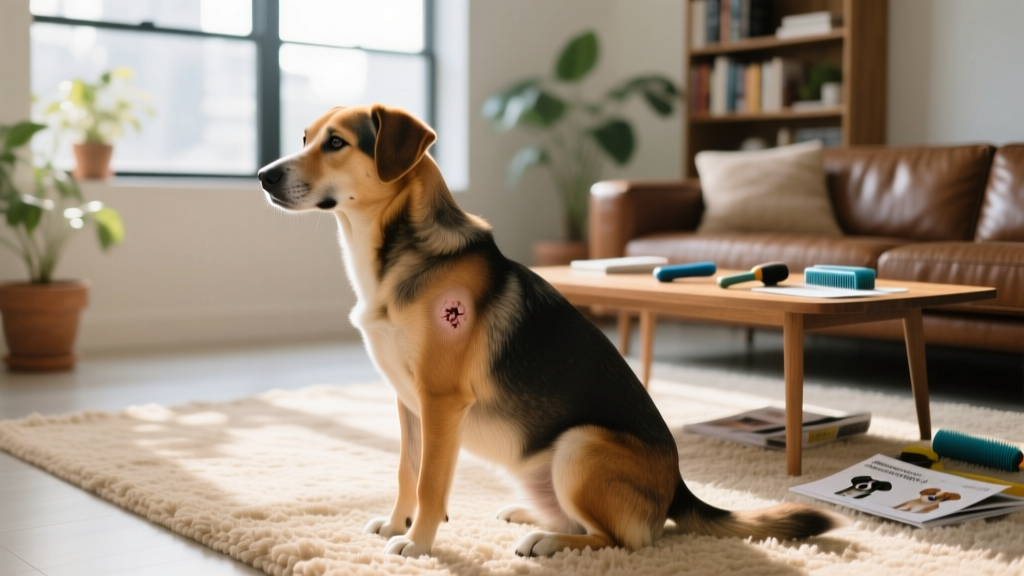
Discovering a lump on your dog can send any owner into a spiral of worry. The good news? Most cysts in dogs are benign, fluid- or keratin-filled sacs that develop under the skin or within tissues, and many require nothing more than watchful monitoring. However, not every lump that looks like a cyst actually is one — and some cystic growths can signal underlying health issues that need professional attention.
A cyst in dogs is a closed sac-like structure lined with epithelial tissue that contains fluid, semi-solid material, or gas. They can form anywhere on or inside a dog's body — on the skin, in the ears, around the eyes, on the ovaries, or even within organs like the liver or kidneys. According to the Merck Veterinary Manual, cutaneous (skin) cysts are among the most common benign growths seen in middle-aged and older dogs, with sebaceous cysts and follicular cysts accounting for the majority of cases presented in general practice.
Understanding what type of cyst your dog has — and when it warrants intervention — is the difference between a simple monitoring situation and a potentially serious health concern. This guide walks you through everything from identification to treatment costs so you can have an informed conversation with your veterinarian.
What Is a Cyst in Dogs and What Causes It?
Cysts form when cells that normally shed from the skin's surface or line a duct become trapped beneath the surface and continue to produce material — typically keratin, sebum (oil), or serous fluid — that accumulates inside a capsule. Unlike abscesses, which are pockets of infection filled with pus, most true cysts are sterile and slow-growing.
The main categories of cysts seen in dogs include:
- Sebaceous (epidermal inclusion) cysts: The most common type. These form when a sebaceous gland duct becomes blocked, causing keratin and oily material to accumulate. They typically appear as firm, round lumps ranging from 0.5 to 5 cm in diameter, often on the trunk, neck, or legs.
- Follicular cysts: Originating from hair follicles, these can grow larger than sebaceous cysts and sometimes contain a thick, paste-like material. They are frequently seen on the head and back.
- Apocrine gland cysts: These develop from sweat glands and often appear as fluid-filled, bluish-tinged bumps, commonly around the eyelids or ears.
- Ovarian cysts: Found in intact (unspayed) female dogs, these can cause hormonal imbalances leading to prolonged estrus or irregular heat cycles.
- Renal (kidney) cysts: Often associated with polycystic kidney disease, particularly in breeds like Bull Terriers and Cairn Terriers. These are internal and not palpable from the outside.
- Dentigerous cysts: These form around unerupted or impacted teeth, most commonly in brachycephalic breeds with crowded dentition. They can cause jaw swelling and bone destruction if left untreated.
The causes vary by type. Skin cysts often result from blocked glands, chronic skin irritation, trauma to a hair follicle, or genetic predisposition. Internal cysts may be congenital (present from birth), linked to hormonal dysfunction, or associated with breed-specific genetic mutations. In many cases, the exact cause remains idiopathic — meaning veterinarians cannot identify a specific trigger.
Symptoms of Cysts in Dogs: What to Watch For
Most cutaneous cysts are discovered incidentally during petting or grooming. You might feel a smooth, round bump under the skin that moves slightly when pressed. However, symptoms vary significantly depending on the cyst type, location, and whether complications like rupture or infection have occurred.
| Severity Level | Symptoms | What It Means |
|---|---|---|
| Early / Mild | Small, firm lump under the skin (0.5–2 cm) | Typical presentation of an uncomplicated sebaceous or follicular cyst |
| Early / Mild | Lump is smooth, round, and movable | Benign characteristics; not attached to underlying tissue |
| Early / Mild | No pain or discomfort when touched | Cyst is intact and not inflamed |
| Moderate | Lump increases in size over weeks | Cyst is actively accumulating material; may need evaluation |
| Moderate | Redness or warmth around the lump | Early inflammation or secondary bacterial infection developing |
| Moderate | Dog scratches, licks, or bites at the area | Discomfort or pruritus (itching) indicating irritation |
| Moderate | Hair loss over or around the lump | Chronic irritation or pressure on surrounding follicles |
| Advanced / Urgent | Cyst ruptures — thick, white/yellow or bloody discharge | Open wound risk; high infection probability; needs vet care |
| Advanced / Urgent | Foul odor from the cyst or surrounding skin | Likely secondary bacterial infection requiring antibiotics |
| Advanced / Urgent | Rapid growth over days (not weeks) | Could indicate abscess, hematoma, or malignant tumor — not a simple cyst |
| Advanced / Urgent | Lump is hard, irregular, and fixed to underlying tissue | Red flag for neoplasia (cancer); immediate biopsy needed |
| Advanced / Urgent | Systemic signs: lethargy, fever, loss of appetite | Infection may have spread; possible sepsis — emergency |
Internal cysts — such as those on the kidneys, liver, or ovaries — rarely produce visible external symptoms until they are large enough to press on surrounding organs. Signs of internal cysts may include abdominal distension, changes in urination patterns, unexplained weight loss, or hormonal abnormalities like persistent heat cycles in intact females.
Breeds at Higher Risk and Other Predisposing Factors
Key risk factors for cyst development in dogs:
- Breed predisposition: Cocker Spaniels, Airedale Terriers, German Shepherds, Boxers, Schnauzers (especially Miniature Schnauzers), and Siberian Huskies show higher rates of cutaneous cysts. Bull Terriers and Cairn Terriers carry a genetic mutation linked to polycystic kidney disease. Brachycephalic breeds (Pugs, Bulldogs, Shih Tzus) are predisposed to dentigerous cysts due to dental crowding.
- Age: Dogs over 6 years old develop skin cysts at significantly higher rates. Multiple cysts appearing simultaneously are more common in senior dogs.
- Hormonal status: Intact females are at risk for ovarian cysts. Dogs with hypothyroidism or Cushing's disease (hyperadrenocorticism) may develop skin changes that increase cyst formation.
- Coat and skin type: Dogs with dense, double coats or those prone to chronic skin infections and seborrhea have higher rates of follicular and sebaceous cysts due to gland obstruction.
- Environmental factors: Chronic exposure to dirt, debris, or irritants that clog hair follicles can contribute. Dogs that spend significant time in dusty or muddy environments may need more frequent coat maintenance.
- Previous cyst history: A dog that has developed one cyst is statistically more likely to develop others, particularly in the same anatomical region.
It is worth noting that while certain breeds are predisposed, any dog of any breed or mix can develop a cyst. The genetic component is strongest in breeds with documented hereditary conditions like polycystic kidney disease, where a single gene mutation (PKD1 in Bull Terriers) drives cyst formation within the renal tissue.
How Veterinarians Diagnose Cysts in Dogs
When you bring your dog in for a lump evaluation, your veterinarian will follow a structured diagnostic process. The goal is not just to confirm that the lump is a cyst, but to rule out more serious conditions like mast cell tumors, liposarcomas, or abscesses that can mimic cystic growths.
- Physical Examination ($50–$95): Your vet will palpate the lump, noting its size, shape, mobility, consistency, and relationship to surrounding tissues. They will check for additional lumps across the body and assess regional lymph nodes for enlargement.
- Fine Needle Aspirate (FNA) ($40–$120): A thin needle is inserted into the lump to extract a small sample of cells or fluid. The material is examined under a microscope (cytology). A sebaceous cyst typically yields thick, white, keratin-rich material. This is the first-line diagnostic and often sufficient to confirm a benign cyst. Results are frequently available the same day if evaluated in-house, or within 2–3 days if sent to an external laboratory.
- Punch or Excisional Biopsy ($200–$500): If FNA results are inconclusive or if the mass has suspicious features (rapid growth, irregular borders, fixation to deep tissue), your vet may recommend a tissue biopsy. A small core sample or the entire mass is removed and sent to a veterinary pathologist for histopathology. This provides a definitive diagnosis and rules out malignancy. Turnaround time is typically 5–10 business days.
- Blood Work ($80–$250): A complete blood count (CBC) and serum biochemistry panel may be recommended, particularly if the cyst appears infected, if your dog is showing systemic symptoms, or if surgery is being planned. This evaluates organ function and screens for underlying endocrine disorders.
- Imaging — Ultrasound or X-ray ($150–$500): For suspected internal cysts (renal, hepatic, ovarian), abdominal ultrasound is the gold standard. It reveals cyst size, number, wall thickness, and relationship to surrounding structures. X-rays are less detailed for soft tissue but may be used as an initial screening tool or to check for metastatic disease if malignancy is suspected.
In most straightforward cases of cutaneous cysts, a physical exam plus FNA is all that is needed. Total diagnostic costs for a simple skin cyst typically range from $90 to $215. Complex cases requiring biopsy, imaging, and blood work can range from $500 to $1,200+ depending on the number of tests and whether specialist referral is involved.
Treatment Options for Dogs With Cysts
Not every cyst requires treatment. The decision to intervene depends on the cyst type, size, location, whether it is causing discomfort, and whether it has ruptured or become infected. Your veterinarian will help you weigh the options based on your dog's individual situation.
| Approach | Best For | Success Rate | Estimated Cost | Recovery Time |
|---|---|---|---|---|
| Watchful Monitoring | Small, stable, asymptomatic sebaceous cysts | N/A — management, not treatment | $0 (beyond routine vet visits) | N/A |
| Medical Management (Antibiotics / Anti-inflammatories) | Infected or inflamed cysts; pre-surgical stabilization | Resolves infection/inflammation but does not eliminate the cyst itself | $30–$150 (medications) | 7–14 days for infection resolution |
| Lancing and Drainage | Ruptured cysts; temporary relief for large, uncomfortable cysts | Low — cysts typically refill within weeks to months because the capsule remains | $75–$200 | 3–7 days (wound care required) |
| Surgical Excision | Recurring cysts, large cysts, cysts in problematic locations, or any cyst with suspicious cytology | High — 90–95%+ cure rate when the entire cyst capsule is removed intact | $250–$800 (simple); $800–$2,000+ (complex or specialist) | 10–14 days (suture removal) |
| Laser or Cryosurgery | Small superficial cysts; dogs that are poor anesthesia candidates | Variable — depends on cyst depth and completeness of destruction | $200–$600 | 7–21 days (tissue sloughing) |
| Ovariohysterectomy (Spay) | Ovarian cysts in intact females | Curative — eliminates both cysts and recurrence risk | $300–$800 | 10–14 days |
Important: Never attempt to squeeze, pop, or lance a cyst at home. This can push cyst contents deeper into surrounding tissue, triggering a severe inflammatory response, introducing bacteria, and converting a simple monitoring situation into an emergency infection. Always consult your veterinarian before attempting any home treatment.
Can a Cyst in Dogs Be Cured?
Yes — surgical excision with complete removal of the cyst capsule is considered curative for individual cutaneous cysts. However, dogs prone to cysts will likely develop new ones over time in different locations. This is not recurrence of the original cyst but rather new cyst formation due to the same predisposing factors. Managing the underlying tendency — through regular grooming, skin health maintenance, and addressing hormonal imbalances — can reduce the frequency of new cysts.
Prognosis and Life Expectancy for Dogs With Cysts
For the vast majority of dogs with cutaneous cysts, the prognosis is excellent. These growths are benign, do not metastasize, and do not shorten life expectancy. A dog with sebaceous cysts that are monitored or surgically removed has the same expected lifespan as any other dog of their breed and health status.
| Cyst Type / Severity | Prognosis | Life Expectancy Impact |
|---|---|---|
| Simple cutaneous cyst (sebaceous, follicular) — uncomplicated | Excellent — benign, manageable | None |
| Ruptured or infected cutaneous cyst | Good with prompt veterinary treatment; may require antibiotics and wound care | None with proper treatment |
| Multiple recurring cutaneous cysts | Good — requires ongoing management but not life-threatening | None |
| Ovarian cysts | Excellent with spaying; may cause fertility or hormonal issues if untreated | None with spaying |
| Dentigerous cysts | Good with surgical removal and dental extraction; can cause jaw fractures if neglected | None with timely treatment |
| Polycystic kidney disease (renal cysts) | Guarded to poor — progressive condition; kidney failure typically develops by age 3–8 in affected Bull Terriers | Significantly reduced; depends on rate of renal decline |
| Cystic mass that is actually a tumor (misidentified) | Depends entirely on tumor type and stage at diagnosis | Variable — requires accurate diagnosis via biopsy |
The key takeaway: the prognosis hinges on accurate diagnosis. A confirmed benign cyst is almost never a threat to your dog's life. The risk lies in assuming a lump is a cyst without veterinary confirmation, potentially delaying treatment of something more serious.
Home Care and Daily Management
If your veterinarian has confirmed that your dog's cyst is benign and recommended monitoring rather than surgery, your home care routine becomes the frontline of management.
Monitoring protocol:
- Measure the cyst weekly using a soft measuring tape or calipers. Record the longest diameter in millimeters and note the date. A growth rate exceeding 2–3 mm per week warrants a vet recheck.
- Photograph the cyst monthly with a ruler or coin placed beside it for scale. Store photos with dates for comparison.
- Note any changes in texture (soft to hard, smooth to irregular), color, or the skin overlying the cyst.
Daily care practices:
- Avoid friction: If the cyst is located where a harness, collar, or clothing rubs against it, switch to equipment that avoids the area. Chronic friction can cause rupture.
- Keep the area clean: Gently wipe the skin over and around the cyst with a damp cloth during regular grooming. Avoid harsh shampoos or topical products unless prescribed by your vet.
- Prevent licking and scratching: If your dog fixates on the cyst, use a well-fitting recovery suit or a soft cone (such as the KONG Recovery Cloud or similar inflatable collar) to prevent self-trauma. Chronic licking introduces bacteria and can cause rupture.
- Grooming considerations: Alert your groomer to the cyst's location. Ask them to avoid clipping directly over it and to use caution with brushes in the area. Many groomers will hand-scissor around known lumps.
If the cyst ruptures at home: Gently clean the area with warm water and a clean cloth. Apply a thin layer of plain petroleum jelly to the surrounding skin to protect it from the draining material (keratin can be irritating). Do not apply hydrogen peroxide, alcohol, or human antibiotic ointments without veterinary guidance — these can damage healing tissue or be toxic if licked. Contact your vet within 24 hours for instructions, as ruptured cysts frequently develop secondary infections that require prescription antibiotics.
Cost Breakdown: What to Budget for Cyst Treatment
Costs vary by geographic region, clinic type (general practice vs. specialty hospital), and the complexity of the case. Below is a realistic range based on 2025–2026 U.S. veterinary pricing data:
| Service | Low-End Cost | High-End Cost |
|---|---|---|
| Office visit / exam fee | $50 | $95 |
| Fine needle aspirate (FNA) with cytology | $40 | $120 |
| Biopsy with histopathology | $200 | $500 |
| Blood work (CBC + chemistry panel) | $80 | $250 |
| Abdominal ultrasound | $300 | $550 |
| Surgical excision — simple skin cyst | $250 | $800 |
| Surgical excision — complex or internal cyst | $800 | $2,500+ |
| Antibiotics (7–14 day course) | $15 | $60 |
| Elizabethan collar or recovery suit | $15 | $45 |
| Recheck visit and suture removal | $40 | $75 |
Typical scenarios:
- Best case (simple monitoring): $50–$95 for an initial exam and FNA, then $0 ongoing if the cyst remains stable.
- Average case (surgical removal of one skin cyst): $400–$1,100 total, including exam, FNA, surgery, medications, and recheck.
- Worst case (multiple cysts, internal cysts, or complications): $1,500–$4,000+ if imaging, specialist referral, multiple surgeries, or management of underlying conditions like kidney disease is required.
Pet insurance can significantly offset these costs. Most comprehensive accident-and-illness plans (from providers like Trupanion, Healthy Paws, or Nationwide) cover cyst diagnosis and surgical removal as long as the condition is not pre-existing. Typical reimbursement is 70–90% after the annual deductible.
Prevention: Can You Stop Cysts From Forming?
There is no guaranteed way to prevent all cysts, particularly those with a genetic or congenital basis. However, you can reduce the frequency and severity of cutaneous cysts with these strategies:
- Regular grooming and coat maintenance: Brushing your dog at least 2–3 times per week distributes natural oils, prevents matting, and helps you detect new lumps early. For breeds with dense undercoats (Huskies, German Shepherds), regular de-shedding reduces follicular blockage.
- Bathing with appropriate products: Use a veterinary-formulated, pH-balanced shampoo. For dogs prone to sebaceous cysts, a shampoo containing salicylic acid or benzoyl peroxide (such as those from the Douxo or Virbac product lines) can help keep follicles clear. Bathe every 2–4 weeks as needed — over-bathing strips protective oils and can paradoxically increase sebum production.
- Manage underlying skin conditions: Allergies, seborrhea, and chronic skin infections all increase cyst risk. Work with your vet to control these conditions through diet, medications, or immunotherapy.
- Spay intact females: This eliminates the risk of ovarian cysts entirely and reduces the hormonal fluctuations that can contribute to certain skin conditions.
- Genetic testing for at-risk breeds: If you own a Bull Terrier or Cairn Terrier, ask your vet about PKD1 genetic testing for polycystic kidney disease. Breeders should screen breeding stock; owners of untested dogs can pursue testing through laboratories like Embark or Wisdom Panel for approximately $150–$200.
- Dental care for brachycephalic breeds: Regular dental cleanings and monitoring for unerupted teeth can catch dentigerous cysts before they cause significant jaw damage. Dental radiographs should be part of every routine cleaning for breeds with crowded teeth.
When to See the Vet Immediately
Contact your veterinarian or visit an emergency clinic if your dog exhibits any of these red-flag symptoms:
- A lump that appeared suddenly and is growing rapidly (noticeable change within days)
- A mass that feels hard, irregular, or firmly attached to underlying muscle or bone
- A cyst that has ruptured and is producing foul-smelling discharge or excessive bleeding
- Redness, swelling, and heat spreading outward from the cyst (signs of cellulitis)
- Your dog is lethargic, has a fever (rectal temperature above 103.5°F / 39.7°C), or refuses food
- The lump is located near the eye, inside the mouth, or in the genital region
- Multiple new lumps have appeared simultaneously
- Your dog is showing signs of pain — vocalizing, guarding the area, or altered posture
When in doubt, err on the side of caution. An exam fee of $50–$95 is a small price for peace of mind, and early detection of a malignant tumor masquerading as a cyst can be life-saving.
Frequently Asked Questions
What is the difference between a cyst and a tumor in dogs?
A cyst is a closed sac filled with fluid, keratin, or semi-solid material, lined with epithelial tissue. A tumor (neoplasm) is an abnormal growth of cells that multiply uncontrollably. Cysts are typically smooth, round, and well-defined; tumors may be irregular, firm, and invasive. However, some tumors can have cystic components, and some cysts can develop within tumors. Only cytology (FNA) or biopsy can definitively distinguish between the two.
Should I be worried if I find a cyst on my dog?
Finding a lump warrants a veterinary evaluation, but panic is rarely necessary. The majority of cysts in dogs are benign and manageable. The concern is not the cyst itself but the possibility that what appears to be a cyst could be something else — such as a mast cell tumor, which can mimic a cyst in its early stages. A simple FNA at your vet's office can provide clarity, often within the same visit.
Can I treat my dog's cyst at home without going to the vet?
No. Home remedies such as warm compresses, essential oils, drawing salves, or attempting to drain the cyst yourself carry significant risks of infection, tissue damage, and delayed diagnosis of a potentially malignant growth. While a warm compress applied for 5–10 minutes twice daily can provide comfort for a mildly inflamed cyst while you await a vet appointment, it will not eliminate the cyst. Always consult your veterinarian for proper diagnosis and treatment planning.
How fast do cysts grow in dogs?
Most benign sebaceous and follicular cysts grow slowly — often taking months to reach a noticeable size. A cyst that grows rapidly over days to a couple of weeks is atypical and should be evaluated promptly, as rapid growth can indicate infection, hemorrhage into the cyst, or a different type of mass entirely. Document growth with weekly measurements and photos to share with your vet.
Will my dog's cyst go away on its own?
Generally, no. True cysts have a capsule that continues to produce material, so they do not resolve spontaneously. Some may remain stable in size for years without causing problems, which is why monitoring is often a valid approach. Occasionally, a cyst may rupture and drain, appearing to disappear — but the capsule typically remains under the skin and the cyst will slowly refill over weeks to months.
How much does it cost to remove a cyst from a dog?
Surgical removal of a simple cutaneous cyst typically costs between $250 and $800 in the United States, depending on the cyst's size, location, and your geographic region. This usually includes the surgery itself, anesthesia, and basic post-operative care. Additional costs for pre-surgical blood work ($80–$250), biopsy/histopathology of the removed mass ($120–$250), and medications ($15–$60) should be factored in. Complex cases involving internal cysts or specialist surgeons can exceed $2,000.
Which breeds are most prone to developing cysts?
Cocker Spaniels, Airedale Terriers, German Shepherds, Boxers, Miniature Schnauzers, and Siberian Huskies are overrepresented in cutaneous cyst cases. Bull Terriers and Cairn Terriers have a known genetic predisposition to polycystic kidney disease. Brachycephalic breeds including Pugs, Bulldogs, and Shih Tzus are prone to dentigerous cysts due to dental crowding. However, any breed or mixed-breed dog can develop cysts.
This article is intended for educational purposes and does not replace professional veterinary advice. If you have discovered a lump or cyst on your dog, consult your veterinarian for an accurate diagnosis and individualized treatment plan.
Priya Sutaria
All our authors care for dogs every day — read more of their work on the authors page.