Dog Weight Control: A Healthy Life Guide
Learn signs of dog obesity, common causes, practical prevention tips, and when to consult your vet for safe, lasting weight control.

Why Dog Weight Control Matters
Maintaining a healthy weight is one of the most impactful things you can do for your dog’s longevity and quality of life. Overweight dogs face higher risks of arthritis, diabetes, heart disease, respiratory issues, and certain cancers—and may live up to 2.5 years less than dogs at ideal weight.
Recognizing the Signs
You don’t need a scale to spot early warning signs. Watch for these common symptoms:
- No visible waistline when viewed from above
- Ribs that are difficult or impossible to feel under a layer of fat
- Reluctance to walk, climb stairs, or play
- Excessive panting after mild activity
- Lethargy or increased sleeping
- Difficulty grooming or licking paws/tail
Common Causes of Weight Gain
Weight gain rarely happens overnight—and it’s seldom just about ‘eating too much.’ Key contributors include:
- Calorie imbalance: Feeding table scraps, oversized portions, or high-calorie treats without adjusting daily intake.
- Reduced activity: Less exercise due to aging, weather, injury recovery, or lifestyle changes (e.g., remote work reducing walks).
- Medical conditions: Hypothyroidism, Cushing’s disease, or insulin resistance can slow metabolism and promote fat storage.
- Medications: Some anti-inflammatory drugs or steroids may cause weight gain as a side effect.
- Neutering/spaying: Hormonal shifts can lower metabolic rate by up to 20%—requiring portion adjustments within weeks of surgery.
Practical Prevention Strategies
Prevention starts with consistency—not restriction. Focus on sustainable habits:
- Know your dog’s ideal weight: Ask your vet for a body condition score (BCS) assessment (1–9 scale). Most healthy dogs score 4–5.
- Measure meals precisely: Use a kitchen scale or measuring cup—never estimate. Factor in treats (they should be ≤10% of daily calories).
- Choose nutrient-dense food: Opt for high-protein, moderate-fat, low-carb formulas designed for weight management. Avoid fillers like corn, soy, or unnamed meat meals.
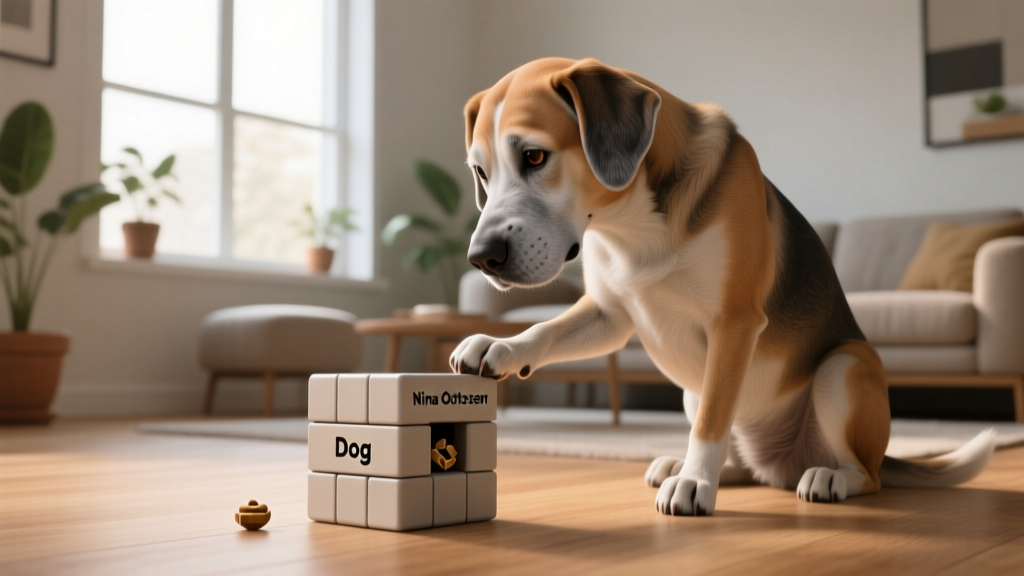
- Boost movement safely: Start with two 15-minute brisk walks daily. Add mental enrichment—food puzzles, scent games, or short training sessions—to burn calories without strain.
- Involve the whole household: Prevent accidental overfeeding by designating one person to manage meals and tracking all treats in a shared log.
When to See Your Veterinarian
Consult your vet before starting any weight-loss plan—especially if your dog:
- Has lost or gained >10% of body weight unexpectedly in 6 months
- Shows signs of pain, limping, or labored breathing
- Is older than 7 years or has chronic health conditions (e.g., kidney disease, heart failure)
- Has tried diet/exercise changes for 4+ weeks with no progress
- Displays increased thirst, urination, hair loss, or skin changes
Your vet will rule out underlying illness, calculate safe calorie targets, and may recommend prescription weight-loss food, bloodwork, or a custom plan. Rapid weight loss (<1–2% of body weight per week) can trigger serious complications like hepatic lipidosis—so gradual, vet-supervised progress is essential.
A Final Note on Compassion
Weight control isn’t about discipline—it’s about deepening your bond through attentive care. Celebrate small wins: the first time your dog trots eagerly to the door, the renewed sparkle in their eyes during play, or simply feeling their ribs easily again. With patience, consistency, and professional support, healthier weight means more joyful, active years together.
Marcus Aldridge
All our authors care for dogs every day — read more of their work on the authors page.