Dog Vomiting White Foam and Died: Causes, Warning Signs & Prevention
Understand why a dog vomiting white foam can signal life-threatening conditions.
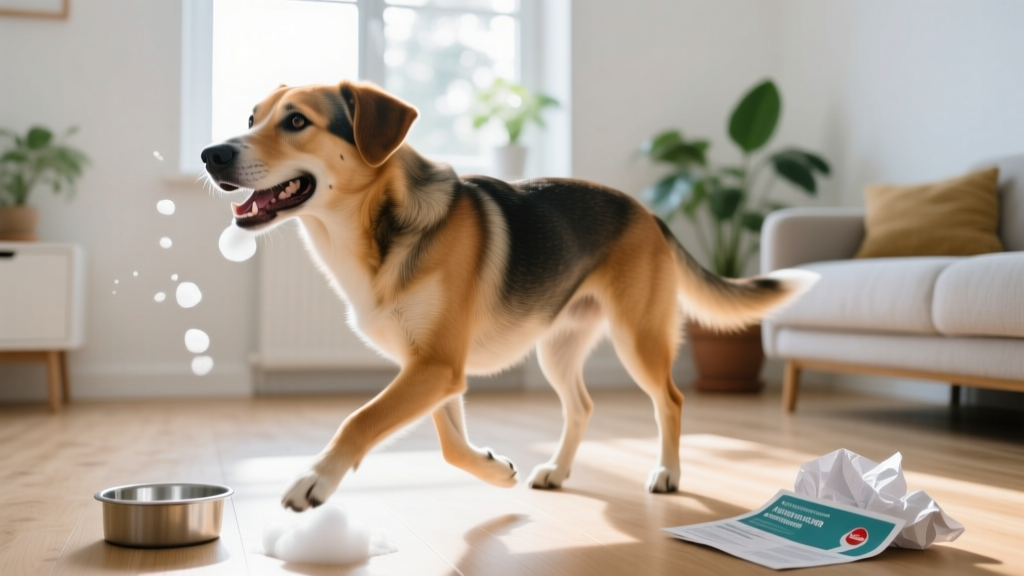
Searching for answers after a dog vomiting white foam and died — or worried your own dog is showing the same signs — is one of the most frightening experiences a pet owner can face. White, foamy vomit (often called "bilious vomiting" or "frothy regurgitation") is not a disease itself but a symptom that can range from mild stomach upset to rapidly fatal conditions like gastric dilatation-volvulus (GDV/bloat), hemorrhagic gastroenteritis, or acute toxin ingestion. Understanding what causes white foamy vomit, when it signals a true emergency, and what your veterinarian can do about it may save your dog's life.
This guide breaks down the most dangerous underlying conditions associated with white foamy vomiting in dogs, the diagnostic process, realistic treatment costs, and the red-flag symptoms that mean you should head to an emergency veterinary clinic immediately.
What Does White Foamy Vomit Mean in Dogs?
White foam in vomit is typically a mixture of air, mucus, and gastric secretions (primarily hydrochloric acid and pepsin) that have been agitated in the stomach. According to the Merck Veterinary Manual, vomiting is a complex reflex involving the chemoreceptor trigger zone (CRTZ) and the vomiting center in the medulla. When the stomach is relatively empty and the dog retches forcefully, the resulting vomit appears frothy and white rather than containing food or bile.
While a single episode of white foam vomiting after eating grass or mild dietary indiscretion is usually benign, repeated episodes, especially when accompanied by lethargy, abdominal distension, or collapse, can indicate a life-threatening emergency. The conditions most commonly linked to fatal outcomes include:
- Gastric Dilatation-Volvulus (GDV/Bloat) — Stomach fills with gas and twists, cutting off blood supply. Mortality rate: 15–33% even with treatment.
- Hemorrhagic Gastroenteritis (HGE) — Sudden, severe intestinal inflammation causing hypovolemic shock.
- Acute Toxin Ingestion — Rodenticides, xylitol, ethylene glycol (antifreeze), and certain plants.
- Acute Pancreatitis — Severe pancreatic inflammation that can lead to systemic organ failure.
- Kennel Cough / Tracheobronchitis — Can produce white foam through coughing fits (usually not fatal but distressing).
- Intestinal Obstruction — Foreign bodies blocking the GI tract, leading to perforation and sepsis.
Symptom Checklist: Early Warning vs. Critical Signs
Recognizing where your dog falls on the severity spectrum is essential. Use this checklist to assess urgency.
| Severity Level | Symptoms | Action Required |
|---|---|---|
| Early / Mild | Single episode of white foam vomit; dog remains alert, drinking water, normal gum color | Withhold food 12–24 hours, offer small amounts of water, monitor closely |
| Moderate | 2–3 episodes within 6 hours; decreased appetite; mild lethargy; soft stools | Call your vet during business hours for guidance |
| Concerning | Repeated retching without producing vomit (unproductive vomiting); restlessness; pacing; mild abdominal bloating | Emergency vet visit — possible early GDV |
| Severe / Critical | Distended, tight abdomen; pale or blue gums; collapse; rapid breathing (>40 breaths/min); weak pulse; bloody vomit or diarrhea | Immediate emergency clinic — life-threatening |
| Terminal Signs | Seizures; loss of consciousness; no response to stimuli; extremely low body temperature (<97°F / 36.1°C) | Emergency intervention — prognosis poor |
- Repeated unproductive retching (trying to vomit but nothing comes out)
- Visibly swollen or drum-tight abdomen
- Pale, white, or blue-tinged gums
- Collapse or inability to stand
- Vomit containing blood (looks like coffee grounds or bright red)
- Known or suspected toxin ingestion
ASPCA Animal Poison Control: (888) 426-4435 (24/7, consultation fee applies)
Risk Factors: Which Dogs Are Most Vulnerable?
Breed Predisposition
GDV disproportionately affects large, deep-chested breeds. According to the American Kennel Club, the highest-risk breeds include:
- Great Danes (lifetime risk: ~37%)
- Saint Bernards
- Weimaraners
- Irish Setters
- Gordon Setters
- Standard Poodles
- Basset Hounds
- Doberman Pinschers
- Old English Sheepdogs
Age & Weight
Dogs over 7 years of age face increased risk for both GDV and pancreatitis. Overweight dogs carry a higher baseline risk for pancreatitis, while underweight or geriatric dogs are more vulnerable to rapid decompensation from any vomiting illness.
Environmental & Lifestyle Factors
- Eating one large meal per day (vs. two or more smaller meals)
- Rapid eating without a slow-feeder bowl
- Exercise within 1 hour before or after eating
- Elevated food bowls (controversial — some studies suggest increased GDV risk)
- Stress or anxiety (boarding, travel, household changes)
- Access to garbage, toxins, or foreign objects
Genetic Factors
Having a first-degree relative (parent or sibling) with a history of GDV increases a dog's risk by approximately 20%, per research published in the Journal of the American Veterinary Medical Association.
How Veterinarians Diagnose the Cause of White Foamy Vomiting
Because white foamy vomit is a symptom rather than a diagnosis, your veterinarian will follow a systematic process to identify the underlying cause. Here is the typical diagnostic flow:
- Physical Examination ($50–$120) — Palpation of abdomen, assessment of gum color and capillary refill time, heart rate, temperature, hydration status. If GDV is suspected, this step alone may be enough to proceed to emergency imaging.
- Abdominal Radiographs / X-rays ($150–$400) — The gold standard for confirming GDV. A lateral X-ray will show the classic "double bubble" or "smurf hat" sign if the stomach has twisted. X-rays also reveal foreign bodies, intestinal obstructions, and free abdominal fluid.
- Complete Blood Count (CBC) & Chemistry Panel ($120–$300) — Evaluates white blood cell count (infection/inflammation), red blood cell count (hemorrhage), kidney values (BUN, creatinine), liver enzymes, electrolytes, and blood glucose. Critical for assessing organ function and shock status.
- Canine Pancreatic Lipase (cPL) Test ($80–$200) — A specific test for pancreatitis, which is a common cause of vomiting in dogs and can be rapidly fatal if severe.
- Abdominal Ultrasound ($300–$600) — Provides detailed imaging of soft tissues, intestinal wall thickness, pancreatic inflammation, and free fluid. Often used when X-rays are inconclusive.
- Fecal Tests & Parvovirus Snap Test ($40–$80) — Especially in puppies or unvaccinated dogs, ruling out parvovirus is critical. Parvo can present with vomiting before bloody diarrhea appears.
- Toxin Screening (variable, $100–$500+) — If poisoning is suspected, specific panels for rodenticides, ethylene glycol, or other toxins may be sent to a reference lab. Results can take 24–72 hours.
Total diagnostic costs for a dog presenting with acute white foamy vomiting typically range from $300 to $1,500 depending on how many tests are needed and whether emergency after-hours fees apply (emergency clinic exam fees alone can be $150–$300).
Treatment Options by Underlying Condition
Treatment is entirely dependent on the cause. Below is a comparison of the most common life-threatening conditions associated with white foamy vomiting, their treatments, and outcomes.
| Condition | Primary Treatment | Supportive Care | Success / Survival Rate | Estimated Cost |
|---|---|---|---|---|
| GDV (Bloat) | Emergency surgery — gastropexy + stomach de-rotation | IV fluids, cardiac monitoring, pain management, 2–5 day hospitalization | ~67–85% with prompt surgery; drops to <50% if gastric necrosis present | $3,000–$8,000+ |
| Hemorrhagic Gastroenteritis | Aggressive IV fluid therapy, antibiotics (ampicillin-sulbactam or metronidazole) | Anti-nausea medication (maropitant/Cerenia), bland diet transition | ~90–95% with early treatment; can be fatal within 24 hours if untreated | $1,500–$4,000 |
| Acute Pancreatitis (Severe) | Supportive — IV fluids, pain control, anti-emetics, nutritional support | Low-fat diet long-term, monitoring for complications (DIC, organ failure) | ~65–75% for severe cases; mild cases >90% | $2,000–$6,000 |
| Toxin Ingestion | Decontamination (induced vomiting, activated charcoal), specific antidotes if available | IV fluids, liver protectants (SAMe, N-acetylcysteine), blood products if coagulopathy | Varies widely: xylitol ~80% if early; ethylene glycol ~20% if treatment delayed >12 hours | $1,000–$7,000+ |
| Intestinal Obstruction | Surgical removal of foreign body (enterotomy) or affected segment (resection & anastomosis) | IV fluids, antibiotics, pain management, 2–4 day hospitalization | ~85–95% with surgery before perforation; drops significantly if peritonitis develops | $2,500–$7,000 |
| Kennel Cough / Bronchitis | Antitussives (butorphanol), antibiotics if secondary bacterial infection (doxycycline) | Humidified environment, rest, isolation from other dogs | >98% in otherwise healthy adult dogs | $150–$500 |
Prognosis: What to Expect by Severity
Prognosis varies dramatically based on the underlying cause, how quickly treatment was initiated, and the dog's overall health status.
| Scenario | Typical Prognosis | Expected Recovery Time |
|---|---|---|
| Single episode, mild dietary indiscretion | Excellent — full recovery expected | 12–48 hours |
| Kennel cough with foamy coughing/vomiting | Excellent with treatment | 1–3 weeks |
| HGE caught within first 6–12 hours | Very good — most dogs go home in 2–3 days | 5–7 days to full normal appetite |
| GDV treated surgically within 2–4 hours of onset | Good to fair — 67–85% survive to discharge | 2–4 weeks for full recovery |
| GDV with gastric necrosis or treatment delay >6 hours | Poor — mortality exceeds 50% | Survivors may have ongoing GI complications |
| Ethylene glycol poisoning, treatment delayed >12 hours | Grave — kidney failure often irreversible | Most dogs do not survive without early intervention |
| Intestinal obstruction with perforation and sepsis | Guarded to poor — 30–50% mortality | Extended ICU stay, possible multiple surgeries |
Why Some Dogs Die Despite Treatment
When a dog vomiting white foam has died, the cause is often one of the following cascading events:
- Hypovolemic shock — Massive fluid loss from vomiting and third-spacing (fluid leaking into tissues) causes blood pressure to collapse, leading to multi-organ failure.
- Gastric necrosis and sepsis — In GDV, the twisted stomach loses blood supply. Tissue dies, bacteria flood the bloodstream, and septic shock follows. Even with surgery, dogs with more than 25% gastric wall necrosis have a grave prognosis.
- Disseminated Intravascular Coagulation (DIC) — A catastrophic clotting disorder triggered by severe inflammation (pancreatitis, sepsis, HGE). The body simultaneously forms clots and bleeds uncontrollably. Mortality exceeds 80%.
- Cardiac arrhythmias — GDV and severe electrolyte imbalances can cause fatal heart rhythm disturbances, sometimes occurring even after successful surgery (ventricular premature complexes are common in the 48–72 hours post-GDV surgery).
- Delayed presentation — The single biggest factor in fatal outcomes is time. Dogs that arrive at the emergency clinic more than 6 hours after symptom onset have significantly worse outcomes across all conditions.
Home Care and Prevention Strategies
While you cannot prevent all causes of white foamy vomiting, these evidence-based strategies significantly reduce risk for the most dangerous conditions:
Feeding Practices to Reduce GDV Risk
- Feed 2–3 smaller meals per day instead of one large meal
- Use a slow-feeder bowl (e.g., Outward Hound Fun Feeder or Hyper Pet Lickimat) to prevent gulping
- Avoid vigorous exercise for 60 minutes before and after meals
- Do not use elevated food bowls unless specifically recommended by your vet — a study in the JAVMA found elevated feeders may actually increase GDV risk in large breeds
- Consider a prophylactic gastropexy (preventive stomach-tacking surgery) if your dog is a high-risk breed. Cost: $300–$800 when combined with spay/neuter; $1,200–$2,500 as a standalone procedure
Toxin Prevention
- Store all medications, cleaning products, and automotive fluids in locked cabinets
- Check the ASPCA's toxic plant list before bringing new plants into your home or yard
- Never feed dogs products containing xylitol (sugar-free gum, certain peanut butters, baked goods)
- Use pet-safe rodent control methods — avoid anticoagulant rodenticides
General GI Health
- Transition foods gradually over 7–10 days when changing diets
- Keep trash cans secured with locking lids
- Maintain regular deworming schedules (every 3–6 months depending on lifestyle)
- Keep vaccinations current, especially for parvovirus and bordetella
If Your Dog Vomits White Foam Once
- Remove food for 12–24 hours (water should remain available in small, frequent amounts)
- After the fasting period, offer a bland diet: boiled white-meat chicken (no skin, no bones, no seasoning) and plain white rice in a 1:2 ratio, fed in small portions 3–4 times daily
- Gradually transition back to regular food over 3–5 days
- If vomiting recurs, or if your dog shows any symptoms from the "Concerning" or "Severe" categories in the checklist above, contact your veterinarian immediately
Treatment Cost Breakdown: What to Budget For
The financial reality of treating conditions that cause white foamy vomiting can be significant. Here is a realistic breakdown based on 2025–2026 US veterinary pricing data:
- Emergency clinic exam fee: $150–$300
- Diagnostic workup (X-rays, blood work, ultrasound): $400–$1,200
- IV fluid therapy (per day): $200–$500
- Emergency GDV surgery (including hospitalization): $3,000–$8,000+
- Intestinal obstruction surgery: $2,500–$7,000
- HGE hospitalization (2–3 days): $1,500–$4,000
- Severe pancreatitis ICU stay (3–5 days): $2,000–$6,000
- Blood transfusion (if needed): $500–$1,500 per unit
- Post-discharge medications and follow-up: $100–$500
Worst-case scenario costs for a dog with GDV complicated by gastric necrosis, sepsis, and extended ICU stay can exceed $10,000–$15,000. Pet insurance with accident-and-illness coverage typically reimburses 70–90% of these costs after deductible, and premiums for large-breed dogs average $50–$100/month depending on age and coverage level. Consult your veterinarian about whether insurance is a worthwhile investment for your dog's breed profile.
Frequently Asked Questions
Can kennel cough cause a dog to vomit white foam?
Yes. Kennel cough (infectious tracheobronchitis) causes intense coughing fits that can trigger a gag reflex, producing white foamy material. This is technically expectoration rather than true vomiting. While kennel cough is rarely fatal in healthy adult dogs, it can progress to pneumonia in puppies, seniors, or immunocompromised dogs. If your dog is coughing up white foam and you suspect kennel cough, consult your veterinarian for diagnosis and appropriate treatment.
My dog vomited white foam once and seems fine — should I worry?
A single episode of white foam vomit in an otherwise bright, alert, and hydrated dog is usually not an emergency. Monitor closely for 24 hours. If vomiting recurs, if your dog becomes lethargic, stops drinking, or develops a distended abdomen, seek veterinary care immediately. When in doubt, a phone consultation with your vet clinic can help you assess risk.
Can eating too fast cause a dog to vomit white foam and die?
Rapid eating is a known risk factor for GDV (bloat), which can be fatal within hours. While eating fast alone doesn't directly cause death, the air swallowed during rapid eating contributes to gastric distension, which in susceptible breeds can lead to stomach torsion. Using a slow-feeder bowl and splitting meals into smaller, more frequent portions are practical preventive steps.
Is white foam vomit a sign of parvovirus?
Parvovirus can cause vomiting that may initially appear as white foam, especially in the early stages before bloody diarrhea develops. Parvo is most dangerous in unvaccinated puppies aged 6 weeks to 6 months. If your puppy is vomiting and has not completed their full DHPP vaccination series (typically 3–4 doses given at 6, 9, 12, and 16 weeks), treat this as an emergency and contact your vet immediately. Parvo has a ~90% survival rate with aggressive treatment but is nearly always fatal without it.
What should I do if my dog is vomiting white foam at night?
Nighttime vomiting of white foam can be a sign of bilious vomiting syndrome (acid reflux on an empty stomach), which is usually manageable with a small bedtime snack. However, if the vomiting is accompanied by restlessness, pacing, a swollen belly, or repeated unproductive retching, go to an emergency vet immediately — these are hallmark GDV signs and do not wait for morning. GDV can kill within 2–6 hours of onset.
How can I prevent my dog from dying from conditions that cause white foamy vomit?
The most impactful steps are: (1) know your dog's breed-specific risks and discuss prophylactic gastropexy with your vet if applicable; (2) feed smaller, more frequent meals using slow-feeders; (3) pet-proof your home against toxins; (4) keep vaccinations current; (5) recognize emergency symptoms and go to the vet without delay. Time is the single most important factor in survival for GDV, HGE, toxin ingestion, and intestinal obstructions.
This article is for informational purposes only and does not replace professional veterinary advice. If your dog is vomiting white foam and showing any signs of distress, consult your veterinarian or visit an emergency veterinary clinic immediately. For suspected poisoning, contact ASPCA Animal Poison Control at (888) 426-4435.
Beth Carrasco
All our authors care for dogs every day — read more of their work on the authors page.


