Dog Vomit: When to Worry, What It Means, and Treatment Options
Guide to dog vomit: learn what different types mean, when to see the vet, diagnosis costs, treatment options, and how to manage recovery at home.
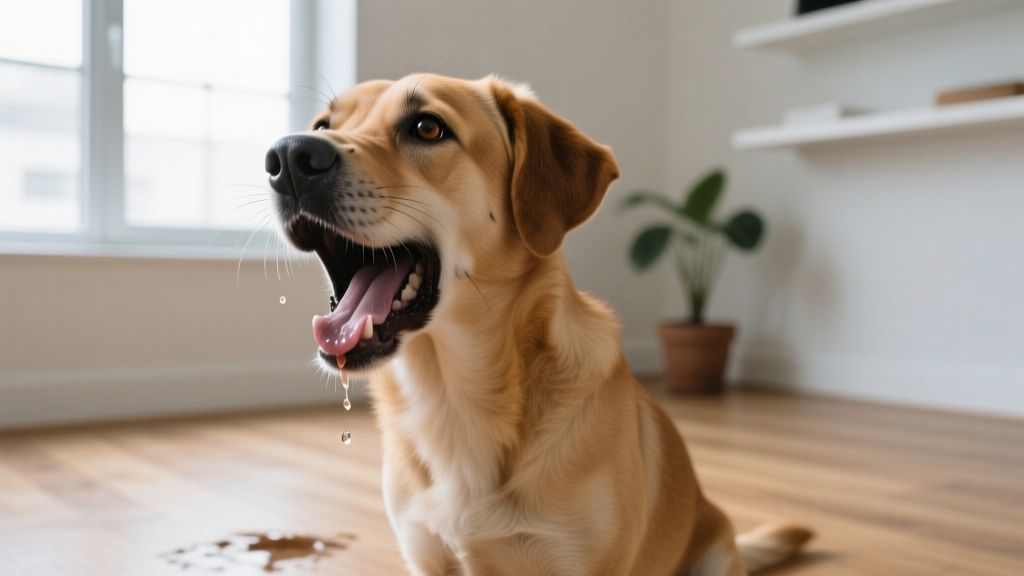
Seeing your dog vomit can range from a minor inconvenience to a genuine emergency. While an isolated episode of dog vomit after eating too quickly is usually harmless, persistent or severe vomiting can signal serious underlying conditions ranging from gastrointestinal obstruction to organ failure. Understanding what different types of vomit indicate, when symptoms warrant immediate veterinary attention, and what to expect during diagnosis and treatment can help you make better decisions for your dog's health.
What Is Vomiting in Dogs?
Vomiting (emesis) is the forceful expulsion of stomach or intestinal contents through the mouth. It's a protective reflex triggered by the vomiting center in the brain, which receives signals from the gastrointestinal tract, inner ear, kidneys, liver, and other organs. Unlike regurgitation — which is passive and involves undigested food coming back up from the esophagus without abdominal effort — true vomiting involves active abdominal contractions, retching, and often nausea beforehand.
According to the Merck Veterinary Manual, vomiting is one of the most common clinical signs presented in veterinary practice, affecting dogs of all breeds and ages. Acute vomiting (lasting less than 5-7 days) is extremely common and often self-limiting. Chronic vomiting (persisting beyond 7 days or recurring frequently) affects an estimated 10-15% of dogs at some point and typically indicates an underlying condition requiring diagnosis.
Types of Dog Vomit and What They Mean
The appearance of your dog's vomit provides critical diagnostic clues. Before cleaning it up, take note of these characteristics:
| Vomit Type | Appearance | Possible Causes | Urgency Level |
|---|---|---|---|
| Undigested food | Whole kibble or recognizable food | Eating too fast, exercise after meals, food intolerance | Low (if isolated) |
| Yellow/green bile | Foamy yellow or greenish liquid | Bilious vomiting syndrome, empty stomach, gallbladder issues | Moderate |
| White foam | Frothy white substance | Gastritis, acid reflux, kennel cough (if also coughing) | Low to Moderate |
| Blood (fresh) | Bright red streaks or spots | Stomach ulcers, trauma, clotting disorders, toxins | HIGH — Emergency |
| Blood (digested) | Dark brown "coffee grounds" | Upper GI bleeding, ulcers, NSAID toxicity | HIGH — Emergency |
| Fecal matter | Brown, foul-smelling, resembles stool | Intestinal obstruction, severe constipation | HIGH — Emergency |
| Foreign objects | Toy pieces, fabric, plastic, plant matter | Pica, foreign body ingestion | HIGH — Emergency |
| Clear liquid | Water or mucus | Drinking too fast, mild gastritis, nausea | Low (if brief) |
Symptoms Checklist: Early Warning Signs vs Advanced Symptoms
Vomiting rarely occurs in isolation. Watch for these accompanying symptoms, organized by severity:
Early Warning Signs (Monitor Closely)
- Single episode of vomiting with normal behavior afterward
- Mild decrease in appetite for one meal
- Slightly increased water consumption
- Occasional lip-licking or drooling (nausea signs)
- Soft stool but not diarrhea
Moderate Symptoms (Vet Visit Within 24-48 Hours)
- Multiple vomiting episodes within 24 hours (3+ times)
- Decreased appetite lasting more than 24 hours
- Lethargy or reduced activity level
- Mild dehydration (tacky gums, slightly slow skin tent)
- Diarrhea accompanying vomiting
- Weight loss over several days
- Abdominal discomfort or mild bloating
Advanced/Emergency Symptoms (Immediate Vet Care)
- Projectile vomiting or inability to keep water down
- Blood in vomit (fresh red or coffee-ground appearance)
- Distended, hard, or painful abdomen
- Severe lethargy, collapse, or weakness
- Signs of severe dehydration (sunken eyes, very dry gums, skin tent >3 seconds)
- Vomiting accompanied by seizures or disorientation
- Known or suspected toxin ingestion
- Vomiting with pale or blue-tinged gums
- Unproductive retching (trying to vomit but nothing comes up)
- Fever above 103.5°F (39.7°C)
If your dog exhibits any advanced symptoms, is a puppy under 6 months, is a senior dog over 8 years, has pre-existing health conditions (diabetes, kidney disease, Addison's disease), or if vomiting persists beyond 24 hours in adult dogs. For suspected toxin ingestion, call ASPCA Animal Poison Control at (888) 426-4435 (24/7, consultation fee applies) or Pet Poison Helpline at (855) 764-7661.
Risk Factors: Which Dogs Are Most Susceptible?
Breed Predisposition
Certain breeds have higher risks for conditions causing vomiting:
- Large/Giant Breeds (Great Danes, German Shepherds, Standard Poodles): Higher risk of gastric dilatation-volvulus (GDV/bloat), a life-threatening emergency
- Brachycephalic Breeds (Bulldogs, Pugs, Boston Terriers): Prone to gastrointestinal issues and regurgitation due to airway anatomy
- Terriers and Retrievers: Higher incidence of foreign body ingestion due to strong prey drive and chewing behavior
- Miniature Schnauzers: Predisposed to pancreatitis, especially after fatty meals
- German Shepherds: Higher rates of inflammatory bowel disease (IBD) and exocrine pancreatic insufficiency (EPI)
Age-Related Risks
- Puppies (under 6 months): Higher risk from parvovirus, intestinal parasites, foreign body ingestion; dehydrate rapidly
- Adult dogs (1-7 years): Most commonly affected by dietary indiscretion, foreign bodies, infectious diseases
- Senior dogs (8+ years): Higher risk of organ disease (kidney, liver), cancer, metabolic disorders
Environmental & Lifestyle Factors
- Access to garbage, toxic plants, human medications, or small objects
- Rapid eating habits (aerophagia — swallowing air)
- Recent diet changes without transition period
- High-fat diet or table scraps
- Stress or anxiety (boarding, travel, new pets)
- Intact females (pyometra risk)
How Veterinarians Diagnose the Cause of Vomiting
Because vomiting is a symptom rather than a disease itself, diagnosis focuses on identifying the underlying cause. Your veterinarian will follow a systematic approach:
Step 1: History & Physical Examination ($50-$100)
Your vet will ask about:
- Onset, frequency, and duration of vomiting
- Appearance and contents of vomit
- Recent diet changes, access to trash/toxins, foreign body exposure
- Vaccination status (especially parvovirus in puppies)
- Current medications (NSAIDs, steroids can cause ulcers)
- Appetite, water intake, urination, stool quality
Physical exam includes abdominal palpation, hydration assessment, temperature, and oral examination.
Step 2: Baseline Diagnostic Tests ($150-$400)
- Complete Blood Count (CBC): Checks for infection, anemia, dehydration ($50-$80)
- Biochemistry Panel: Evaluates kidney function, liver enzymes, electrolytes, glucose ($70-$120)
- Urinalysis: Assesses kidney function and hydration ($30-$50)
- Fecal Examination: Checks for parasites, blood, abnormal bacteria ($25-$45)
Step 3: Advanced Imaging (if indicated) ($200-$800)
- Abdominal X-rays (radiographs): Detects foreign bodies, obstructions, organ enlargement ($150-$300 for 2-3 views)
- Abdominal Ultrasound: Evaluates organ structure, detects masses, assesses intestinal wall thickness ($300-$500)
- Contrast Studies: Barium series to track GI transit if partial obstruction suspected ($200-$400)
Step 4: Specialized Tests (case-dependent) ($100-$600+)
- Canine Pancreatic Lipase (cPL): Specific test for pancreatitis ($80-$150)
- Parvovirus Test: Rapid in-clinic test for puppies ($40-$60)
- Endoscopy: Visual examination of stomach/intestines with biopsy capability ($500-$1,200)
- Exploratory Surgery: Both diagnostic and therapeutic when obstruction or foreign body confirmed ($1,500-$4,000+)
Treatment Options: Medical, Surgical, and Supportive Care
Treatment depends entirely on the underlying cause. Here's what to expect for common scenarios:
| Condition | Treatment Approach | Success Rate | Typical Cost Range |
|---|---|---|---|
| Acute Gastritis (dietary indiscretion) | Fasting 12-24 hours, bland diet, anti-nausea medication (maropitant/Cerenia), fluid therapy if dehydrated | 90-95% resolve within 3-5 days | $150-$500 |
| Foreign Body Obstruction | Emergency surgery (enterotomy/gastrotomy) or endoscopic retrieval if accessible | 85-95% with timely surgery; drops to 60-70% if intestinal necrosis occurs | $1,500-$4,000 (surgery); $800-$2,000 (endoscopy) |
| Parvovirus | Aggressive IV fluids, antibiotics, anti-nausea meds, plasma transfusions, isolation | 80-95% with intensive hospitalization; <10% without treatment | $1,500-$5,000+ (3-7 day hospitalization) |
| Pancreatitis | IV fluids, pain management, anti-nausea medication, low-fat diet long-term | 70-90% for mild-moderate; 50-60% for severe necrotizing form | $500-$2,500 (mild); $2,000-$6,000+ (severe) |
| Kidney Disease (chronic) | Fluid therapy, prescription renal diet, phosphate binders, anti-nausea meds | Management, not cure; survival 6 months to 3+ years depending on stage | $200-$800/month ongoing |
| GDV/Bloat | Emergency decompression, surgery to correct torsion and perform gastropexy | 60-80% with immediate surgery; near 100% fatal without treatment | $3,000-$7,000+ |
| Intestinal Parasites | Deworming medication (fenbendazole, pyrantel, praziquantel based on parasite type) | 95%+ with appropriate treatment | $50-$150 |
| Inflammatory Bowel Disease (IBD) | Dietary trials, immunosuppressive drugs (prednisone, budesonide), B12 supplements | 70-80% achieve remission; requires long-term management | $300-$1,500 initial; $100-$400/month ongoing |
Supportive Care Measures (used across many conditions):
- Fluid Therapy: Subcutaneous (under skin) for mild dehydration ($50-$100); IV for moderate-severe cases ($100-$300/day in hospital)
- Anti-emetics: Maropitant (Cerenia) $30-$80; ondansetron $20-$50; metoclopramide $15-$40
- Gastroprotectants: Famotidine (Pepcid) or omeprazole to reduce stomach acid ($15-$40)
- Probiotics: FortiFlora, Proviable, or Visbiome Vet to restore gut flora ($20-$60)
- Bland Diet: Prescription GI diets (Hill's i/d, Royal Canin GI, Purina EN) or homemade boiled chicken and white rice
Prognosis by Severity: What to Expect
| Severity Level | Typical Causes | Recovery Timeline | Long-Term Outlook |
|---|---|---|---|
| Mild (Acute, Self-Limiting) | Dietary indiscretion, eating too fast, mild food intolerance, stress | 1-3 days with supportive care | Excellent — full recovery expected, no lasting effects |
| Moderate (Requires Treatment) | Gastritis, parasites, mild pancreatitis, infectious gastroenteritis | 5-14 days with appropriate treatment | Good — most dogs recover fully; some conditions (pancreatitis) may recur |
| Severe (Hospitalization Required) | Foreign body obstruction, parvovirus, severe pancreatitis, toxin ingestion | 1-4 weeks; may require 3-7 day hospitalization | Guarded to Good — survival depends on timely intervention; some organ damage possible |
| Critical (Life-Threatening) | GDV/bloat, intestinal perforation, severe poisoning, advanced organ failure | Weeks to months if survival; emergency surgery often required | Guarded to Poor — high mortality even with treatment; quality of life considerations |
| Chronic (Ongoing Management) | IBD, chronic kidney disease, liver disease, food allergies | Ongoing; symptom management rather than cure | Variable — depends on disease stage at diagnosis; months to years with proper management |
Home Care & Management During Recovery
Once your vet has diagnosed and treated the underlying cause, proper home care is essential for recovery:
Immediate Post-Vomiting Care (First 24 Hours)
- Withhold food for 12-24 hours (adult dogs only — never fast puppies under 6 months or toy breeds prone to hypoglycemia for more than 12 hours without vet guidance)
- Offer small amounts of water frequently — ice cubes or 1-2 tablespoons every 30 minutes to prevent dehydration without triggering more vomiting
- Monitor closely — keep a log of any additional vomiting episodes, water intake, and behavior changes
- Keep your dog quiet — restrict exercise and excitement during the fasting period
Reintroducing Food (Days 2-5)
- Start with a bland diet: boiled boneless, skinless chicken breast and white rice (1:2 ratio) OR a prescription GI diet
- Feed small meals 4-6 times daily — approximately 1/4 of normal meal size per feeding
- Gradually increase portion size and decrease frequency over 3-5 days
- Transition back to regular diet over 5-7 days by mixing increasing amounts of regular food with bland diet
- If vomiting recurs during reintroduction, stop feeding and contact your vet
Long-Term Prevention Strategies
- Slow-feeder bowls: Outward Hound Fun Feeder ($10-$20) or similar to prevent rapid eating
- Elevated feeding: For large breeds, raised bowls may reduce air swallowing (though evidence on GDV prevention is mixed)
- Consistent diet: Avoid frequent food changes; transition over 7-10 days when necessary
- Restrict access: Secure trash cans, remove small objects, supervise outdoor time to prevent scavenging
- Regular deworming: Follow your vet's parasite prevention schedule (typically every 3-6 months)
- Stress reduction: Maintain routines, provide safe spaces, consider calming supplements (Zylkene, Solliquin) for anxiety-prone dogs
- Post-meal rest: Avoid vigorous exercise for 1-2 hours after meals, especially in large breeds
Cost Breakdown: What to Budget For
Veterinary care costs vary significantly by region, clinic type (general practice vs. emergency/specialty), and case complexity. Here's a realistic breakdown for 2026:
| Service | General Practice | Emergency/Specialty |
|---|---|---|
| Office Visit/Exam | $50-$100 | $150-$250 |
| Blood Work (CBC + Chemistry) | $120-$200 | $180-$300 |
| X-rays (2-3 views) | $150-$300 | $250-$450 |
| Abdominal Ultrasound | $300-$500 | $400-$700 |
| IV Fluids (per day in hospital) | $100-$200 | $200-$400 |
| Foreign Body Surgery | $1,500-$3,000 | $3,000-$6,000+ |
| Hospitalization (per day) | $200-$500 | $500-$1,500 |
| Medications (anti-emetics, antibiotics) | $30-$150 | $50-$250 |
Total Cost Scenarios:
- Best Case (mild gastritis, outpatient): $150-$400
- Moderate Case (diagnostics + hospitalization 1-2 days): $800-$2,500
- Severe Case (surgery + extended hospitalization): $3,000-$8,000+
- Chronic Condition Management (ongoing): $100-$500/month
Financial Planning Tips: Pet insurance typically covers diagnostic workups and treatments for vomiting if not pre-existing. Monthly premiums range from $30-$80 depending on coverage level. CareCredit or Scratchpay offer payment plans for unexpected veterinary bills. Many clinics offer wellness plans that include routine bloodwork, which can catch chronic conditions early.
When to See the Vet: Red Flags That Can't Wait
Seek IMMEDIATE Veterinary Care If Your Dog:
- Vomits blood (bright red or coffee-ground material)
- Has a distended, hard, or painful abdomen
- Shows unproductive retching (trying to vomit but nothing comes up) — possible GDV/bloat
- Is lethargic, collapsed, or unresponsive
- Has pale, blue, or brick-red gums
- Is a puppy under 6 months with repeated vomiting (parvovirus risk, rapid dehydration)
- Has known or suspected access to toxins (rodenticide, antifreeze, xylitol, grapes/raisins, human medications)
- Vomits after trauma (hit by car, fall, attack)
- Shows signs of severe dehydration (sunken eyes, skin tent >3 seconds, very dry gums)
- Has vomiting accompanied by seizures, disorientation, or difficulty breathing
- Is a diabetic dog with vomiting (risk of diabetic ketoacidosis)
- Has not kept water down for more than 12 hours
Time is critical. Conditions like GDV can be fatal within hours. Intestinal obstructions cause tissue death within 24-48 hours. Parvovirus has dramatically better survival rates with early aggressive treatment. When in doubt, call your vet or the nearest emergency clinic — most will advise you over the phone whether immediate presentation is necessary.
Emergency Contacts:
- Your regular veterinarian (most have after-hours emergency numbers)
- Local 24-hour emergency veterinary clinic
- ASPCA Animal Poison Control: (888) 426-4435 (24/7, consultation fee applies)
- Pet Poison Helpline: (855) 764-7661
Frequently Asked Questions About Dog Vomit
Why does my dog vomit yellow bile in the morning?
This is typically bilious vomiting syndrome — bile irritates an empty stomach after overnight fasting. It's common in dogs fed once daily. Solutions include feeding a small snack before bedtime, dividing meals into smaller portions throughout the day, or using an automatic feeder for early morning meals. If it persists beyond a week or is accompanied by appetite loss, see your vet to rule out gallbladder disease or other conditions.
Is it normal for dogs to vomit after eating grass?
Many dogs eat grass without vomiting afterward. When vomiting does occur, it's usually because the grass irritates the stomach lining or the dog ate too much too quickly. Occasional grass-induced vomiting isn't concerning, but frequent grass eating with vomiting may indicate underlying nausea, dietary deficiency, or behavioral issues. Ensure the grass hasn't been treated with pesticides or fertilizers.
Can I give my dog Pepto-Bismol or other human anti-nausea medications?
Never give human medications without veterinary guidance. Pepto-Bismol contains salicylates (aspirin-family compounds) that can be toxic to dogs and may mask serious symptoms. Some human medications like Dramamine (dimenhydrinate) are occasionally used in dogs but require proper dosing by weight. Your vet can prescribe safe, effective anti-emetics like maropitant (Cerenia) specifically formulated for dogs.
How long should I wait before feeding my dog after vomiting?
For adult dogs with a single vomiting episode and otherwise normal behavior, withhold food for 12-24 hours while offering small amounts of water frequently. Puppies, toy breeds, and dogs with diabetes should not be fasted for more than 12 hours without veterinary guidance due to hypoglycemia risk. If vomiting recurs when you reintroduce food, stop and contact your vet.
My dog vomits occasionally but seems fine otherwise. Should I be concerned?
Occasional vomiting (once every few weeks) in an otherwise healthy, active dog with normal appetite and stool may not indicate a serious problem. However, any increase in frequency warrants investigation. Keep a vomit journal noting date, time, appearance, and what your dog ate beforehand. Share this with your vet at your next wellness visit. Chronic intermittent vomiting can indicate food sensitivities, IBD, or other conditions that benefit from early intervention.
What's the difference between vomiting and regurgitation?
Vomiting involves active abdominal contractions, retching, and usually nausea beforehand. The material comes from the stomach and may be partially digested, yellow/green (bile), or contain blood. Regurgitation is passive — food or liquid simply comes back up from the esophagus without effort, often immediately after eating, and appears undigested and tubular. Regurgitation suggests esophageal problems (megaesophagus, strictures) rather than stomach issues and requires different diagnostic approaches.
Which dog breeds are most prone to vomiting-related emergencies?
Large, deep-chested breeds (Great Danes, German Shepherds, Standard Poodles, Weimaraners) have the highest risk of GDV/bloat. Terriers, Labrador Retrievers, and other high-drive breeds are more likely to ingest foreign objects. Miniature Schnauzers, Yorkshire Terriers, and Cocker Spaniels are predisposed to pancreatitis. Brachycephalic breeds (Bulldogs, Pugs) frequently experience regurgitation and gastrointestinal issues. However, any breed can develop conditions causing vomiting.
Can vomiting be a sign of cancer in dogs?
Yes, particularly in senior dogs. Gastrointestinal tumors (lymphoma, adenocarcinoma, leiomyosarcoma) can cause chronic vomiting, often with weight loss and appetite changes. Mast cell tumors can increase stomach acid production leading to ulcers and vomiting. Systemic cancers affecting the liver or causing metabolic disruption may also present with vomiting. In dogs over 8 years with new-onset chronic vomiting, cancer screening (bloodwork, imaging, potentially biopsy) is an important part of the diagnostic process.
How can I prevent vomiting in my dog?
While you can't prevent all causes, you can reduce risk by: feeding consistent, high-quality diets appropriate for your dog's life stage; using slow-feeder bowls for rapid eaters; avoiding table scraps and high-fat treats; securing trash and toxic substances; maintaining regular parasite prevention; transitioning foods gradually over 7-10 days; avoiding exercise immediately after meals (especially in large breeds); and keeping up with annual wellness exams that include bloodwork to catch early organ changes.
This article provides educational information and should not replace professional veterinary advice. Always consult your veterinarian for diagnosis and treatment of your dog's specific condition. If your dog is experiencing a medical emergency, contact your veterinarian or nearest emergency veterinary clinic immediately.
Anouk Beaumont
All our authors care for dogs every day — read more of their work on the authors page.


