How to Use Dog Treat Toys & Puzzle Feeders for Weight Loss Nutrition
Learn how dog treat toys puzzle feeders support weight management, with calorie targets, portion guides, top food picks, and transition protocols for 2026.
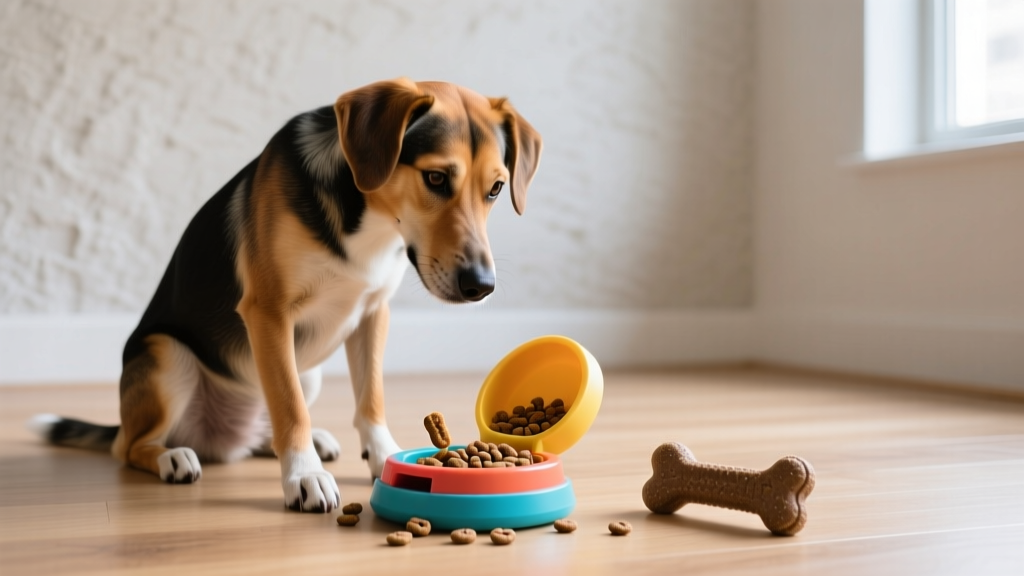
Why Dog Treat Toys & Puzzle Feeders Matter for Overweight Dogs
If your veterinarian has flagged your dog's body condition score (BCS) above the ideal 4–5 out of 9, you're not alone. The Association for Pet Obesity Prevention estimates that 56% of US dogs are overweight or obese. Slowing down meals with a dog treat toys puzzle feeder isn't just entertainment — it's a legitimate nutritional strategy. Puzzle feeders extend eating time from 30 seconds to 15–25 minutes, which improves satiety signaling, reduces begging, and lowers the risk of bloat (gastric dilatation-volvulus) in deep-chested breeds.
But the toy itself is only half the equation. What you put inside the puzzle determines whether your dog loses weight, maintains, or continues gaining. This guide covers the full nutritional framework for using treat-dispensing toys as part of a structured weight-loss plan.
Nutritional Requirements for Weight-Loss Dogs
A weight-loss diet isn't simply "less food." It requires a specific macronutrient profile that preserves lean muscle mass while creating a caloric deficit. According to the Merck Veterinary Manual, effective canine weight-loss nutrition targets:
| Nutrient | Maintenance Diet | Weight-Loss Diet | Why It Matters |
|---|---|---|---|
| Protein (dry matter basis) | 22–26% | 30–38% | Preserves lean muscle during caloric restriction |
| Fat (DMB) | 12–18% | 8–12% | Reduces caloric density (fat = 9 kcal/g vs. protein/carb = 4 kcal/g) |
| Fiber (DMB) | 2–5% | 7–15% | Increases satiety, slows gastric emptying |
| Calories (kcal/day) | Varies | RER × 1.0 (see below) | Creates ~15–20% deficit from maintenance needs |
| Moisture | Kibble ~10% | Wet food ~75% | Higher moisture = larger volume for fewer calories |
Calculating Resting Energy Requirement (RER): RER = 70 × (body weight in kg)^0.75. For a 30-lb (13.6 kg) dog: 70 × (13.6)^0.75 = approximately 495 kcal/day for weight loss. Your vet may adjust this based on body condition score and activity level.
Best Dog Foods for Puzzle Feeder Weight-Loss Plans
When selecting kibble or wet food to use inside treat-dispensing puzzle toys, you need options that are nutritionally complete, appropriately caloric, and sized to fit the toy's dispensing holes. Here are the top picks based on AAFCO compliance, guaranteed analysis, and real-world puzzle-toy compatibility:
1. Hill's Science Diet Adult Perfect Weight
Price: $22–$28 for 15.5-lb bag | Calories: 263 kcal/cup | Protein: 27.6% DMB | Fat: 12.8% DMB
Clinically tested with a 12-month weight-loss study. Small kibble size fits most Kong Wobbler and Outward Hound puzzle toys. AAFCO statement for adult maintenance. Added L-carnitine supports fat metabolism.
2. Royal Canin Weight Care (Veterinary Diet)
Price: $28–$35 for 12-lb bag (vet-prescribed) | Calories: 246 kcal/cup | Protein: 32% DMB | Fat: 9% DMB
High-protein, high-fiber formula designed for satiety. Requires veterinary authorization. Excellent for dogs that beg excessively during caloric restriction. Kibble designed for slow eating.
3. Purina Pro Plan Weight Management
Price: $18–$24 for 16-lb bag | Calories: 288 kcal/cup | Protein: 30% DMB | Fat: 11% DMB
Widely available, budget-friendly option. Live probiotics support gut health during diet transitions. Medium kibble size works well with snuffle mats and maze bowls. AAFCO adult maintenance approved.
4. Blue Buffalo Wilderness Healthy Weight
Price: $20–$26 for 15-lb bag | Calories: 300 kcal/cup | Protein: 34% DMB | Fat: 10% DMB
Grain-free option for dogs with grain sensitivities. Higher protein from deboned chicken. Note: FDA has investigated grain-free diets and dilated cardiomyopathy (DCM) — consult your vet before choosing grain-free long-term.
5. Wellness CORE Reduced Fat
Price: $24–$30 for 12-lb bag | Calories: 295 kcal/cup | Protein: 36% DMB | Fat: 10% DMB
High-protein, grain-inclusive formula with omega fatty acids for coat health during weight loss. Kibble is slightly larger — best for bigger puzzle toys like the Kong Classic (Medium/Large).
6. Open Farm Simple Blend Weight Management (Freeze-Dried)
Price: $32–$42 for 10-lb bag | Calories: 310 kcal/cup | Protein: 38% DMB | Fat: 12% DMB
Premium option for picky eaters. Freeze-dried raw coating increases palatability without excess calories. Crumble into puzzle toys for high-value engagement. AAFCO complete and balanced.
What to Look for on the Label
- AAFCO Statement: Must read "formulated to meet the nutritional levels established by the AAFCO Dog Food Nutrient Profiles for adult maintenance." Avoid foods labeled "for intermittent or supplemental feeding only" — these are treats, not complete diets.
- First Ingredient: Named animal protein (chicken, turkey, salmon) — not "meat meal" or "animal by-products."
- Guaranteed Analysis: Compare protein and fat on a dry matter basis (DMB), not as-fed. Convert by dividing by (100% minus moisture%).
- Calorie Statement: Look for kcal/cup or kcal/kg. Without this, you cannot accurately portion for a puzzle toy.
- Avoid: Artificial preservatives (BHA, BHT, ethoxyquin), unnamed fat sources ("animal fat"), and added sugars (corn syrup, sucrose).
Feeding Amounts by Weight for Puzzle Toy Use
The following table provides daily caloric targets for weight loss, adjusted for activity level. Remember: treats inside puzzle toys count toward the daily total. If 30% of calories go into the puzzle toy, reduce the bowl meal by 30%.
| Dog Weight | Sedentary (kcal/day) | Moderate Activity (kcal/day) | Active (kcal/day) | Puzzle Toy Portion (25%) |
|---|---|---|---|---|
| 10 lb / 4.5 kg | 185 kcal | 220 kcal | 265 kcal | ~46–66 kcal |
| 20 lb / 9 kg | 310 kcal | 370 kcal | 445 kcal | ~78–111 kcal |
| 30 lb / 13.6 kg | 415 kcal | 495 kcal | 595 kcal | ~104–149 kcal |
| 50 lb / 22.7 kg | 595 kcal | 710 kcal | 855 kcal | ~149–214 kcal |
| 70 lb / 31.8 kg | 750 kcal | 895 kcal | 1,075 kcal | ~188–269 kcal |
| 90 lb / 40.8 kg | 890 kcal | 1,065 kcal | 1,280 kcal | ~223–320 kcal |
Adjustment factors: Spayed/neutered dogs need ~10–15% fewer calories than intact dogs. Senior dogs (7+ years) typically need 10–20% fewer calories due to reduced metabolic rate. Small breeds (under 20 lb) have faster metabolisms and may need the higher end of their range.
Which Dog Treat Toys & Puzzle Feeders Work Best?
Not all puzzle toys are compatible with every kibble size or wet food consistency. Here's a practical matching guide:
| Puzzle Toy | Best Food Type | Kibble Size | Difficulty | Price Range |
|---|---|---|---|---|
| Kong Classic | Wet food, kibble + peanut butter | Any (layered) | Beginner–Advanced | $12–$20 |
| Kong Wobbler | Dry kibble only | Small–Medium | Intermediate | $15–$25 |
| Outward Hound Nina Ottosson Dog Brick | Kibble, soft treats | Small | Intermediate | $18–$28 |
| West Paw Toppl | Wet food, frozen yogurt | N/A (no kibble) | Beginner | $15–$22 |
| Snuffle Mat | Dry kibble, freeze-dried | Any | Beginner | $12–$30 |
| Starmark Bob-A-Lot | Dry kibble | Small–Medium | Intermediate | $12–$18 |
| Hyper Pet IQ Treat Ball | Dry kibble, small treats | Small | Advanced | $10–$16 |
Pro tip: Rotate puzzle toys every 3–5 days to prevent habituation. Dogs that solve the same puzzle repeatedly will learn shortcuts (like flipping a Kong Wobbler upside down) and eat faster, defeating the purpose.
Foods to Avoid in Puzzle Toys
Some foods create choking hazards, spoilage risks, or caloric overload when used in treat-dispensing toys:
- Xylitol-containing peanut butter: Xylitol is extremely toxic to dogs, causing rapid hypoglycemia and liver failure. Always check the label — even "natural" brands may contain it. If ingestion occurs, call ASPCA Animal Poison Control: (888) 426-4435 (24/7, consultation fee applies).
- Grapes and raisins: Can cause acute kidney injury even in small amounts. Never use as puzzle toy treats.
- Large rawhide pieces: Can become lodged in puzzle toy openings and create choking or GI obstruction risk.
- High-fat table scraps (cheese, bacon): A single 1-inch cube of cheddar = ~113 kcal — nearly half a 10-lb dog's weight-loss daily calories. Use sparingly if at all.
- Wet food left at room temperature >2 hours: Bacterial growth (Salmonella, Listeria) accelerates in puzzle toys with hard-to-clean crevices. Clean toys after each use with warm soapy water or dishwasher (top rack).
- Cooked bones: Splinter and can cause GI perforation. Never place in puzzle toys.
Homemade Diet Considerations for Puzzle Feeding
Can you use homemade food in puzzle toys? Yes — but with critical caveats. The American Kennel Club notes that homemade diets are frequently nutritionally incomplete without veterinary nutritionist formulation.
Sample Homemade Puzzle Toy Filler (Short-Term Use Only)
This recipe is intended for occasional enrichment (1–2 times per week), not as a complete daily diet. It provides approximately 180 kcal per serving:
- ½ cup cooked, shredded chicken breast (no skin, no seasoning) — ~105 kcal
- ¼ cup cooked, mashed sweet potato — ~45 kcal
- 1 Tbsp plain, unsweetened pumpkin purée — ~5 kcal
- 1 tsp plain, non-fat Greek yogurt — ~5 kcal
Mix ingredients, stuff into a Kong Classic, and freeze for 2–4 hours. The frozen consistency extends engagement time to 20–30 minutes. Discard any uneaten portion after 2 hours at room temperature.
How to Transition Your Dog to a New Weight-Loss Food
Switching foods too quickly causes GI upset — diarrhea, vomiting, and food refusal. Use this 10-day transition protocol, adjusting portions for both the bowl and the puzzle toy:
| Day | Old Food | New Food | Notes |
|---|---|---|---|
| Days 1–2 | 75% | 25% | Use old food in puzzle toy to maintain engagement |
| Days 3–4 | 50% | 50% | Monitor stool quality — soft stool is normal, diarrhea is not |
| Days 5–6 | 25% | 75% | Begin using new food in puzzle toy |
| Days 7–8 | 10% | 90% | If any GI upset, hold at this ratio 2 extra days |
| Days 9–10 | 0% | 100% | Full transition — weigh dog and record body condition score |
If your dog refuses the new food: Try warming it to 98–100°F (body temperature) to release aroma. For puzzle toys, layer the new kibble with a thin smear of dog-safe peanut butter (xylitol-free) to increase palatability during transition.
Supplements for Weight-Loss Dogs
Most complete-and-balanced commercial diets do not require supplementation. However, specific additions may support weight-loss goals:
| Supplement | Purpose | Dosage | When to Add |
|---|---|---|---|
| L-Carnitine | Supports fat metabolism, preserves lean muscle | 50–100 mg/kg/day | During active weight loss (vet-recommended) |
| Fish Oil (EPA/DHA) | Anti-inflammatory, supports joint health in overweight dogs | 20–55 mg/kg combined EPA+DHA | If dog has arthritis comorbidity |
| Probiotics (multi-strain) | Gut health during diet transition | 1–5 billion CFU/day | During 10-day food transition |
| Glucosamine/Chondroitin | Joint support for overweight dogs with mobility issues | 500–1500 mg glucosamine/day (by weight) | If BCS >7/9 with stiffness |
Do NOT add: Calcium supplements (excess calcium disrupts bone metabolism in adults), vitamin D (toxic in excess), or garlic/onion powder (toxic to red blood cells). Always consult your veterinarian before adding any supplement — dosages above are general guidelines and your vet will determine the appropriate amount for your dog's specific needs.
Monitoring Success: Is the Puzzle Feeder Diet Working?
Track These 5 Metrics Every 2 Weeks:
- Body Condition Score (BCS): Use the WSAVA 9-point scale. Ideal = 4–5/9. You should feel ribs without excess fat covering, see a visible waist from above, and observe an abdominal tuck from the side.
- Weight: Weigh on the same scale, same time of day. Target: 1–2% body weight loss per week. A 50-lb dog should lose 0.5–1 lb/week. Faster loss risks muscle catabolism.
- Coat Quality: Shiny, non-flaky coat = adequate essential fatty acids. Dull, brittle, or thinning coat may signal protein or fat deficiency — increase dietary fat by 1–2% DMB.
- Energy Level: Mild reduction is normal during caloric deficit. Lethargy, reluctance to exercise, or weakness = too aggressive a deficit. Increase calories by 10% and re-evaluate.
- Stool Quality: Use the Purina Fecal Scoring System (1–7). Ideal = 2–3 (formed, easy to pick up). Score 1 (hard pellets) = increase fiber/water. Score 5–7 (soft to liquid) = reduce fiber, check for food intolerance.
Reassess the full plan with your veterinarian at 4 weeks and 12 weeks. Most dogs reach their target weight within 6–12 months of consistent caloric restriction.
Frequently Asked Questions
What is the best dog food for weight loss with puzzle toys?
The best weight-loss food for puzzle toy use has high protein (30–38% DMB), moderate fiber (7–15% DMB), and low fat (8–12% DMB). Hill's Science Diet Perfect Weight and Royal Canin Weight Care are top performers. The kibble must physically fit the toy's dispensing holes — measure the hole diameter before buying a bag.
How much should I feed my dog in a puzzle toy?
Calculate your dog's daily caloric needs using RER = 70 × (weight in kg)^0.75, then allocate 20–30% of daily calories to the puzzle toy. For a 30-lb dog on a weight-loss plan (~495 kcal/day), that means 100–150 kcal inside the toy. The remaining calories are fed in a bowl at scheduled mealtimes.
Can I feed my dog a homemade or raw diet in puzzle toys?
You can use homemade food in puzzle toys for occasional enrichment, but it should not replace a complete-and-balanced diet without veterinary nutritionist formulation. Raw diets carry Salmonella and Listeria risks — the FDA has documented bacterial contamination in commercially available raw pet foods. If you choose raw, handle with food-safe protocols and clean puzzle toys in a dishwasher after every use.
What ingredients should I avoid in dog treat toys?
Avoid xylitol (toxic sweetener), grapes/raisins (kidney toxicity), chocolate, macadamia nuts, cooked bones, high-sodium deli meats, and any food with artificial preservatives (BHA, BHT). Also avoid high-calorie fillers like cheese chunks or peanut butter in quantities exceeding 1 Tbsp per 20 lb of body weight per day.
How do I switch my dog to a new weight-loss food?
Follow a 7–10 day gradual transition: 75/25 old-to-new for days 1–2, 50/50 for days 3–4, 25/75 for days 5–6, and 100% new by day 9–10. Use the puzzle toy for whichever food your dog is most engaged with during transition to maintain enrichment value.
Does my dog need supplements on a weight-loss diet?
Most AAFCO-approved weight-loss diets are nutritionally complete. However, L-carnitine (50–100 mg/kg/day) may support fat metabolism, and fish oil (20–55 mg/kg EPA+DHA) benefits overweight dogs with joint inflammation. Always consult your veterinarian before adding supplements — excess supplementation can cause harm.
How long should my dog spend with a puzzle feeder?
Ideal engagement is 15–25 minutes per session. If your dog finishes in under 5 minutes, increase puzzle difficulty (add compartments, switch to a multi-level toy like the Nina Ottosson Dog Tornado). If they abandon it after 30+ minutes, the puzzle may be too difficult — simplify and rebuild confidence with positive reinforcement when they succeed.
Anouk Beaumont
All our authors care for dogs every day — read more of their work on the authors page.


