Vet-Approved Dog Treat Recipes for Allergies, Seniors & Weight Control
Discover vet-reviewed dog treat recipes tailored for allergies, senior dogs, and weight management, plus commercial picks, feeding guides, and safety tips.
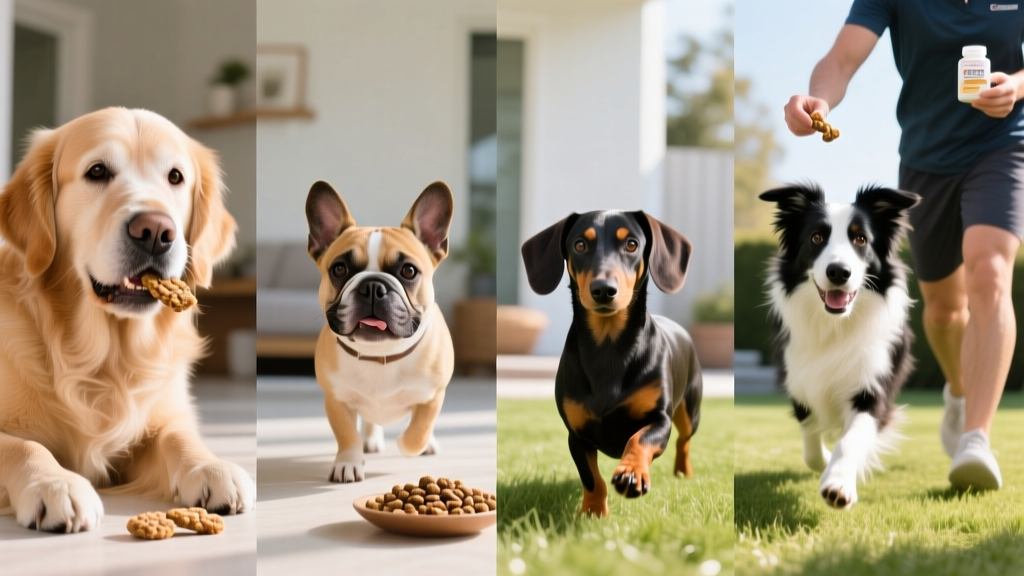
If you've ever stood in the kitchen watching your dog perform an elaborate sit-stay for a scrap of cheese, you already know the power of a good treat. But when your dog has food allergies, a sensitive senior stomach, or a body condition score creeping past ideal, grabbing whatever's on the shelf at the pet store isn't enough. The right dog treat recipes—whether homemade or store-bought—need to align with your dog's specific nutritional requirements, life stage, and health conditions.
This guide breaks down the exact nutrient targets your dog needs, walks you through vet-approved homemade treat recipes for common conditions, and reviews the top commercial treats available in 2026. We'll also cover what to avoid, how to transition safely, and whether supplements belong in your treat strategy.
Nutritional Requirements by Life Stage and Condition
Before mixing a single ingredient, you need to understand what your dog's body actually requires. Treats should never exceed 10% of your dog's total daily caloric intake—a guideline supported by the WSAVA Global Nutrition Committee. That means for a 50 lb dog eating roughly 1,000 calories per day, treats cap at about 100 calories.
| Life Stage / Condition | Protein % | Fat % | Calories/Day (50 lb dog) | Key Considerations |
|---|---|---|---|---|
| Adult Maintenance | 22–28% | 12–18% | 900–1,100 kcal | AAFCO minimum 18% protein |
| Puppy (Growth) | 28–35% | 17–24% | 1,200–1,800 kcal | Calcium:phosphorus ratio 1.1:1 to 1.4:1 |
| Senior (7+ years) | 25–32% | 10–15% | 750–950 kcal | Higher protein preserves lean mass; joint-supportive ingredients |
| Weight Loss | 28–35% | 8–12% | 700–850 kcal | High protein, high fiber, low fat |
| Food Allergies | 22–28% | 12–16% | 900–1,100 kcal | Novel or hydrolyzed protein only |
| Kidney Disease (CKD) | 14–18% | 15–22% | 850–1,000 kcal | Low phosphorus (<100mg/100kcal), moderate fat for palatability |
These numbers are starting points. Individual metabolism, activity level, and whether your dog is intact or neutered all shift caloric needs. A neutered dog typically needs 10–15% fewer calories than an intact dog of the same weight.
Homemade Dog Treat Recipes by Condition
Homemade treats give you complete control over every ingredient—critical when your dog reacts to common proteins or grains. However, the Merck Veterinary Manual notes that food allergies in dogs most commonly involve beef, dairy, chicken, wheat, egg, and soy. Any treat recipe for an allergic dog must avoid these triggers entirely.
Recipe 1: Limited-Ingredient Sweet Potato & Salmon Bites (Allergy-Friendly)
Yield: ~40 small treats | Calories per treat: ~12 kcal | Prep: 10 min | Bake: 25 min at 350°F (177°C)
- 1 cup cooked, flaked wild-caught salmon (novel protein for most dogs)
- 1 cup mashed sweet potato (cooked, no skin)
- ½ cup oat flour (gluten-free certified if wheat-sensitive)
- 1 egg (omit if egg allergy confirmed; substitute 2 tbsp unsweetened applesauce)
Method: Combine all ingredients in a food processor until a dough forms. Roll into 1-inch balls, flatten slightly on a parchment-lined baking sheet. Bake 22–25 minutes until firm. Cool completely before storing in an airtight container (refrigerate up to 7 days, freeze up to 3 months).
Recipe 2: Low-Calorie Pumpkin & Green Bean Crunchies (Weight Management)
Yield: ~60 small treats | Calories per treat: ~6 kcal | Prep: 10 min | Bake: 35 min at 325°F (163°C)
- 1 cup pure pumpkin purée (NOT pie filling)
- 1 cup finely chopped green beans (steamed)
- 1½ cups brown rice flour
- 1 tbsp ground flaxseed (for omega-3 fatty acids)
Method: Mix wet ingredients, gradually incorporate dry ingredients. Roll dough to ¼-inch thickness, cut with small cookie cutter. Bake until crisp and dry. These store well at room temperature for up to 2 weeks due to low moisture content.
Recipe 3: Soft Turkey & Blueberry Bites (Senior Dogs)
Yield: ~30 treats | Calories per treat: ~15 kcal | Prep: 10 min | Bake: 20 min at 325°F (163°C)
- 1 cup ground turkey (93% lean)
- ½ cup fresh blueberries (antioxidant-rich, gentle on digestion)
- ½ cup coconut flour (easily digestible, grain-free)
- 1 tbsp coconut oil (MCT source for cognitive support)
- ¼ tsp turmeric (anti-inflammatory, optional)
Method: Gently fold blueberries into the meat-flour mixture—don't crush them. Form small, soft patties (easier for senior dogs with dental issues to chew). Bake until just set; these should remain soft, not crispy. Refrigerate and use within 5 days.
Recipe 4: Low-Phosphorus Cottage Cheese & Rice Drops (Kidney Support)
Yield: ~35 treats | Calories per treat: ~10 kcal | Prep: 5 min | Bake: 30 min at 300°F (149°C)
- ½ cup low-fat cottage cheese (rinsed to reduce phosphorus)
- 1 cup cooked white rice (low-phosphorus carbohydrate)
- 1 tbsp honey (palatability enhancer for CKD dogs with appetite loss)
- ½ cup tapioca starch (binder, very low phosphorus)
Method: Blend all ingredients until smooth. Drop by teaspoon onto parchment paper. Bake low and slow until firm. These are intentionally bland—CKD dogs often have reduced appetite, and familiar, mild flavors work best.
Top Commercial Treats: Brand Picks for Specific Needs
Not everyone has time to bake, and that's perfectly fine. The commercial treat market has evolved significantly. Here are specific products that meet our nutritional criteria for each condition, based on label analysis, AAFCO compliance, and ingredient transparency.
Best for Allergies
Zuke's Z-Biscuits Grain-Free (Rabbit Recipe)
Price: $8.99–$10.99 (10 oz bag)
Why: Single novel animal protein, no chicken fat, no grains. Calorie content clearly stated at 28 kcal/biscuit. Made in USA with transparent sourcing.
Runner-up: Stewart Pro-Treat Freeze-Dried Lamb Liver
Price: $12.49–$15.99 (5 oz)
Why: Single ingredient, 100% lamb liver. Freeze-drying preserves nutrients without additives. 3 kcal per treat.
Best for Weight Management
Charlee Bear Dog Treats (Original)
Price: $5.49–$7.99 (1 lb bag)
Why: Only 3 calories per treat—critical for high-repetition training without blowing the 10% calorie cap. Contains wheat, so not for grain-allergic dogs.
Runner-up: Plato Thinkers Salmon Strips
Price: $9.99–$12.99 (6 oz)
Why: High-protein, low-carb, breakable into tiny pieces. ~8 kcal per small piece.
Best for Senior Dogs
Fruitables Skinny Minis (Watermelon & Berry)
Price: $4.99–$6.49 (4 oz)
Why: Soft, chewy texture for dogs with dental issues. 3 kcal per treat. Antioxidant-rich ingredients. Easy to break apart.
Runner-up: Cloud Star Tricky Trouts Soft & Chewy
Price: $7.99–$9.49 (6 oz)
Why: Trout as a palatable, novel protein for picky senior eaters. Soft texture. ~7 kcal per treat.
Best for Kidney Support
Royal Canin Veterinary Diet Renal Support Treats
Price: $11.99–$14.99 (6 oz, requires vet authorization)
Why: Formulated specifically for CKD—controlled phosphorus, moderate protein, high palatability. 27 kcal per treat. The only commercial treat we recommend that addresses CKD-specific needs.
OTC Option: PureBites Freeze-Dried Chicken Breast
Price: $9.99–$13.99 (3 oz)
Why: Single-ingredient, low-phosphorus relative to multi-ingredient treats. ~3 kcal per piece. Not a therapeutic product, but safer than most OTC treats for early-stage CKD.
How to Read a Commercial Treat Label
The FDA's pet food labeling guidelines require specific information on treat packaging. Here's your checklist:
- AAFCO Statement: Look for "formulated to meet AAFCO Dog Food Nutrient Profiles" or "animal feeding tests using AAFCO procedures." Treats may not carry this since they're supplemental—but the base diet must.
- Ingredient Order: Ingredients are listed by weight. The first ingredient should be a named protein source (e.g., "salmon," not "fish meal" or "animal by-products").
- Guaranteed Analysis: Minimum crude protein, minimum crude fat, maximum crude fiber, maximum moisture. Compare on a dry matter basis for accuracy.
- Calorie Statement: Required since 2020. Look for kcal per treat or per kg. If absent, avoid the product.
- Named Fat Sources: "Chicken fat" or "salmon oil" are good. "Animal fat" is not—this is a rendered product of unspecified origin.
Ingredients to Avoid in Dog Treats
Some ingredients are outright toxic, while others are problematic for specific conditions. If your dog ingests a toxic substance, contact the ASPCA Animal Poison Control Center at (888) 426-4435 (24/7, consultation fee applies).
| Ingredient | Risk Level | Why It's Dangerous |
|---|---|---|
| Xylitol (birch sugar) | Lethal | Causes rapid insulin release → hypoglycemia, liver failure. Toxic dose: 0.1g/kg. Found in sugar-free peanut butter. |
| Grapes / Raisins | Lethal | Causes acute kidney injury. No known safe dose. Tartaric acid identified as the toxic compound. |
| Macadamia Nuts | High | Causes weakness, tremors, hyperthermia. Toxic dose: 2.4g/kg. |
| Onion / Garlic Powder | High | Damages red blood cells (Heinz body anemia). Garlic is ~5x more toxic than onion. Concentrated powders are most dangerous. |
| Chocolate (any form) | High | Theobromine toxicity. Dark/baking chocolate most dangerous. Toxic dose varies: 20mg/kg theobromine for mild signs. |
| Propylene Glycol | Moderate | Used as a humectant in soft treats. Can cause Heinz body formation in high doses. Avoid for anemic dogs. |
| BHA / BHT (preservatives) | Moderate | Synthetic preservatives with debated carcinogenic potential. Natural alternatives (mixed tocopherols) are widely available. |
| Raw Salmon (Pacific Northwest) | High | Carries Nanophyetus salmincola fluke infected with Neorickettsia helminthoeca → salmon poisoning disease. Always cook salmon thoroughly. |
Condition-specific avoidances: Dogs with pancreatitis should avoid treats with more than 15% fat (dry matter basis). Dogs with CKD should avoid treats with added salt, jerky-style treats (high phosphorus concentration), and any treat listing "bone meal" or "dicalcium phosphate." Dogs with food allergies must cross-reference every ingredient against their elimination diet results.
How Much to Feed: Treat Portions by Dog Weight
The 10% rule is your anchor. Here's what that translates to in actual treat quantities, adjusted for activity level and metabolic factors.
| Dog Weight | Daily Calories (Neutered, Moderate Activity) | Treat Calorie Cap (10%) | Equivalent: Zuke's Mini Naturals (2 kcal each) | Adjustment Factors |
|---|---|---|---|---|
| 10 lb / 4.5 kg | 300 kcal | 30 kcal | 15 mini treats | Intact: +15%. Senior: −20%. |
| 25 lb / 11 kg | 575 kcal | 57 kcal | 28 mini treats | Highly active: +20%. Couch potato: −15%. |
| 50 lb / 23 kg | 925 kcal | 92 kcal | 46 mini treats | Weight loss plan: cap treats at 5% instead. |
| 75 lb / 34 kg | 1,200 kcal | 120 kcal | 60 mini treats | Giant breeds: slightly lower caloric density per lb. |
| 100 lb / 45 kg | 1,450 kcal | 145 kcal | 72 mini treats | Working dogs: may need +30% total calories. |
Training tip: For high-repetition positive reinforcement training sessions, break treats into pea-sized pieces. A single Zuke's Mini Natural torn into 3 pieces gives you 3 rewards at under 1 kcal each. Your dog doesn't care about treat size—they care about frequency and palatability.
Transition Protocol: Introducing New Treats Safely
Even treats can cause gastrointestinal upset if introduced too quickly, especially for dogs with sensitive stomachs or those on prescription diets. Follow this 7-day protocol when introducing any new treat or switching commercial brands:
7-Day Treat Transition Schedule
| Day | Old Treat | New Treat | What to Watch |
|---|---|---|---|
| Days 1–2 | 100% of treat allowance | None (introduce 1 new treat as a test only) | Vomiting, diarrhea, itching, ear redness within 24 hrs |
| Days 3–4 | 75% of treat allowance | 25% (2–3 new treats per day) | Stool consistency, gas, appetite changes |
| Days 5–6 | 50% of treat allowance | 50% | Continued GI tolerance, energy level |
| Day 7+ | Discontinue or rotate | 100% of treat allowance | Confirm stable stool, no allergic signs after 72 hrs |
For allergic dogs on elimination diets: Do not transition treats at all during the 8–12 week trial period. Use only the protein source approved by your veterinarian. Introducing "just one new treat" is the number one reason elimination diet trials fail.
Does Your Dog Need Supplements in Their Treats?
Most dogs eating a complete and balanced commercial diet don't need supplemental vitamins or minerals. However, certain conditions and life stages benefit from targeted supplementation—and treats can be an effective delivery vehicle.
| Supplement | Best For | Dosage | How to Add to Treats |
|---|---|---|---|
| Omega-3 Fatty Acids (EPA/DHA) | Skin/coat allergies, arthritis, cognitive decline | 20–55 mg/kg combined EPA+DHA daily | Add ½ tsp fish oil to homemade treat dough before baking |
| Glucosamine + Chondroitin | Senior dogs, large breeds, post-orthopedic surgery | Glucosamine: 20 mg/kg/day; Chondroitin: 15 mg/kg/day | Open capsule, mix powder into treat batter. Heat-stable at baking temps. |
| Probiotics (multi-strain) | GI sensitivity, post-antibiotic recovery, stress-related diarrhea | 1–10 billion CFU/day depending on strain | Do NOT bake—heat destroys live cultures. Sprinkle on treats after cooling, or use as a topper. |
| MCT Oil (C8/C10) | Senior cognitive dysfunction, seizure management adjunct | Start at ¼ tsp per 10 lb body weight, increase gradually | Substitute for other fats in treat recipes. Watch for loose stool at high doses. |
| Vitamin E | Immune support, skin conditions, antioxidant support | 2–5 IU/kg/day | Puncture softgel, squeeze into treat mix. Stable at baking temperatures. |
Always consult your veterinarian before starting any supplement. Some interact with medications—fish oil can potentiate anticoagulants, and glucosamine may affect blood sugar regulation in diabetic dogs.
Monitoring Success: How to Know Your Treat Strategy Is Working
You can't manage what you don't measure. Here are the four indicators to track weekly when you've changed your dog's treat routine:
1. Body Condition Score (BCS)
Use the WSAVA 9-point BCS chart. Ideal is 4–5/9. You should be able to feel ribs without pressing hard, see a waist from above, and observe an abdominal tuck from the side. If BCS increases after adding new treats, reduce treat calories or switch to lower-calorie options.
2. Coat and Skin Quality
A glossy coat without flaking, minimal shedding beyond seasonal norms, and no redness between the toes or inside the ears all indicate good nutritional status. If your allergic dog's itching increases after introducing a new treat, discontinue immediately—that's a reaction, not "detox."
3. Energy and Engagement
Treats should motivate, not sedate. If your dog becomes lethargic after eating treats, check the fat content—high-fat treats can cause mild pancreatitis episodes in susceptible dogs. Conversely, if your dog won't work for the treat, it's not high-value enough for training; try freeze-dried liver or real meat.
4. Stool Quality
Use the 4-point stool scale: formed, moist, easy to pick up, and holds shape = ideal. Loose, mucousy, or unusually frequent stools within 48 hours of a new treat signal intolerance. For CKD dogs, also monitor water intake—increased drinking with new treats may indicate sodium content is too high.
Can You Feed a Homemade or Raw Diet Alongside Homemade Treats?
This question comes up constantly, so let's be direct: homemade treats in small quantities (under 10% of daily calories) are generally safe for any dog on a nutritionally complete base diet. A fully homemade daily diet is a different matter entirely.
A 2013 study published in the Journal of the American Veterinary Medical Association evaluated 200 homemade dog food recipes from books and websites and found that 95% had at least one essential nutrient below the AAFCO minimum, and many had multiple severe deficiencies. The risks are real: calcium-to-phosphorus imbalances causing bone disease, taurine deficiency leading to dilated cardiomyopathy, and inadequate vitamin D resulting in rickets.
If you're committed to homemade meals, work with a board-certified veterinary nutritionist (find one through the American College of Veterinary Nutrition at acvn.org). They'll formulate a recipe specific to your dog's weight, life stage, and health conditions, and typically charge $200–$400 for an initial consultation with ongoing recipe adjustments.
Raw diet safety note: The AVMA, FDA, and CDC all advise against raw meat diets due to documented risks of Salmonella, Listeria, and E. coli contamination—dangerous for both dogs and the humans handling the food. If you choose to feed raw despite these warnings, practice strict food safety: separate cutting boards, immediate surface sanitizing with a bleach solution (1 tbsp bleach per quart of water), and never let raw meat touch your dog's treat prep surfaces.
Frequently Asked Questions
What is the best treat for a dog with food allergies?
The best treat uses a protein your dog has never eaten before (novel protein) or a hydrolyzed protein. Common novel options include rabbit, venison, kangaroo, and alligator. Single-ingredient freeze-dried treats (like Stewart Pro-Treats) are ideal because you can verify exactly what's in them. Always cross-reference with your dog's elimination diet trial results.
How many treats can I give my dog during a training session?
Calculate using the 10% rule above, then divide by the number of training sessions per day. For a 25 lb dog with a 57 kcal treat cap doing two 15-minute sessions, that's about 28 kcal per session—roughly 14 Zuke's Mini Naturals (2 kcal each) or 28 Charlee Bears (3 kcal each, broken in half). For marathon training days, use lower-calorie treats or substitute some rewards with play and praise.
Can diabetic dogs have homemade treats?
Yes, but with strict guidelines. Avoid all sugars (honey, molasses, fruit in large quantities) and high-glycemic carbohydrates (white rice, potato). Focus on protein-based treats: baked chicken strips, freeze-dried liver, or a simple recipe of ground turkey + coconut flour + egg. Time treats to coincide with insulin peaks—your vet can help you map this.
My dog won't eat their prescription diet treats. What now?
Prescription treats (like Royal Canin Renal or Hill's Prescription Diet treats) prioritize therapeutic nutrient profiles over palatability. Try warming the treat slightly (5 seconds in the microwave) to release aroma. If that fails, ask your vet whether a small amount of a safe OTC treat is acceptable within the therapeutic diet framework—sometimes a tiny piece of plain boiled chicken motivates a CKD dog to eat their renal kibble.
Are grain-free treats safe?
The FDA's investigation into grain-free diets and dilated cardiomyopathy (DCM) focused primarily on complete diets high in peas, lentils, and potatoes—not treats. Treats comprise such a small percentage of daily intake that the DCM risk from grain-free treats alone is considered negligible. However, if your dog has no grain allergy, there's no nutritional advantage to avoiding grains, and whole grains like oats and brown rice provide beneficial fiber.
How long do homemade dog treats last?
Depends on moisture content. Dry, crispy treats (like the Pumpkin Crunchies recipe above) last 2 weeks at room temperature in an airtight container. Soft, moist treats (like the Senior Turkey Bites) last 5–7 days refrigerated. All homemade treats freeze well for up to 3 months—freeze in single-layer batches on a tray, then transfer to a zip-lock bag. Thaw individual portions as needed.
Aaron Whyte
All our authors care for dogs every day — read more of their work on the authors page.