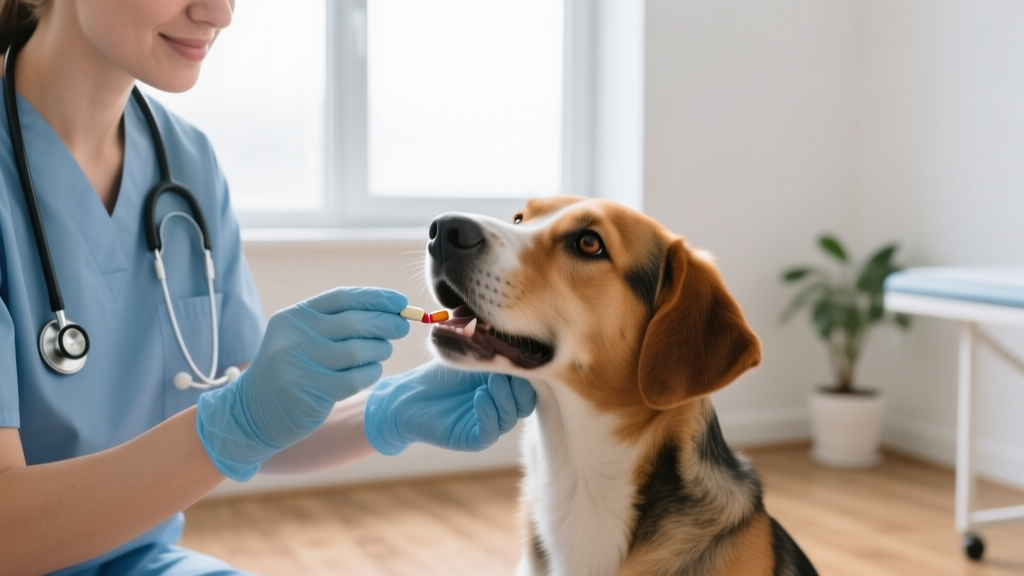
Dog Trazodone: Dosage, Side Effects & Safety Guide for Owners
Complete guide to dog trazodone: dosage by weight, side effects, drug interactions, cost, and when vets prescribe this anxiety and sedation medication.

If your dog struggles with thunderstorm phobia, separation anxiety, or needs calming before a veterinary visit, your vet may recommend trazodone. Originally developed as a human antidepressant, trazodone has become one of the most widely prescribed behavioral medications in veterinary medicine. According to data from veterinary pharmacy networks, trazodone consistently ranks among the top 10 most dispensed medications for dogs in the United States.
This guide breaks down everything you need to know about dog trazodone — from how it works in the canine brain to exact dosage ranges, real-world side effect frequencies, drug interactions that could be dangerous, and what you'll actually pay at the pharmacy counter in 2026.
What Is Trazodone and How Does It Work in Dogs?
Trazodone hydrochloride (brand name Desyrel® for the human formulation) belongs to the serotonin antagonist and reuptake inhibitor (SARI) drug class. While it was initially developed as an antidepressant for humans, its sedative and anxiolytic (anti-anxiety) properties make it far more useful in veterinary medicine for behavioral and situational calming.
Trazodone works through a dual mechanism on your dog's serotonin system:
- Serotonin reuptake inhibition: It blocks the serotonin transporter (SERT), keeping more serotonin available in the synaptic cleft between neurons. Serotonin is the neurotransmitter most associated with mood regulation, calmness, and emotional stability.
- 5-HT2A receptor antagonism: It blocks specific serotonin receptors (5-HT2A), which reduces the overstimulation that contributes to anxiety and fear responses. This antagonism is also largely responsible for the sedative effect.
- Alpha-1 adrenergic blockade: At higher doses, trazodone also blocks alpha-1 adrenergic receptors, contributing to additional sedation and mild blood pressure lowering.
- Histamine H1 blockade: Mild antihistamine activity adds to the drowsy effect.
The net result: your dog experiences reduced anxiety, mild to moderate sedation, and a higher threshold for fear-triggering stimuli. Onset typically occurs within 1 to 2 hours after oral administration, with peak effects at approximately 2 to 4 hours.
What Is Trazodone Used for in Dogs?
Trazodone is not FDA-approved specifically for veterinary use — it is prescribed off-label (also called extra-label use) by veterinarians, which is legal and common under the Animal Medicinal Drug Use Clarification Act (AMDUCA). The Merck Veterinary Manual recognizes its widespread veterinary application.
Common Veterinary Prescribing Scenarios
| Condition | Use Pattern | Typical Duration |
|---|---|---|
| Noise phobia (thunderstorms, fireworks) | As-needed (PRN), given 1–2 hours before anticipated event | Single dose or 1–3 days |
| Separation anxiety | Daily scheduled dosing, often combined with behavior modification | Weeks to months |
| Veterinary visit anxiety | Single dose 2 hours before appointment; sometimes a "test dose" the night before | Single use |
| Post-surgical confinement | Scheduled dosing to enforce crate rest after orthopedic surgery or IVDD treatment | 2–8 weeks depending on recovery |
| Generalized anxiety disorder | Daily dosing, often as adjunct to SSRIs like fluoxetine | Long-term (months to years) |
| Travel anxiety | PRN dosing 1–2 hours before car rides or flights | As needed |
For anxiety-related conditions, trazodone is most effective when paired with a positive reinforcement-based behavior modification protocol developed by a certified veterinary behaviorist or a fear-free certified trainer. Medication alone rarely resolves behavioral issues — it lowers the emotional threshold enough for training to take hold.
Typical Trazodone Dosage for Dogs by Condition
Your veterinarian will calculate the exact dose for your dog. The ranges below reflect published veterinary pharmacology references and should help you understand what to expect. Never adjust your dog's dose without veterinary guidance.
| Condition | Dose Range (mg/kg) | Frequency | Notes |
|---|---|---|---|
| Situational anxiety (vet visits, travel) | 2–5 mg/kg | Single dose, 1–2 hrs before event | Test dose recommended at home first |
| Noise phobia (storms, fireworks) | 3–8 mg/kg | Every 8–12 hrs during event window | Start at lower end; may give first dose 2 hrs before anticipated noise |
| Separation anxiety / GAD | 2–5 mg/kg | Every 8–24 hrs | Often combined with fluoxetine; start low and titrate up over 1–2 weeks |
| Post-surgical crate rest | 3.5–10 mg/kg | Every 8–12 hrs | Higher doses common for strict confinement sedation |
Dosage Examples by Dog Weight
To help you understand what these mg/kg ranges translate to in real pills, here are common weight categories. Trazodone tablets come in 50 mg, 100 mg, 150 mg, and 300 mg scored tablets, and many compounding pharmacies offer flavored chew treats or oral suspensions in custom strengths.
| Dog Weight | Low Dose (2 mg/kg) | Mid Dose (5 mg/kg) | High Dose (10 mg/kg) |
|---|---|---|---|
| 10 lb (4.5 kg) | ~9 mg | ~23 mg | ~45 mg |
| 25 lb (11.3 kg) | ~23 mg | ~57 mg | ~113 mg |
| 50 lb (22.7 kg) | ~45 mg | ~114 mg | ~227 mg |
| 75 lb (34 kg) | ~68 mg | ~170 mg | ~340 mg |
| 100 lb (45.4 kg) | ~91 mg | ~227 mg | ~454 mg |
Administration instructions: Trazodone can be given with or without food. However, giving it with a small meal or treat can reduce the risk of nausea, which is the most common gastrointestinal side effect. For situational use, administer the dose 1.5 to 2 hours before the anxiety-triggering event to allow adequate absorption time. The elimination half-life in dogs is approximately 120 to 200 minutes (2 to 3.3 hours), meaning clinical effects typically last 6 to 12 hours depending on dose and individual metabolism.
Trazodone Side Effects in Dogs: What to Watch For
Most dogs tolerate trazodone well, especially at lower doses. Side effects are generally dose-dependent — higher doses produce more pronounced sedation and a greater likelihood of adverse effects. Based on published veterinary studies and clinical reports, here is what the data shows:
| Side Effect | Estimated Frequency | What You'll See |
|---|---|---|
| Sedation / lethargy | ~30–43% | Sleepiness, slow movement, reluctance to get up — often the intended effect at higher doses |
| Ataxia (incoordination) | ~10–20% | Wobbly gait, stumbling, difficulty with stairs — manage environment to prevent falls |
| Vomiting / nausea | ~10–15% | Usually occurs within first few doses; giving with food helps |
| Diarrhea | ~5–10% | Loose stools, typically self-limiting within 1–2 days |
| Increased appetite | ~5–8% | More begging or food-seeking behavior; monitor caloric intake |
| Panting | ~5% | Mild to moderate; usually resolves within a few hours |
| Paradoxical excitation | <5% | Restlessness, hyperactivity, or increased anxiety instead of calm — discontinue and contact vet |
While rare, the following reactions require urgent veterinary attention:
- Serotonin syndrome: Tremors, seizures, hyperthermia (body temperature above 104°F / 40°C), dilated pupils, vocalization, extreme agitation. This is most likely when trazodone is combined with other serotonergic drugs (see interactions below).
- Cardiac arrhythmias: Collapse, sudden weakness, pale or blue-tinged gums, irregular heartbeat.
- Priapism: Persistent, painful erection in male dogs — rare but documented; requires immediate veterinary treatment to prevent permanent tissue damage.
- Severe ataxia or inability to stand: If your dog cannot walk or seems completely disoriented, this may indicate overdose or individual hypersensitivity.
- Allergic reaction: Facial swelling, hives, difficulty breathing — treat as an emergency.
If you suspect an overdose, contact your veterinarian or the ASPCA Animal Poison Control Center at (888) 426-4435 (24/7, consultation fee applies) or the Pet Poison Helpline at (855) 764-7661.
Drug Interactions and Contraindications
Trazodone's serotonergic activity means it can interact dangerously with several medication classes. Always provide your veterinarian with a complete list of every medication, supplement, and over-the-counter product your dog receives.
Critical Drug Interactions
- MAO inhibitors (selegiline/Anipryl®): Risk of severe serotonin syndrome. Minimum 14-day washout period required between MAOI discontinuation and trazodone initiation.
- SSRIs (fluoxetine/Prozac®, sertraline/Zoloft®): Increased serotonin syndrome risk. Often intentionally combined at lower doses under close veterinary monitoring, but dose adjustments are critical.
- Tramadol: Both drugs affect serotonin; concurrent use significantly elevates serotonin syndrome risk. Many veterinary pain protocols now avoid this combination.
- Benzodiazepines (diazepam, alprazolam): Additive sedation; dose reduction of one or both drugs may be needed.
- Other CNS depressants (acepromazine, gabapentin, opioids): Compounding sedative effects; your vet will adjust doses accordingly.
- NSAIDs: Trazodone has mild antiplatelet effects; concurrent NSAID use may slightly increase bleeding risk, especially perioperatively.
- CYP3A4 inhibitors (ketoconazole, itraconazole, erythromycin): These antifungals and antibiotics slow trazodone metabolism, raising blood levels and increasing side effect risk.
Contraindications — Dogs Who Should NOT Receive Trazodone
Your veterinarian will likely avoid or use extreme caution with trazodone in these patients:
- Dogs with known hypersensitivity to trazodone or any tablet excipients
- Dogs currently receiving MAO inhibitors (selegiline) or within 14 days of MAOI use
- Dogs with significant cardiac disease, particularly those with known arrhythmias or conduction abnormalities — trazodone can prolong the QT interval at high doses
- Dogs with severe hepatic impairment — trazodone is extensively metabolized by the liver; reduced clearance means prolonged effects and higher toxicity risk
- Dogs with severe renal disease — limited safety data; use with caution and dose adjustment
- Pregnant or lactating dogs — safety has not been established; risk-benefit assessment required
- Dogs with a history of seizures — trazodone may lower the seizure threshold in susceptible individuals, though evidence is mixed
How Long Does My Dog Need to Be on Trazodone?
The duration of trazodone therapy depends entirely on the condition being treated, and this is one area where owners often have misconceptions.
Situational use (vet visits, fireworks, travel) requires only a single dose or a short course of 1–3 days. There is no need for tapering with short-term use.
Post-surgical confinement typically means 2 to 8 weeks of scheduled dosing, aligned with your dog's orthopedic or neurological recovery timeline. Your surgeon will advise when to begin tapering.
Chronic anxiety conditions (separation anxiety, generalized anxiety) often require months to years of daily medication. Here's a critical point many owners miss: trazodone alone is rarely the complete solution for chronic anxiety. The American College of Veterinary Behaviorists emphasizes that medication should support a structured behavior modification program using desensitization and counter-conditioning protocols. The goal is to eventually reduce or discontinue medication as your dog learns new coping behaviors — but this timeline varies enormously between individual dogs.
For dogs on daily trazodone for more than 4 weeks, do not stop abruptly. While trazodone does not produce physical dependence in the same way benzodiazepines do, sudden discontinuation after prolonged use can cause rebound anxiety, restlessness, or sleep disturbance. Your veterinarian will provide a tapering schedule — typically reducing the dose by 25% every 1–2 weeks.
Monitoring, Follow-Up, and Cost
What Monitoring Does My Dog Need?
Trazodone does not require the intensive blood monitoring that some other behavioral medications (like tricyclic antidepressants) demand. However, responsible veterinary oversight includes:
- Baseline bloodwork (CBC, chemistry panel): Recommended before starting long-term daily trazodone, particularly in dogs over 7 years of age or those with pre-existing liver or kidney conditions. Cost: $80–$180 depending on your region and clinic.
- 2-week follow-up (phone or in-person): Your vet will assess efficacy, side effects, and whether dose adjustment is needed. Keep a daily log of your dog's behavior, appetite, and any adverse effects during this period.
- Every 6 months for dogs on chronic daily trazodone: Repeat chemistry panel to monitor liver enzyme values (ALT, ALP) and kidney function (BUN, creatinine). Cost: $80–$150 per panel.
- As needed: If your dog's weight changes significantly (>10% gain or loss), the dose needs recalculation. Contact your vet for an updated prescription.
How Much Does Trazodone Cost for Dogs?
One of trazodone's practical advantages is its affordability. As a generic medication widely available through both human and veterinary pharmacies, costs are relatively low compared to newer behavioral drugs.
| Source | 50 mg (30 tablets) | 100 mg (30 tablets) | 150 mg (30 tablets) |
|---|---|---|---|
| Retail pharmacy (human generic) | $8–$20 | $12–$30 | $15–$40 |
| Online veterinary pharmacy (Chewy, 1-800-PetMeds) | $12–$25 | $18–$40 | $25–$55 |
| Compounding pharmacy (flavored chews or suspension) | $25–$50 | $35–$65 | $40–$75 |
| Veterinary clinic dispensary | $15–$35 | $20–$50 | $30–$65 |
Cost-saving tip: Because trazodone is a human generic, your veterinarian can write a prescription that you fill at a standard retail pharmacy (CVS, Walgreens, Walmart, Costco) or through a pharmacy discount program. A 30-day supply of 100 mg generic trazodone at a major retail chain often costs under $15 with a coupon from GoodRx or a store discount program. Always confirm with your vet that the human-pharmacy formulation is appropriate — do not substitute extended-release (ER) trazodone formulations, which have different absorption profiles.
Missed Doses, Overdose, and Alternatives
What If I Miss a Dose?
For situational dosing (pre-vet visit, fireworks), a missed dose simply means your dog won't have the intended calming effect for that event. There's no harm in missing it.
For scheduled daily dosing, give the missed dose as soon as you remember — unless it's within 4 hours of the next scheduled dose. In that case, skip the missed dose and resume the normal schedule. Never double the dose to make up for a missed one.
Overdose: Signs and What to Do
Trazodone overdose in dogs can occur at doses exceeding 250 mg/kg, though individual sensitivity varies considerably. Signs of overdose include:
- Profound sedation or inability to rouse
- Severe ataxia or collapse
- Vomiting (possibly repeated)
- Tremors or seizures
- Elevated heart rate or irregular rhythm
- Dilated pupils
- Call your veterinarian or emergency veterinary clinic immediately.
- Contact ASPCA Animal Poison Control: (888) 426-4435 (24/7, consultation fee of approximately $95 applies) or Pet Poison Helpline: (855) 764-7661 ($69 fee).
- Note the approximate number of tablets consumed, the tablet strength (mg), and the time of ingestion.
- Do NOT induce vomiting unless specifically instructed by a veterinary professional.
- Transport your dog to the nearest open veterinary facility. Treatment may include activated charcoal, IV fluids, and cardiac monitoring.
Are There Alternatives to Trazodone?
Yes — several medications serve similar or complementary roles in canine anxiety management. Your veterinarian will choose based on your dog's specific condition, medical history, and response to prior treatments.
| Medication | Drug Class | Best For | Key Difference from Trazodone |
|---|---|---|---|
| Fluoxetine (Prozac®) | SSRI | Chronic anxiety, compulsive behaviors | Takes 4–8 weeks for full effect; not useful for situational PRN use |
| Gabapentin | Alpha-2-delta ligand | Vet visit sedation, pain-related anxiety | Also provides analgesia; less serotonergic activity |
| Dexmedetomidine (Sileo® gel) | Alpha-2 agonist | Noise aversion (FDA-approved for this use) | Only FDA-approved medication specifically for canine noise aversion; oromucosal gel application |
| Clomipramine (Clomicalm®) | Tricyclic antidepressant | Separation anxiety | FDA-approved for separation anxiety in dogs; requires blood monitoring |
| Acepromazine | Phenothiazine tranquilizer | Sedation (NOT anxiety relief) | Provides sedation without anxiolysis — dog is physically restrained but still mentally fearful; increasingly discouraged for anxiety use |
For mild anxiety, some owners explore non-pharmaceutical options such as Adaptil® (dog-appeasing pheromone) diffusers, Zylkene® (casein-derived supplement), or L-theanine supplements (e.g., Anxitane®). These have more modest evidence bases but may be appropriate for dogs with mild symptoms or as adjuncts to prescription medication. Always discuss supplements with your veterinarian before adding them to your dog's regimen.
Frequently Asked Questions About Dog Trazodone
Can I give my dog human trazodone tablets?
The active ingredient is identical, but you should only administer trazodone to your dog under veterinary prescription. Human trazodone tablets (50 mg, 100 mg, 150 mg, 300 mg) may be appropriate if your vet prescribes them at the correct canine dose. However, never use extended-release (ER) formulations without veterinary approval — the absorption kinetics differ significantly from immediate-release tablets, and your dog may receive an unintended dose dump.
Will trazodone make my dog "zombie-like" or change their personality?
At appropriately titrated doses, trazodone should reduce anxiety without eliminating your dog's personality. Some sedation is expected and often desirable (especially for crate rest), but if your dog seems completely "checked out," unable to eat or drink, or unresponsive to you, the dose is likely too high. Contact your veterinarian for a dose adjustment — most dogs find their optimal therapeutic window between the minimum effective dose and mild sedation.
How quickly does trazodone start working?
For situational use, clinical effects begin within 30 to 60 minutes after oral administration, with peak effects at approximately 2 to 3 hours. This is why veterinarians recommend dosing 1.5 to 2 hours before the anticipated anxiety trigger. For chronic daily use in anxiety management, some dogs show improvement within the first few days, but full behavioral stabilization may take 2 to 4 weeks of consistent dosing alongside behavior modification.
Is trazodone safe for senior dogs?
Trazodone can be used in senior dogs, but with important caveats. Older dogs often have reduced liver and kidney function, which slows drug metabolism and increases the risk of excessive sedation and accumulation. Your veterinarian will typically start at the low end of the dose range and may recommend baseline bloodwork to assess organ function before initiating therapy. Senior dogs on multiple medications are also at higher risk for drug interactions.
Can trazodone be used with CBD oil or hemp products?
This combination has not been well-studied in dogs. CBD may inhibit cytochrome P450 enzymes (particularly CYP3A4), which could slow trazodone metabolism and increase blood levels, raising the risk of side effects. If you're considering combining these, discuss it with your veterinarian first. They may recommend lower trazodone doses and closer monitoring.
What happens if my dog accidentally eats a whole bottle of trazodone?
This is a veterinary emergency. Immediately contact your veterinarian, an emergency animal hospital, or the ASPCA Animal Poison Control Center at (888) 426-4435. Note the tablet strength, approximate number of tablets consumed, and time of ingestion. Treatment may include inducing emesis (if within the appropriate time window), administering activated charcoal, providing IV fluid support, and continuous cardiac and neurological monitoring. Most dogs recover fully with prompt veterinary treatment, but delays can be dangerous.
Sources: Merck Veterinary Manual — Trazodone; American College of Veterinary Behaviorists (AVSAB); Plumb's Veterinary Drug Handbook, 10th Edition. Always consult your veterinarian before starting, adjusting, or discontinuing any medication for your dog.
Marcus Aldridge
All our authors care for dogs every day — read more of their work on the authors page.