Dog That Won't Eat? 7 Safe Human Foods to Entice a Picky Eater
Dealing with a dog that won't eat? Discover 7 vet-approved human foods to safely entice picky eaters, with exact portions, prep tips, and red flags.
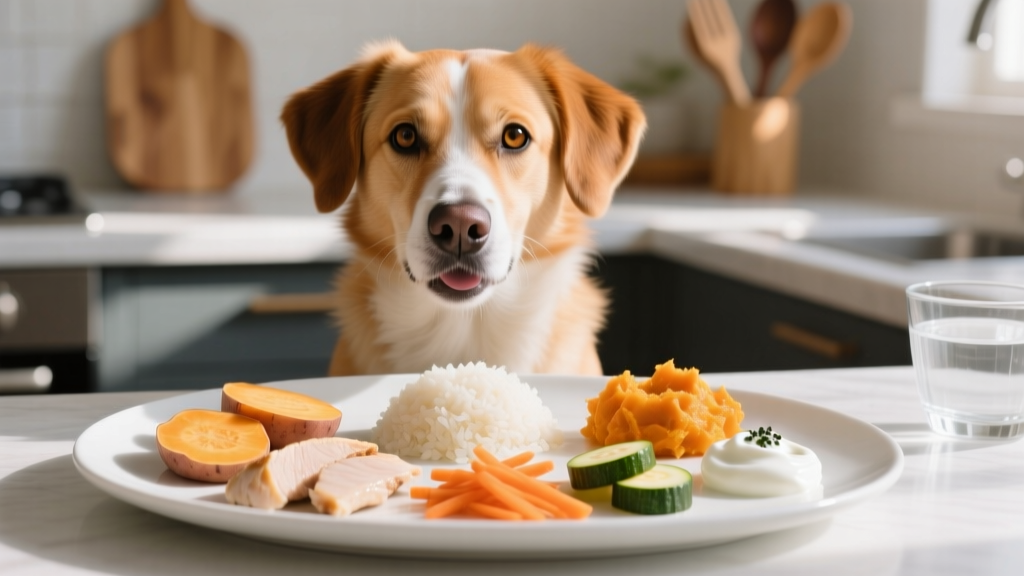
If you've ever stared down a full bowl of kibble while your dog stares back with zero interest, you're not alone. A dog that won't eat is one of the most common complaints I hear from frustrated owners. Before you panic — or worse, start tossing table scraps without a plan — it helps to know which human foods are genuinely safe, nutritious, and effective at jumpstarting a sluggish appetite.
This guide covers seven vet-approved human foods you can use as meal toppers or appetite stimulants, with exact serving sizes, preparation rules, and the red flags that mean it's time to call your veterinarian. Every food listed here gets a clear safety verdict so you can act fast when dinner time turns into a standoff.
All seven foods below are safe for most healthy adult dogs when prepared correctly and served in appropriate portions. However, any sudden appetite loss lasting more than 24-48 hours warrants a veterinary exam to rule out underlying illness. Never use human food toppers as a long-term meal replacement without consulting a veterinary nutritionist.
Why Your Dog Won't Eat: Quick Context
Before reaching for the fridge, consider why your dog is refusing food. According to the Merck Veterinary Manual, anorexia (food refusal) in dogs can stem from:
- Medical causes: dental disease, gastrointestinal upset, kidney or liver disease, infections, pain, or medication side effects
- Behavioral causes: stress, anxiety, recent environment changes, or learned pickiness from being offered too many alternatives
- Food-related causes: spoiled kibble, sudden diet changes, or simply boredom with a monotonous diet
If your dog has gone more than 24 hours without eating (or 12 hours for toy breeds prone to hypoglycemia), skip the kitchen and head to the vet. For shorter-term fussiness or dogs recovering from mild illness, these safe human food toppers can help.
The 7 Best Human Foods for a Dog That Won't Eat
1. Plain Cooked Chicken Breast
Preparation: Boil or bake boneless, skinless chicken breast with no oil, salt, garlic, or onion. Shred into bite-sized pieces. Serve warm (not hot) — warming food to roughly 100°F (38°C) releases aromatic compounds that trigger a dog's appetite, which matters because canine appetite is heavily smell-driven.
Nutritional highlights: A 3-ounce (85g) serving of boiled chicken breast provides approximately 26g protein, 3g fat, and meaningful amounts of niacin (B3), vitamin B6, phosphorus, and selenium. It's lean, highly digestible, and rarely triggers food allergies compared to beef or dairy.
Risks: Raw chicken carries Salmonella and Campylobacter risk — always cook thoroughly to an internal temperature of 165°F (74°C). Never feed cooked bones, which splinter and can cause esophageal or intestinal perforation.
2. Plain Canned Pumpkin (Not Pie Filling)
Preparation: Use 100% pure canned pumpkin purée — check the label to confirm the only ingredient is pumpkin. Pumpkin pie filling contains xylitol, nutmeg, and added sugars, all of which are toxic or harmful to dogs.
Nutritional highlights: Per 1-cup serving: approximately 7g fiber, 245% DV vitamin A (as beta-carotene), 20% DV vitamin C, 16% DV potassium, and 10% DV iron. For dogs, the soluble fiber helps firm loose stools and the moisture content aids hydration.
Risks: Excessive vitamin A over time can cause hypervitaminosis A (bone pain, lethargy). Stick to the serving sizes below. Too much fiber at once can cause gas or loose stools.
3. Scrambled or Hard-Boiled Eggs
Preparation: Scramble in a non-stick pan with no butter or oil, or hard-boil and chop. Cooked eggs eliminate the avidin concern found in raw egg whites (avidin binds biotin and can cause deficiency with chronic raw egg feeding).
Nutritional highlights: One large egg provides ~6g protein, 5g fat, plus riboflavin (B2), vitamin B12, vitamin D, selenium, and choline. Choline supports liver function and cognitive health — particularly valuable for senior dogs losing their appetite.
Risks: Some dogs are allergic to eggs (watch for itching, ear inflammation, or GI upset). High-fat content means dogs with pancreatitis history should avoid or limit eggs.
4. Plain Cooked White Rice
Preparation: Cook in plain water — no broth (often contains onion/garlic), no salt, no butter. Use a 2:1 water-to-rice ratio and cook until soft. Let cool to room temperature or slightly warm before serving.
Nutritional highlights: One cup of cooked white rice provides approximately 45g carbohydrates, 4g protein, and minimal fat. It's low-residue and gentle on inflamed intestines. Not nutritionally complete on its own — always pair with a protein source.
Risks: High glycemic index makes it unsuitable for diabetic dogs as a regular topper. Brown rice is harder to digest and not recommended for acute GI upset.
5. Plain Low-Fat Greek Yogurt
Preparation: Choose plain, unsweetened, low-fat or non-fat Greek yogurt. Verify the label contains no xylitol (sometimes listed as birch sugar) — this sweetener is acutely toxic to dogs and causes rapid hypoglycemia and liver failure. Serve cold or at room temperature as a dollop on top of kibble.
Nutritional highlights: Per 100g serving: ~10g protein, 3.6g carbohydrates, 0.7g fat, plus calcium (110mg), potassium (141mg), and live active cultures (Lactobacillus bulgaricus, Streptococcus thermophilus). The probiotic content may help restore gut flora after antibiotic courses.
Risks: Lactose-intolerant dogs (estimated 50%+ of adult dogs have some degree of lactase deficiency) may experience gas, bloating, or diarrhea. Start with a very small amount.
6. Cooked Sweet Potato
Preparation: Bake, boil, or steam until soft. Remove the skin (difficult to digest and a choking hazard for small dogs). Mash or cut into small cubes. Never serve raw — raw sweet potato is difficult to chew and digest, and poses a choking risk.
Nutritional highlights: One medium baked sweet potato (without skin) provides approximately 4g fiber, 438% DV vitamin A (beta-carotene), 50% DV vitamin C, 25% DV vitamin B6, and 15% DV potassium. Beta-carotene acts as an antioxidant supporting immune function.
Risks: High carbohydrate content means diabetic or overweight dogs need strict portion control. Large chunks can be a choking hazard — always cut small for toy breeds.
7. Boneless, Skinless Cooked Salmon
Preparation: Bake, grill, or poach with no seasoning, oil, or butter. Remove all bones meticulously — fish bones can lodge in the throat or perforate the GI tract. Flake into small pieces. Internal temperature should reach 145°F (63°C) per FDA guidelines.
Nutritional highlights: A 3-ounce (85g) cooked salmon serving provides ~22g protein, 5g fat (including 1.5-2g omega-3 fatty acids EPA/DHA), vitamin B12 (133% DV), vitamin D (85% DV), selenium, and niacin. Omega-3s reduce inflammation and support coat, joint, and kidney health.
Risks: Raw or undercooked salmon can carry Neorickettsia helminthoeca, the parasite causing salmon poisoning disease — fatal in 90% of untreated cases according to the American Kennel Club. Smoked salmon is too high in sodium.
Exact Serving Sizes by Dog Weight
The biggest mistake owners make when trying to tempt a dog that won't eat is overloading the topper and creating an imbalance. Use this table as a per-meal guide — these amounts are toppers added to regular food, not full meal replacements:
| Food | Small Dog (5-20 lb / 2-9 kg) |
Medium Dog (21-50 lb / 10-23 kg) |
Large Dog (51-100 lb / 24-45 kg) |
Giant Dog (100+ lb / 45+ kg) |
|---|---|---|---|---|
| Cooked Chicken Breast (shredded) | 1-2 Tbsp | 2-4 Tbsp | ¼ - ⅓ cup | ⅓ - ½ cup |
| Canned Pumpkin (plain) | 1-2 tsp | 1-2 Tbsp | 2-4 Tbsp | ¼ - ⅓ cup |
| Cooked Egg (chopped) | ½ egg | 1 egg | 1-2 eggs | 2 eggs |
| Cooked White Rice | 1-2 Tbsp | 2-4 Tbsp | ¼ - ⅓ cup | ⅓ - ½ cup |
| Plain Greek Yogurt | 1 tsp | 1 Tbsp | 2-3 Tbsp | ¼ cup |
| Cooked Sweet Potato (mashed) | 1-2 tsp | 1-2 Tbsp | 2-4 Tbsp | ¼ cup |
| Cooked Salmon (flaked) | 1 Tbsp | 2-3 Tbsp | ¼ cup | ⅓ cup |
General rule: Toppers should never exceed 10% of your dog's total daily caloric intake. For a 30 lb (14 kg) dog eating approximately 700 calories/day, that means no more than 70 calories from human food toppers.
How to Introduce Food Toppers Safely
When your dog won't eat, the temptation is to pile on the extras. Resist this urge. Follow this protocol:
- Start with a single new food. Introduce only one topper at a time so you can identify any adverse reactions.
- Begin at 25% of the recommended serving. If the table says 2 Tbsp for your dog's weight, start with ½ Tbsp.
- Warm the food slightly. Heating to body temperature (~100°F / 38°C) amplifies smell, which is the primary appetite trigger for dogs.
- Mix thoroughly into kibble. Don't just pile it on top — dogs will eat the good stuff and leave the rest. Mix the topper in so every bite has some flavor.
- Monitor for 24-48 hours. Watch for vomiting, diarrhea, excessive gas, itching, or ear redness. If any appear, discontinue that food.
- Gradually increase to full serving over 2-3 days if no adverse reactions occur.
Foods That Are Toxic — Never Use These as Toppers
When desperation hits and your dog still won't eat, it's easy to grab whatever's in the fridge. These common human foods are toxic to dogs at any dose and must never be used as appetite stimulants:
| Toxic Food | Danger | Related Foods to Also Avoid |
|---|---|---|
| Grapes and raisins | Acute kidney failure — mechanism unknown, no safe dose established | Currants, sultanas, grape juice, wine, cream of tartar |
| Onions and garlic | Hemolytic anemia (destroys red blood cells); garlic is ~5x more toxic than onion | Shallots, leeks, chives, scallions, onion/garlic powder |
| Xylitol (birch sugar) | Rapid insulin release → hypoglycemia within 30 min; liver failure within 24-72 hrs | Sugar-free gum, "keto" peanut butter, some Greek yogurts, baked goods |
| Macadamia nuts | Weakness, tremors, hyperthermia; toxic dose as low as 2.4g/kg | Trail mixes, nut butters containing macadamia, cookies |
| Chocolate | Theobromine toxicity — darker chocolate is more dangerous; cardiac and neurological effects | Cocoa powder, cacao nibs, chocolate protein bars, mole sauce |
| Cooked bones (any type) | Splintering → esophageal/intestinal perforation, obstruction | Rib bones, chicken wings, T-bones, ham hocks |
When NOT to Use Human Food Toppers
Not every dog that won't eat should get human food. Avoid toppers and seek veterinary guidance in these situations:
- Puppies under 6 months: Their developing digestive systems are more sensitive, and nutritional imbalances from toppers can affect growth plates and bone development. Consult your vet for puppy-specific appetite strategies.
- Dogs with pancreatitis: High-fat toppers (eggs, salmon, cheese) can trigger a painful and potentially life-threatening pancreatic flare. Stick to ultra-low-fat options like plain boiled chicken and white rice only under veterinary direction.
- Diabetic dogs: Carbohydrate-heavy toppers (rice, sweet potato, pumpkin) alter blood glucose curves. Any dietary change requires insulin dose adjustment by your veterinarian.
- Dogs with kidney disease: High-protein toppers increase phosphorus and nitrogen load on compromised kidneys. Your vet may prescribe a renal diet with specific phosphorus limits.
- Dogs on elimination diet trials: If your vet has placed your dog on a novel protein or hydrolyzed diet to diagnose food allergies, adding any human food invalidates the trial.
- Food refusal lasting 48+ hours: This is no longer pickiness — it's a clinical sign requiring diagnostic workup (bloodwork, imaging, dental exam).
- Vomiting (especially repeated or containing blood)
- Diarrhea lasting more than 24 hours
- Lethargy or collapse
- Abdominal distension or signs of pain (whining, restlessness, prayer position)
- Refusal of water alongside food refusal
- Weight loss of more than 5% body weight in one week
- Yellow-tinged gums or whites of eyes (jaundice)
- Known ingestion of a toxic substance
For toy breeds (under 10 lb / 4.5 kg), call after 12 hours of food refusal due to hypoglycemia risk.
Building a Sustainable Appetite Strategy
Using safe human food toppers is a short-term bridge, not a permanent feeding plan. Here's how to transition back to a complete-and-balanced diet once your dog's appetite returns:
- Days 1-3: Use toppers at full recommended serving to re-establish eating behavior.
- Days 4-7: Reduce topper by 25% every other day.
- Days 8-10: Replace topper with a teaspoon of warm water or low-sodium bone broth (onion-free, garlic-free) poured over kibble for moisture and aroma.
- Day 11+: Serve kibble plain. If pickiness returns, consider rotating between 2-3 AAFCO-approved complete diets rather than relying on human food toppers.
If your dog consistently refuses plain kibble long-term, discuss with your veterinarian whether an underlying condition (dental pain, food aversion, gastrointestinal disease) needs investigation. Chronic pickiness is often a symptom, not a personality trait.
Frequently Asked Questions
Can I feed my dog human food every day to keep them eating?
Occasional toppers within the 10% calorie rule are fine, but daily human food additions risk nutritional imbalances over time. Commercial dog foods are formulated to meet AAFCO nutrient profiles for complete and balanced nutrition. If you want to feed a primarily homemade diet long-term, consult a board-certified veterinary nutritionist (ACVN diplomate) to formulate recipes that meet your dog's specific needs. Expect to pay $150-$350 for an initial consultation and custom recipe formulation.
What if my dog only eats human food and refuses all kibble?
This is learned pickiness, and it's fixable. Remove the kibble after 15-20 minutes, offer it again at the next scheduled meal, and do not offer alternatives in between. Most healthy dogs will eat within 2-3 days of consistent offering. Never starve a dog to "teach a lesson" — especially toy breeds, puppies, or dogs with medical conditions. If refusal extends beyond 48 hours, consult your vet.
Is peanut butter safe for a dog that won't eat?
Plain peanut butter (peanuts and salt only) is safe for most dogs in small amounts — about ½ teaspoon for small dogs, 1 teaspoon for medium, and 1 tablespoon for large dogs per day. However, you must verify the ingredient list contains no xylitol. Brands like Jif, Skippy, and Teddie are typically xylitol-free, but always check the label of the specific jar in your pantry. Peanut butter is high in fat (16g per 2 Tbsp) and should be avoided for dogs with pancreatitis.
How much does a vet visit cost for a dog that won't eat?
A basic examination for appetite loss typically runs $65-$150 for the office visit, plus $100-$300 for bloodwork (CBC and chemistry panel), and $200-$500 if abdominal imaging (X-ray or ultrasound) is needed. Total diagnostic workup for unexplained anorexia commonly falls between $300-$800 depending on your region and the tests required. Pet insurance can offset 70-90% of these costs if you have an active policy.
Are there prescription appetite stimulants for dogs?
Yes. Your veterinarian may prescribe medications like capromorelin (Entyce®) or mirtazapine to stimulate appetite in dogs with illness-related anorexia. Entyce typically costs $80-$150 per bottle and is given orally once daily. Mirtazapine (off-label use) costs $10-$30 for a generic prescription. These are prescription-only and require veterinary assessment — never use human appetite stimulants without explicit veterinary direction.
Disclaimer: This article provides general nutritional guidance and is not a substitute for professional veterinary advice. Always consult your veterinarian before making significant changes to your dog's diet, especially if your dog has existing health conditions, is on medication, or is experiencing prolonged appetite loss. Individual dogs may react differently to any food.
Aaron Whyte
All our authors care for dogs every day — read more of their work on the authors page.