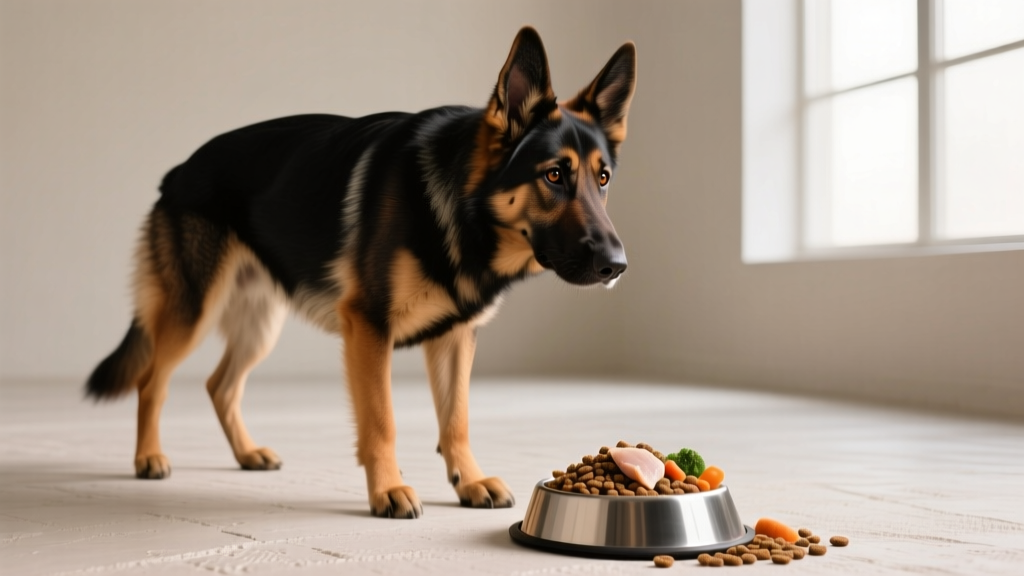
Taurine Supplements for Dogs: When, Why, & How Much to Feed
Complete guide to dog supplement taurine: dosage by weight, breed-specific risks, best taurine-rich foods, and when your dog actually needs extra taurine.

Does Your Dog Actually Need a Taurine Supplement?
Taurine is a sulfur-containing amino acid that plays a critical role in canine heart function, retinal health, bile salt production, and immune response. Unlike cats, most dogs can synthesize taurine from precursor amino acids — methionine and cysteine — in their liver. But "most dogs" doesn't mean "all dogs," and the gap between adequate and deficient can have serious consequences, particularly dilated cardiomyopathy (DCM).
The question of whether your dog needs a dog supplement taurine depends on four factors: breed genetics, diet composition, life stage, and underlying health conditions. Certain breeds — Golden Retrievers, Cocker Spaniels, Newfoundlands, and English Setters — have documented genetic predispositions to taurine deficiency. Dogs fed grain-free, legume-heavy, or boutique diets may also face elevated risk, based on FDA investigations linking these diets to DCM cases.
Understanding Taurine's Role in Canine Nutrition
Taurine is not classified as an essential amino acid for dogs by the Association of American Feed Control Officials (AAFCO), meaning it isn't required to appear on dog food labels at a minimum level. This contrasts with cats, for whom taurine is explicitly essential. However, the absence of a requirement on paper doesn't reflect biological reality for all dogs.
Here's what taurine does in your dog's body:
| Function | Why It Matters | Deficiency Sign |
|---|---|---|
| Cardiac muscle contraction | Maintains heart wall thickness and pumping efficiency | Dilated cardiomyopathy (DCM), arrhythmias |
| Retinal health | Protects photoreceptor cells from degeneration | Central retinal degeneration, vision loss |
| Bile acid conjugation | Enables fat digestion and fat-soluble vitamin absorption | Poor fat digestion, steatorrhea (fatty stools) |
| Immune modulation | Regulates inflammatory response and neutrophil function | Increased susceptibility to infections |
| Neurological function | Acts as inhibitory neurotransmitter in the CNS | Seizure activity (rare, documented in deficient dogs) |
Dogs synthesize taurine through a two-step pathway: methionine converts to cysteine (requiring vitamin B6 as a cofactor), and cysteine converts to taurine (requiring the enzyme cysteine sulfinic acid decarboxylase). Newfoundlands, for example, have a documented lower activity of this enzyme, which is why they need higher dietary taurine intake than, say, a Labrador Retriever on the same food.
Nutritional Requirements: Taurine, Protein, and Fat by Life Stage
While AAFCO doesn't set a minimum taurine level for dog food, veterinary nutritionists generally recommend the following baseline intakes for at-risk dogs, and the broader macronutrient requirements remain essential context for any supplement decision.
| Life Stage / Condition | Protein (min %) | Fat (min %) | Calories/Day (est.) | Taurine Consideration |
|---|---|---|---|---|
| Adult maintenance (healthy, no risk) | 18% DM | 5.5% DM | 25-30 cal/lb | Endogenous synthesis usually sufficient |
| Puppy (large breed) | 22% DM | 8% DM | 50-55 cal/lb (first 6 months) | Higher demand during rapid growth; monitor breeds at risk |
| Senior dog (7+ years) | 20-25% DM | 8-12% DM | 20-25 cal/lb | Reduced synthesis efficiency with age; consider testing |
| Active / working dog | 26-30% DM | 15-20% DM | 40-60 cal/lb | Higher metabolic demand; taurine lost through exercise stress |
| Weight management | 25-30% DM | 8-10% DM | Calculated at target weight | Reduced food volume = less taurine intake; supplement may help |
| Known DCM risk breed | 26%+ DM | 10-15% DM | Per BCS target | Supplement 250-500 mg/day regardless of diet |
DM = dry matter basis. Calorie estimates are baselines; individual metabolism varies 20-30% based on genetics, neuter status, and activity.
Breeds and Conditions With Higher Taurine Needs
Research published in the Merck Veterinary Manual and studies from UC Davis School of Veterinary Medicine have identified several breeds with elevated taurine deficiency risk:
- Golden Retrievers: Most documented cases of diet-associated DCM; often respond to taurine supplementation with improved cardiac function within 3-6 months
- Newfoundlands: Genetic defect in taurine synthesis pathway; estimated 20-25% of the breed may have subclinical deficiency
- Cocker Spaniels: Predisposed to both taurine-deficient DCM and carnitine deficiency
- English Setters: Documented cases linked to low-protein, high-fiber diets that increase fecal taurine loss
- Doberman Pinschers: While their DCM is primarily genetic, taurine status may influence disease progression
Beyond breed, these conditions increase taurine demand:
- Chronic kidney disease: Increased urinary taurine wasting
- Exocrine pancreatic insufficiency (EPI): Impaired fat digestion reduces bile acid demand, altering taurine metabolism
- Gastrointestinal disease: Chronic diarrhea increases fecal taurine loss through bile salt excretion
- Long-term grain-free or legume-rich diets: Peas, lentils, and chickpeas may interfere with taurine synthesis or increase its degradation — the FDA has received over 1,200 reports of DCM potentially linked to these diets as of 2024
Choosing a Commercial Food: What to Look For on Labels
If you're feeding a dog at risk for taurine deficiency, the food itself is your first line of defense. Here's a specific checklist for evaluating labels:
Ingredient Analysis Guide
- AAFCO Statement: Look for "complete and balanced for adult maintenance" (or "all life stages"). The statement must specify feeding trials OR formulation to meet nutrient profiles. Feeding-trial-tested foods carry more evidence of adequacy.
- First 3 Ingredients: Should be named animal proteins (chicken, lamb, salmon — not "meat meal" or "animal by-products" without species identification). Taurine precursors methionine and cysteine are abundant in muscle meat.
- Taurine Listed Explicitly: Some premium brands add supplemental taurine. If listed in the ingredients, that's a positive signal, especially for at-risk breeds.
- Legume Position: If peas, lentils, chickpeas, or potatoes appear in the top 5 ingredients, the food may carry elevated DCM risk per FDA findings. Prefer foods where grains (rice, oats, barley) or alternative carbohydrates occupy those positions.
- Guaranteed Analysis: Minimum crude protein should be 26% or higher for at-risk breeds on a dry matter basis. Convert from as-fed by dividing the listed percentage by (1 minus moisture percentage).
Top Recommended Foods for Taurine Support
These foods are selected based on protein quality, taurine precursor content, AAFCO feeding trial completion, and absence of high-legume formulations. Pricing reflects 2025-2026 retail averages for 25-30 lb bags.
Price: $75-$90 (25 lb bag)
Breed-specific formula with added taurine (0.20% min), EPA/DHA for cardiac support, and L-carnitine. AAFCO feeding-trial tested. Protein: 26% DM, Fat: 16% DM. Specifically formulated for the breed most affected by diet-associated DCM.
Price: $65-$80 (30 lb bag)
Veterinary-recommended, AAFCO feeding-trial tested. High-quality chicken as first ingredient. Protein: 23.5% DM, Fat: 16.3% DM. Contains supplemental taurine. No legumes in top 5 ingredients.
Price: $55-$70 (31 lb bag)
Real chicken first ingredient, rice-based carbohydrate profile. AAFCO feeding trials completed. Protein: 28% DM, Fat: 18% DM. Added taurine and L-carnitine. Strong track record in veterinary nutrition community.
Price: $85-$105 (26.4 lb bag)
Italian-formulated with spelt and oats (ancient grains, not legumes). Chicken and pomegranate variety. Protein: 34% DM, Fat: 20% DM. Contains added taurine at 0.15% min. Low glycemic index carbohydrate sources.
Price: $95-$115 (25 lb bag)
High-protein (38% DM) with multiple named animal proteins. After reformulation reduced legume content in top ingredients. Contains naturally high taurine from organ meats (heart, liver). Suitable for active dogs needing dense nutrition.
Price: $50-$65 (30 lb bag)
Performance-grade food with 30% protein DM. Beef, chicken, and fish meal blend. Contains added taurine and L-carnitine. Popular among working dog and sporting breed owners. No corn, wheat, or soy.
Foods to Avoid and Why
Based on FDA DCM investigation data and veterinary cardiology consensus, avoid these categories if your dog is at risk for taurine deficiency:
- Grain-free foods with peas, lentils, or chickpeas as primary carbohydrate: These legumes may contain compounds that interfere with taurine synthesis or increase fecal excretion. The mechanism is still under investigation, but the clinical correlation is strong.
- Boutique brands without AAFCO feeding trials: Formulations designed to meet nutrient profiles on paper may not account for bioavailability. Feeding trials catch deficiencies that lab analysis misses.
- Lamb-based diets as sole protein source: Lamb has lower taurine content than chicken, turkey, or fish. Some studies found lamb and rice diets associated with lower plasma taurine in dogs.
- High-fiber diets (>5% crude fiber): Fiber binds bile acids in the gut, increasing fecal taurine loss. This is particularly relevant for weight management formulas that use fiber for satiety.
- Raw diets without formulated supplementation: Raw meat alone may not provide adequate taurine, and the grinding/freezing process can degrade taurine content by 20-40%.
Taurine Supplementation: Dosage, Timing, and Products
If your veterinarian has recommended taurine supplementation — or if you're proactively supplementing a high-risk breed — here's what you need to know about dosing.
| Dog Weight | Preventive Dose | Therapeutic Dose (Deficiency/DCM) | Frequency |
|---|---|---|---|
| Under 20 lb (9 kg) | 125-250 mg/day | 250-500 mg/day | Once or divided twice daily |
| 20-50 lb (9-23 kg) | 250-500 mg/day | 500-1000 mg/day | Divided twice daily |
| 50-80 lb (23-36 kg) | 500 mg/day | 1000-2000 mg/day | Divided twice daily |
| 80-120 lb (36-54 kg) | 500-750 mg/day | 2000-3000 mg/day | Divided twice daily |
| Over 120 lb (54+ kg) | 750-1000 mg/day | 3000-4000 mg/day | Divided twice daily |
Therapeutic doses should only be used under veterinary supervision with periodic plasma taurine monitoring. Target whole blood taurine level: 200-350 nmol/mL. Levels below 150 nmol/mL indicate deficiency.
Recommended Supplement Products
Taurine is widely available as a standalone supplement because it's also used in human nutrition. Key selection criteria: pharmaceutical-grade manufacturing, no unnecessary additives, and capsule or powder form for easy dosing.
- VetriScience Cardio Support: Contains taurine (500 mg), L-carnitine, CoQ10, and hawthorn. Designed specifically for canine cardiac support. Approximately $35-$45 for 60 capsules.
- NOW Foods Taurine Powder (human grade, safe for dogs): Pure taurine powder, no fillers. 1/4 teaspoon ≈ 500 mg. Approximately $12-$18 for 8 oz. Most cost-effective option for large dogs needing high doses.
- Nutramax Denamarin or SAMe with taurine: Combines liver support with taurine for dogs with both hepatic and cardiac concerns. Approximately $45-$60 for 30 tablets.
- Zesty Paws Heart Chews: Soft chew format with taurine (100 mg per chew), CoQ10, and L-carnitine. Good for dogs resistant to pill/capsule administration. Approximately $25-$30 for 90 chews. Note: lower taurine per serving means multiple chews needed for larger dogs.
Timing matters: Give taurine with food to improve absorption and reduce potential gastrointestinal upset. If your dog eats twice daily, split the dose between meals. Avoid giving taurine on an empty stomach, as high concentrations can cause mild nausea or loose stools.
Homemade Diets and Taurine: What You Must Know
Homemade diets are increasingly popular, but they carry significant taurine risk if not properly formulated. A 2023 study from Tufts Cummings School of Veterinary Medicine found that over 90% of homemade dog food recipes found online were nutritionally deficient in at least one essential nutrient, and taurine precursors were among the most common gaps.
If you choose to feed homemade, these rules are non-negotiable:
- Work with a board-certified veterinary nutritionist (DACVN): They will formulate a recipe specific to your dog's weight, breed, and health status, including precise taurine or methionine/cysteine supplementation.
- Cook meat to proper temperatures: Overcooking destroys amino acids. Poaching or steaming preserves more taurine than high-heat methods like grilling or frying.
- Include organ meats: Heart and dark meat poultry are the richest natural sources of taurine. A recipe with 10-15% heart meat provides meaningful taurine content.
- Supplement explicitly: Even with organ meats, most homemade diets need added taurine powder to ensure consistent intake. Your nutritionist will specify the exact amount.
- Test periodically: Dogs on homemade diets should have blood taurine levels checked every 6-12 months.
Sample framework (NOT a complete recipe — requires nutritionist approval): For a 50 lb adult dog, a base of 1.5 lb cooked chicken thigh (dark meat), 1 cup cooked brown rice, 1 cup steamed sweet potato, 2 oz cooked chicken heart, 1 tbsp fish oil, plus a veterinary-prescribed supplement blend including calcium carbonate, zinc, vitamin E, and 500 mg taurine.
Feeding Amounts by Weight and Adjustment Factors
Getting the total food volume right ensures your dog receives adequate taurine from their diet. Underfeeding means less total nutrient intake; overfeeding leads to obesity, which independently stresses the cardiovascular system.
| Target Weight | Moderate Activity (kcal/day) | High Activity (kcal/day) | Low Activity / Senior (kcal/day) | Approx. Cups/Day* |
|---|---|---|---|---|
| 10 lb (4.5 kg) | 250-300 | 350-400 | 200-240 | 3/4 - 1 cup |
| 25 lb (11 kg) | 500-600 | 700-800 | 400-480 | 1.5 - 2 cups |
| 50 lb (23 kg) | 800-1000 | 1100-1400 | 650-800 | 2.5 - 3.5 cups |
| 75 lb (34 kg) | 1100-1300 | 1500-1800 | 880-1040 | 3.5 - 4.5 cups |
| 100 lb (45 kg) | 1400-1600 | 1900-2200 | 1120-1280 | 4.5 - 5.5 cups |
*Cup estimates based on food with ~380 kcal/cup density. Adjust based on your specific food's caloric content listed on the bag.
Adjustment factors to apply:
- Neutered/spayed: Reduce by 10-15% from intact calculations
- Age over 8 years: Reduce by 10-20% depending on activity decline
- BCS over 6/9: Feed for target weight, not current weight
- Cold weather / outdoor housing: Increase by 10-25%
- Lactation: Increase by 50-100% above maintenance
Transition Protocol: Switching Foods Over 7-10 Days
Whether you're moving to a taurine-rich commercial diet or adjusting for a new supplement regimen, a gradual transition prevents gastrointestinal upset and lets you monitor stool quality as an indicator of tolerance.
| Day | Old Food | New Food | What to Monitor |
|---|---|---|---|
| Days 1-2 | 75% | 25% | Appetite, enthusiasm for new food |
| Days 3-4 | 50% | 50% | Stool consistency (should remain formed) |
| Days 5-6 | 25% | 75% | Gas, bloating, vomiting |
| Days 7-8 | 0% | 100% | Energy level, coat quality changes (lag indicator) |
| Days 9-10 | 0% | 100% | Confirm stable digestion; begin taurine supplement if adding |
If your dog develops diarrhea during transition: Hold at the current ratio for 2-3 extra days before increasing the new food. Adding 1-2 tablespoons of plain canned pumpkin (not pie filling) per meal can help firm stools. If diarrhea persists beyond 48 hours at any ratio, consult your veterinarian — some dogs need a slower 14-day transition or may not tolerate the new food.
If your dog refuses the new food: Don't force it by withholding the old food. Instead, try mixing in a tablespoon of warm water, low-sodium chicken broth, or a small amount of the new food as a topper. Some dogs need 2-3 attempts with different brands before finding an acceptable option.
Monitoring Success: How to Know It's Working
Whether you've changed food, added a supplement, or both, you need objective measures to evaluate the outcome. Here's what to track and when:
Body Condition Score (BCS) Guide
Use a 9-point scale. Ideal is 4-5/9:
- Ribs: Easily felt with light pressure, not visible (unless sighthound). If you need to press hard, BCS is too high. If ribs are visible, BCS is too low.
- Waist: Visible tuck when viewed from above and from the side.
- Abdomen: Should tuck up behind the rib cage, not sag.
Reassess BCS every 2-4 weeks during dietary changes. Taurine deficiency itself doesn't directly change BCS, but the cardiac effects can cause fluid retention that masks weight loss.
Additional monitoring indicators:
- Coat quality (4-8 weeks): Improved taurine status supports healthier skin cell turnover. Look for reduced flaking, shinier coat, and less shedding.
- Energy and exercise tolerance (2-6 weeks): Dogs with subclinical DCM from taurine deficiency often show measurable improvement in stamina within weeks of supplementation. Track walk duration and recovery time.
- Stool quality (immediate to 2 weeks): Well-formed, medium-brown stools indicate good fat digestion (taurine-dependent bile acid function). Loose, pale, or greasy stools suggest inadequate bile conjugation.
- Plasma taurine levels (3-6 months): Your vet can draw blood and send it to a reference lab. This is the gold standard for confirming adequate supplementation. Target: 200-350 nmol/mL whole blood.
- Echocardiogram (6-12 months): For dogs diagnosed with DCM, repeat cardiac imaging shows whether heart wall thickness and ejection fraction are improving with taurine therapy.
Frequently Asked Questions
Can I give my dog human taurine supplements?
Yes. Taurine is the same molecule regardless of whether it's marketed for humans or dogs. Human-grade supplements from reputable manufacturers (like NOW Foods, Doctor's Best, or Jarrow Formulas) are often more cost-effective and held to stricter quality standards than pet-specific products. Just ensure the product contains only taurine — no added xylitol, artificial sweeteners, or other ingredients toxic to dogs. Check the label for a clean ingredient list: "taurine" and nothing else, or taurine plus a capsule material like gelatin or cellulose.
How long does it take for taurine supplementation to work?
For preventive supplementation in a healthy dog, you may never see a visible change — that's the point. For dogs with documented deficiency or early-stage DCM, plasma taurine levels typically normalize within 2-4 weeks. Cardiac improvement on echocardiogram takes 3-6 months. Some dogs with taurine-deficient DCM show partial to full cardiac recovery within 6-12 months of consistent supplementation, according to studies from the UC Davis veterinary cardiology department.
Can my dog get too much taurine?
Taurine has a very wide safety margin. Excess taurine is excreted in urine, and toxicity is extremely rare. Doses up to 6,000 mg/day have been used in clinical settings for dogs with DCM without adverse effects. The most common side effect of excessive supplementation is mild gastrointestinal upset — loose stools or occasional vomiting — which resolves with dose reduction. There is no established upper toxic limit in dogs, but there's also no benefit to exceeding therapeutic doses.
Do grain-free diets cause taurine deficiency?
The relationship is more nuanced than "grain-free causes DCM." The FDA investigation found that grain-free diets containing high proportions of peas, lentils, chickpeas, or potatoes as primary ingredients were overrepresented in DCM reports. The suspected mechanism isn't the absence of grains but the presence of legumes, which may contain compounds that increase taurine degradation or inhibit its synthesis. Not all grain-free diets are problematic — those using alternative carbohydrates like sweet potato or tapioca in moderate amounts, with high-quality animal protein as the primary ingredient and added taurine, may be acceptable. However, for at-risk breeds, choosing a grain-inclusive diet from a company with completed AAFCO feeding trials is the most conservative approach.
My dog eats a commercial food that lists taurine as an ingredient. Do I still need to supplement?
If your dog is a breed not predisposed to taurine deficiency, is eating a complete and balanced diet with taurine listed in the ingredients, and has no cardiac symptoms, additional supplementation is likely unnecessary. However, for high-risk breeds (Golden Retrievers, Newfoundlands, Cocker Spaniels), many veterinary cardiologists recommend supplementation even when the food contains taurine, because the amount added by manufacturers varies widely and isn't always disclosed in the guaranteed analysis. A baseline plasma taurine test can help you and your vet decide whether the dietary taurine is sufficient.
Should I test my dog's taurine levels before supplementing?
Ideally, yes. A whole blood taurine test costs approximately $50-$100 at most reference labs and gives you a definitive answer. However, if your dog is a high-risk breed showing any cardiac symptoms (coughing, exercise intolerance, weakness), your vet may recommend starting supplementation immediately while awaiting test results, since taurine is safe and the risk of delaying treatment outweighs the cost of unnecessary supplementation. Discuss with your veterinarian whether testing or empirical supplementation makes more sense for your dog's specific situation.
Priya Sutaria
All our authors care for dogs every day — read more of their work on the authors page.