Best Options for Seniors, Dental Issues & Picky Eaters
Complete guide to dog soft food: top wet, fresh, and homemade options for seniors, dental issues, and picky eaters with feeding charts and transition tips.
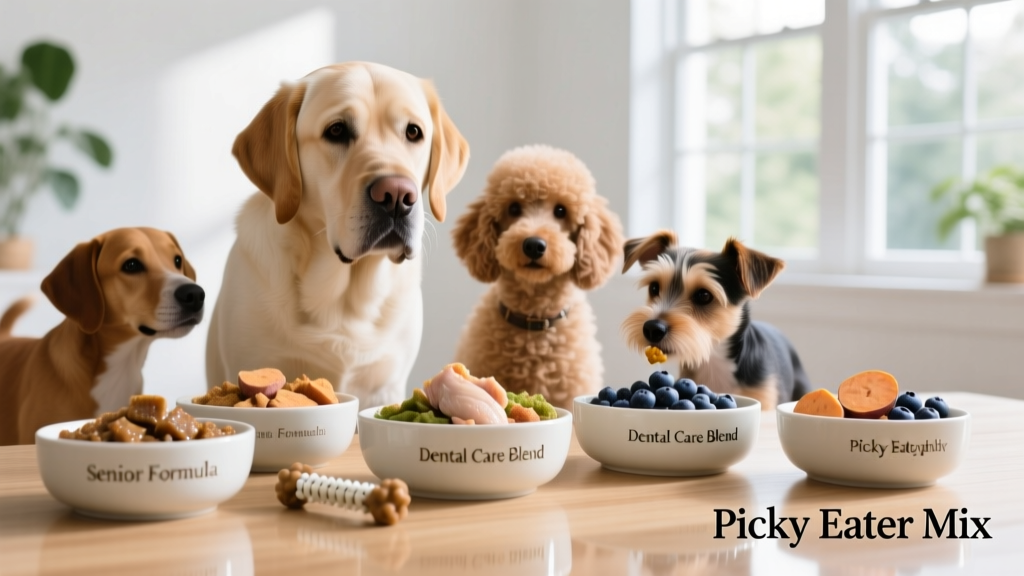
What Is Dog Soft Food and Who Needs It?
Dog soft food refers to any canine diet with a moist, easily chewable texture — including canned wet food, fresh-cooked meals, rehydrated freeze-dried kibble, and properly balanced homemade recipes. Unlike traditional dry kibble (which contains roughly 10-12% moisture), soft foods typically range from 65-85% moisture content, making them easier to chew, swallow, and digest.
The dogs who benefit most from a soft food diet fall into several categories:
- Senior dogs (8+ years): Aging dogs often develop dental disease — the AKC reports that over 80% of dogs show signs of periodontal disease by age three, and this worsens significantly with age.
- Dogs with dental extractions or oral surgery: Post-tooth loss, dogs need nutrition that requires minimal mastication.
- Puppies during teething (3-6 months): Sore gums make hard kibble uncomfortable.
- Brachycephalic breeds: Bulldogs, Pugs, and Shih Tzus often struggle with kibble geometry due to jaw structure.
- Dogs with megaesophagus or dysphagia: Swallowing disorders require softer, sometimes slurried textures.
- Picky eaters: Soft food's higher aroma and fat content triggers appetite in reluctant eaters.
- Dogs with kidney disease: Increased moisture supports renal function and hydration.
Nutritional Requirements: What Your Dog Actually Needs
Regardless of texture, your dog's food must meet baseline nutritional standards. The Association of American Feed Control Officials (AAFCO) sets nutrient profiles that define "complete and balanced" for each life stage. Here's what to look for:
| Nutrient | Adult Maintenance (Min) | Growth/Puppy (Min) | Senior (Typical Target) | Weight Loss (Typical Target) |
|---|---|---|---|---|
| Crude Protein | 18% DM | 22% DM | 25-30% DM | 25-35% DM |
| Crude Fat | 5.5% DM | 8.5% DM | 8-12% DM | 6-9% DM |
| Calcium | 0.5% DM | 1.0% DM | 0.5-0.8% DM | 0.5-0.8% DM |
| Phosphorus | 0.4% DM | 0.8% DM | 0.4-0.6% DM* | 0.4-0.6% DM |
| Moisture | Varies (wet: 65-85%) | Varies | Higher is better | Varies |
| Calories (kcal/day) | ~30 kcal/lb (varies) | ~50-55 kcal/lb (varies) | ~25-28 kcal/lb | ~20-25 kcal/lb |
*DM = Dry Matter basis. Phosphorus restriction is critical for dogs with chronic kidney disease — consult your veterinarian for specific CKD diet formulations.
Calorie Estimates by Weight (Adult, Neutered, Average Activity)
Use this as a starting point, then adjust based on your dog's body condition score, activity level, and metabolic rate:
| Dog Weight | Resting Energy (kcal/day) | Daily Calories (Neutered Adult) | Wet Food Approx. (cans/day at ~400 kcal/12.5oz can) |
|---|---|---|---|
| 10 lb / 4.5 kg | 218 | 328 | ~0.8 cans |
| 25 lb / 11 kg | 440 | 660 | ~1.6 cans |
| 50 lb / 23 kg | 740 | 1,110 | ~2.8 cans |
| 75 lb / 34 kg | 1,000 | 1,500 | ~3.7 cans |
| 100 lb / 45 kg | 1,240 | 1,860 | ~4.6 cans |
Adjustment factors: Intact dogs need ~10-20% more. Highly active dogs may need 1.5-3x resting energy. Seniors with low activity often need 10-20% less. Always consult your veterinarian for dogs with specific health conditions like hypothyroidism or Cushing's disease, which alter caloric needs.
How to Read a Soft Dog Food Label Like a Pro
Not all soft foods are created equal. Here's your ingredient analysis checklist:
✅ What to Look For
- AAFCO Statement: The label must say "formulated to meet the nutritional levels established by the AAFCO Dog Food Nutrient Profiles" or reference feeding trials. This is non-negotiable.
- Named animal protein first: Chicken, beef, salmon, lamb — not "meat by-products" or "animal digest."
- Moisture content listed: Typically 75-82% for canned food. Higher moisture means fewer calories per can.
- Life stage designation: "All life stages," "adult maintenance," or "growth" — match this to your dog.
- Guaranteed analysis: Minimum protein, minimum fat, maximum fiber, maximum moisture — all clearly listed.
🚫 What to Avoid
- Propylene glycol: Used as a humectant in some semi-moist foods; unnecessary and potentially concerning in large amounts.
- Artificial colors (Red 40, Yellow 5, Yellow 6): No nutritional purpose; linked to hypersensitivity in some dogs.
- Generic fat sources: "Animal fat" is vague — look for "chicken fat" or "sunflower oil."
- Added sugars or corn syrup: Common in semi-moist pouches; contribute to obesity and dental decay.
- Excessive sodium: Some canned foods exceed 1.0% DM sodium — problematic for dogs with heart or kidney disease.
Top Soft Dog Food Recommendations for 2026
These recommendations are based on AAFCO compliance, ingredient quality, veterinary nutritionist input, and real-world palatability. Prices reflect average retail as of early 2026.
1. Hill's Science Diet Wet Dog Food — Adult Chicken & Barley Entrée
Best for: Everyday adult maintenance, sensitive stomachs
Price: $2.50-$3.25 per 12.8 oz can
Protein (DM): ~27% | Fat (DM): ~22% | Calories: 408 per 12.8 oz can
Why it works: Hill's conducts feeding trials (not just formulation), uses a named chicken protein as the first ingredient, and offers veterinary-recommended consistency. The pâté texture is easy for dental-compromised dogs.
2. Royal Canin Veterinary Diet Gastrointestinal Low Fat Canned
Best for: Dogs with pancreatitis, chronic GI issues, post-surgical recovery
Price: $3.75-$4.50 per 13.5 oz can (prescription required)
Protein (DM): ~28% | Fat (DM): ~8% | Calories: 335 per 13.5 oz can
Why it works: Ultra-low fat content supports pancreatic rest while maintaining adequate protein. The soft loaf texture is gentle on compromised digestive systems. Available only through your veterinarian.
3. The Farmer's Dog — Fresh Beef Recipe
Best for: Picky eaters, owners wanting human-grade ingredients
Price: $2.50-$5.00/day depending on dog size (subscription-based)
Protein (DM): ~36% | Fat (DM): ~28% | Calories: ~375 per 12 oz portion
Why it works: Pre-portioned, gently cooked fresh food with USDA human-grade ingredients. The soft, ground texture appeals to even the most reluctant eaters. AAFCO-compliant for all life stages. Delivered frozen to your door.
4. Purina Pro Plan Savor Adult Shredded Blend — Chicken & Rice
Best for: Budget-conscious owners, multi-dog households
Price: $2.00-$2.75 per 13 oz can
Protein (DM): ~32% | Fat (DM): ~18% | Calories: 434 per 13 oz can
Why it works: Widely available, feeding-trial tested, and the shredded texture provides variety. Live probiotics support digestive health. Solid middle-ground option for dogs transitioning from kibble.
5. Nom Nom — Turkey Recipe (Fresh)
Best for: Dogs with food sensitivities, weight management
Price: $3.00-$6.00/day depending on size (subscription)
Protein (DM): ~35% | Fat (DM): ~24% | Calories: ~350 per 12 oz portion
Why it works: Limited ingredient list (turkey, sweet potato, spinach, canola oil, plus vitamin/mineral premix). Formulated by board-certified veterinary nutritionists. Each batch is lab-tested for nutritional adequacy.
6. Wellness CORE Grain-Free Senior Wet — Turkey & Chicken Liver
Best for: Senior dogs needing higher protein, lower calorie density
Price: $3.00-$3.75 per 12.5 oz can
Protein (DM): ~40% | Fat (DM): ~18% | Calories: 375 per 12.5 oz can
Why it works: Higher protein supports muscle preservation in aging dogs. Grain-free formulation suits dogs with specific grain sensitivities (note: discuss grain-free diets with your vet given ongoing FDA investigation into DCM links). Soft pâté is easy on worn teeth.
7. JustFoodForDogs — Chicken & White Rice (Gently Cooked)
Best for: Dogs needing novel protein rotations, owners wanting transparency
Price: $3.50-$7.00/day depending on size
Protein (DM): ~30% | Fat (DM): ~20% | Calories: ~340 per 12 oz portion
Why it works: Cooked in USDA-certified kitchens, recipes developed with veterinary nutritionists, and available in retail stores (unusual for fresh brands). Multiple protein options allow rotation for allergy management.
Homemade Soft Dog Food: Proceed With Caution
Many owners consider making soft food at home, especially for dogs with dental issues or allergies. While homemade diets can work, they carry serious risks without professional formulation.
⚠️ Critical Warning: A study published in JAVMA found that 95% of homemade dog food recipes from books and websites were nutritionally deficient. Common gaps include calcium, vitamin D, zinc, copper, and essential fatty acids. Long-term deficiencies cause bone deformities, immune compromise, and organ failure.
Safe Approach to Homemade Soft Food
- Consult a board-certified veterinary nutritionist (DACVN). They will formulate a recipe specific to your dog's weight, life stage, and health conditions. Cost: $150-$350 for an initial consultation and custom recipe.
- Use a Balance IT® supplement. This product line (available through veterinarians) provides pre-measured vitamin/mineral blends designed to complete specific homemade recipes.
- Follow the recipe exactly. Do not substitute ingredients — swapping sweet potato for rice changes the calcium-to-phosphorus ratio dramatically.
- Re-evaluate every 6-12 months. As your dog ages or changes weight, the recipe needs adjustment.
Example Vet-Approved Homemade Soft Food Template (Illustrative Only)
This is NOT a complete recipe — it demonstrates the structure. You MUST have your veterinary nutritionist provide exact measurements.
- Cooked lean protein (chicken breast, ground turkey): ~40% of total weight
- Cooked carbohydrate (white rice, sweet potato): ~35% of total weight
- Cooked vegetables (green beans, carrots): ~15% of total weight
- Oil source (fish oil or safflower oil): ~5% of total weight
- Vitamin/mineral supplement: Exact amount per nutritionist's specification
- Calcium source (calcium carbonate or eggshell powder): Per calculated requirement
Raw Diet Considerations
Some owners ask about raw soft food (ground raw meat/bone/organ mixes). The AVMA and FDA advise against raw diets due to documented risks:
- Salmonella and Listeria contamination: FDA testing found pathogenic bacteria in 15-25% of raw pet food samples vs. less than 1% of dry foods.
- Zoonotic transmission: Bacteria shed in your dog's saliva and feces can infect household members, especially children, elderly, and immunocompromised individuals.
- Nutritional imbalance: Raw diets without bone or synthetic calcium consistently fail to meet calcium requirements.
If you still choose to feed raw, work with a veterinary nutritionist, source human-grade meats, practice strict food safety protocols, and have your dog's bloodwork monitored quarterly.
Foods to Avoid in Any Soft Diet
Whether feeding commercial or homemade, these ingredients are toxic or harmful to dogs:
| Ingredient | Risk | Toxic Dose |
|---|---|---|
| Grapes/Raisins | Acute kidney failure | Any amount — no safe threshold identified |
| Onions/Garlic/Chives | Heinz body anemia (red blood cell destruction) | Onion: >0.5% of body weight; Garlic: >5g/kg |
| Xylitol (artificial sweetener) | Hypoglycemia, liver failure | >100 mg/kg causes hypoglycemia; >500 mg/kg causes liver failure |
| Macadamia nuts | Weakness, tremors, hyperthermia | >2.4 g/kg |
| Chocolate (baker's/dark) | Theobromine toxicity — seizures, cardiac arrhythmia | Baker's chocolate: >0.1 oz/kg body weight |
| Cooked bones | GI perforation, obstruction | Any amount |
| Avocado (persin) | Myocardial damage (primarily in large quantities) | Variable by individual sensitivity |
If your dog ingests any toxic substance, contact ASPCA Animal Poison Control immediately at (888) 426-4435 (24/7, consultation fee applies) or the Pet Poison Helpline at (855) 764-7661.
How to Transition Your Dog to Soft Food (7-10 Day Protocol)
Sudden diet changes cause vomiting, diarrhea, and food refusal. Follow this gradual transition schedule:
| Days | Old Food | New Soft Food | Notes |
|---|---|---|---|
| Days 1-2 | 75% | 25% | Mix thoroughly so dog can't sort out new food |
| Days 3-4 | 50% | 50% | Watch for loose stool; if present, hold at this ratio an extra day |
| Days 5-6 | 25% | 75% | Appetite should normalize; slight stool softening is normal |
| Days 7-10 | 0% | 100% | Full transition; monitor weight and body condition over next 2 weeks |
Special considerations:
- Dogs with GI disease: Extend each phase to 3-4 days (total transition: 14-20 days).
- Ultra-picky eaters: Warm the new food to body temperature (~101°F / 38°C) to increase aroma. Add a teaspoon of low-sodium chicken broth as a topper.
- From dry to wet: Expect your dog's stool volume to increase — wet food produces more waste due to higher moisture. This is normal.
Supplements: Does Your Dog on Soft Food Need Them?
Most AAFCO-compliant commercial soft foods are nutritionally complete and do not require supplementation. Adding unnecessary supplements can actually cause harm (excess calcium in large-breed puppies causes skeletal deformities; excess vitamin D causes toxicity).
Situations where supplements may be appropriate:
| Supplement | Indication | Typical Dosage | Notes |
|---|---|---|---|
| Fish Oil (EPA/DHA) | Osteoarthritis, skin allergies, CKD | 20-55 mg combined EPA+DHA per kg body weight/day | Choose products with IFOS certification for purity |
| Probiotics (e.g., FortiFlora, Proviable) | Antibiotic-associated diarrhea, stress colitis | 1 packet/capsule per day (1-10 billion CFU) | Strain-specific — not all probiotics are equal |
| Glucosamine/Chondroitin | Osteoarthritis, hip dysplasia | Glucosamine: 20 mg/lb/day; Chondroitin: 15 mg/lb/day | Give with food; effects take 4-6 weeks |
| Vitamin E | Immune support, skin conditions | 2-5 IU/lb/day | Fat-soluble — risk of accumulation; vet guidance required |
Never supplement calcium, vitamin D, or phosphorus without veterinary bloodwork and explicit dosing instructions. Consult your veterinarian before adding any supplement to your dog's diet.
Monitoring Success: How to Know the Soft Food Is Working
After 4-6 weeks on the new diet, evaluate these markers:
Body Condition Score (BCS)
Use the 9-point Purina BCS scale (target: 4-5 out of 9):
- Ribs: You should feel them easily with light fingertip pressure, like feeling the back of your hand. If you have to press hard, your dog is overweight.
- Waist: Viewed from above, there should be a visible hourglass tuck behind the ribs.
- Abdominal tuck: Viewed from the side, the abdomen should tuck upward behind the ribcage.
Other Success Indicators
| Marker | Healthy Sign | Concerning Sign |
|---|---|---|
| Coat Quality | Glossy, minimal shedding, no flaky skin | Dull, brittle, excessive shedding, hot spots |
| Energy Level | Age-appropriate alertness and playfulness | Lethargy, reluctance to exercise |
| Stool Quality | Firm, formed, easy to pick up (score 2-3 on 5-point fecal scale) | Chronic diarrhea, mucous, blood, or straining |
| Weight Stability | Within 5% of target weight over 3 months | Unexplained gain or loss >5% |
| Dental Health | Reduced tartar buildup, improved breath (vs. kibble-only) | Worsening halitosis, bleeding gums |
| Appetite | Eats within 10-15 minutes of meal being offered | Consistent food refusal or gulping |
Frequently Asked Questions
What is the best dog soft food for senior dogs?
Senior dogs benefit from soft foods higher in protein (25-30% DM) to preserve muscle mass, moderate in fat (8-12% DM) to manage weight, and with added joint-support nutrients like glucosamine. Wellness CORE Senior and Hill's Science Diet Senior are strong commercial options. For dogs with kidney disease, Royal Canin Renal Support or Hill's k/d canned are veterinary-recommended choices with controlled phosphorus.
How much soft food should I feed my dog?
Start with the feeding chart on the product label (which is calibrated to that specific food's caloric density), then adjust based on your dog's body condition score after 2-3 weeks. As a general guide, an average-activity neutered adult dog needs approximately 30 kcal per pound of ideal body weight daily. A 50 lb dog needs roughly 1,500 kcal/day, which translates to about 3.5-4 standard 12.5 oz cans of wet food (at ~400 kcal/can). Active dogs, puppies, and intact dogs need more; sedentary seniors need less.
Can I feed my dog a homemade or raw soft diet?
Homemade cooked diets can work if formulated by a board-certified veterinary nutritionist (DACVN) and supplemented precisely. Raw diets carry documented bacterial contamination risks and nutritional imbalance concerns. If you pursue homemade feeding, budget $150-$350 for a veterinary nutritionist consultation plus $50-$100/month in supplement costs on top of ingredients. Never use internet recipes without professional validation.
What ingredients should I avoid in dog soft food?
Avoid artificial colors (Red 40, Yellow 5, Yellow 6), propylene glycol, corn syrup, unnamed fat sources ("animal fat"), and excessive sodium (>1% DM). For homemade diets, never include grapes, raisins, onions, garlic, xylitol, macadamia nuts, chocolate, or cooked bones. Semi-moist pouch-style foods often contain added sugars and preservatives — read labels carefully.
How do I switch my dog to a new soft food?
Transition over 7-10 days: 75% old / 25% new for days 1-2, then 50/50 for days 3-4, then 25% old / 75% new for days 5-6, and 100% new by day 7-10. Dogs with sensitive stomachs or GI disease may need 14-20 days. Warm the food slightly to enhance palatability and mix thoroughly to prevent ingredient sorting.
Does my dog need supplements on a soft food diet?
If you're feeding an AAFCO-complete commercial soft food, additional supplements are generally unnecessary and can be harmful. Fish oil (EPA/DHA at 20-55 mg/kg/day) may benefit dogs with arthritis or allergies. Probiotics help during antibiotic courses. Never add calcium, vitamin D, or phosphorus without veterinary guidance. Dogs on homemade diets will require a veterinary nutritionist-prescribed supplement blend — this is not optional.
Is soft food bad for my dog's teeth?
Contrary to popular belief, dry kibble does not significantly clean teeth — dogs swallow kibble whole or fracture it without meaningful abrasion against the gumline. Professional dental cleanings and daily tooth brushing remain the gold standard for oral health regardless of diet. However, some veterinary dental diets use specially designed kibble geometry (like Hill's t/d) that does provide mechanical cleaning. Discuss your dog's dental health with your veterinarian to determine the best approach.
Can I mix wet and dry food together?
Yes, mixing is a common strategy to improve palatability, increase moisture intake, and reduce overall food cost (wet food is more expensive per calorie). Just ensure the combined diet meets your dog's caloric needs and adjust portions accordingly. If mixing, account for both foods' caloric contributions to avoid overfeeding.
Disclaimer: This article provides general nutritional guidance and does not replace professional veterinary advice. Always consult your veterinarian before making significant dietary changes, especially for dogs with health conditions such as kidney disease, diabetes, pancreatitis, or food allergies.
Marcus Aldridge
All our authors care for dogs every day — read more of their work on the authors page.


