Dog Skin Yeast Infection: Symptoms, Treatment & Prevention Guide
Dog skin yeast infection symptoms, treatment, and prevention. Expert guide for effective care and breed-specific tips.

Canine Skin Anatomy: Why Dogs Get Yeast Infections
Dog skin differs significantly from human skin in ways that predispose them to yeast overgrowth. While humans have approximately 100,000 sweat glands per square inch, dogs have far fewer eccrine glands (limited to paw pads) and rely primarily on apocrine glands distributed across their body. These glands secrete lipids and proteins that create an ideal feeding ground for Malassezia pachydermatis, the yeast species responsible for most canine skin infections.
Unlike humans, whose skin pH averages 5.5 (acidic), canine skin maintains a pH of 6.2-7.4 (more neutral to alkaline). This higher pH reduces the skin's natural antimicrobial barrier, allowing yeast populations to proliferate when the immune system is compromised or when moisture becomes trapped in skin folds, ear canals, or between toes.
Recognizing Dog Skin Yeast Infection Symptoms
Malassezia dermatitis typically presents with a distinctive pattern of symptoms that differentiate it from bacterial infections or allergies. The infection often begins in warm, moist areas where yeast thrives: ear canals, skin folds, armpits, groin, between toes, and around the anal region.
| Symptom | What You'll Notice | Typical Location |
|---|---|---|
| Itching (Pruritus) | Moderate to intense scratching, licking, or chewing at affected areas | Paws, ears, groin, armpits |
| Odor | Musty, "corn chip" or cheesy smell that persists after bathing | Entire coat or localized patches |
| Skin Discoloration | Reddish-brown staining on light fur; darkening (hyperpigmentation) on skin | Between toes, nail beds, skin folds |
| Greasy or Flaky Coat | Oily patches with yellowish scales or dandruff-like flakes | Back, neck, chest |
| Skin Thickening | Leathery, elephant-like texture (lichenification) in chronic cases | Chronically affected areas |
| Hair Loss | Patchy alopecia from scratching or inflammation | Varies by infection site |
How to Check Your Dog's Skin for Yeast Infection
Regular skin examinations help you catch yeast overgrowth before it becomes severe. Perform this check monthly, or weekly if your dog is a predisposed breed.
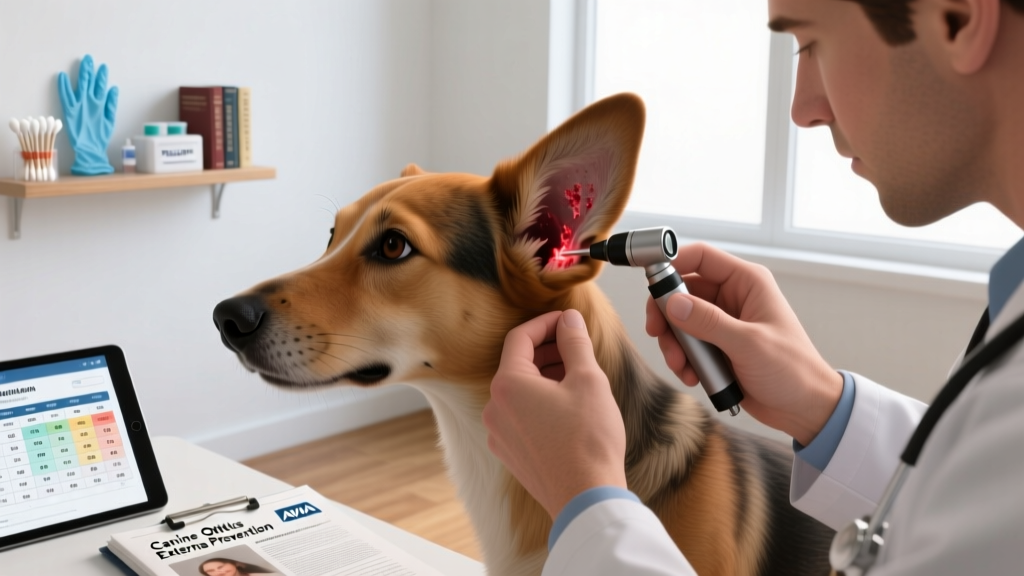
- Start with the ears: Gently fold back the ear flap and examine the inner canal. Healthy ear skin is pale pink with minimal wax. Yeast infections show as dark brown, waxy discharge with a sweet or musty odor.
- Inspect skin folds: Part fur around facial wrinkles (brachycephalic breeds), vulvar folds, lip folds, and tail pockets. Look for redness, moisture, or brownish discharge.
- Check between toes: Spread each paw's toes apart. Yeast commonly causes reddish-brown staining between toes and around nail beds. The skin may appear moist or have a cheesy residue.
- Examine armpits and groin: These areas trap heat and moisture. Lift the front legs to inspect armpits, then check the inner thighs and groin. Look for pink to red discoloration and any greasy film.
- Assess overall coat condition: Run your hands along your dog's body, feeling for oily patches, flakes, or crusty areas. Note any musty odor that doesn't resolve with regular bathing.
- Perform the "white cloth test": Rub a white cloth or paper towel against suspicious areas. Yellowish or brownish residue suggests yeast overgrowth.
Normal vs Abnormal: What Healthy Dog Skin Looks Like
| Feature | Normal (Healthy) | Abnormal (Possible Yeast) |
|---|---|---|
| Skin Color | Pink to light brown (varies by breed pigmentation) | Bright red, dark brown, or black patches |
| Texture | Smooth, supple, slightly moist | Greasy, crusty, thickened, or leathery |
| Odor | Mild, neutral "dog smell" | Strong musty, yeasty, or cheesy odor |
| Ear Canal | Pale pink, minimal light yellow wax | Red, inflamed, dark brown waxy discharge |
| Between Toes | Clean, dry, pink skin | Moist, reddish-brown staining, debris |
| Itching Level | Occasional scratching (normal grooming) | Frequent scratching, licking, or chewing |
Home Care Routine for Yeast-Prone Skin
If your dog has a history of yeast infections or belongs to a predisposed breed, implementing a consistent preventive care routine is essential. This protocol helps maintain skin health and catch early signs of overgrowth.
Weekly Maintenance Protocol
- Ear cleaning (1-2x weekly): Use a veterinary-formulated ear cleaner with drying agents like boric acid or salicylic acid. Apply 5-10 drops per ear, massage the base for 20-30 seconds, allow your dog to shake, then wipe visible debris with cotton balls. Product recommendation: Epi-Otic Advanced Ear Cleanser ($15-20 for 4 oz bottle, lasts 2-3 months).
- Paw soaks (2-3x weekly): Prepare a solution of 1 part white vinegar to 2 parts warm water, or use chlorhexidine-based wipes (2% concentration). Soak each paw for 30-60 seconds, then dry thoroughly between toes. Product recommendation: Chlorhexidine 2% wipes ($12-18 for 50-count box).
- Skin fold cleaning (daily for brachycephalic breeds): Gently wipe facial wrinkles, lip folds, and tail pockets with unscented baby wipes or veterinary antimicrobial wipes. Dry thoroughly with a soft cloth. Product recommendation: MalAcetic Wipes with 2% acetic acid and 2% boric acid ($18-25 for 50-count).
- Medicated bathing (every 1-2 weeks during flare-ups): Use antifungal shampoos containing 2% miconazole, 2% chlorhexidine, or 1% ketoconazole. Lather and leave on for 10 minutes before rinsing. Product recommendation: Malaseb Medicated Shampoo ($22-30 for 16 oz bottle).
When to See the Vet About Skin Yeast Infections
⚠️ Schedule a veterinary appointment within 48 hours if you observe:
- Intense itching causing self-trauma (bleeding, open sores, hot spots)
- Widespread infection covering multiple body areas
- Ear infection symptoms: head shaking, ear scratching, loss of balance, or walking in circles
- No improvement after 1-2 weeks of consistent home care
- Recurring infections (more than 2-3 episodes per year)
- Signs of secondary bacterial infection: pus, foul odor, fever, or lethargy
- Skin thickening or darkening (indicates chronic infection requiring prescription treatment)
Emergency visit required if: Your dog shows facial swelling, difficulty breathing, or collapse (rare allergic reaction to yeast overgrowth).
Your veterinarian will perform diagnostic tests to confirm yeast infection and rule out underlying causes. Expect the following:
- Cytology (skin scraping or tape prep): $45-75. The vet collects skin cells and examines them under a microscope to identify yeast organisms. Results same-day.
- Ear cytology: $35-60. Swab of ear canal discharge examined for yeast and bacteria.
- Allergy testing (if recurrent): $300-600 for blood tests; $600-1,200 for intradermal skin testing. Identifies environmental or food allergies driving yeast overgrowth.
- Thyroid panel (if suspected): $80-150. Hypothyroidism compromises skin immunity and predisposes to chronic yeast.
Treatment typically involves prescription antifungal medications (oral ketoconazole or itraconazole at $30-80 for a 2-4 week course) combined with medicated shampoos. According to the Merck Veterinary Manual, most cases resolve within 3-6 weeks with proper treatment.
Breed Predispositions: Which Dogs Are Most Susceptible?
Certain breeds have genetic, anatomical, or immune factors that increase yeast infection risk. Understanding your dog's predisposition helps you implement targeted prevention.
| Breed | Risk Factors | Common Infection Sites |
|---|---|---|
| Basset Hound | Long ears trap moisture; excessive skin folds; genetic predisposition to seborrhea | Ears, facial folds, body folds |
| Cocker Spaniel | Pendulous ears; lip folds; high cerumen (ear wax) production | Ears, lip folds, groin |
| West Highland White Terrier | Atopic dermatitis (allergies); compromised skin barrier function | Paws, ears, armpits |
| German Shepherd | Immune-mediated skin disorders; deep skin folds in some lines | Back, ears, between toes |
| Bulldog (English & French) | Extensive facial and body skin folds; brachycephalic anatomy | Face wrinkles, tail pocket, armpits |
| Pug | Deep facial wrinkles; prominent eyes with tear staining | Facial folds, around eyes, body folds |
| Shih Tzu | Long coat traps moisture; facial hair obstructs air flow to skin | Face, ears, groin |
| Dachshund | Low-to-ground body collects environmental debris; long ears | Ears, chest, between toes |
According to the American Kennel Club, these breeds benefit from more frequent preventive care routines and early intervention when symptoms appear.
Prevention Strategies to Minimize Yeast Overgrowth
Yeast infections often signal an underlying imbalance in your dog's immune system or environment. Addressing root causes provides long-term relief beyond symptomatic treatment.
Dietary Modifications
Yeast thrives on simple carbohydrates and sugars. While complete carbohydrate elimination isn't necessary (dogs require some carbs for energy), reducing high-glycemic ingredients helps starve yeast populations. Look for dog foods with:
- Complex carbohydrates (sweet potatoes, brown rice) rather than corn, wheat, or white rice
- Minimum 25-30% protein from named meat sources (chicken, lamb, fish)
- Omega-3 fatty acids (fish oil, flaxseed) to reduce skin inflammation
- Probiotics containing Lactobacillus and Bifidobacterium strains to support gut-skin axis health
Product recommendation: Hill's Science Diet Sensitive Stomach & Skin formula ($55-70 for 27.5 lb bag) or Royal Canin Veterinary Diet Hydrolyzed Protein ($85-95 for 17.6 lb bag, requires prescription).
Environmental Management
- Dry thoroughly after swimming or bathing: Use a high-velocity dog dryer on cool setting to remove moisture from skin folds, ears, and between toes. Allow 10-15 minutes for thorough drying.
- Maintain home humidity below 50%: Use dehumidifiers in damp climates or during humid seasons. Yeast proliferates in high-humidity environments.
- Wash bedding weekly in hot water (130°F/54°C): Kills yeast organisms and removes skin debris that feeds fungal growth.
- Trim hair around paws and skin folds: Improves air circulation and reduces moisture trapping. Professional grooming every 6-8 weeks ($40-80 per session).
Allergy Management
Environmental allergies (atopic dermatitis) and food allergies compromise the skin barrier, allowing yeast to proliferate. Work with your veterinarian to identify allergens through:
- Elimination diet trials (8-12 weeks on novel protein or hydrolyzed diet): $200-400 total cost
- Environmental allergy testing and immunotherapy: $800-1,500 initial testing plus $150-300 annually for serum treatments
- Regular use of anti-itch medications like Apoquel ($80-120/month) or Cytopoint injections ($65-100 every 4-8 weeks) to reduce scratching-induced skin damage
Frequently Asked Questions
Can I use human antifungal creams on my dog's yeast infection?
While some human antifungal creams (like clotrimazole 1%) are safe for dogs in small amounts, they're not ideal. Dogs lick their skin, ingesting the medication, and human formulations may contain ingredients toxic to dogs (like certain preservatives). Veterinary-specific products are formulated for canine skin pH and safety if ingested. Always consult your veterinarian before applying any human medication.
How long does it take for a dog skin yeast infection to clear up?
With proper veterinary treatment (prescription antifungals plus medicated bathing), most yeast infections resolve in 3-6 weeks. Mild cases may improve within 1-2 weeks. Chronic or severe infections can take 6-8 weeks or longer. Continue treatment for the full prescribed duration even if symptoms improve early—stopping too soon leads to recurrence.
Are yeast infections contagious to other dogs or humans?
Malassezia yeast is species-specific and not considered contagious between dogs or from dogs to humans. The yeast already exists on healthy dog skin; infections occur when the population overgrows due to individual immune or environmental factors. However, if multiple dogs in your household develop infections simultaneously, investigate shared environmental triggers (humidity, allergens, contaminated grooming tools).
Can diet alone cure a yeast infection?
Dietary changes support treatment but rarely cure active infections alone. Yeast overgrowth typically requires topical antifungal therapy (medicated shampoos, wipes) and sometimes oral medications. However, addressing underlying food allergies or reducing high-carbohydrate intake helps prevent recurrence long-term. Think of diet as prevention and support, not primary treatment.
Why does my dog's yeast infection keep coming back?
Recurrent yeast infections (3+ episodes per year) signal an unresolved underlying condition. Common culprits include undiagnosed allergies (environmental or food), hypothyroidism, Cushing's disease, or immune system disorders. Your veterinarian will recommend diagnostic testing to identify the root cause. Treating only the yeast without addressing the underlying condition leads to an endless cycle of infection and treatment.
Is apple cider vinegar effective for treating yeast infections?
Diluted apple cider vinegar (1 part vinegar to 3 parts water) can help as a supportive rinse between medicated baths. The acetic acid creates an environment less favorable to yeast growth. However, it's not a substitute for veterinary treatment, especially for moderate to severe infections. Never use undiluted vinegar—it will burn inflamed skin. Discontinue if your dog shows increased redness or discomfort.
Important: This guide provides educational information about dog skin yeast infections. Always consult your veterinarian for proper diagnosis and treatment. Yeast infections can mimic other skin conditions (bacterial infections, mange, autoimmune diseases) that require different treatments. Professional veterinary care ensures your dog receives the correct diagnosis and most effective therapy.
Aaron Whyte
All our authors care for dogs every day — read more of their work on the authors page.