Dog Seizures: What to Do, When to Worry & Treatment Options
Dog seizures what to do: Learn to recognize symptoms, respond safely during an episode, understand causes, diagnosis costs, and long-term treatment options.

Watching your dog experience a seizure is one of the most terrifying moments a pet owner can face. Your dog collapses, paddles their legs, drools, or goes rigid — and in that moment, you feel completely helpless. But knowing dog seizures what to do before, during, and after an episode can protect your dog from injury and help you make informed decisions about their care.
A seizure is a sudden, uncontrolled burst of abnormal electrical activity in the brain. In dogs, seizures range from mild focal episodes (twitching in one body part) to severe generalized tonic-clonic events involving full-body convulsions and loss of consciousness. According to the Merck Veterinary Manual, epilepsy is the most common chronic neurological condition in dogs, affecting an estimated 0.5% to 5.7% of the canine population. Not every seizure indicates epilepsy — toxins, metabolic disease, brain tumors, and infections can all trigger seizure activity.
What Are Seizures in Dogs?
A seizure is the visible, physical manifestation of abnormal neuronal firing in the cerebral cortex. The brain's neurons fire in rapid, synchronized bursts, overriding normal motor control. Seizures are classified into two broad categories:
- Generalized (tonic-clonic): The dog loses consciousness, falls to one side, experiences rigid muscle contraction (tonic phase) followed by rhythmic jerking (clonic phase). Paddling, vocalizing, drooling, and involuntary urination or defecation are common.
- Focal (partial): Only one region of the brain is involved. The dog may remain conscious but exhibit localized twitching — a facial muscle, one leg, or the jaw. Some focal seizures involve "fly-biting" behavior (snapping at imaginary objects), sudden fear, or unexplained aggression.
Idiopathic epilepsy — meaning seizures with no identifiable underlying cause — accounts for roughly 80% of recurrent seizures in dogs aged 6 months to 6 years. When seizures begin outside this age range or have an identifiable trigger (tumor, toxin, liver failure), the condition is classified as structural or reactive epilepsy.
Recognizing Seizure Symptoms by Severity
Seizures don't always look the way movies portray them. Many owners miss early or mild episodes entirely. Use this checklist to identify what stage your dog may be experiencing.
| Severity | Symptoms | Duration |
|---|---|---|
| Pre-ictal (Aura) | Restlessness, whining, seeking owner, hiding, pacing, apparent anxiety | Seconds to hours before seizure |
| Mild / Focal | Localized muscle twitching (face, leg), fly-biting, brief staring, one-sided facial droop | Seconds to 1 minute |
| Moderate / Generalized | Loss of consciousness, full-body rigidity, rhythmic jerking, excessive salivation, paddling legs | 30 seconds to 2 minutes |
| Severe / Cluster | Multiple generalized seizures within 24 hours without full recovery between episodes | Each episode 1–3 minutes; cluster spans hours |
| Status Epilepticus | Continuous seizure activity lasting more than 5 minutes, or repeated seizures without regaining consciousness | 5+ minutes — life-threatening emergency |
| Post-ictal | Disorientation, temporary blindness, pacing, excessive hunger or thirst, lethargy | Minutes to 48 hours |
What to Do During a Dog Seizure
Knowing exactly how to respond in the moment is critical. Here is a step-by-step protocol:
- Stay calm and time the seizure. Note the start time. Most generalized seizures last 60–90 seconds. If it exceeds 3 minutes, prepare to go to the emergency vet.
- Clear the area. Move furniture, sharp objects, and other pets away. Do NOT try to hold your dog down or restrain their movements.
- Protect their head. Slide a flat cushion or folded towel under their head to prevent it from hitting hard surfaces.
- Keep hands away from the mouth. Dogs cannot swallow their tongues during a seizure — this is a myth. However, an unconscious dog may bite involuntarily. Do not put your fingers near their mouth.
- Dim lights and reduce noise. Sensory stimulation can prolong seizure activity. Turn off TVs, lower voices, close curtains.
- Record the episode if possible. A video on your phone is extremely valuable to your veterinarian for classification and diagnosis.
- After the seizure (post-ictal phase): Speak softly, keep the environment calm, offer water, and prevent access to stairs. Your dog may be temporarily blind or disoriented for up to 48 hours.
Pro tip from the clinic: Keep a seizure log — a small notebook or phone note — recording date, time, duration, description of movements, and any potential triggers (new food, stress, missed medication dose). This log is the single most valuable diagnostic tool you can provide your veterinarian.
Risk Factors: Which Breeds Are Prone to Seizures?
While any dog can experience a seizure, certain breeds carry a significantly higher genetic predisposition to idiopathic epilepsy. Age of onset, sex, and body size also influence risk.
Breed Predisposition
The following breeds have documented higher rates of idiopathic epilepsy, according to the American Kennel Club and veterinary neurology literature:
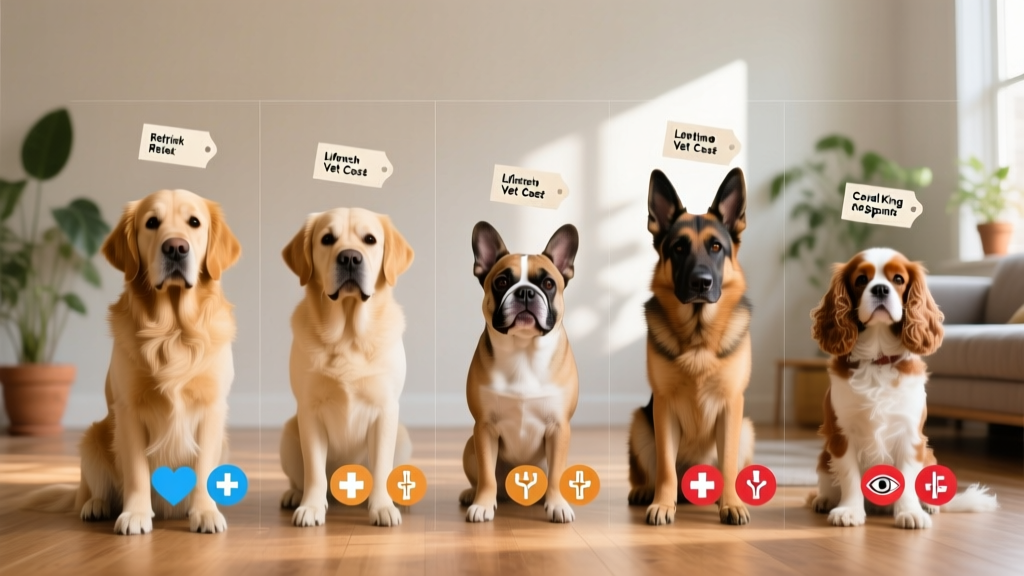
- High prevalence: Belgian Tervuren, Australian Shepherd, Border Collie, Bernese Mountain Dog, Labrador Retriever, Golden Retriever
- Moderate prevalence: Beagle, German Shepherd, Cocker Spaniel, Irish Wolfhound, Finnish Spitz, English Springer Spaniel
- Notable patterns: Australian Shepherds with the MDR1 gene mutation are at elevated risk and may also have adverse reactions to certain anti-seizure medications
Other Risk Factors
- Age: Idiopathic epilepsy typically presents between 6 months and 6 years. Seizures starting before 6 months or after 6 years are more likely to have a structural or metabolic cause.
- Sex: Male dogs are slightly overrepresented in several breed-specific epilepsy studies.
- Toxin exposure: Xylitol, chocolate (theobromine), rat poison (bromethalin), certain flea/tick products containing isoxazolines, lead, and moldy food (tremorgenic mycotoxins) can trigger reactive seizures.
- Metabolic conditions: Hypoglycemia, liver disease (hepatic encephalopathy), kidney failure, and severe electrolyte imbalances.
- Head trauma: Previous traumatic brain injury increases seizure susceptibility.
How Are Seizures Diagnosed in Dogs?
Diagnosing the cause of seizures requires a systematic veterinary workup. Your vet will begin with a thorough history (your seizure log is essential here), a complete neurological examination, and then proceed through diagnostic tiers.
Typical Diagnostic Pathway
- Tier 1 — Baseline Bloodwork & Urinalysis ($150–$350)
- Complete blood count (CBC), chemistry panel (liver/kidney values, glucose, electrolytes), bile acids test (liver function), thyroid panel
- Urinalysis to assess kidney concentration ability
- Rules out: hypoglycemia, hepatic encephalopathy, kidney failure, electrolyte disorders
- Tier 2 — Advanced Bloodwork & Infectious Disease Screening ($200–$500)
- Tick-borne disease panel (Lyme, Ehrlichia, Rocky Mountain Spotted Fever)
- Toxoplasmosis, Neospora, canine distemper titers
- Fungal titers (if regionally appropriate — Histoplasma, Blastomyces, Coccidioides)
- Lead levels (if exposure suspected)
- Tier 3 — Advanced Imaging ($1,200–$3,500)
- MRI of the brain (gold standard for structural causes) — typically $1,500–$2,500
- CT scan (less detailed for soft tissue but faster, less expensive) — $800–$1,500
- Rules out: brain tumors, hydrocephalus, encephalitis, vascular anomalies
- Tier 4 — Cerebrospinal Fluid (CSF) Analysis ($300–$600, often bundled with MRI)
- Collected via spinal tap under general anesthesia
- Analyzes cell count, protein levels, infectious agents
- Diagnoses: inflammatory CNS disease (meningoencephalitis), infectious encephalitis
Total diagnostic cost range: $350 for basic bloodwork-only workup (if idiopathic epilepsy is suspected in a young, healthy dog) to $4,000+ for a comprehensive neurological workup including MRI and CSF analysis.
If all diagnostic tests return normal and your dog falls within the typical age range (6 months to 6 years), your veterinarian will likely diagnose idiopathic epilepsy — a diagnosis of exclusion. This means no underlying cause was found, and the seizures are presumed to be genetic in origin.
Treatment Options for Dog Seizures
Not every seizure requires medication. Most veterinary neurologists recommend starting anti-seizure medication when:
- Seizures occur more frequently than once every 4–6 weeks
- Cluster seizures (multiple in 24 hours) have occurred
- Any single seizure lasting longer than 5 minutes (status epilepticus) has occurred
- Post-ictal recovery periods are prolonged or severe
| Medication | Mechanism | Typical Dose | Monitoring Required | Monthly Cost (50 lb dog) | Success Rate |
|---|---|---|---|---|---|
| Phenobarbital | Enhances GABA (inhibitory neurotransmitter) | 2–4 mg/kg every 12 hours | Liver enzymes every 6 months, phenobarbital blood levels | $15–$40 | ~60–80% achieve seizure control |
| Potassium Bromide (KBr) | Neuronal membrane stabilization | 20–40 mg/kg every 24 hours | Bromide blood levels, thyroid function | $10–$25 | ~50–70% (often used as add-on) |
| Levetiracetam (Keppra) | Synaptic vesicle protein modulation | 20–30 mg/kg every 8 hours | Minimal; occasionally kidney function | $40–$120 | ~50–65% as monotherapy; better as add-on |
| Zonisamide | Sodium channel blockade + GABA enhancement | 5–10 mg/kg every 12 hours | Blood levels, liver enzymes | $60–$150 | ~50–60% as add-on therapy |
| Levetiracetam XR (extended release) | Same as standard Keppra, slower absorption | 30 mg/kg every 12 hours | Minimal | $80–$180 | Similar to standard; improved compliance |
Important: Never start, stop, or adjust seizure medication without veterinary guidance. Abruptly discontinuing phenobarbital or potassium bromide can trigger status epilepticus — a life-threatening seizure emergency. Your veterinarian will determine the correct dosage and tapering schedule for your individual dog.
Emergency Seizure Treatment at Home
Your veterinarian may prescribe rectal diazepam (Valium) or intranasal midazolam for use during prolonged seizures at home. These medications can stop a seizure that exceeds 3 minutes, buying you time to reach the emergency clinic.
- Rectal diazepam: $20–$40 per dose syringe, 0.5–1 mg/kg administered rectally
- Intranasal midazolam: $15–$30 per dose, 0.2–0.5 mg/kg sprayed into the nostril
Emerging and Adjunctive Therapies
- Vagus nerve stimulation (VNS): A surgically implanted device that delivers electrical impulses to the vagus nerve. Studies in dogs show a 30–50% reduction in seizure frequency in some patients. Surgical and device costs: $3,000–$6,000.
- Medium-chain triglyceride (MCT) oil supplementation: Purina Pro Plan NeuroCare and standalone MCT oil supplements (C8/C10 caprylic/capric acid) have shown a reduction in seizure frequency in some dogs with idiopathic epilepsy. Dosing: 1–2 mL per 10 lb body weight daily, introduced gradually to avoid GI upset.
- Cannabidiol (CBD): A 2019 study published in the Journal of the American Veterinary Medical Association found that CBD oil (Epidiolex-type formulation at 2 mg/kg twice daily) reduced seizure frequency in some dogs, though results were modest. FDA-approved veterinary CBD products remain limited. Discuss with your veterinarian before adding CBD to an existing medication protocol, as it can interact with phenobarbital metabolism.
Prognosis and Life Expectancy
The prognosis for dogs with seizures depends heavily on the underlying cause, seizure frequency, and response to medication.
| Condition | Prognosis | Expected Life Expectancy |
|---|---|---|
| Idiopathic epilepsy (well-controlled) | Good to excellent; most dogs achieve significant seizure reduction with medication | Normal lifespan (breed-typical); some studies show 2–3 year reduction in poorly controlled cases |
| Idiopathic epilepsy (refractory / drug-resistant) | Guarded; requires multi-drug protocols, quality of life assessment ongoing | Variable; may be reduced by several years if cluster seizures are frequent |
| Reactive seizures (toxin-induced) | Excellent if toxin is identified and removed; no recurrence expected | Normal lifespan post-recovery |
| Reactive seizures (metabolic — liver/kidney) | Depends on management of underlying disease | Follows prognosis of primary condition |
| Structural (brain tumor) | Guarded to poor; depends on tumor type, location, and treatment options | 3–12 months without treatment; 12–24+ months with surgery/radiation for some tumor types |
| Status epilepticus (emergency) | Survival rate approximately 60–80% with aggressive emergency treatment; higher mortality in first episode | Depends on underlying cause and response to emergency intervention |
A study published in the Journal of Veterinary Internal Medicine found that approximately 15–30% of dogs with idiopathic epilepsy achieve complete seizure freedom on medication, while 50–70% experience a meaningful reduction in frequency (fewer and shorter episodes). The goal of treatment is not always zero seizures — it's a manageable quality of life with minimal side effects.
Home Care and Daily Management
Living with a seizure-prone dog requires consistent routines and environmental modifications:
Medication Management
- Administer medication at the same times daily. Even a 2–3 hour delay with phenobarbital can drop blood levels enough to trigger a breakthrough seizure.
- Use a pill organizer and phone alarms. Missed doses are the #1 cause of breakthrough seizures in medicated dogs.
- Never run out of medication. Refill prescriptions 7–10 days before they expire. Keep a 3-day emergency supply separate from your main stock.
Environmental Safety
- Block stair access with baby gates — a seizure on stairs can cause severe injury.
- Pool/water safety: Never leave a seizure-prone dog unsupervised near pools, ponds, or bathtubs. Drowning is a real risk during an unexpected seizure.
- Cushion sharp corners on coffee tables and low furniture with foam bumpers.
- Provide a low, padded bed — avoid elevated dog beds that your dog could fall from during a focal episode.
Diet and Lifestyle
- Maintain a consistent diet. Sudden dietary changes can affect medication absorption (especially phenobarbital, which is influenced by fat content in meals).
- Avoid known dietary triggers: Xylitol-containing products, excessive salt, and rosemary extract (found in some premium dog foods and treats) have been anecdotally linked to lowered seizure thresholds in sensitive dogs.
- Moderate, regular exercise is beneficial. Avoid extreme exertion or overheating, which can lower the seizure threshold.
- Minimize stress: Boarding, travel, loud events (fireworks, thunderstorms), and household disruption are common seizure triggers. Maintain routines wherever possible.
Cost of Seizure Treatment in Dogs
Managing canine epilepsy is a long-term financial commitment. Here is a realistic breakdown based on 2026 veterinary pricing:
| Expense Category | Estimated Cost | Frequency |
|---|---|---|
| Initial veterinary exam + neurological assessment | $80–$200 | One-time |
| Baseline bloodwork (CBC, chemistry, bile acids) | $150–$350 | One-time; then every 6 months |
| MRI brain scan (if indicated) | $1,500–$2,500 | One-time (if needed) |
| CSF analysis | $300–$600 | One-time (if needed) |
| Phenobarbital (50 lb dog) | $15–$40/month | Ongoing |
| Levetiracetam (50 lb dog) | $40–$120/month | Ongoing |
| Phenobarbital blood level monitoring | $60–$120 per test | Every 3–6 months |
| Emergency clinic visit (status epilepticus) | $1,500–$5,000+ | As needed |
| Emergency rescue medication (diazepam/midazolam) | $15–$40 per dose | As needed |
Annual cost estimate for well-controlled idiopathic epilepsy: $600–$2,400 per year (medication + monitoring bloodwork). Worst-case scenario (refractory epilepsy with multiple emergency visits, multi-drug protocols, and advanced imaging): $5,000–$12,000+ in the first year, $3,000–$6,000 annually thereafter.
Pet insurance can significantly offset these costs. Most comprehensive plans (Trupanion, Healthy Paws, Nationwide) cover hereditary epilepsy if enrolled before symptoms appear. Typical reimbursement: 70–90% after deductible. Monthly premiums for a mixed-breed adult dog: $35–$75 depending on plan and region.
When to See the Vet Immediately
🚨 Call Your Vet or Emergency Clinic NOW If:
- A seizure lasts longer than 5 minutes (status epilepticus)
- Your dog has more than one seizure in 24 hours (cluster seizures)
- Your dog does not regain consciousness between seizures
- This is your dog's first-ever seizure
- Your dog is under 6 months or over 6 years old at first seizure onset
- Seizure is accompanied by signs of toxin exposure (vomiting, diarrhea, known ingestion of xylitol, chocolate, rat poison, or moldy food)
- Your dog shows difficulty breathing, blue gums, or collapse post-seizure
- Post-ictal blindness or disorientation persists beyond 48 hours
ASPCA Animal Poison Control: (888) 426-4435 — available 24/7 if you suspect toxin ingestion (consultation fee applies).
Pet Poison Helpline: (855) 764-7661 — available 24/7 (consultation fee applies).
Prevention Strategies
While idiopathic epilepsy cannot be prevented (it is genetic), you can reduce the risk of reactive and toxin-induced seizures:
- Secure all toxins: Store xylitol products, rodenticides, chocolate, medications, and antifreeze in locked cabinets. Check ingredient labels on "sugar-free" peanut butter and baked goods for xylitol.
- Use flea/tick products cautiously: Isoxazoline-class products (Bravecto, NexGard, Simparica, Credelio) carry an FDA-noted risk of seizures in dogs with pre-existing seizure disorders. Consult your veterinarian for safer alternatives if your dog has a seizure history.
- Avoid known dietary triggers: Keep your dog away from compost piles, moldy food, macadamia nuts, and caffeine-containing products.
- Responsible breeding: If you are considering a breed with known epilepsy predisposition, ask breeders about epilepsy history in their lines. The Orthopedic Foundation for Animals (OFA) maintains some breed-specific health databases.
- Maintain regular veterinary wellness exams: Early detection of liver disease, kidney disease, and metabolic disorders can prevent reactive seizures before they start.
Frequently Asked Questions
Can a dog die from a seizure?
Yes, though it is uncommon with proper management. The primary risk is status epilepticus — a seizure lasting longer than 5 minutes that causes dangerous hyperthermia (elevated body temperature), brain damage, and potentially cardiac arrest. Cluster seizures also carry significant mortality risk. Prompt emergency treatment dramatically improves survival.
Should I put something in my dog's mouth during a seizure?
No. Never put anything in your dog's mouth during a seizure. Dogs cannot swallow their tongues. Attempting to do so risks severe bites to you and potential tooth or jaw injury to your dog. Focus on protecting their head from hard surfaces and timing the episode.
How long does it take for seizure medication to work?
Phenobarbital typically reaches therapeutic blood levels within 2–3 weeks. Potassium bromide takes 3–4 weeks to reach steady state. Levetiracetam works more quickly, often within days, but its shorter half-life means strict adherence to the dosing schedule is critical. Your vet will check blood levels after the initial loading period to confirm therapeutic range.
Can my dog live a normal life with epilepsy?
Absolutely. The majority of dogs with idiopathic epilepsy who respond to medication live full, active lives. They play, hike, compete in dog sports, and enjoy normal lifespans. The key is consistent medication administration, regular monitoring, and open communication with your veterinarian about any changes in seizure patterns or side effects.
Are seizures painful for dogs?
During a generalized seizure, the dog is unconscious and not aware of what is happening — it is not painful in the moment. The post-ictal phase can involve soreness (from intense muscle contractions), disorientation, and anxiety, which can be distressing. Providing a quiet, comfortable recovery space and gentle reassurance helps.
What is the difference between a seizure and syncope (fainting)?
Syncope is a brief loss of consciousness caused by a temporary drop in blood flow to the brain — often triggered by excitement, coughing, or exertion. Unlike seizures, syncope episodes are typically very brief (seconds), the dog goes limp rather than rigid, there is no paddling or rhythmic jerking, and recovery is almost instantaneous. A video of the episode is the best way for your veterinarian to differentiate between the two.
Disclaimer: This article is for educational purposes and does not replace professional veterinary advice. Always consult your veterinarian for diagnosis and treatment of seizure disorders in dogs. Medication dosages listed are general references — your veterinarian will determine the appropriate dose for your individual dog based on weight, liver function, and concurrent medications.
Tom Renshaw
All our authors care for dogs every day — read more of their work on the authors page.