Dog Scratching Ear and Shaking Head at Night: Causes,...
Is your dog scratching ear and shaking head at night? Learn the top causes, vet diagnosis process, treatment costs, and when to seek emergency care.
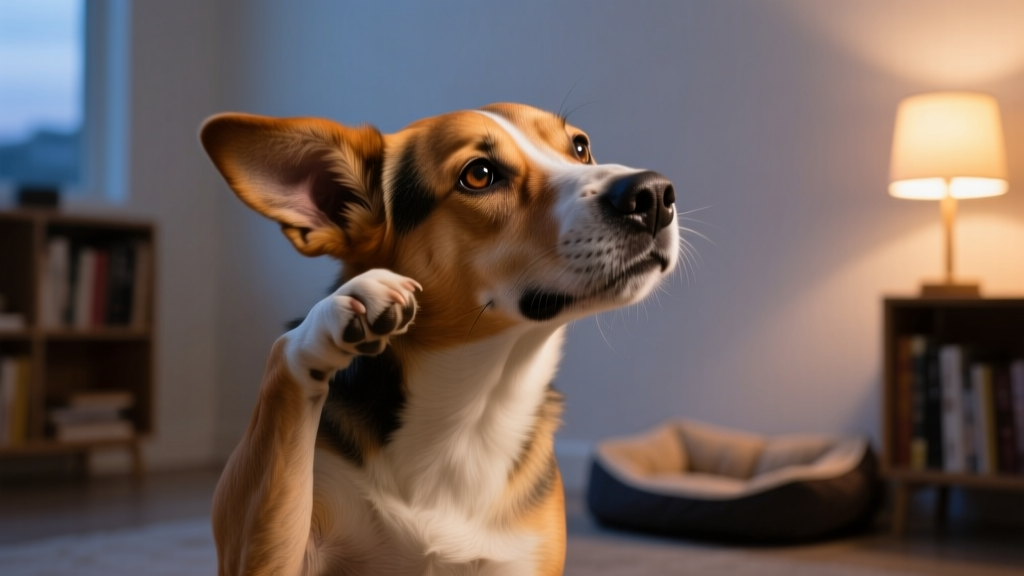
If your dog is scratching their ear and shaking their head at night, you're likely dealing with one of several common ear-related conditions — most frequently otitis externa (inflammation of the outer ear canal), but also ear mites, yeast or bacterial infections, allergies, or foreign bodies. According to the Merck Veterinary Manual, otitis externa affects approximately 20% of dogs at some point in their lives, making it one of the most common reasons for veterinary visits. Nighttime ear scratching intensifies because dogs are lying still, allowing inflammatory fluids to pool in the ear canal, and because the quiet environment removes daytime distractions that normally suppress the urge to scratch.
While occasional ear scratching is normal, persistent nighttime episodes — especially paired with head shaking, odor, or discharge — signal an underlying problem that won't resolve on its own. Left untreated, ear infections can progress to otitis media (middle ear) or otitis interna (inner ear), causing permanent hearing damage, vestibular disease, or facial nerve paralysis.
Seek emergency veterinary care if your dog shows any of these red flags:
- Head tilt that appears suddenly (indicates inner ear or neurological involvement)
- Loss of balance, stumbling, or circling in one direction
- Facial drooping or inability to blink one eye (facial nerve paralysis)
- Blood draining from the ear canal
- Extreme pain when the ear is touched — dog yelps, snaps, or hides
- Fever above 103°F (39.4°C) with lethargy and refusal to eat
What Causes a Dog to Scratch Their Ear and Shake Their Head at Night?
Understanding the root cause is essential because treatment varies dramatically depending on the underlying condition. Here are the primary culprits, ranked by frequency in veterinary practice:
| Cause | Prevalence | Key Identifiers | Nighttime Severity |
|---|---|---|---|
| Allergic Otitis (environmental/food allergies) | ~43% of ear infection cases | Recurrent infections, paw licking, seasonal patterns | Moderate-High |
| Yeast Infection (Malassezia overgrowth) | ~30-40% of cases | Sweet/musty odor, brown waxy discharge, greasy feel | High |
| Bacterial Infection (Staphylococcus, Pseudomonas) | ~25-30% of cases | Yellow-green pus, severe pain, ulcerated canal | Very High |
| Ear Mites (Otodectes cynotis) | ~5-10% (more common in puppies) | Dark crumbly "coffee ground" discharge, intense itch | Very High |
| Foreign Body (foxtail, grass seed) | Seasonal (spring/summer) | Sudden onset, one ear only, violent head shaking | High |
| Ear Polyps/Tumors | Rare (<2%) | Chronic unilateral discharge, visible mass, older dogs | Moderate |
A critical detail many owners miss: allergies are the number one underlying driver of recurrent ear infections. If your dog has had more than two ear infections in a 12-month period, your vet should be investigating atopic dermatitis or food hypersensitivity rather than simply prescribing another round of ear drops.
Symptom Checklist: Early Warning Signs vs. Advanced Symptoms
Recognizing where your dog falls on the severity spectrum helps you decide between scheduling a routine vet visit and seeking urgent care.
| Severity Level | Symptoms | Action Required |
|---|---|---|
| Early / Mild |
|
Schedule vet appointment within 3-5 days |
| Moderate |
|
Vet visit within 24-48 hours |
| Advanced / Severe |
|
Emergency vet visit — same day |
Breed Predispositions and Risk Factors
Which Breeds Are Most Prone to Ear Problems?
Ear anatomy, coat type, and genetic predisposition to allergies all play major roles. Dogs with pendulous (floppy) ears create a warm, dark, moist environment ideal for microbial overgrowth.
Highest-risk breeds:
- Cocker Spaniels — up to 50% develop chronic otitis; prone to both allergies and primary secretory otitis media (PSOM)
- Springer Spaniels — similar ear anatomy to Cockers with heavy feathering trapping moisture
- Basset Hounds — longest ear flaps of any breed, poor air circulation
- Golden Retrievers & Labrador Retrievers — high allergy prevalence plus water-loving lifestyle
- German Shepherds — predisposed to stenotic (narrowed) ear canals and Pseudomonas infections
- Shar-Peis — extremely narrow ear canals from birth; may need surgical correction
- Poodles (all sizes) — hair grows inside the ear canal, trapping debris
- Bulldogs (French & English) — stenotic canals plus high allergy rates
Additional Risk Factors
- Age: Puppies are more susceptible to ear mites; dogs over 7 face higher tumor/polyp risk
- Environment: High humidity, frequent swimming, dusty or moldy living spaces
- Weight: Overweight dogs have increased skin fold inflammation that extends to ear canals
- Genetics: Atopic dermatitis has a heritable component — if a parent had allergies, offspring are more likely to develop them
- Endocrine disease: Hypothyroidism and Cushing's disease weaken skin barrier function, predisposing to recurrent ear infections
How Veterinarians Diagnose the Cause of Nighttime Ear Scratching
A proper diagnosis requires more than a visual exam. Here's the diagnostic process your veterinarian will follow, along with typical costs (based on 2025-2026 US veterinary pricing averages):
Step-by-Step Diagnostic Process
- Physical Examination & Otoscopic Exam ($55-$120 office visit)
Your vet uses an otoscope to visualize the ear canal and tympanic membrane (eardrum). They'll check for canal narrowing (stenosis), foreign bodies, masses, and assess whether the eardrum is intact. If the canal is too swollen or painful, sedation ($80-$200) may be needed for a thorough exam. - Ear Cytology ($35-$75 per ear)
A swab of ear discharge is spread on a slide, stained, and examined under a microscope. This is the single most important diagnostic test — it identifies whether yeast (Malassezia), cocci bacteria (Staphylococcus), rod bacteria (Pseudomonas), or ear mites are present. Treatment differs completely depending on cytology results. - Bacterial Culture & Sensitivity ($120-$250)
Recommended for recurrent infections, rod-shaped bacteria on cytology, or cases that haven't responded to initial treatment. The lab identifies the exact bacterial species and tests which antibiotics will work. Results take 3-5 business days. - Allergy Testing ($350-$800)
If infections are recurrent, your vet may recommend either intradermal skin testing (performed by a veterinary dermatologist) or serum IgE blood testing to identify specific environmental allergens. Food elimination trials using a prescription hydrolyzed protein diet ($80-$130 per bag) run 8-12 weeks. - Advanced Imaging — CT or MRI ($1,200-$3,000)
Reserved for suspected middle/inner ear disease, tumors, or when surgery (total ear canal ablation) is being planned. CT is preferred for evaluating bony changes in the ear canal and tympanic bulla. - Bloodwork ($80-$200)
Thyroid panel (total T4, free T4, TSH) to rule out hypothyroidism as an underlying cause of recurrent infections, especially in middle-aged to older dogs.
Treatment Options: Medical, Surgical, and Supportive Care
Treatment depends entirely on the diagnosis. Here's a comparison of the most common treatment paths:
| Condition | Treatment | Duration | Success Rate | Estimated Cost |
|---|---|---|---|---|
| Yeast Otitis (Malassezia) | Topical antifungal (miconazole/clotrimazole) + ear cleaner; oral ketoconazole (5-10 mg/kg BID) for severe cases | 2-4 weeks | 85-95% with proper compliance | $80-$200 |
| Bacterial Otitis (cocci) | Topical antibiotic drops (gentamicin, florfenicol) + glucocorticoid for inflammation; Osurnia® or Claro® single-application options | 1-3 weeks | 90%+ for first-time infections | $100-$300 (Claro® alone: $75-$130 per ear) |
| Pseudomonas Otitis | Culture-guided topical antibiotics (polymyxin B, marbofloxacin); ear canal flushes with tris-EDTA; may need systemic antibiotics | 4-8 weeks minimum | 60-75% (higher recurrence risk) | $300-$800 |
| Ear Mites | Topical parasiticide (selamectin/Revolution®, moxidectin/Advantage Multi®); all in-contact pets treated simultaneously | 3-4 weeks (life cycle) | 95%+ | $60-$150 |
| Allergic Otitis (underlying atopy) | Apoquel® (oclacitinib 0.4-0.6 mg/kg BID × 14 days, then SID), Cytopoint® injections (every 4-8 weeks), allergen-specific immunotherapy (ASIT) | Lifelong management | 70-80% achieve good control | $50-$120/month ongoing |
| Foreign Body | Otoscope-guided removal under sedation; topical antibiotic/steroid drops post-removal | Single procedure + 1 week drops | 95%+ if caught early | $150-$400 |
| Aural Hematoma (from scratching) | Surgical drainage and suturing; or conservative drainage with dexamethasone injection | 2-3 weeks recovery | 85-90% (surgical); 50-60% (conservative) | $400-$1,200 (surgical) |
| End-Stage Chronic Otitis (TECA) | Total Ear Canal Ablation with Bulla Osteotomy (TECA-BO) — surgical removal of entire ear canal | 6-8 weeks recovery | 85-90% satisfaction; 8-15% facial nerve complication risk | $2,500-$5,000 per ear |
A note on single-application treatments: Products like Claro® (florfenicol/terbinafine/mometasone) and Osurnia® (florfenicol/terbinafine/betamethasone) have transformed ear infection treatment since their FDA approval. Applied once in-clinic, they release medication over 30 days, eliminating the need for twice-daily owner-applied drops — a game-changer for dogs who resist ear handling. Ask your vet if these are appropriate for your dog's situation.
Prognosis: What to Expect by Stage and Severity
| Stage | Description | Expected Outcome | Recurrence Risk |
|---|---|---|---|
| Acute (first episode) | First infection, intact eardrum, no canal changes | Full resolution in 1-3 weeks with proper treatment | Low (10-20%) if underlying cause addressed |
| Recurrent (2-4 episodes/year) | Repeated infections, mild canal thickening, eardrum intact | Manageable with allergy workup and maintenance cleaning; good quality of life | High (60-80%) without addressing root cause |
| Chronic (ongoing >6 months) | Canal stenosis, calcification, possible eardrum rupture | Requires aggressive medical management; may progress to surgery | Near-certain without surgical intervention |
| Otitis Media/Interna | Infection has spread past eardrum to middle or inner ear | Guarded — vestibular signs may persist; hearing loss possible; 6-8 week antibiotic courses needed | Variable; depends on response to systemic therapy |
Ear infections themselves are not life-threatening in the vast majority of cases. The life expectancy of a dog with ear disease is generally unaffected — dogs with chronic otitis managed appropriately live normal lifespans. However, complications from untreated infections (meningitis from inner ear extension, sepsis from deep tissue abscesses) can become serious. The real impact is on quality of life: chronically itchy, painful dogs sleep poorly, become irritable, and may develop behavioral changes.
Home Care: Managing Nighttime Ear Scratching Between Vet Visits
While home care cannot replace veterinary treatment for an active infection, these strategies can provide comfort and support recovery:
Ear Cleaning Protocol
- Use a veterinary ear cleaner only — products containing salicylic acid, boric acid, or chlorhexidine (such as Epi-Otic® Advanced, TrizEDTA®, or Douxo® Micellar). Never use hydrogen peroxide, alcohol, or vinegar — these damage the already-inflamed ear canal lining.
- Technique: Fill the ear canal with cleaner until it overflows, massage the base of the ear for 30 seconds (you should hear a squelching sound), then let your dog shake their head and wipe away loosened debris with a cotton ball or gauze pad. Never insert cotton swabs into the ear canal — they push debris deeper and risk eardrum perforation.
- Frequency: During active infection, clean once daily as directed by your vet. For maintenance after resolution, clean 1-2 times weekly for prone breeds.
Nighttime Comfort Measures
- Elizabethan collar (cone): If scratching is causing self-trauma, a soft recovery collar prevents further damage overnight. Inflatable donut collars are an alternative but may not block rear-leg scratching.
- Elevated sleeping position: Slightly raising your dog's head with a bolster or pillow can reduce fluid pooling in the ear canal.
- Cool compress: A clean cloth dampened with cool water applied gently to the outer ear flap for 2-3 minutes can temporarily soothe inflammation.
- Air circulation: For floppy-eared breeds, gently clipping or tying back the ear flaps during sleep (using a soft snood or hair band — not tight) improves airflow to the canal.
What NOT to Do
- Do not apply leftover prescription ear drops from a previous infection — the medication may be wrong for the current organism, expired, or contraindicated if the eardrum is ruptured
- Do not use over-the-counter "ear mite" treatments without a confirmed diagnosis — these are ineffective against bacterial or yeast infections and delay proper treatment
- Do not pluck ear hair in Poodles or similar breeds during an active infection — this creates micro-trauma that worsens inflammation (plucking is only appropriate for routine grooming in healthy ears)
Full Cost Breakdown: Diagnosis, Treatment, and Ongoing Management
Budgeting for ear disease requires understanding both upfront and recurring costs. Here's a realistic breakdown based on US veterinary pricing in 2025-2026:
| Expense Category | Low Estimate | Typical Range | High/Worst-Case |
|---|---|---|---|
| Initial vet visit + otoscopic exam | $55 | $80-$150 | $200 (emergency visit) |
| Ear cytology (per ear) | $35 | $45-$75 | $100 |
| Prescription ear medication | $25 | $50-$130 | $200 (compounded) |
| Bacterial culture & sensitivity | $120 | $150-$200 | $250 |
| Allergy workup (full panel) | $350 | $500-$800 | $1,200 (dermatologist) |
| Apoquel® (monthly, 20 lb dog) | $55 | $65-$90 | $130 (larger dogs) |
| Cytopoint® injection (per visit) | $65 | $85-$150 | $200 (large breeds) |
| TECA-BO surgery (per ear) | $2,500 | $3,000-$4,500 | $5,500 (specialist) |
| First-year total (uncomplicated) | $115 | $250-$500 | $1,500+ (chronic/complex) |
Pet insurance consideration: Most accident-and-illness plans cover ear infections, but chronic/allergy-related ear disease may face annual or per-condition payout limits. Check whether your policy covers prescription medications (Apoquel, Cytopoint) and specialist referrals, as these represent the largest ongoing costs.
Prevention Strategies for Recurrent Ear Problems
For dogs prone to ear issues, consistent prevention reduces infection frequency by an estimated 50-70%:
- Routine ear cleaning: Weekly cleaning with a veterinary ear cleaner for floppy-eared and allergy-prone breeds. This disrupts biofilm formation and removes excess cerumen before microbes proliferate.
- Dry ears after swimming: Use a drying ear solution (containing isopropyl alcohol and acetic acid — such as Swim-Ear® or a vet-recommended product) immediately after water exposure. Never let a prone breed air-dry with water trapped in the canals.
- Allergy management: If your dog has confirmed environmental allergies, consistent use of Apoquel®, Cytopoint®, or immunotherapy prevents the inflammatory cascade that leads to secondary ear infections.
- Diet optimization: For dogs with suspected food allergies, a strict 8-12 week elimination trial with a prescription hydrolyzed protein diet (Hill's z/d®, Royal Canin HP®, or Purina HA®) identifies food triggers. Common culprits: chicken, beef, dairy, wheat.
- Regular grooming: For Poodles, Bichons, and similar breeds, professional ear hair removal during grooming appointments prevents debris entrapment — but only when ears are healthy, never during active inflammation.
- Parasite prevention: Monthly isoxazoline preventives (NexGard®, Simparica®, Bravecto®) or topical selamectin (Revolution®) prevent ear mite infestations as part of broad-spectrum parasite control.
Frequently Asked Questions
Why does my dog only scratch their ears at night?
Several factors converge at night. When your dog lies down, gravity causes inflammatory fluid and discharge to pool in the dependent ear canal, increasing pressure and itch signals. Cortisol levels (a natural anti-inflammatory hormone) drop overnight, amplifying the sensation of itch. Additionally, the absence of daytime distractions means your dog becomes hyper-aware of the discomfort. Finally, warmer sleeping environments (blankets, heated beds) can increase blood flow to inflamed tissue, worsening itch.
Can I use over-the-counter ear drops from a pet store?
OTC ear cleaners (like Epi-Otic® Advanced) are fine for routine maintenance in healthy ears, but OTC "ear infection treatments" sold at pet stores are not recommended. These products typically contain mild antiseptics that are insufficient to eliminate an established bacterial or yeast infection and may contain ingredients harmful to a ruptured eardrum. Always consult your veterinarian before applying any medication to an inflamed ear.
How do I know if it's ear mites or an infection?
Ear mites produce a distinctive dark, dry, crumbly discharge resembling coffee grounds and cause intense itching. They're most common in puppies and dogs from shelters or multi-pet environments. Bacterial and yeast infections typically produce moist, waxy, or pus-like discharge with odor. However, these visual cues alone are unreliable — ear cytology under a microscope is the only definitive way to distinguish them. Your vet can perform this in minutes during an office visit.
Is my dog's ear scratching an emergency?
In most cases, ear scratching and head shaking warrant a prompt vet visit (within 24-48 hours) but are not emergencies. However, if your dog develops a sudden head tilt, loss of balance, facial drooping, extreme pain response, or bloody discharge, these indicate inner ear involvement or aural hematoma and require same-day veterinary attention.
Will my dog outgrow ear infections?
Some puppies with ear mite-related issues may not recur after treatment. However, dogs with allergy-driven ear disease (the most common cause of recurrent infections) will not outgrow the condition — allergies tend to worsen with age until managed. Breeds with anatomical predispositions (narrow canals, heavy ear flaps) will always require more vigilant ear care. The goal is management and reduction of frequency, not a permanent cure.
Can food allergies cause ear scratching at night?
Yes. Food hypersensitivity is responsible for an estimated 10-20% of canine atopic dermatitis cases, and the ears are one of the most commonly affected body regions. Unlike environmental allergies (which often have seasonal patterns), food allergies cause year-round symptoms. The only reliable way to diagnose food allergy is a strict elimination diet trial lasting 8-12 weeks — blood and saliva "food allergy tests" marketed directly to consumers are not considered reliable by veterinary dermatologists, per the American Veterinary Medical Association.
Disclaimer: This article provides educational information and should not replace professional veterinary advice. If your dog is persistently scratching their ear and shaking their head at night, consult your veterinarian for a proper diagnosis and treatment plan tailored to your dog's specific condition.
Dr. Hannah Wickes
All our authors care for dogs every day — read more of their work on the authors page.