Dog Runny Nose Relief: Best Saline Sprays, Humidifiers & Care Products
Find the best products for a dog runny nose — saline sprays, humidifiers, wipes & more. Vet-informed picks with prices, safety tips, and when to skip OTC.
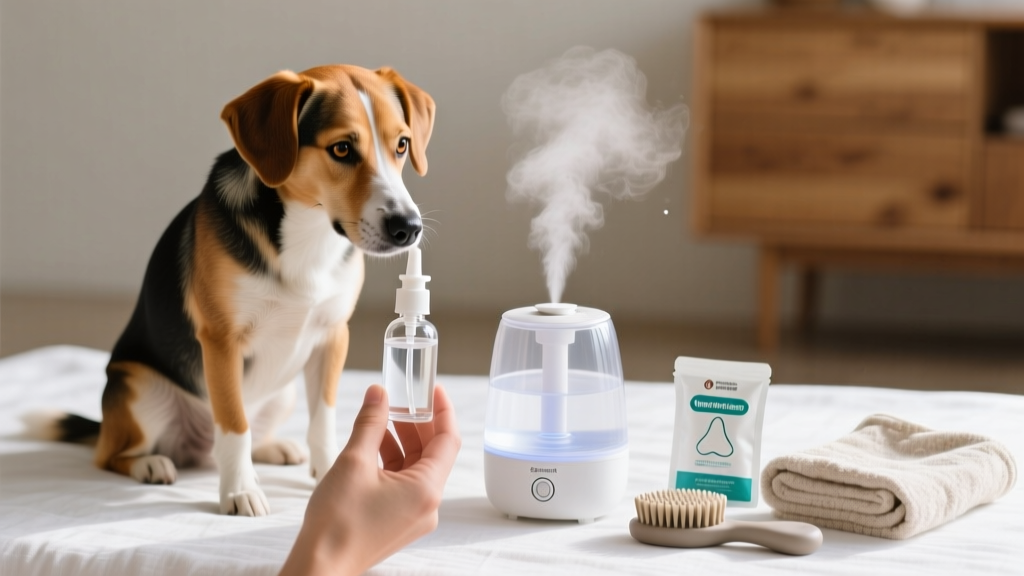
A runny nose in dogs can range from a harmless reaction to cold air to a sign of an upper respiratory infection, dental abscess, or even a nasal tumor. While many cases resolve on their own, having the right at-care products on hand can keep your dog comfortable, keep nasal discharge from irritating the skin around the muzzle, and help you monitor whether symptoms are improving or worsening. This guide covers the best over-the-counter (OTC) products for managing a dog runny nose in 2026 — what to buy, how much to spend, and when to stop treating at home and call your veterinarian.
Why Dogs Get Runny Noses — and Which Products Actually Help
Understanding the cause of your dog's nasal discharge determines which product category will help. According to the Merck Veterinary Manual, common causes include:
- Allergies (environmental): Clear, watery discharge from both nostrils. Often seasonal. Saline rinses and air purifiers help.
- Upper respiratory infections (viral/bacterial): Discharge may start clear and turn thick, yellow, or green. Humidifiers and saline help; antibiotics require a vet prescription.
- Dental disease (tooth root abscess): Typically unilateral (one nostril). Requires veterinary dental work — no OTC product will resolve this.
- Foreign body (grass awn, seed): Sudden onset, violent sneezing, usually one-sided. Needs veterinary removal.
- Nasal mites (Pneumonyssoides caninum): Rare in the US but causes chronic discharge. Requires prescription parasiticide.
- Nasal tumors: More common in older, long-nosed (dolichocephalic) breeds like Collies and Greyhounds. Progressive, often bloody discharge. Requires veterinary oncology.
OTC products are appropriate for mild, bilateral, clear discharge in an otherwise healthy dog who is eating, drinking, and acting normally. Everything else warrants a vet visit first.
Top 7 Products for Dog Runny Nose Relief in 2026
1. Vetoquinol Viralys Nasal Health Gel for Dogs
Price: $18–$24 (5 oz tube)
Key Features: L-lysine supplement in a palatable gel; supports immune function during upper respiratory flare-ups; chicken-flavored paste dogs readily accept.
- Pros: No force-feeding required — most dogs eat it voluntarily; manufactured in an FDA-registered facility; safe for puppies over 6 weeks; can be used long-term.
- Cons: Not a direct nasal treatment — works systemically; results take 5–7 days to become noticeable; contains chicken (not suitable for poultry-allergic dogs).
2. Vetericyn Plus All Animal Antimicrobial Hydrogel Nasal Spray
Price: $14–$19 (3 oz spray bottle)
Key Features: Hypochlorous acid-based (HOCl) antimicrobial spray; pH-balanced for animal mucous membranes; no sting on application.
- Pros: Kills bacteria and viruses on contact without antibiotics; safe if licked or swallowed; no prescription needed; shelf-stable for 24 months unopened.
- Cons: Must be stored upright to prevent nozzle clogging; spray stream is slightly stronger than ideal for toy breeds; not effective against fungal infections.
3. Crane Cool Mist Ultrasonic Humidifier (1 Gallon)
Price: $35–$50
Key Features: Ultrasonic cool mist; 24-hour runtime on full tank; optional demineralization cartridge reduces white dust; whisper-quiet operation below 30 dB.
- Pros: Benefits the entire room — no direct handling of a sick dog required; easy to clean (top-fill design); affordable replacement filters ($8 for a 3-pack).
- Cons: Must use distilled or demineralized water to prevent mineral buildup; tank needs weekly vinegar soak to prevent mold; not portable for travel.
4. Pet MD Sterile Saline Nasal Drops for Dogs
Price: $10–$14 (1 oz dropper bottle)
Key Features: 0.9% sterile sodium chloride solution; single-dropper-tip for controlled dosing; preservative-free formula.
- Pros: Simplest, safest option for loosening nasal mucus; preservative-free means no chemical irritation; inexpensive enough to keep on hand year-round; safe for puppies and seniors.
- Cons: 1 oz bottle runs out quickly with multi-dog households; dropper tip must not touch the nostril (contamination risk); no antimicrobial action.
5. Earthbath Hypo-Allergenic Face Wipes
Price: $9–$13 (pack of 25 wipes)
Key Features: Aloe vera and vitamin E; biodegradable wipe material; pH-balanced for canine skin; unscented.
- Pros: Quickly cleans dried discharge from fur and skin around the nose; prevents crust buildup that can block nostrils; gentle enough for multiple daily uses; compostable.
- Cons: Wipes dry out if package isn't resealed tightly; not a treatment — only for external cleaning; some dogs dislike the sensation of wipes on their face.
6. Zesty Paws Aller-Immune Bites (Soft Chews)
Price: $26–$32 (90 chews)
Key Features: Contains colostrum, probiotics (Lactobacillus), and quercetin; chicken-flavored soft chew; designed for seasonal allergy support.
- Pros: Addresses allergy-driven nasal discharge from the inside; dual-action (immune + gut health); NASC (National Animal Supplement Council) member brand; dogs typically eat them as treats.
- Cons: Takes 2–4 weeks of daily use for full effect; not appropriate for infection-related discharge; contains chicken and coconut (common allergens for some dogs).
7. Frida Baby NoseFrida Nasal Aspirator (Adapted for Small Dogs)
Price: $15–$20
Key Features: Parent-powered suction with hygiene filter; soft silicone tip; originally designed for human infants but widely used by veterinary nurses for brachycephalic puppies.
- Pros: Physically removes mucus when saline drops alone aren't enough; replaceable filters prevent cross-contamination; works exceptionally well for flat-faced breeds (French Bulldogs, Pugs) prone to nasal congestion.
- Cons: Not designed specifically for dogs — tip may be too large for very small nostrils; requires a calm, cooperative dog; suction strength depends on user (risk of too much force).
Product Comparison Table
| Product | Type | Best For | Price Range | Puppy Safe | Speed of Relief |
|---|---|---|---|---|---|
| Vetoquinol Viralys Gel | Oral immune supplement | Viral URI recovery | $18–$24 | Yes (6+ weeks) | 5–7 days |
| Vetericyn Plus Nasal Spray | Antimicrobial spray | Bacterial nasal discharge | $14–$19 | Yes | 1–3 days |
| Crane Cool Mist Humidifier | Environmental humidifier | Dry-air irritation, congestion | $35–$50 | Yes | Hours (ambient) |
| Pet MD Saline Drops | Sterile saline drops | Mucus loosening, moisturizing | $10–$14 | Yes | Immediate (temporary) |
| Earthbath Face Wipes | Cleaning wipes | External crust/discharge cleanup | $9–$13 | Yes | Immediate (cosmetic) |
| Zesty Paws Aller-Immune Bites | Oral allergy supplement | Allergy-driven runny nose | $26–$32 | Yes (12+ weeks) | 2–4 weeks |
| NoseFrida Aspirator | Nasal aspirator | Brachycephalic congestion | $15–$20 | Yes (gentle use) | Immediate |
How to Use Runny Nose Products Safely — Step by Step
Saline Drops or Spray Application
- Prepare: Wash your hands. Have saline product, clean tissues, and treats ready.
- Position your dog: Have your dog sit or stand. For small dogs, place them on a non-slip surface at chest height (like a table with a yoga mat). Gently tilt their head upward at a 30-degree angle — never force the head back.
- Administer: Hold the dropper or spray 1–2 inches from the nostril. Place 1–2 drops (or one short mist) into each nostril. Do not insert the tip into the nostril.
- Allow drainage: Your dog will likely sneeze — this is normal and helps expel loosened mucus. Wipe the muzzle gently with a clean tissue or Earthbath wipe.
- Reward: Give a high-value treat immediately to build positive associations. This makes future applications dramatically easier.
- Frequency: Saline drops can be used 2–3 times daily. Antimicrobial sprays like Vetericyn: follow label directions, typically 2 times daily for up to 7 days.
Humidifier Setup
- Fill with distilled water (tap water causes mineral dust that can worsen respiratory irritation).
- Place in the room where your dog spends the most time, at least 3 feet from their sleeping area.
- Run on the highest mist setting for 4–6 hours, then reduce to low overnight.
- Empty and air-dry the tank daily. Deep-clean weekly with a 1:10 white vinegar to water soak for 30 minutes.
- Target indoor humidity: 40–50%. Use a hygrometer ($8–$12 on Amazon) to monitor — humidity above 60% promotes mold growth.
Nasal Aspirator (for Brachycephalic Breeds)
- Apply 1–2 saline drops per nostril first and wait 30 seconds to loosen mucus.
- Place the silicone tip at the nostril opening (do not insert).
- Apply gentle, steady suction through the mouthpiece. Never use sharp or forceful pulls.
- Stop immediately if your dog struggles, yelps, or if you see blood.
- Dispose of the hygiene filter after each use.
Safety Warnings and What to Avoid
- NEVER use human decongestant nasal sprays (Afrin/oxymetazoline, Dristan/xylometazoline) on dogs. These can cause severe hypotension, bradycardia, and CNS depression. If accidental exposure occurs, call ASPCA Animal Poison Control at (888) 426-4435 immediately (24/7, consultation fee applies).
- Do not use essential oil diffusers (eucalyptus, tea tree, peppermint, wintergreen) near dogs with respiratory symptoms. These oils are mucosal irritants and several are hepatotoxic to dogs.
- Avoid neti pots or gravity-fed sinus rinses in dogs. Unlike humans, dogs cannot hold their breath on command, and fluid can be aspirated into the lungs, causing aspiration pneumonia.
- Do not share nasal products between dogs without sterilizing between uses. Bacterial and viral pathogens can spread through contaminated applicators.
- Discontinue any product that causes increased sneezing, nosebleeds, facial swelling, or behavioral changes, and contact your veterinarian.
How Much Do Runny Nose Products Cost?
Here's what to budget if you're assembling a complete at-home nasal care kit for your dog:
| Category | Budget Option | Mid-Range | Premium |
|---|---|---|---|
| Saline drops/spray | $8–$12 | $14–$19 | $20+ (vet-formulated) |
| Humidifier | $25–$35 (basic) | $35–$55 (ultrasonic) | $60–$120 (smart/warm mist) |
| Face wipes | $6–$9 | $9–$13 | $14–$18 (medicated) |
| Immune/allergy supplement | $15–$20 | $22–$32 | $35–$50 (vet-exclusive) |
| Nasal aspirator | $10–$15 | $15–$20 | $25+ (electric) |
Total starter kit cost: $45–$75 for a basic setup (saline, wipes, budget humidifier). A full kit with supplements and aspirator runs $80–$140.
Effectiveness Evidence: What Veterinary Science Says
Saline nasal irrigation is one of the most well-supported supportive care measures in both human and veterinary medicine. A 2022 review in the Journal of Veterinary Internal Medicine noted that isotonic saline irrigation improves mucociliary clearance in dogs with rhinitis, reducing symptom duration by an average of 2–3 days when combined with appropriate primary treatment.
Hypochlorous acid (the active ingredient in Vetericyn) has been studied extensively. Research published in Veterinary Dermatology demonstrated HOCl's efficacy against Staphylococcus pseudintermedius and other common canine skin and mucosal pathogens, with a kill rate exceeding 99% within 60 seconds of contact. It is not a replacement for systemic antibiotics in deep infections, but it effectively reduces surface bacterial load.
Environmental humidity between 40–50% has been shown to optimize mucociliary transport rate in mammals. The AVMA recommends humidified air as supportive care for dogs with kennel cough and other upper respiratory conditions.
Oral supplements like L-lysine have mixed evidence. While widely used in feline herpesvirus management, canine-specific data is more limited. The theoretical mechanism (competitive inhibition of arginine, limiting viral replication) is plausible but not definitively proven in dogs. Use as adjunctive support, not as a primary treatment.
Natural and DIY Alternatives
If you prefer to avoid commercial products, several options can provide mild relief:
- Homemade saline solution: Dissolve ¼ teaspoon of non-iodized salt in 1 cup of boiled (then cooled to room temperature) distilled water. This creates an approximate 0.9% isotonic solution. Discard after 24 hours — homemade solutions lack preservatives and can grow bacteria. Note: commercially prepared sterile saline is safer because it's manufactured in a sterile environment.
- Steam therapy: Run a hot shower with the bathroom door closed and sit with your dog in the steamy room for 10–15 minutes. This mimics a humidifier without equipment. Do not place your dog in or near hot water.
- Warm compress: Soak a clean washcloth in warm (not hot — test on your wrist, target 100–105°F / 38–40°C) water, wring it out, and hold it gently against your dog's muzzle for 30–60 seconds. This softens crusted discharge.
- Hydration boost: Add warm water or low-sodium chicken broth (onion-free, garlic-free) to your dog's food. Increased fluid intake thins mucus secretions systemically.
Important: Homemade diets and long-term supplement regimens should be reviewed by a veterinary nutritionist to ensure nutritional completeness.
When to Skip OTC Products and See Your Vet
Over-the-counter products are appropriate only for mild, short-lived symptoms. Contact your veterinarian immediately if your dog shows any of the following:
- Discharge that is yellow, green, bloody, or foul-smelling — suggests bacterial infection, dental abscess, or foreign body
- Unilateral discharge (one nostril only) — strongly associated with tooth root abscess, nasal tumor, or foreign body
- Symptoms lasting more than 5–7 days without improvement
- Accompanying signs: fever (normal canine temperature is 101–102.5°F / 38.3–39.2°C), lethargy, loss of appetite, coughing, difficulty breathing, facial swelling, or pawing at the face
- Reverse sneezing episodes that are new or increasing in frequency
- Nostril color changes (depigmentation, ulceration)
- Any nasal symptoms in a brachycephalic breed (French Bulldog, Pug, English Bulldog, Boston Terrier, Shih Tzu) — these breeds are predisposed to brachycephalic obstructive airway syndrome (BOAS) and nasal stenosis, and minor symptoms can escalate quickly
Always consult your veterinarian before starting any OTC nasal product, especially if your dog is on other medications, has a chronic health condition, or is under 6 months of age. This article is not a substitute for professional veterinary diagnosis or treatment.
Where to Buy These Products
Most of the products in this guide are available through multiple channels:
- Chewy.com and Amazon: Widest selection and most competitive pricing for supplements, wipes, and humidifiers. Autoship options available for recurring supplements.
- PetSmart and Petco (in-store and online): Carry Pet MD, Earthbath, and Zesty Paws lines. Advantage: you can inspect products before buying.
- Veterinary clinics: Stock Vetoquinol Viralys and Vetericyn directly. Prices are typically 10–20% higher than online, but you get professional guidance on proper use.
- Walmart and Target: Crane humidifiers are widely available in-store during fall and winter. Saline drops can be found in the pet aisle or human pharmacy section (ensure 0.9% sterile sodium chloride with no additives).
Frequently Asked Questions
What is the best product for a dog with a runny nose?
There is no single "best" product — it depends on the cause. For mild, clear discharge, Pet MD Sterile Saline Nasal Drops ($10–$14) paired with a Crane Cool Mist Humidifier ($35–$50) provide the safest, most effective supportive care. For suspected mild bacterial involvement, Vetericyn Plus Nasal Spray ($14–$19) adds antimicrobial action without a prescription. For allergy-related discharge, Zesty Paws Aller-Immune Bites ($26–$32) address the underlying immune response.
How do I choose the right runny nose product for my dog?
Start by identifying the likely cause: allergies (clear, bilateral, seasonal), infection (thick, colored, possibly with other symptoms), or environmental irritation (dry air, dust). Then match the product to the cause — saline and humidifiers for irritation, antimicrobial sprays for mild bacterial issues, supplements for allergies. When in doubt, start with plain saline drops; they're safe for virtually every scenario and will never make things worse.
How much does a dog runny nose care kit cost?
A basic at-home kit (saline drops, face wipes, simple humidifier) costs approximately $45–$75. A comprehensive setup including supplements and a nasal aspirator runs $80–$140. Compare this to a veterinary visit for nasal discharge, which typically costs $150–$350 for the exam alone, with diagnostics (rhinoscopy, dental X-rays, CT scan) potentially adding $500–$2,500.
How do I use nasal saline drops safely on my dog?
Use only 0.9% sterile saline with no added medications. Tilt your dog's head up gently at a 30-degree angle, hold the dropper 1–2 inches from the nostril, and place 1–2 drops without inserting the tip. Allow your dog to sneeze naturally, then wipe the muzzle clean. Use 2–3 times daily. Discard opened bottles after 30 days or per the manufacturer's expiration guidance.
Are there natural alternatives to commercial nasal products?
Yes. You can make a basic saline solution at home (¼ tsp non-iodized salt in 1 cup cooled boiled distilled water), use steam from a hot shower for 10–15 minutes, or apply a warm compress to the muzzle. These are appropriate for mild cases but lack the sterility guarantees of commercial products. For anything beyond very mild symptoms, commercially prepared sterile products are safer.
When should I skip OTC products and see a vet for my dog's runny nose?
See your vet if discharge is colored (yellow, green), bloody, foul-smelling, or coming from only one nostril. Also seek veterinary care if symptoms persist beyond 5–7 days, or if your dog shows fever, lethargy, loss of appetite, coughing, facial swelling, or difficulty breathing. Brachycephalic breeds should see a vet sooner rather than later for any nasal symptoms, as their compromised airways leave less margin for error.
Dr. Hannah Wickes
All our authors care for dogs every day — read more of their work on the authors page.